Introduction to Starbucks Decaf Coffee Flavor and Differences Between Decaf and Regular Coffee

One benefit of coffee lies in its caffeine, which provides that energizing kick — a big reason many of us drink it daily. But sensitivity to caffeine varies from person to person. Some people are highly sensitive yet still want to enjoy coffee. Are there lower-caffeine options? Decaffeinated coffee may be the best answer for anyone who wants to limit their caffeine intake.
What is Decaffeinated Coffee?
Normally, caffeine content is measured by weight. Arabica beans contain 0.9%-1.4% caffeine (averaging 1.2%), while Robusta contains 1.8%-4% (averaging 2.2%). Low-caffeine coffee comes in two forms: naturally low-caffeine coffee and artificially decaffeinated coffee.
The best-known naturally low-caffeine coffee is Laurina (Coffea Laurina), which carries half the caffeine of ordinary Arabica (0.6%). Unlike artificially decaffeinated coffees, Laurina's low caffeine comes from genetic degeneration — lower caffeine than typical Arabica trees, with superior flavor.
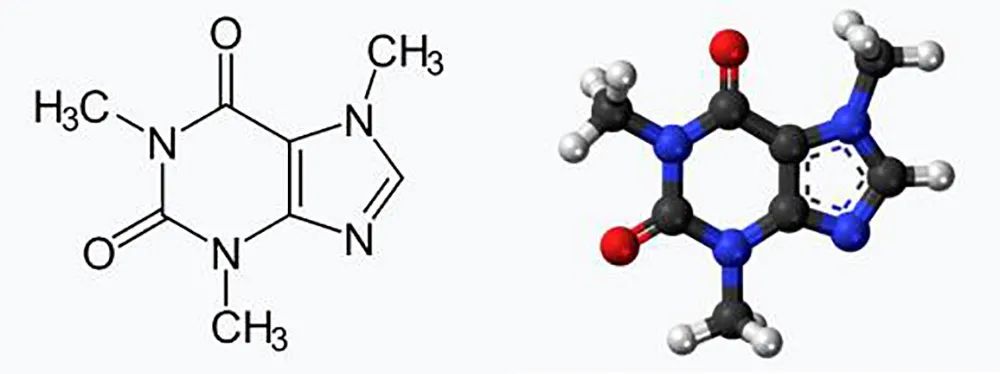
For artificially decaffeinated coffee, the European Union standard requires that caffeine not exceed 0.1% of the raw beans after processing, while the U.S. FDA standard requires reduction to less than 3% of the original caffeine content.
What Are the Decaffeination Methods?
Today there are many ways to remove caffeine, broadly grouped as direct/indirect solvent processing, supercritical carbon dioxide processing, Swiss Water processing, and mountain spring water processing.
Direct Solvent Method
The direct solvent method uses chemical solutions such as dichloromethane and ethyl acetate to dissolve the caffeine. First, steam opens the pores of the green beans; the dichloromethane is then applied directly. Once the solvent has bound with the caffeine, the caffeine-rich solvent is washed away and the beans are steamed again to remove all solvent residue.
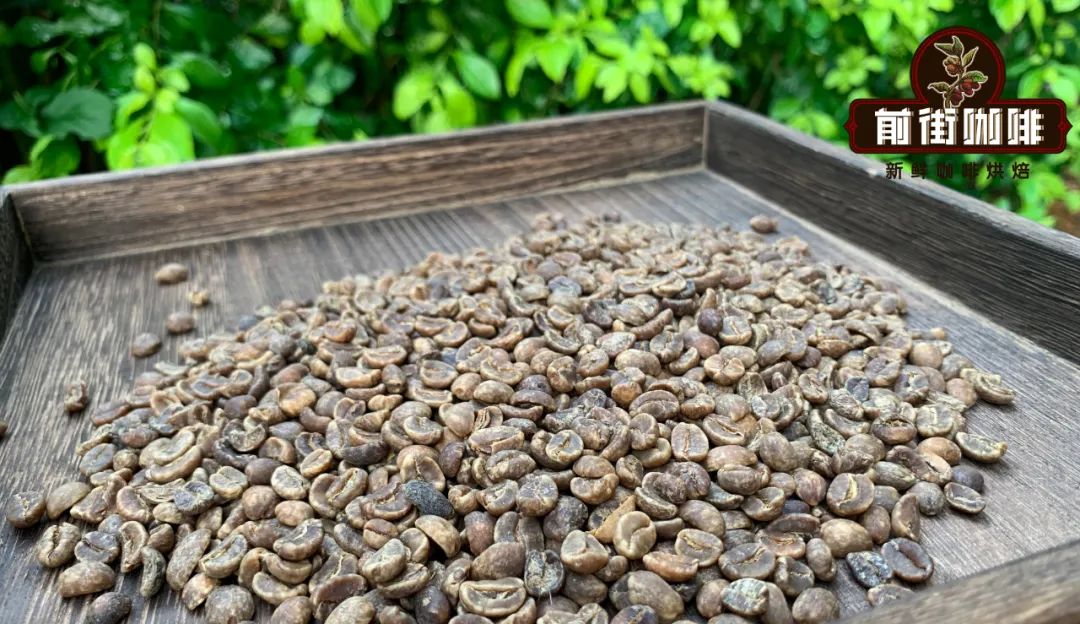
Because long-term exposure to dichloromethane may raise cancer risk, its use draws some concern. However, the FDA caps dichloromethane residue in decaffeinated coffee at 0.001%, and in practice levels run lower still, so side effects are minimal.
The ethyl acetate process works the same way. Ethyl acetate typically derives from sugarcane, so this variant is sometimes called the sugarcane decaffeination method; Colombian decaffeination commonly uses it. Ethyl acetate, however, is highly flammable, which makes it more hazardous to handle.
Supercritical Carbon Dioxide Method
Here the beans are first soaked to swell them, loosening the caffeine molecules inside. Liquefied carbon dioxide is then introduced at pressures exceeding 100 atmospheres. CO2 is highly selective: it dissolves caffeine without "harming" the beans' carbohydrates and proteins, so the coffee's flavor survives intact. The caffeine-laden liquid CO2 can be recycled once the caffeine is stripped out.
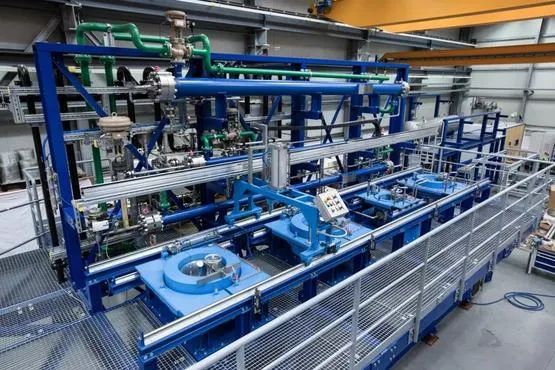
Coffee decaffeinated with CO2 places less burden on the body, and research shows the method extracts more caffeine than the direct solvent method — though it costs considerably more.
Swiss Water Method
The Swiss Water method was developed by the Swiss company Coffex in the late 1970s, and SWISS WATER is now a registered trademark. The green beans are soaked in hot water, partially removing the caffeine; the solution is then filtered through activated carbon and finally returned to the beans. This sequence removes caffeine very effectively. Besides requiring no chemical solvents, the solution can be reused across batches — though the coffee does lose some flavor during filtration.
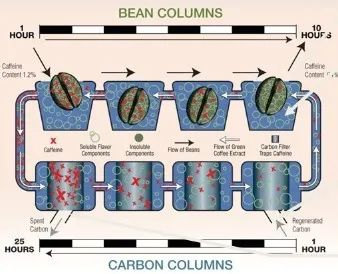
This method achieves a caffeine removal rate of 99.9% — the highest of any method. FrontStreet Coffee cupped multiple decaffeinated beans and selected a Colombian Swiss Water bean last year. It comes from Colombia's Huila region and blends Typica, Caturra, and Castillo varieties; in cupping, combined with Swiss Water processing, it showed distinct notes of dark cocoa, caramel, and nuts with a rich, mellow mouthfeel.
Mountain Spring Water Method
Similar to Swiss Water, this method uses another special water — glacier water — to extract the caffeine. The company Descamex states that it uses a special filtration device to remove the caffeine, yielding a caffeine-free water-based solution that also dissolves coffee solids and can be reused in subsequent decaffeination rounds.
FrontStreet Coffee Recommendation
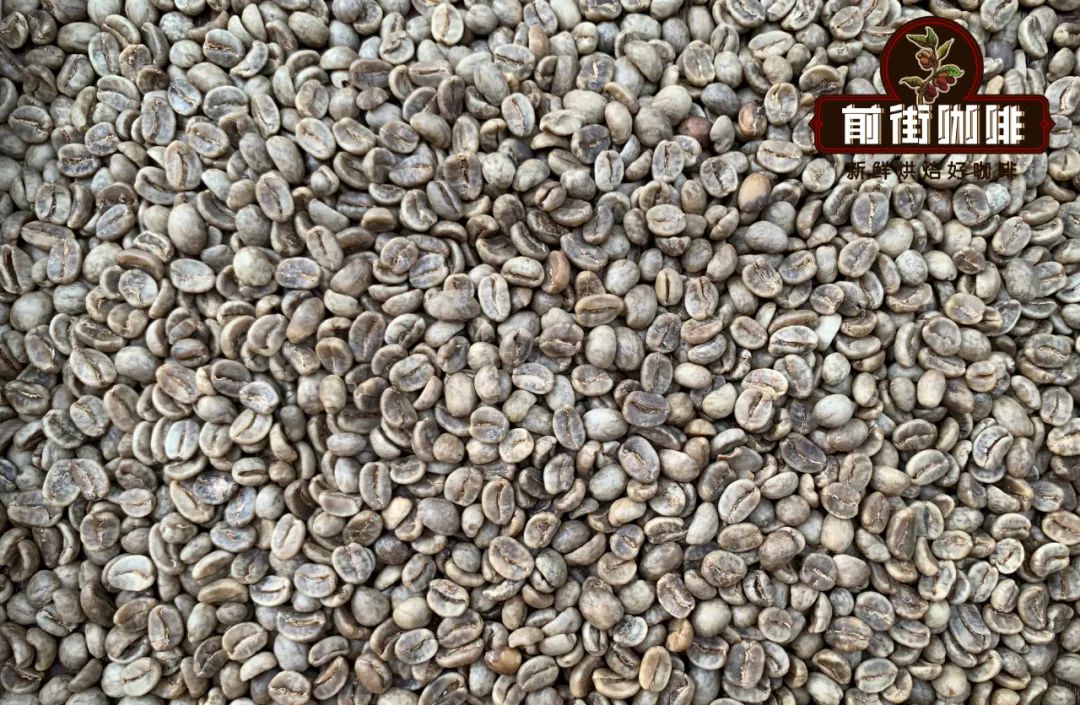
If you're choosing a low-caffeine pour-over bean, start by skipping Robusta and stick to Arabica, which grows at 800-2,200 meters in frost-free highlands; the greater day-night temperature swings slow the cherries' ripening and help them accumulate more flavor. For the gentlest option, FrontStreet Coffee's Swiss Water-processed Colombian Huila is the pick: 99.9% of the caffeine removed with no chemical solvents, leaving dark chocolate, cream, hazelnut, and toffee notes in a low-bitterness, sweet-acidic cup — Huila's 1,800-meter-plus terroir at its most classic.
If natural decaf interests you more, remember that Arabica itself carries only about half the caffeine of Robusta — and Laurina, at 0.6% caffeine, less again. FrontStreet's Arabica-only pour-over range — the floral-citrus Washed Yirgacheffe Chelbesa Cooperative (top Ethiopian G1 grade), the fruit-forward Natural "Hua Kui," or the nut-chocolate-caramel Yunnan Arabica — all deliver full flavor with naturally moderate caffeine.
Important Notice :
FrontStreet Coffee is a long-established specialty coffee roaster in Guangzhou China, selling freshly roasted beans from its own farm in Yunnan as well as dozens of carefully selected single-origin beans from around the world for both pour-over and espresso. The products deliver consistently excellent quality and great value, with shipping within 24 hours. Guangzhou's FrontStreet Coffee shop is recommended by many coffee lovers, and the beans are now available online at the Tmall 。
FrontStreet Coffee has moved to a new address:
FrontStreet Coffee Address: 315,Donghua East Road,GuangZhou
Tel:020 38364473
 Scan and follow the En Gafei WeChat official account. Please indicate that the reprint comes from "En Gafei".