Why Use 9 Bar for Espresso? How Does Pressure Affect Espresso?
For professional coffee knowledge exchange and more coffee bean information, stay tuned to FrontStreet Coffee.
Introduction
As everyone knows, espresso is the foundation of Italian coffee. The taste of Italian coffee is shaped by its espresso to a significant degree - good Italian coffee demands a properly extracted espresso base, so the importance of espresso is self-evident.
The steps for making espresso are actually quite simple, but the details matter enormously. First, make sure the beans are fresh and fully rested. Step one: remove the portafilter and wipe the basket clean. Step two: grind the coffee into the portafilter's basket. Step three: distribute and tamp. Step four: lock in the portafilter and extract. Finally, end the extraction, remove the portafilter, and clean it.
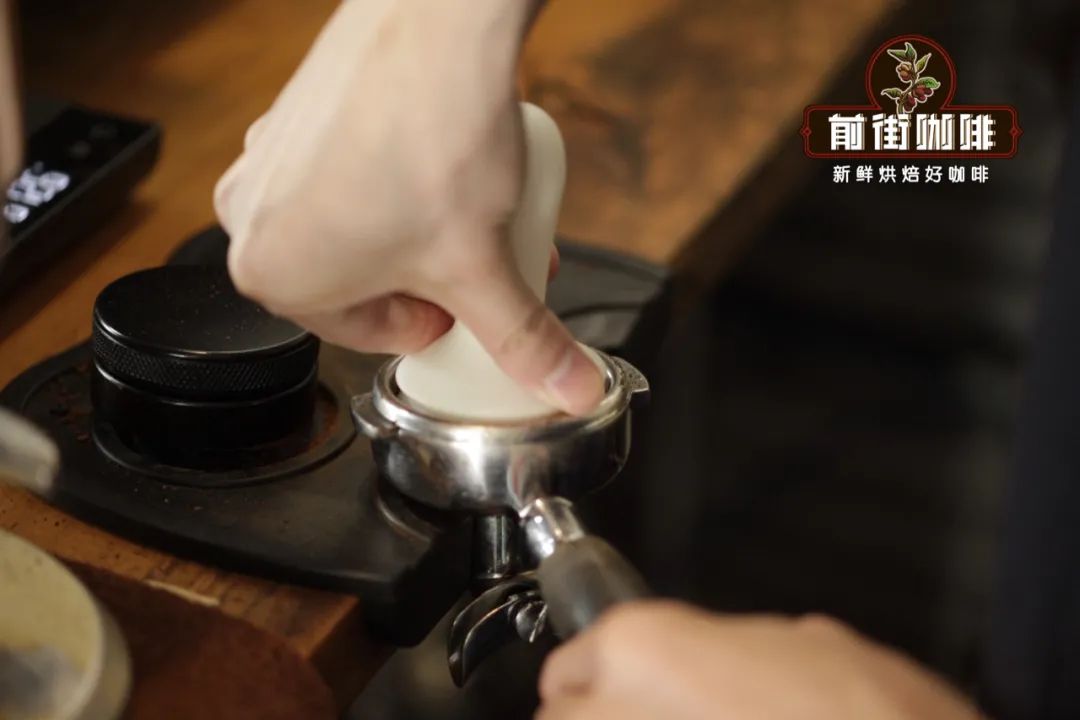
Simple as it seems, the details decide everything. Before receiving the grounds, make sure the basket is clean and dry. Distribute the grounds as evenly as possible in the basket, and when tamping, press straight down with consistent force every time. Learning to make an espresso is not hard; making a good espresso - and making every shot good - takes far more learning and practice.
But today FrontStreet Coffee wants to talk about more than espresso itself - specifically one of its defining elements: the pressure during extraction.
The Characteristic of Espresso - Pressurized Extraction
Common pour-over coffee, such as coffee brewed with a V60 dripper, we generally classify as drip extraction; methods like French press and cupping are immersion extraction. Drip extraction relies on the flow of water to carry out coffee's soluble compounds, while immersion relies on soaking to extract them directly. Espresso, however, fits neither category neatly. Compared with most brewing methods, its defining trait is the pressure applied during extraction.
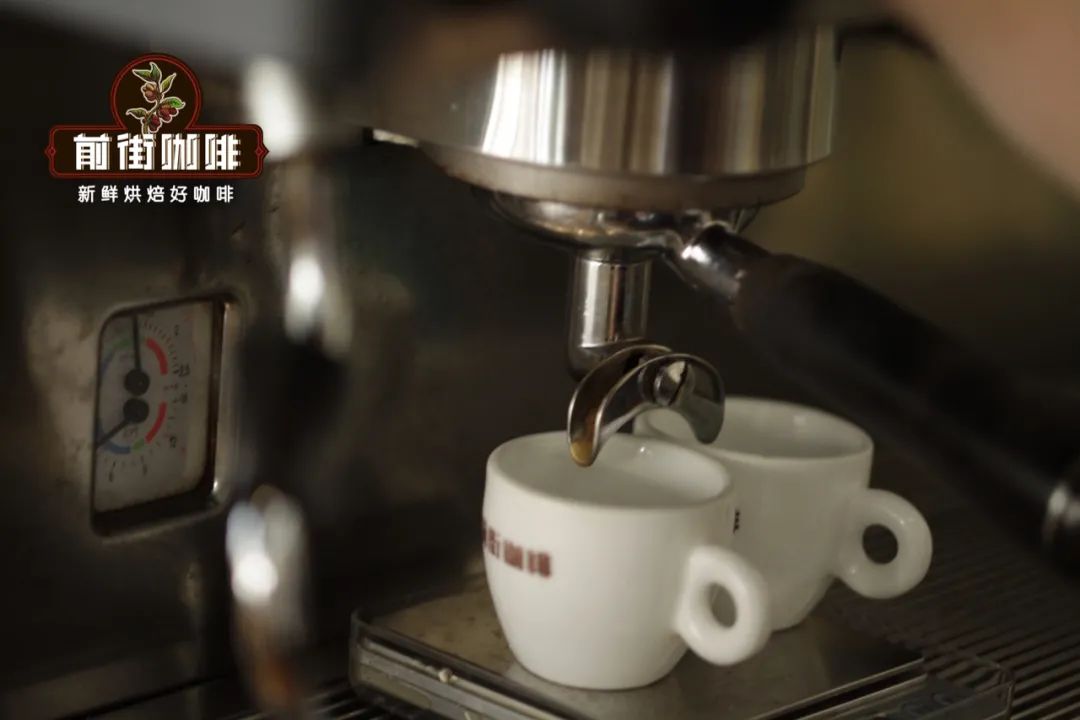
When making espresso, the coffee in the portafilter's basket is extracted under 9 bar of pressure. Solubles dissolve rapidly under that pressure, so espresso extraction is very short: pour-over typically takes 2 to 3 minutes on average, while espresso completes extraction mostly between 20 and 30 seconds. This is why we classify espresso as "pressurized extraction."
Espresso machines generate pressure mainly with pumps, in two main types: vibratory pumps and rotary pumps. Vibratory pumps produce pressure through the high-speed repeated vibration of a piston-like structure. Their drawbacks are loud noise, shorter lifespan, and pressure that builds gradually - meaning they cannot hold a stable 9 bar throughout the entire extraction.
Rotary pumps, by contrast, generate pressure through the high-speed rotation of metal vanes. With no reciprocating motion, they run quieter, last longer, and deliver full pressure in one step. That is why commercial machines generally use rotary pumps, which offer better stability for continuous cup after cup.
The Product of Pressure - Crema
Thanks to pressure, espresso also wears that attractive layer of crema. During extraction, hot water passes through the coffee puck; under the intense pressure, the carbon dioxide in the grounds becomes supersaturated in the water and cannot escape, integrating directly into the coffee liquid. The high-pressure environment also forces the coffee's oils out of the puck, where the hot water carries them along.
When extraction ends and the coffee flows out of the machine, ambient pressure returns to normal. The carbon dioxide still dissolved in the liquid now wants to escape back into the air - but on the way it meets the coffee's oils, which envelop the CO2 bubbles and float on the surface. That is how the layer of crema is born.
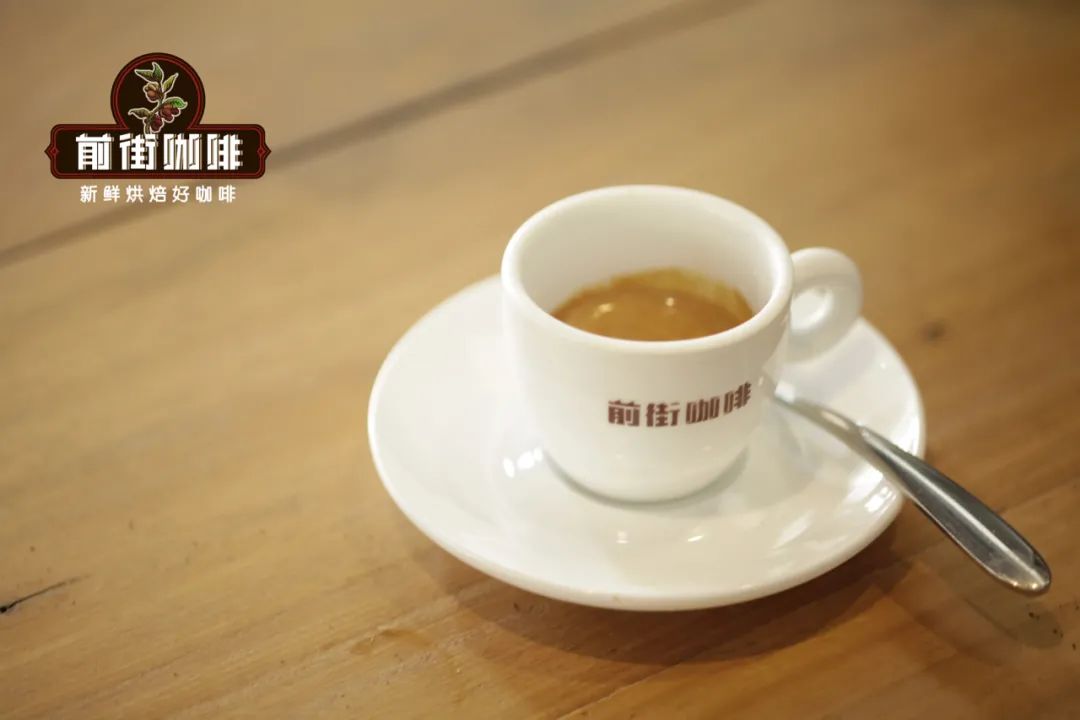
Espresso crema is influenced mainly by three factors: bean freshness, roast degree, and extraction degree. The fresher the beans, the more carbon dioxide they hold and the richer the crema; the darker the roast, the richer the crema as well.
Beyond these, crema is also affected by the machine's pressure. Crema production depends on that high-pressure environment - insufficient pressure extracts fewer oils from the beans, and naturally produces less crema.
For more specialty coffee bean information, stay tuned to FrontStreet Coffee.
FrontStreet Coffee Recommendation
Espresso rewards dense, low-acid, body-driven beans. FrontStreet's PWN Golden Mandheling from Indonesia is a superb match: after medium-dark roasting, the beans - sorted three times by hand and once by machine for exceptional cleanliness - release rich spice, caramel, cedar, and dark chocolate aromas with a thick, velvety crema. For a more classic cup, FrontStreet's Jamaica Blue Mountain No. 1 balances acidity, sweetness, bitterness, and aroma to near perfection, showing cream, caramel, chocolate, nuts, honey, and a light fruitiness with a clean, long finish - the bean many professionals call "the specialty coffee almost everyone can love."
Looking for value with the same balance? FrontStreet's Brazil Fazenda Rainha Yellow Bourbon from Mogiana offers low acidity, dense nut and cocoa aromas, and outstanding crema at a friendly price, while the 2013 Yunnan sun-dried Typica adds clean citrus-caramel character with nuts, chocolate, and dark brown sugar - a beautiful, balanced shot for everyday espresso.
Important Notice :
FrontStreet Coffee is a long-established specialty coffee roaster in Guangzhou China, selling freshly roasted beans from its own farm in Yunnan as well as dozens of carefully selected single-origin beans from around the world for both pour-over and espresso. The products deliver consistently excellent quality and great value, with shipping within 24 hours. Guangzhou's FrontStreet Coffee shop is recommended by many coffee lovers, and the beans are now available online at the Tmall 。
FrontStreet Coffee has moved to a new address:
FrontStreet Coffee Address: 315,Donghua East Road,GuangZhou
Tel:020 38364473
 Scan and follow the En Gafei WeChat official account. Please indicate that the reprint comes from "En Gafei".