Comparing Flavor Profiles and Characteristics: Panama Red Label Geisha Coffee Beans vs Ethiopian Geisha Village Red Label Coffee Grades
 When it comes to the most coveted coffee beans in the specialty market, Geisha coffee undoubtedly sits at the top. The Geisha variety originates from Ethiopia, the birthplace of coffee, but it was Panama's Hacienda La Esmeralda that truly brought it to worldwide prominence. As the specialty coffee market has grown, however, Ethiopian producing regions have also established estates dedicated to growing the Geisha variety. In this article, FrontStreet Coffee introduces the regional flavor characteristics of Geisha coffee.
Origin of the Geisha Coffee Variety
The Geisha variety was discovered in 1931 in the Geisha forest of Ethiopia. It was later sent to the Coffee Research Institute in Kenya, introduced to Uganda and Tanzania in 1936, brought to Costa Rica in 1953, and finally arrived in Panama in 1970.
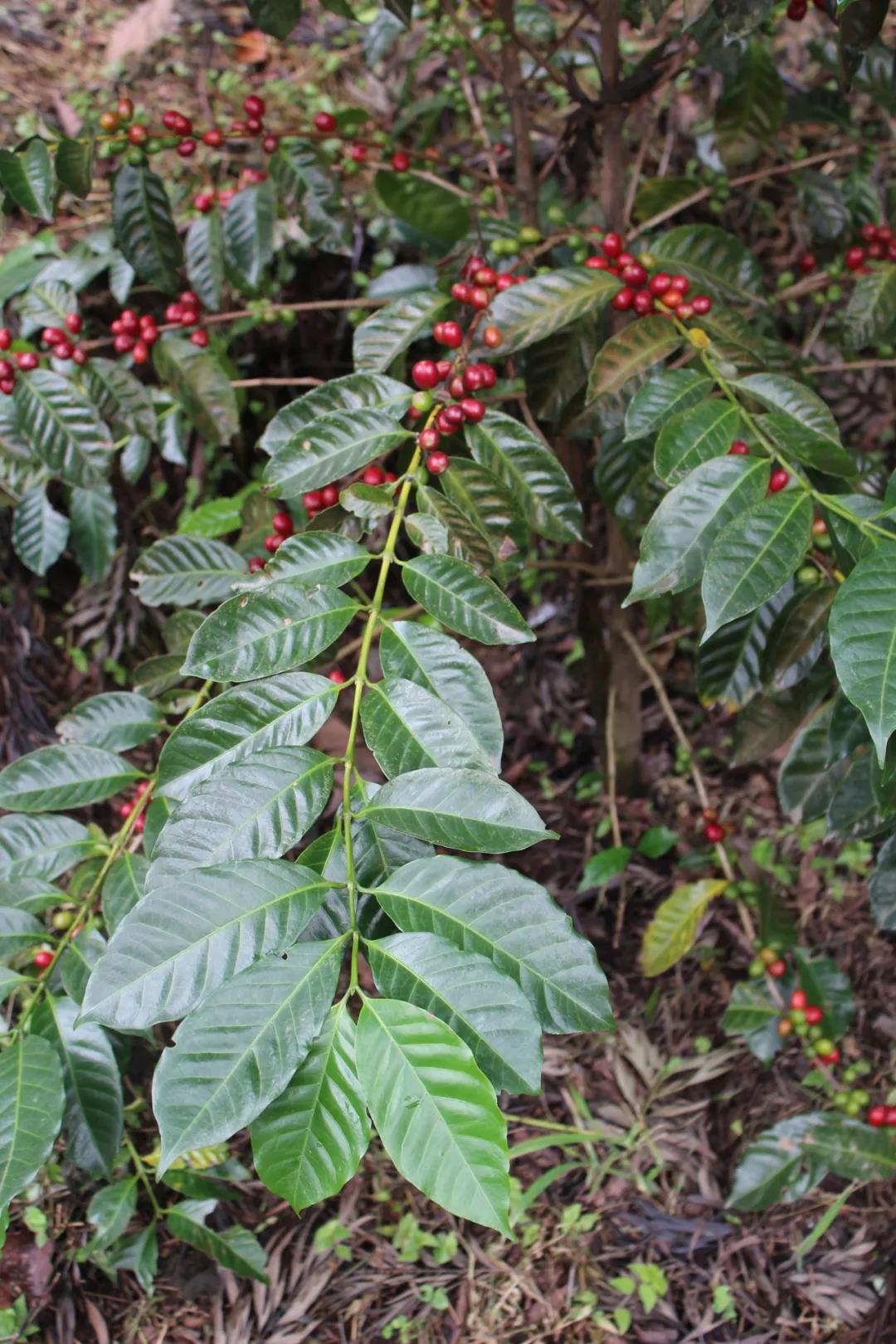 As FrontStreet Coffee understands it, Geisha attracted little attention during those decades: Geisha trees yield very poorly, are difficult to cultivate, and offer poor economic returns, so nobody paid them much mind. Later, the owner of Hacienda La Esmeralda and his son discovered that Geisha beans had unique flavors quite unlike the coffees native to Panama. In 2003 they began cultivating the Geisha variety separately, and in 2004 they entered Geisha beans in the Best of Panama (BOP) competition — and won first place. Geisha became famous overnight, landing on the radar of coffee lovers worldwide and triggering a wave of Geisha planting across Panama.
Panama Hacienda La Esmeralda Geisha Coffee
When discussing Geisha, FrontStreet Coffee must mention Hacienda La Esmeralda — the great patron that made Geisha famous. As noted above, the estate's owners devoted most of their efforts to building the infrastructure needed for strict separation of outstanding batches and meticulous processing. They grade Geisha by planting location, which is why we now see Red Label, Green Label, and Blue Label Geisha at FrontStreet Coffee.

Grading Standards for Hacienda La Esmeralda's Red, Green, and Blue Labels
As mentioned, Hacienda La Esmeralda divides all of its coffee with great precision, and its marketing strategy differs from other estates. It classifies its coffee into five major brands based on cupping scores, varieties grown, and planting locations. Three of these brands are Geisha: Esmeralda Special (Red Label), Private Collection (Green Label), and Geisha 1500 (Blue Label).

Hacienda La Esmeralda Red Label Geisha
Esmeralda Special is what we commonly call Red Label. It selects Geisha beans from two sub-estates, Jaramillo and Cañas Verdes, requiring cultivation at altitudes between 1600-1800 meters and cupping scores above 90 points.
In addition, the beans must be entered into Hacienda La Esmeralda's independent auction. Only Geisha batches from designated plots submitted to the auction become auction Red Label. There are also non-auction Red Labels on the market today — Geisha beans selected from the same plots but not submitted for auction, then circulated commercially. The variety and quality are identical; only the pricing differs.

FrontStreet Coffee: Panama Hacienda La Esmeralda Red Label Geisha Coffee Beans
Country: Panama
Region: Boquet (Hacienda La Esmeralda)
Altitude: 1700 m
Variety: Geisha
Processing: Natural Processing
Flavor: Citrus, Complex Fruits, Rose Tea, Honey
Hacienda La Esmeralda Green Label Geisha
 Private Collection — commonly known as Green Label — differs from Red Label Geisha in that it does not come from independent competition batches, yet it still represents excellent quality Geisha. Green Label Geisha selects micro-batch mixed beans grown at altitudes of 1600-1800 meters across three different Hacienda La Esmeralda estates.
Because the beans are blended without detailed plot specifications, Green Label Geisha sometimes shows flavor profiles remarkably similar to Red Label. Although it doesn't reach Red Label's premium tier, it retains the classic Geisha signatures — floral notes, fruit aromas, citrus acidity, and a thick, juicy mouthfeel. FrontStreet Coffee therefore considers Green Label the best value among the three labels.

FrontStreet Coffee: Panama Hacienda La Esmeralda Green Label Geisha Coffee Beans
Country: Panama
Region: Boquet (Hacienda La Esmeralda)
Altitude: 1700 m
Variety: Geisha
Processing: Natural Processing
Flavor: Jasmine, Citrus, Honeydew, Berries
Hacienda La Esmeralda Geisha 1500
The Geisha 1500 brand is what we commonly know as Blue Label. This grade also consists of mixed Geisha beans from three different plots, but uses beans grown at 1400-1500 meters. Blue Label Geisha typically shows light floral notes, fruit acidity, and the refreshing sweetness of melons and fruits, with a less full body — making it the most affordable of the three labels, yet the beans still display excellent Geisha character.
As Hacienda La Esmeralda sought to elevate its brand positioning, it officially discontinued the Blue Label Geisha batches between 2019-2022 and sold the coffee from this region to a brand company, which launched "Las Rocas" — Volcanic Rock Geisha, the Blue Label we know today.

FrontStreet Coffee: Panama Hacienda La Esmeralda Washed Blue Label Geisha Coffee Beans
Country: Panama
Region: Boquet (Hacienda La Esmeralda)
Altitude: 1400-1500 m
Variety: Geisha
Processing: Washed Processing
Flavor: Lemon, Oolong Tea, Cane Sugar, Peach
The above is FrontStreet Coffee's compilation of the grading standards for Hacienda La Esmeralda's three Geisha labels. But as any Geisha enthusiast knows, besides Panama, many other regions now grow Geisha as well — and shaped by their growing environments, they express "Geisha flavors" quite different from La Esmeralda's. For example, Gesha Village Coffee Estate in Ethiopia has become increasingly popular in Geisha circles. Next, FrontStreet Coffee introduces the most famous Ethiopian estate currently growing Geisha.
Gesha Village Coffee Estate Geisha Coffee
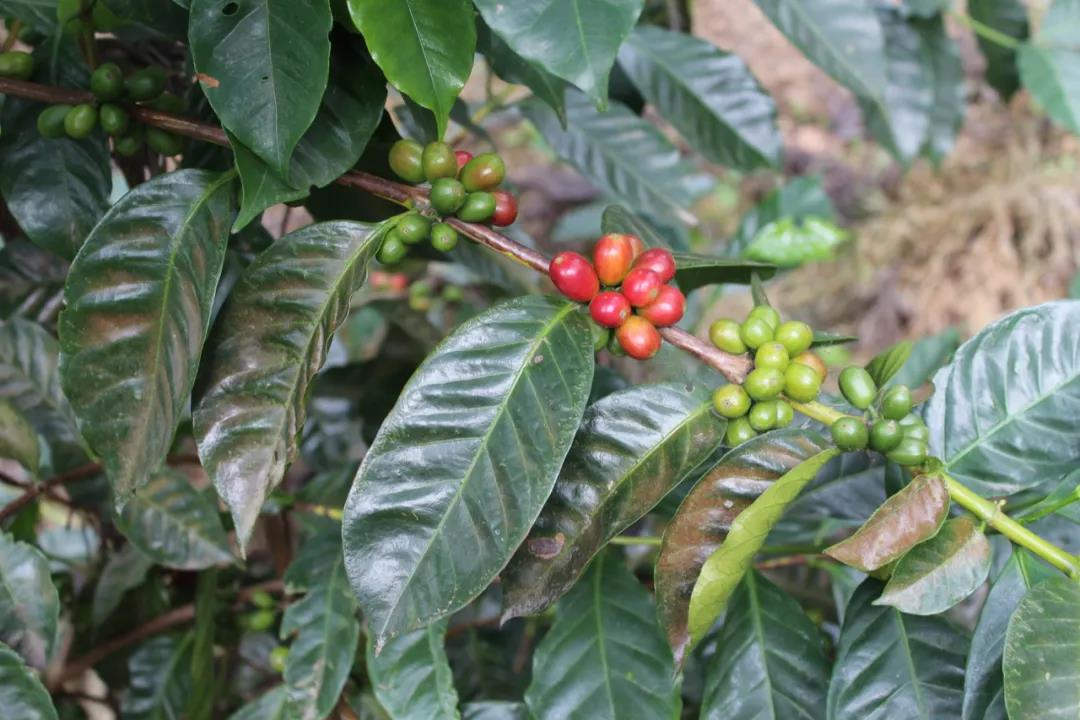
According to FrontStreet Coffee's understanding, the estate owners' cultivation of Geisha began by chance. In 2007, documentary director Adam Overton and his photographer wife Rachel Samuel, while filming a documentary about Ethiopian coffee for the Ethiopian government, encountered the Gera coffee forest in the Bench-Maji region. In the process, they not only rediscovered this great land but also developed the idea of founding their own coffee estate and brand.
In 2009, they had the good fortune to meet Willem Boot, the renowned estate owner and BOP judge. Willem Boot's idea of "returning to Ethiopia to find Geisha's birthplace" gave the couple their opening. In 2011, they returned to Bench-Maji, where several areas near what would become Gesha Village held the best promise of finding native Geisha varieties.

Adam followed Willem Boot on expeditions into the surrounding forests, discovering multiple wild coffee species in a jungle known as the Gori Geisha Forest. The most thrilling discovery among them was the native Geisha variety. They collected seeds from the native Geisha trees, screened them, and planted them at Gesha Village, deciding to establish the estate there — Gesha Village Coffee Estate.
Gesha Village Coffee Estate is located in western Ethiopia, in the Bench Maji region, surrounded by dense jungle. The site is beautifully scenic with a pleasant climate, and from higher elevations you can look out over ancient, vast forests. Adam and Rachel spent three years searching for the right site before locals guided them to Geisha's native homeland forest — a two-day drive from the capital, Addis Ababa.

Gesha Village Estate covers approximately 471 hectares, with about 320 hectares dedicated to coffee, on brown-red loamy soil. Planting density is maintained at 7,000 coffee trees per hectare. One plot is named Oma, in honor of a respected and beloved religious leader. Gesha Village beans are packed with complex flavors and are very rare, often chosen by international competition baristas. Thanks to the local ecological stewardship and good relations with residents, the Gesha Village Foundation was established to give back to the community, promoting education through two schools near the estate.
Gesha Village Coffee Bean Varieties
According to FrontStreet Coffee, in just over a decade the estate has cultivated three Geisha-variety coffees: Gesha 1931 and Gori Gesha, named after the expedition teams that discovered the trees, and Illubabor, provided by the Ethiopian Coffee Research Center.

Gesha 1931 has been researched as the variety closest to Panama Geisha, confirmed through observation of plant morphology, bean shape, size, and cupping results. The Gori Gesha native variety was collected by the estate owners in 2011 during their own expedition into the Gori Geisha wild coffee forest about 20 kilometers from the current estate, with no duplicate samples found anywhere else.
Gesha Village Geisha Coffee Grading System
Willem Boot also brought Panama's business model to Gesha Village, creating the estate's current Geisha grading system — including the Gesha Village Auction, Gold Label, Red Label, Green Label, and Chaka Geisha beans found on FrontStreet Coffee's menu.
These grading standards differ significantly from Hacienda La Esmeralda's. FrontStreet Coffee currently carries Gesha Village Gold Label, Red Label, and Chaka batches, and briefly explains the standards for each below.
Auction Batches: Accounting for only 3.7% of Gesha Village's annual production, these are the estate's top-tier batches, selected through rigorous screening and available only through the 2018 Gesha Village global auction. The 2018 auction lots scored between 88.15-92.67 points and were further divided into Champion's Reserve and Farm Reserve. For example, Gesha Village 2018 Auction Lot RSV.6 belongs to the auction batches.

Gold Label Batches: Gold Label accounts for only 10% of annual production, virtually on par with the auction lots. These batches are typically chosen by competition participants worldwide — at the 2018 WBC World Championship held in the Netherlands, both the Australian and Japanese champions selected Gold Label batches for competition. Roasters with exacting standards also purchase them; each batch offers complete traceability and outstanding, complex flavors, making Gold Label the estate's second-best grade after the auction lots. FrontStreet Coffee's current Gold Label comes from the Oma 059 batch.

FrontStreet Coffee: Ethiopia Gesha Village Coffee Estate Gold Label Geisha Coffee Beans
Region: Ethiopia Bench-Maji Region
Estate: Gesha Village Coffee Estate Oma Plot
Altitude: 1900-2040 meters
Variety: Gesha 1931
Processing: Natural Processing
Flavor: Citrus, Lemon, Tropical Fruits, Cream, Nuts, Tea Sensation SCA

Red Label Batches: This grade accounts for 15% of Gesha Village's total production and offers complete traceability. Cupping scores must meet the 88-point standard under the SCA system, with typical Gesha Village flavors. Flavor intensity and complexity are slightly softer than Gold Label, making Red Label a single-origin batch with excellent value.
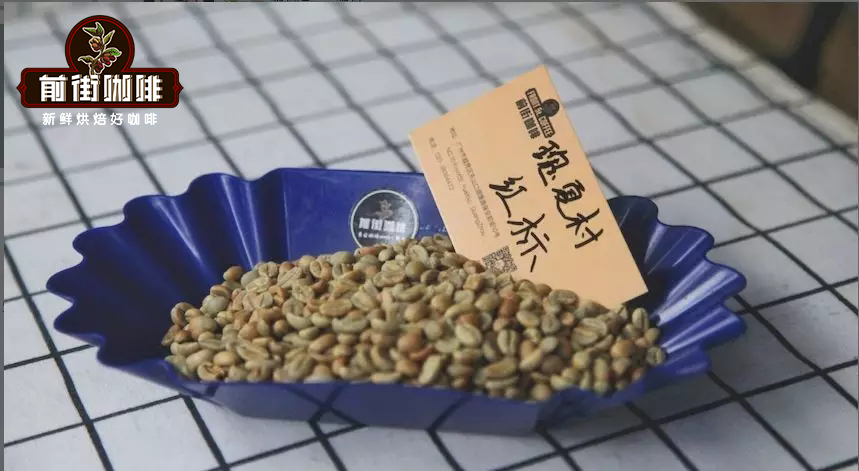
FrontStreet Coffee: Ethiopia Gesha Village Coffee Estate Red Label Geisha Coffee Beans
Region: Ethiopia Bench-Maji Region
Estate: Gesha Village Coffee Estate
Altitude: 1909-2069 meters
Variety: Gori Gesha
Processing: Natural Processing
Flavor: Coconut, Licorice, Cream, Chocolate, Toffee, Citrus, Almond, Strawberry

Green Label Batches: Officially named SINGLE-TERROIR, these beans come from single farms within Gesha Village. Every batch number in the Single-Terroir series carries complete traceability information, including farm name, coffee variety, and processing date. FrontStreet Coffee has not yet stocked Green Label Gesha batches but will have them available soon. Basic information on the Green Label beans follows.
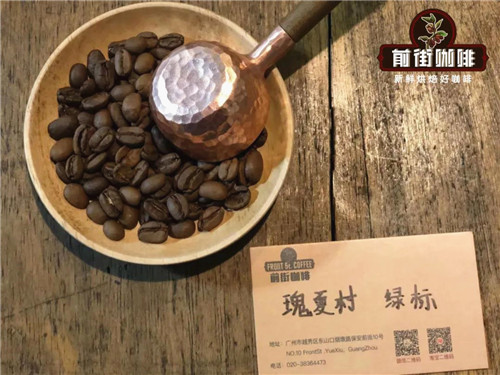
FrontStreet Coffee: Ethiopia Gesha Village Coffee Estate Green Label Geisha Coffee Beans
Region: Ethiopia Bench-Maji Region
Estate: Gesha Village Coffee Estate
Altitude: 1911-2001 meters
Variety: Gori Gesha
Processing: Natural Processing
Flavor: Citrus, Cherry, Berries, Honey, Fermented Sensation

Chaka Batches: This is a Geisha blend produced by Gesha Village, combining three varieties: Gori Gesha, Gesha 1931, and Illubabor (an Ethiopian native disease-resistant variety).

FrontStreet Coffee: Ethiopia Gesha Village Coffee Estate Chaka Geisha Coffee Beans
Region: Ethiopia Bench-Maji Region
Estate: Gesha Village Coffee Estate
Altitude: 1909-2069 meters
Variety: Gesha 1931, Gori Gesha, Illubabor
Processing: Natural Processing
Flavor: Citrus, Grapefruit, Cream, Chocolate Caramel
The above is FrontStreet Coffee's compilation of Geisha-variety beans and their regional flavor characteristics. We hope it helps coffee lovers better understand Geisha and choose the beans that best suit their personal taste.
FrontStreet Coffee Recommendation
Geisha is beloved for its unmistakable florals and exquisite sweet-tart character, but low yields, weak disease resistance, and demanding cultivation keep prices high — so it pays to know the tiers before buying. Panama is where Geisha made its name: in 2003 Hacienda La Esmeralda's beans stunned the judges at the Best of Panama competition, averaging 94.6 points and breaking the competition's historical record. FrontStreet's Esmeralda Red Label (Esmeralda Special) grows at 1600-1800 meters with every batch cupping above 90 points, each from a single plot with its own lot number — FrontStreet's Red Label comes from the Jaramillo plot — while the Green Label (Private Collection) blends batches from multiple high-altitude plots to express the estate's signature style at a friendlier price, making it the best value of the labels. For a first taste of classic Panamanian Geisha, the entry-level FrontStreet Boquet Geisha offers the iconic orange-blossom honey sweetness, oolong-tea texture, and delicate fruit acidity at an accessible price.
Ethiopia, Geisha's birthplace, offers its own take. Gesha Village — founded by a couple on land 12 miles from the Gesha forest — applies a grading system even stricter than Panama's, growing three varieties (Gori Gesha, Gesha 1931, and Illubabor) across Gold Label RARITIES (Gesha 1931, 10% of production, refined natural processing, complex and rich), Red Label GROWERS RESERVE (Gori Gesha, 15% of production, SCA 88+ single-terroir lots with full traceability), Green Label SINGLE-TERROIR, and Chaka blend batches. For newcomers, the entry-level FrontStreet Genlana Estate Gesha — from a processing station established in 2014 and run by Mr. Israel Degefa amid 700 hectares of mostly uncultivated, shade-covered land, with hand-picked ripe cherries dried 14-20 days on raised beds — is roasted medium-light to show bright citrus acidity, elegant ginger-flower aroma, and full mature-fruit sweetness. Geisha is a light-to-medium roast with a hard, dense bean that easily clogs the dripper, so FrontStreet suggests a coarser grind (78% pass-through on a #20 sieve, about fine granulated sugar), 91°C water, 15g of coffee on a small Hario V60 at a 1:16 ratio, and a three-stage pour: 30g bloom for 30 seconds, then to 125g, then to 225g once the bed drains halfway, for a total extraction of about 2'10"-2'20". Geisha also makes a memorable SOE: the medium-roast Genlana Estate Gesha SOE extracts with apricot, caramel, and nut notes — try 20g of grounds at a 1:2 ratio over 25 seconds for 40g of espresso, dilute 1:5 with 200g of hot water for an Americano with orange, nut, and blueberry flavors, or add 200g of milk for a latte with a creamy-cookie smoothness.
Important Notice :
FrontStreet Coffee is a long-established specialty coffee roaster in Guangzhou China, selling freshly roasted beans from its own farm in Yunnan as well as dozens of carefully selected single-origin beans from around the world for both pour-over and espresso. The products deliver consistently excellent quality and great value, with shipping within 24 hours. Guangzhou's FrontStreet Coffee shop is recommended by many coffee lovers, and the beans are now available online at the Tmall 。
FrontStreet Coffee has moved to a new address:
FrontStreet Coffee Address: 315,Donghua East Road,GuangZhou
Tel:020 38364473
 Scan and follow the En Gafei WeChat official account. Please indicate that the reprint comes from "En Gafei".