Coffee Flavor Profile of Burundi (Heart of Africa) and Introduction to Double Washing Coffee Processing Method
The Development of Burundi Coffee
Coffee first arrived in Burundi in the 1920s, when Belgian colonizers brought coffee trees into the country and laid the groundwork for a commercial coffee industry. To keep the young sector on stable footing, the colonial authorities issued regulations obliging every farmer to tend at least 50 coffee trees. When Burundi declared independence in 1962, coffee growing and production passed formally into private hands.
Burundi: The Heart of Africa
Burundi sits in the steep, broken terrain of the East African Rift Valley. More than 800,000 Burundian families make their living from coffee, most of them working small garden plots where coffee is intercropped with other crops and every task is done by hand, without machinery. The trees grow at high altitudes of 1,400 to 1,700 meters. Bourbon and its variants dominate, and both washed and semi-washed methods are used. In the past, most of the crop was shipped to Belgium, Germany, the Netherlands, Japan, Australia, and the United States.
Burundi's coffee comes mainly from five producing regions, the best known being Kayanza, Ngozi, Mumirwa, Buyenzi, and Kirimiro. The country's production model resembles Ethiopia's: smallholders deliver their ripe cherries to central processing stations, where they are handled together.
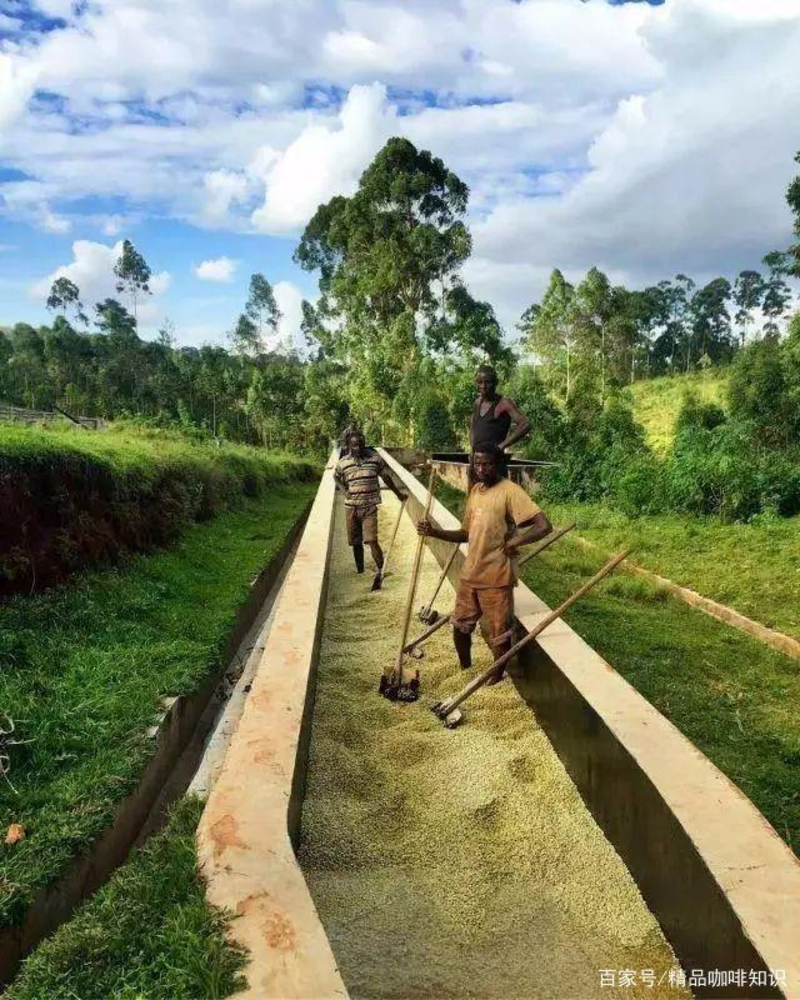
In double-washed processing, the skin and pulp are removed from the cherries, the beans are soaked and rinsed in water tanks, and then spread on racks to dry in the sun. The result is coffee that is almost entirely free of defects, with uniform size and moisture content, and a remarkably clean, bright cup. Flavor characteristics: a wild character with strong lingering flavors and aromas, citrus acidity and tea notes, light acidity, a rich texture, plum, kumquat, lemon, dried fruits, caramel, a smooth mouthfeel, saturated aromas, and a rich, persistent finish.

Coffee Varieties
The principal variety is Bourbon, grown at altitudes of 1,400 to 1,700 meters. The high elevation yields brighter acidity and lemon notes, together with passion fruit, pineapple, floral notes, and honey, with quality reaching SCA scores above 86 points.
Coffee harvested by smallholders goes through traditional washed processing. After the cherry skin is removed, the beans are soaked and rinsed in water tanks, then placed on racks to dry in the sun.
Like other East African countries, Burundi has a signature method of its own: double washing, also called double fermentation. Coffee processed this way shows an extremely clean, bright flavor profile.
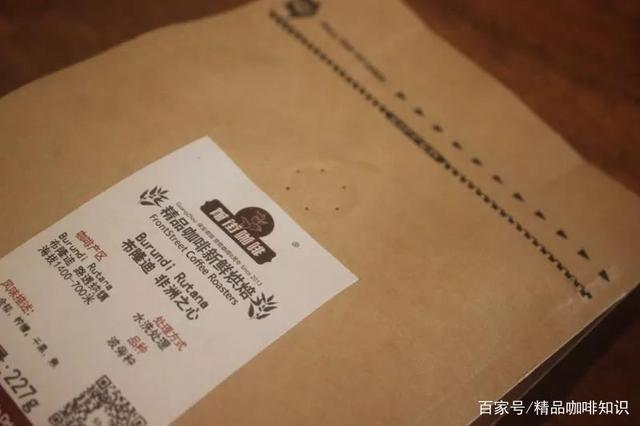
FrontStreet Coffee's Burundi Heart of Africa Flavor Profile
Brewing Parameters
Brewing Process
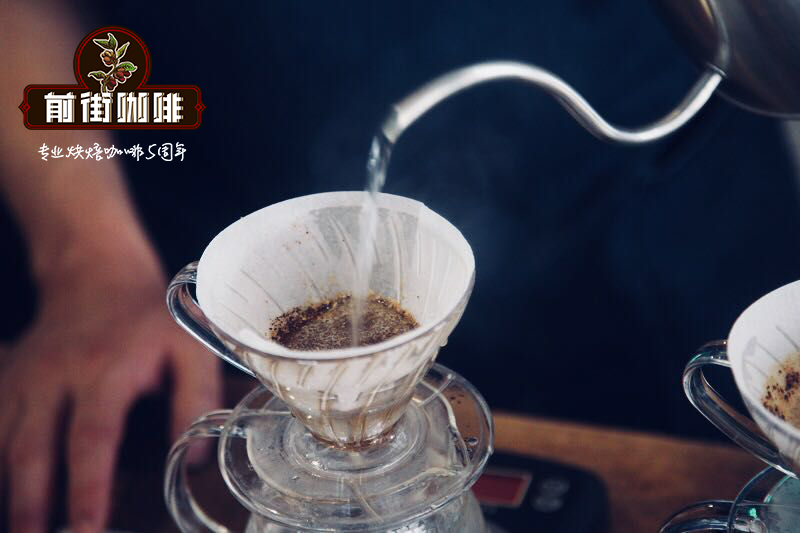
1. First pour 30 grams of water and let the bed bloom for 30 seconds.
2. After blooming, pour a second 95 grams of water, bringing the scale to 125 grams.
3. When the water level has dropped halfway, pour a third 100 grams of water just before the coffee bed is exposed, bringing the scale to 225 grams. Once the pour is finished, let the coffee drain completely.
Total extraction time is 1 minute and 56 seconds.
Flavor Description
Aromas of citrus and tea. Black plum and citrus on the entry, a rich mouthfeel, then nutty and caramel sweetness through the middle and finish. A wild character with strong lingering flavors and aromas in the mouth, and a rich, persistent finish.

FrontStreet Coffee Recommendation
If Burundi's clean, tea-like East African profile appeals to you, Ethiopia is the natural next step. FrontStreet Coffee's washed Yirgacheffe is an ideal entry point: look for clear jasmine aromatics, bright citrus acidity, a light and elegant body, and a tea-like finish that drinks like a clean glass of lemon tea.
For the same clarity with a fruitier lift, FrontStreet Coffee's naturally processed Red Cherry coffee from Yirgacheffe shows notes of peach, cocoa, honey, and lemon. If you prefer a more delicate, forest-grown expression, FrontStreet Coffee's Kaffa Forest coffee is grown in shade between 1,400 and 2,100 meters and, at a medium-light roast, delivers white florals, bright lemon acidity, sweet orange, bergamot, and a green-tea-like mouthfeel.
Important Notice :
FrontStreet Coffee is a long-established specialty coffee roaster in Guangzhou China, selling freshly roasted beans from its own farm in Yunnan as well as dozens of carefully selected single-origin beans from around the world for both pour-over and espresso. The products deliver consistently excellent quality and great value, with shipping within 24 hours. Guangzhou's FrontStreet Coffee shop is recommended by many coffee lovers, and the beans are now available online at the Tmall 。
FrontStreet Coffee has moved to a new address:
FrontStreet Coffee Address: 315,Donghua East Road,GuangZhou
Tel:020 38364473
 Scan and follow the En Gafei WeChat official account. Please indicate that the reprint comes from "En Gafei".