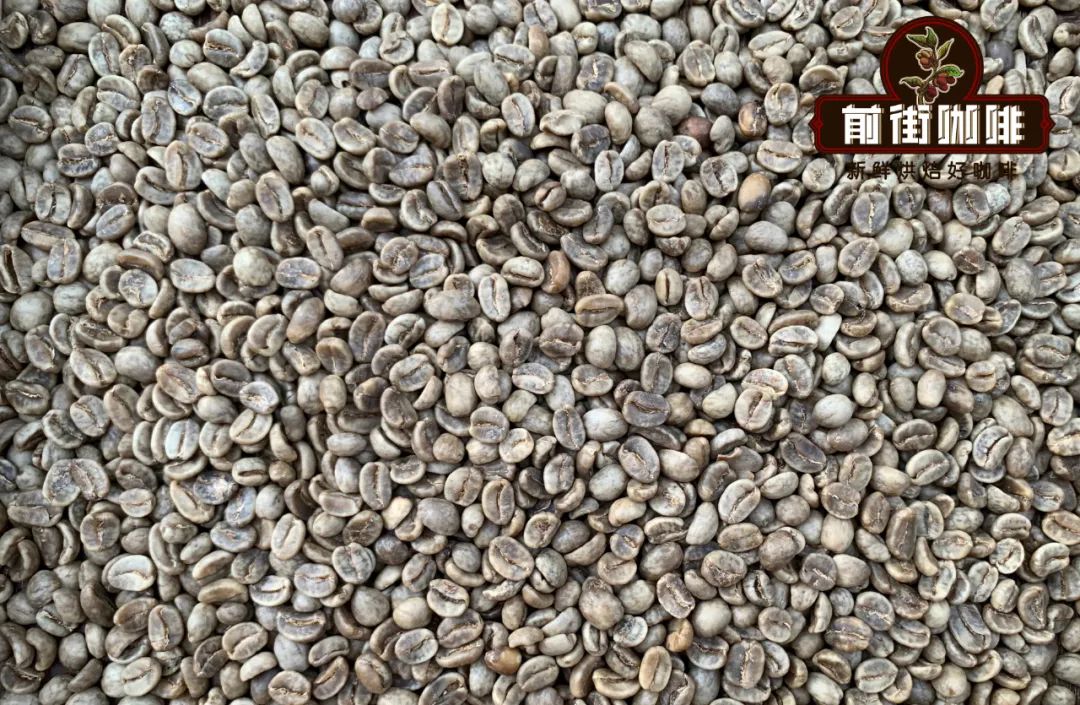
Introduction to Yirgacheffe Alamo Cooperative: What are the Flavor Characteristics of Yirgacheffe Coffee?

Ethiopia: The Birthplace of Arabica Coffee
Ethiopia, an ancient nation on the African continent, is the homeland of Arabica coffee. It is in the forests of Ethiopia's Kaffa region that you can find wild Arabica coffee. Coffee is equivalent to national currency in Ethiopia, where almost all wealthy families built their fortunes through the coffee trade in previous generations.
In the Ethiopian language, coffee is called "Bun" or "Buna."
Ethiopian Coffee Characteristics
Ethiopian coffee has many distinctive features, among which Yirgacheffe is renowned worldwide. However, Yirgacheffe comes in many varieties, with various processing methods and specialty grades leading to different quality levels and prices. When these reach the consumer market, quality can be a mixed bag.
FrontStreet Coffee: Alamo Cooperative Washed Yirgacheffe G1 (FTO)
Grower: Alamo Cooperative
Variety: Indigenous heirloom cultivars
Region: Yirgacheffe Town, Gedeo
Harvest Season: October to December
Altitude: 1800 to 2000 meters
Soil: Regosol
Processing: Fully washed and raised-bed drying
Certification: Fair Trade Organic
Flavor Notes: Rich jasmine and lavender aromas, grapefruit citrus candy sweetness, clean and bright
The Alamo Cooperative was established in 1975 with 2,254 members and joined the YCFCU in 2002.
The Yirgacheffe Coffee Farmers Cooperative Union, abbreviated as YCFCU, was established in 2002. This organization has 26 primary cooperatives, including well-known ones like Konga and Worka, which are all under the YCFCU.
The Alamo Cooperative receives annual precipitation of 1400-1800mm and has fertile red-brown soil. It has obtained both Fair Trade and Organic certifications. The cooperative operates two coffee processing plants. In processing, after depulping the coffee cherries, they undergo traditional Ethiopian water fermentation for approximately 72 hours, followed by another washing before being placed on raised beds for sun drying. After drying is complete, the beans undergo manual sorting. The processed coffee beans are stored in parchment form and sent to the capital, Addis Ababa, where they are hulled before export.
FrontStreet Coffee Recommendation
If you are new to Ethiopian coffee, start with FrontStreet Coffee's classic washed Yirgacheffe. Grown at 1800 meters and above in southern Ethiopia - among the highest coffee elevations in the world - it is known for white jasmine florals, bright citrus and lemon acidity, and a tea-like finish, all at an approachable price that has made it many drinkers' first specialty bean. Yirgacheffe was officially separated from Sidamo as its own appellation in 2010, a testament to just how famous the name had become.
To brew it well, FrontStreet Coffee suggests a V60, 15 g of coffee at a medium-fine grind (80% pass through a #20 sieve), water at 90-91 degrees C, and a 1:15 ratio: pour 30 g for a 30-second bloom, pour to 125 g within about a minute, then finish to 225 g by about 1:35, with drawdown ending between 2:00 and 2:10. If you prefer fruitier aromatics, the FrontStreet Red Cherry natural lot - dried as whole ripe cherries for three to five weeks, turned every 2-3 hours at first - adds berry juiciness, honeyed sweetness, and creamy smoothness to that classic Yirgacheffe citrus character.
Important Notice :
FrontStreet Coffee is a long-established specialty coffee roaster in Guangzhou China, selling freshly roasted beans from its own farm in Yunnan as well as dozens of carefully selected single-origin beans from around the world for both pour-over and espresso. The products deliver consistently excellent quality and great value, with shipping within 24 hours. Guangzhou's FrontStreet Coffee shop is recommended by many coffee lovers, and the beans are now available online at the Tmall 。
FrontStreet Coffee has moved to a new address:
FrontStreet Coffee Address: 315,Donghua East Road,GuangZhou
Tel:020 38364473
 Scan and follow the En Gafei WeChat official account. Please indicate that the reprint comes from "En Gafei".