【FrontStreet Coffee Bean Sourcing Journal】How to Distinguish Between Hacienda La Esmeralda's "Red Label", "Green Label", and "Blue Label"
[FrontStreet Coffee's Bean Sourcing Notes] How to Distinguish Between "Red Label," "Green Label," and "Blue Label" from La Esmeralda?
Recently, FrontStreet Coffee has acquired quite a lot of Geisha. A couple of days ago, our editor compared the differences between Geisha Village's Gold Label, Red Label, and CHAKA. This time, let's follow along and distinguish between La Esmeralda's Red Label, Green Label, and Blue Label!
Panama La Esmeralda
After participating in the 2004 Panama coffee cupping competition and becoming an overnight sensation, Hacienda La Esmeralda went on to win the Panama cupping championship for multiple consecutive years.
In 1964, Swedish-American financier Rudolph A. Peterson retired, moved to Panama, and purchased Hacienda La Esmeralda in Boquete, focusing primarily on dairy operations. Having previously served as President of Bank of America, he was a prominent figure in the financial world of his time. Rudolph bought the estate mainly for vacations and eventual retirement, likely never anticipating that it would become world-famous - even representative of Panama's premium coffee estates.
In 1973, his son Price Peterson earned a PhD in neurochemistry in the United States but returned to Boquete to help his father manage the farm. After taking over, Price segmented the market into three major brands for sale based on altitude, microclimate, cupping performance, and cultivated varieties (Esmeralda Special, Diamond Mountain, Palmyra). In 2012, Geisha was added as the fourth brand.
La Esmeralda Estate includes 4 farms: Cañas Verdes, El Velo, Jaramillo, and Palmira. All coffee beans are sent to these 4 farms for post-harvest processing. The first farm purchased by the Peterson family was Palmira.
La Esmeralda "Red Label," "Green Label," "Blue Label"
After years of experimentation, La Esmeralda discovered that only Geisha harvested from trees growing above 1,400 meters can showcase the variety's distinctive flavors. Grading is therefore based primarily on planting altitude, supplemented by actual cupping results, dividing the Geisha into Red, Green, and Blue Label grades.
Red Label [Auction Lot]
⇒ Planting altitude: 1,600-1,800 meters
⇒ Cupping score: 90 points or above
⇒ Mainly produced from the Jaramillo and Cañas Verdes farms; also the highest-quality Geisha
⇒ Harvested from the highest elevations of the Boquete mountains, with special, bright floral aromas and citrus fragrance
⇒ At this grade, coffee is processed into natural or washed green beans, with a yeast process added in 2018
⇒ Available only through the annual global auction
Roasting Curve
(Roast batch: 300 grams)
Charge temperature 170°C, yellowing point at 4'40", first crack begins at 8'12" at 182°C, development after first crack for 1'30" before dropping at 189°C.
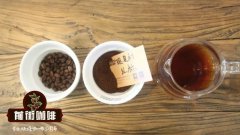
Agtron bean color value 73.5 (left image), Agtron ground color value 89.4 (right image); Roast Delta value is 15.9.
Green Label [Reserve Lot]
⇒ Planting altitude: 1,600-1,800 meters
⇒ Micro-lot beans from three different farms: Jaramillo, Quiel, and Cañas Verdes
⇒ Although not the top auction grade, this Geisha still carries the classic flavors: floral, fruity, citrus acidity, and a thick, juicy mouthfeel
⇒ Carefully selected, perfectly ripe cherries create rich sweetness, bright fruit acidity, and delicious flavors
⇒ This grade is also available as washed or natural processed green beans
Roasting Curve
(Roast batch: 300 grams)
Charge temperature 170°C, yellowing point at 4'35", first crack begins at 8'00" at 181°C, development after first crack for 1'30" before dropping at 193.5°C.
Agtron bean color value 69.3 (left image), Agtron ground color value 84.6 (right image); Roast Delta value is 15.3.
Blue Label [Select Lot]
⇒ Planting altitude: 1,500 meters
⇒ Blended beans from three different farms: Jaramillo, Cañas Verdes, and El Velo
⇒ Gentle floral aroma, fruit acidity, and sweetness; the mouthfeel is less full-bodied than the Red Label - clean and refreshing
⇒ This grade is available only as washed green beans
Roasting Curve
(Roast batch: 300 grams)
Charge temperature 170°C, yellowing point at 4'55", first crack begins at 7'48" at 180.5°C, development after first crack for 1'30" before dropping at 190°C.
Agtron bean color value 83.6 (upper image), Agtron ground color value 93.8 (lower image); Roast Delta value is 10.2.
| Flavor Comparison
Cupping:
1. Flavor descriptions vary by individual and are influenced by water temperature and brewing method. This cupping report provides descriptions limited by the flavor wheel under the same brewing equipment and parameters, and is intended for reference only.
2. Content will be promptly corrected based on new information; the latest updates prevail.
Pour-over:
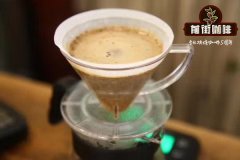
FrontStreet Coffee's editor brewed one pot of each using pour-over - choosing a V60 dripper, coffee-to-water ratio 1:15, water temperature 90°C, grind size BG-5R (58% pass-through on the China standard #20 sieve), extracted in segments.
[Red Label] Bright rose and citrus aromas, brown rice, berries, apricot, complex fruits, and honey, with a thick, juice-like mouthfeel, rich flavor layers, and prominent sweetness.
[Green Label] Rich jasmine aroma on entry, high sweetness, citrus, berries, juice-like mouthfeel, cream, green tea, orange peel, and cantaloupe - overall rich flavor layers, with floral and citrus notes in the aftertaste.
[Blue Label] Gentle sour notes of lemon and grapefruit on entry; as the temperature drops, oolong tea, honey, and sugarcane sweetness emerge in the aftertaste, with a relatively clean and bright mouthfeel.
FrontStreet Coffee Recommendation
FrontStreet Coffee stocks La Esmeralda's famous tiers: the Red Label Esmeralda Special, grown at 1600-1800m with each batch cupping above 90 points and sourced from a single named lot, and the Green Label Private Collection - a blend of high-altitude lots at a friendlier price that still expresses Esmeralda's signature style. For first-timers curious about the legendary Gesha flavor, the entry-level FrontStreet Boquete Gesha delivers classic orange-blossom sweetness, oolong-like tea texture, and delicate fruit acidity without the auction-lot price tag.
Important Notice :
FrontStreet Coffee is a long-established specialty coffee roaster in Guangzhou China, selling freshly roasted beans from its own farm in Yunnan as well as dozens of carefully selected single-origin beans from around the world for both pour-over and espresso. The products deliver consistently excellent quality and great value, with shipping within 24 hours. Guangzhou's FrontStreet Coffee shop is recommended by many coffee lovers, and the beans are now available online at the Tmall 。
FrontStreet Coffee has moved to a new address:
FrontStreet Coffee Address: 315,Donghua East Road,GuangZhou
Tel:020 38364473
 Scan and follow the En Gafei WeChat official account. Please indicate that the reprint comes from "En Gafei".