Guatemala Gesha Coffee Beans - Acatenango Region Variety Introduction and Flavor Characteristics
Professional Coffee Knowledge Exchange
Geisha Coffee: A World of Exquisite Flavors
Geisha coffee offers citrus, fruit sweetness without harsh acidity, honey, and a rich mouthfeel, a coffee beloved by all. Compared with Ethiopian coffee, Geisha has a more juice-like quality, much like a glass of fruit juice tea, wonderfully delicious and endlessly memorable.
Geisha originally grew in the forests of Ethiopia until it was discovered by Panama's Hacienda La Esmeralda and became one of the world's most expensive coffees, more famous even than Blue Mountain. As a result, producing countries began cultivating Geisha, among them Colombia, Guatemala, Costa Rica, and of course coffee's birthplace, Ethiopia. Because different regions have different climates and environments, Geisha tastes different depending on origin.
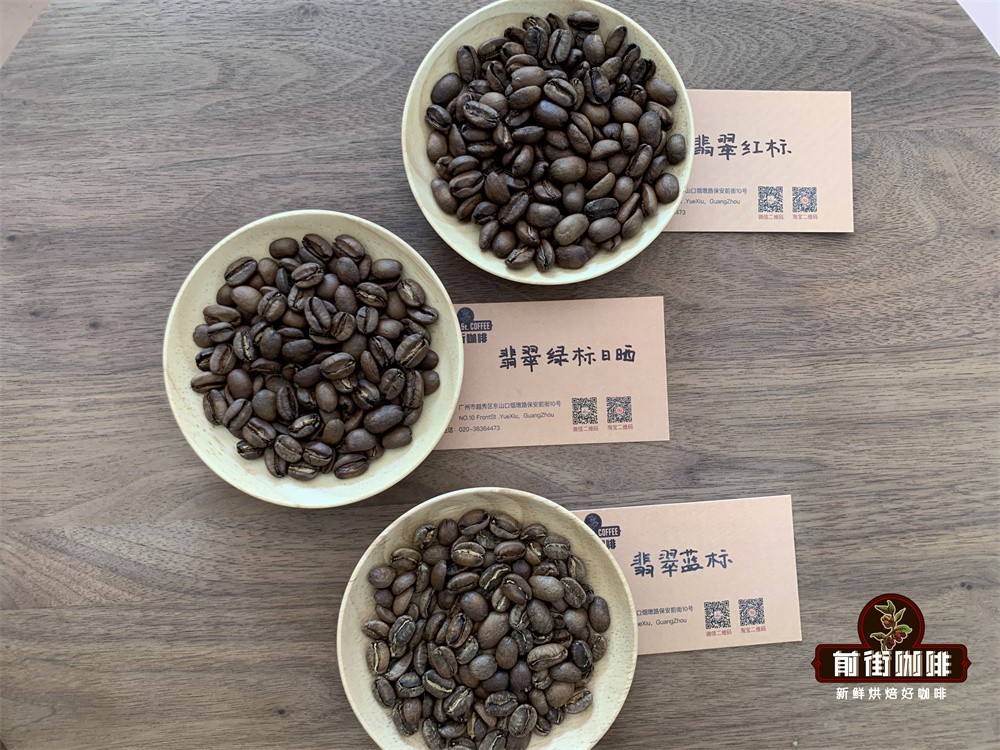
For this reason, FrontStreet Coffee sources Geisha not only from Panama's Hacienda La Esmeralda but also from other producing countries, such as Colombia's Hanami Geisha, Costa Rica's Mirasou Geisha blend, and Panama's Mariposa Geisha blend. To let more friends experience Geisha, FrontStreet Coffee has made Boquete Geisha from Panama's Boquete region one of its daily brew beans.
Exploring Guatemala's Geisha Coffee
Today, let us learn about Guatemala's Geisha coffee.
Located at the center of North and South America, Guatemala occupies an important position in Central America with its subtropical climate. Its high-altitude volcanic landscape, mild climate, and fertile soil create an excellent environment for coffee cultivation, which is why coffee is one of Guatemala's important economic crops, with green beans accounting for about 40% of the country's total agricultural exports. Because of the high-altitude volcanic terrain, Guatemalan coffee often carries a slight smoky note in the finish. So if someone asks you to recommend a smoky coffee, now you know which beans to suggest.
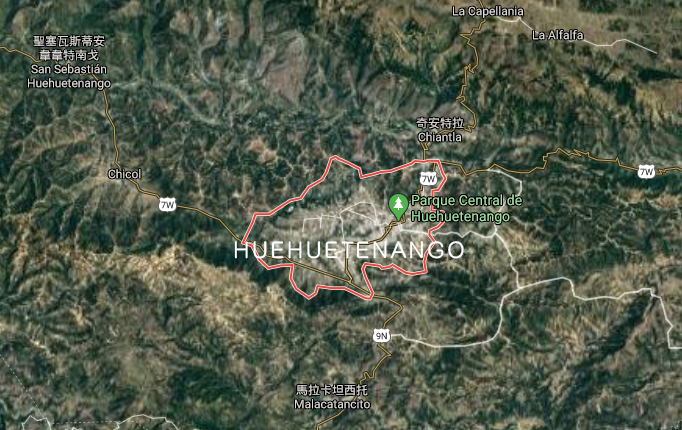
Guatemala's Coffee Regions
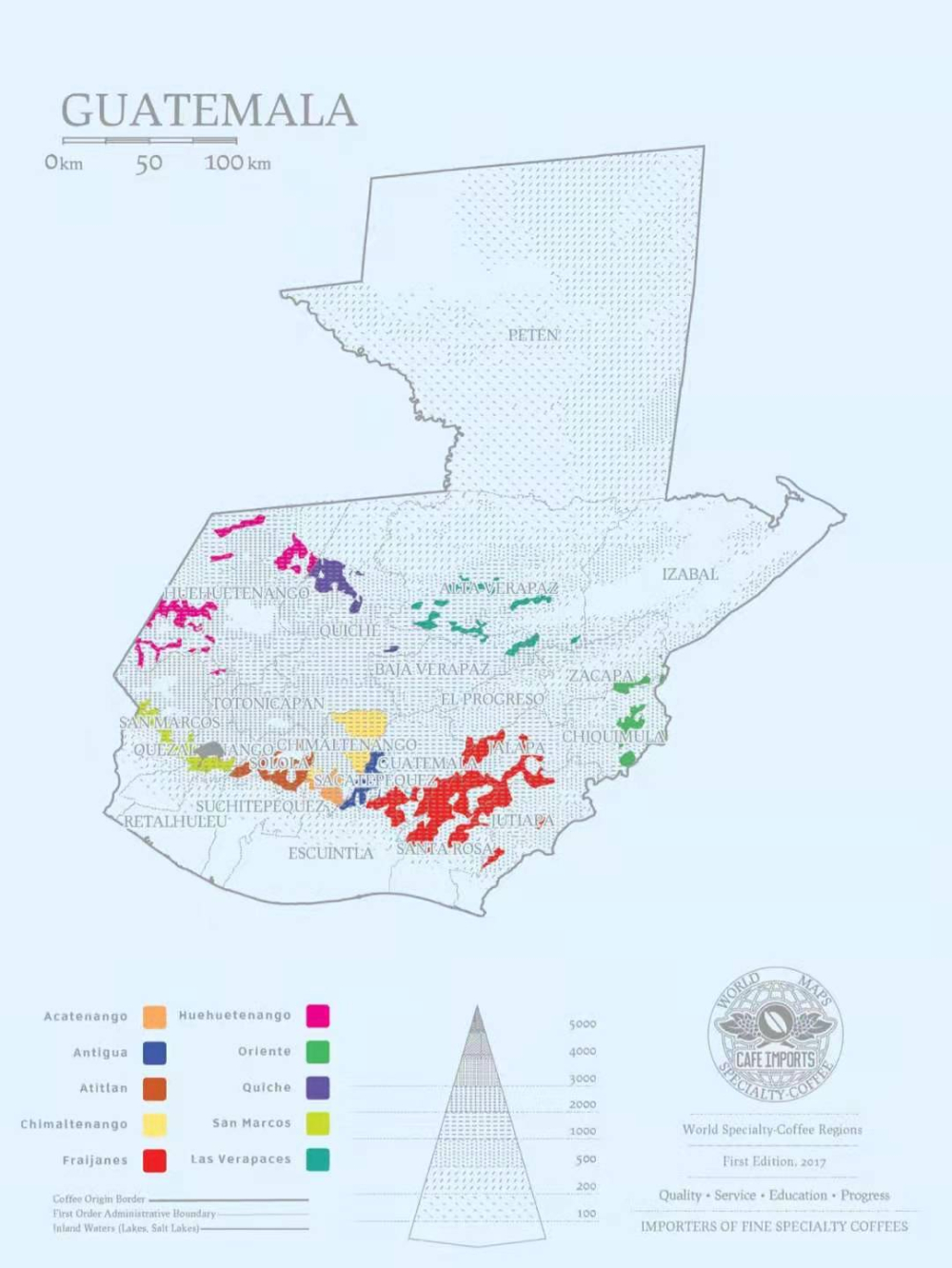
Guatemala has eight coffee-growing regions, all on highland terrain under subtropical conditions. With abundant, steady rainfall and fertile volcanic ash soil, these regions offer extremely suitable natural conditions for coffee. Each region has its own flavor profile; the most famous are Huehuetenango and Antigua.
Huehuetenango / Finca El Injerto
Among Guatemala's three non-volcanic coffee regions, Huehuetenango is the highest and driest.
Huehuetenango sits at the foot of the Cuchumatanes mountain range, the highest non-volcanic range in Central America. Thanks to the warm, dry air blowing in from Mexico, coffee here can be grown at altitudes of nearly 2000 meters without easily suffering frost. The high-altitude growing environment, combined with the region's abundant water, lets Huehuetenango produce excellent coffee, with full, plump beans, clean and smooth flavors, and bright acidity, mostly with aromatic and transparent fruit notes.
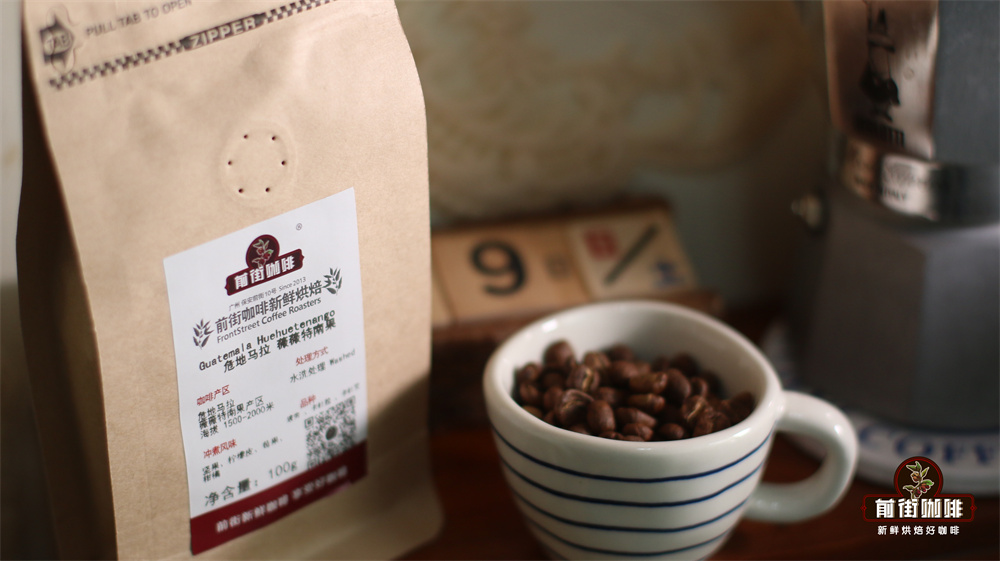
Finca El Injerto, a multiple Cup of Excellence (COE) champion, is located on the Huehuetenango plateau. The estate has been growing coffee since 1900 and is run by the Aguirre family. Large areas of primary rainforest are preserved on the estate, with extensive plant shade and average temperatures around 18 to 22°C. Abundant shade, high-altitude cultivation, sufficient sunlight, and pleasant temperatures give the coffee trees a uniquely advantageous environment.
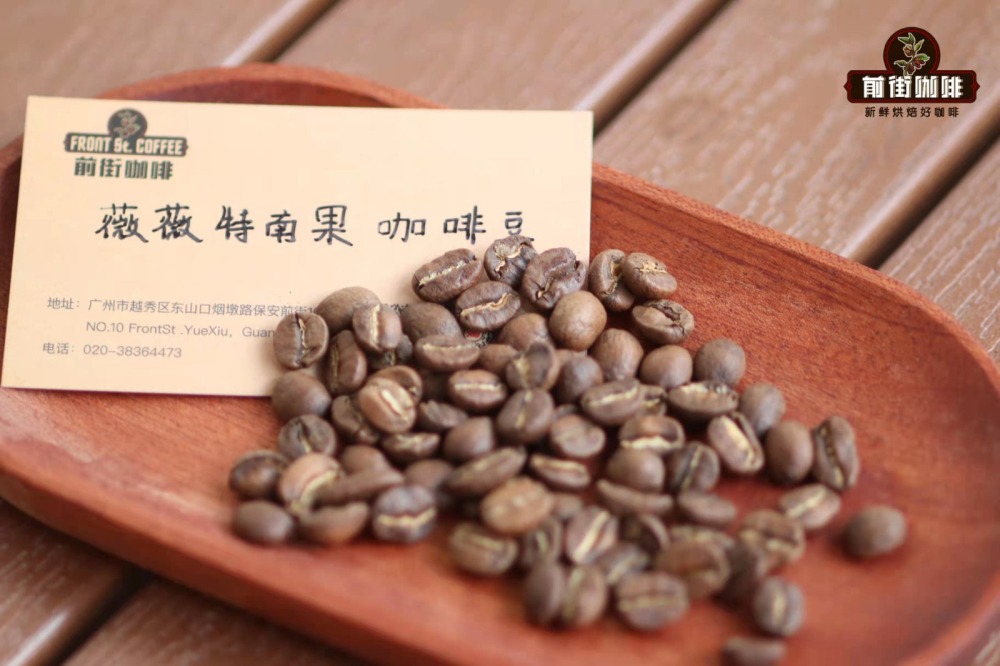
Coffee from one of the most famous producing regions carries flavors of berries, lemon peel, and fruit acids, and its mouthfeel is fuller than that of Ethiopian coffee. FrontStreet Coffee has also selected coffee from this region as Guatemala's representative among its daily brew beans.
Antigua
Rich volcanic soil, low humidity, strong sunlight, and cool evening winds define the Antigua region. Three spectacular volcanoes, Agua, Acatenango, and Fuego, form a beautiful valley landscape, and the active Fuego volcano occasionally adds mysterious dust. FrontStreet Coffee's single-origin Guatemala Flor de Cafe comes from this region.
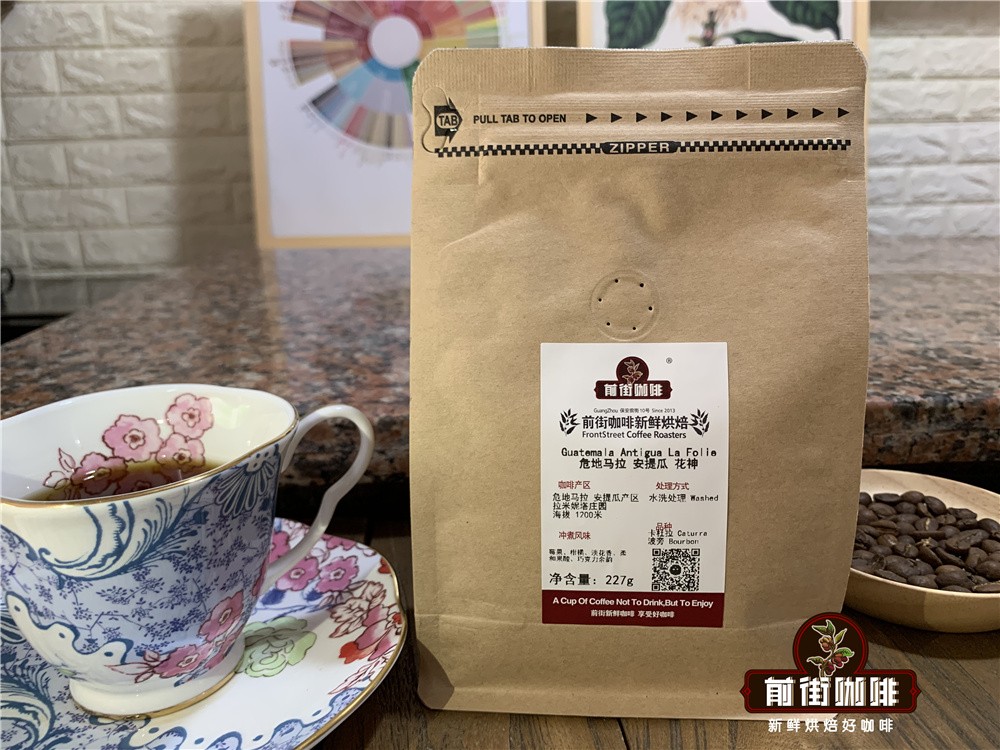
Guatemala Acatenango Gesha
In 2007, Guatemala added an 8th coffee region, the Acatenango Valley, which we translate as the "Acatenango region."
Acatenango is located in Guatemala's Chimaltenango province. More than 5,000 hectares of coffee gardens across the region have fertile volcanic soil, mainly between two major volcanic ranges, and almost all have forest and shade trees. As the photos above show, the estates almost all use shade cultivation. The main varieties are still Bourbon, with some Catuai and Caturra.
Acatenango's two major volcanoes are Volcan de Fuego and Volcan Acatenango, and Acatenango is actually the third-highest peak among Central America's many volcanoes. Across the Fuego volcano lies Lake Atitlan. The region's annual rainfall is 48 to 72 inches, with an average temperature between 14-31°C. The sufficient temperature difference helps produce dense beans and contributes to flavor development. The main harvest season runs from mid-January to March. The Kaqchikel people still live in this region and maintain traditional farming methods. In total there are about 4,000 farming families here, and coffee cultivation dates back to 1880.
Guatemala Gesha is produced by a small estate in Acatenango, from the same batch as the well-known green coffee supplier Sweet Maria's. Because of its high quality, with floral notes, tropical fruits, and rich sweetness, the classic flavors of Gesha, Sweet Maria's has bought Gesha from this region for several consecutive years. Acatenango is in southwestern Guatemala, west of the Antigua region, near the famous Acatenango volcano. Gesha is an ancient excellent variety from Ethiopia, a natural mutation of Typica. It was brought to Costa Rica decades ago through an experimental program, where several estates obtained it for small-scale trial planting to understand its strengths and weaknesses. It later spread to Guatemala, Panama, Colombia, and other countries. It was not until Hacienda La Esmeralda in Panama cupped independent Gesha lots that people understood the variety's special and excellent flavor. Gesha won the Best of Panama competition in 2004, and only then did the world learn of its unique and wonderful flavor. Its rich floral and fruit notes seem to surpass even Yirgacheffe from half a world away.
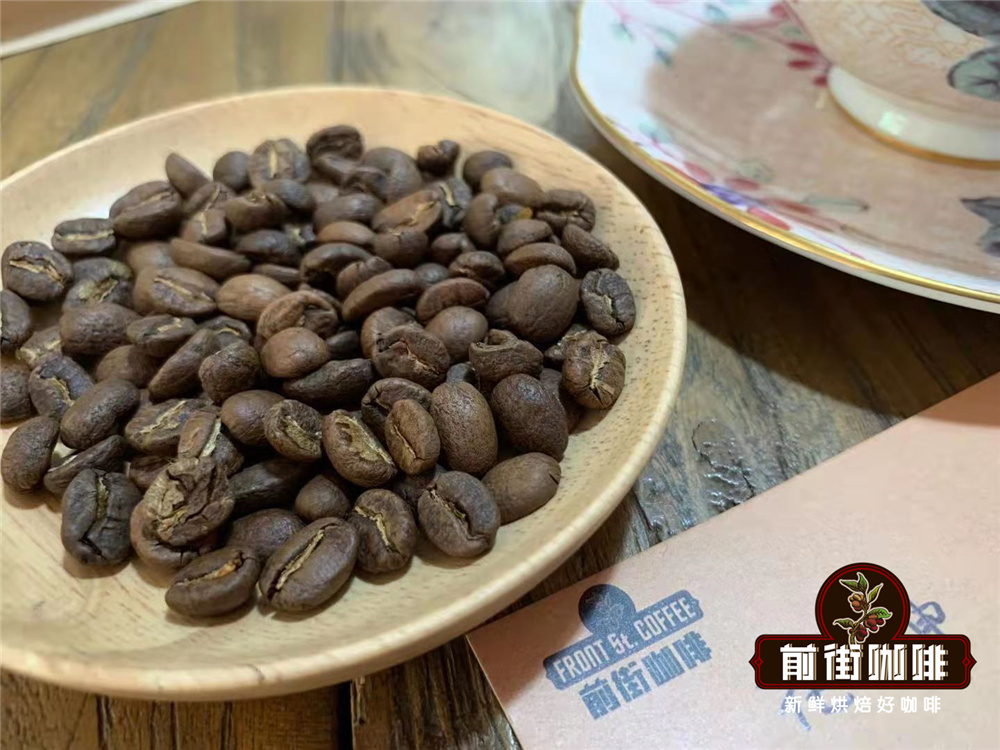
Acatenango Gesha has rich floral notes and delivers the classic Gesha flavors: fresh perfume, honey sweetness, and complex layering. The dry aroma of the light roast has long, elegant florals such as jasmine, vanilla plant notes, and tea fragrance, with some citrus and stone fruit sweetness. The wet aroma further lifts the florals, like a large bouquet of orange blossom held to your nose. Beyond the florals there is abundant honey sweetness, with some rose water and chrysanthemum tea notes. When tasting, the flavor may seem mild at higher temperatures, but at medium to low temperatures the floral and honey notes develop strongly. Fresh jasmine brings out lime's sweet-and-sour notes, herbal tea fragrance, and honey sweetness, with cantaloupe, lemon, citrus, and bergamot. The fruit acid is bright, combining citrus and green apple sweetness and sourness. Besides tropical fruit, there are refreshing vanilla plant notes and black tea fragrance.
Guatemala Coffee Bean Processing Methods
Guatemala coffee beans primarily use the washed processing method.
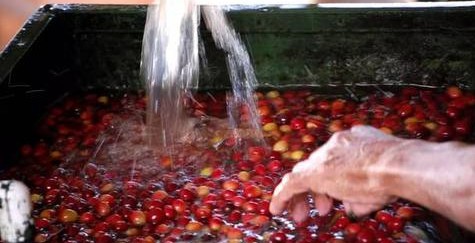
After harvesting, the selected cherries are put into a pulping machine to remove their skin and pulp. The beans with remaining pulp and mucilage are then placed in water for about 24 hours of fermentation. After fermentation, they are washed in flowing water channels. Once washed, the beans are dried in the sun or with drying machines until the moisture content drops to about 12%, then moved to warehouses. Finally, the parchment is removed before sale. This method yields a very clean mouthfeel. FrontStreet Coffee also believes that washed processing best represents a region's basic flavor character, so this bean is a very suitable way for beginners to learn Guatemala's origin flavor.
FrontStreet Coffee's Roasting Recommendations
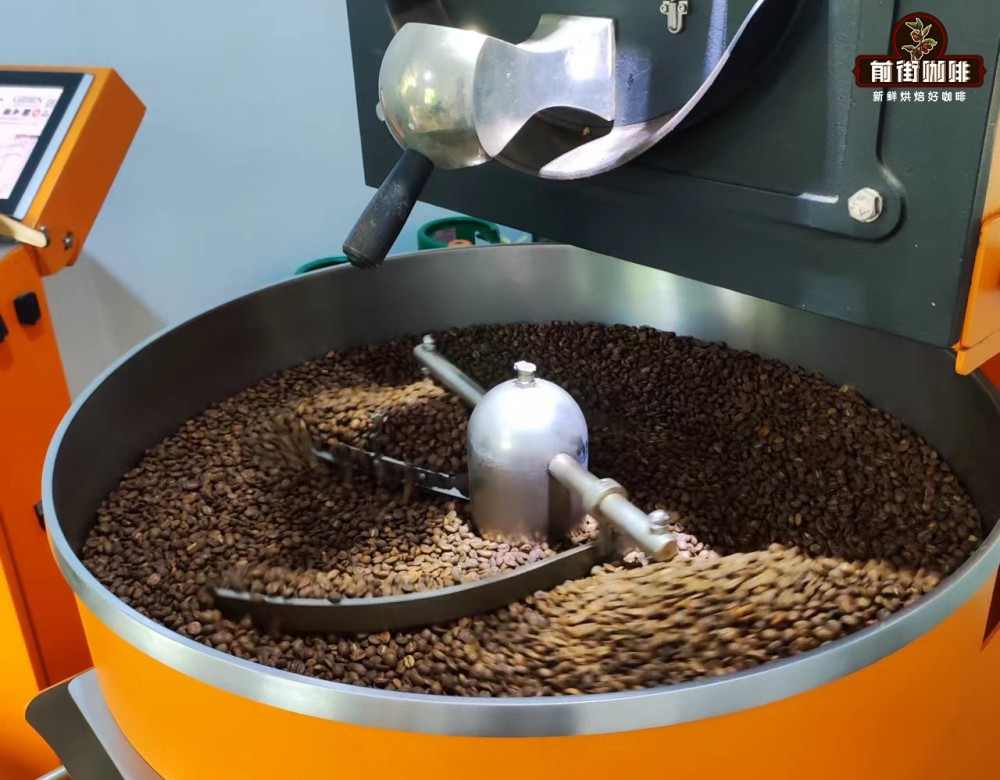
FrontStreet Coffee offers two Guatemalan coffees: the daily brew Huehuetenango, with varieties of Bourbon, Catuai, and Catimor, and the single-origin Guatemala Flor de Cafe, with varieties of Caturra and Bourbon. Guatemalan beans inherently carry the characteristic nutty and cocoa notes of Latin America, with light florals and soft fruit acids. FrontStreet Coffee uses a medium-light roast to preserve more floral and fruit aromas, with clean, bright acidity.
FrontStreet Coffee's Guatemala Brewing Parameters
Guatemala beans are medium-light roasted. Lightly roasted beans have a lower soluble solids extraction rate than dark roasts, so FrontStreet Coffee recommends a faster-flowing V60 dripper with a higher water temperature and a finer grind.
FrontStreet Coffee uses a medium-fine grind, about the size of granulated sugar (80% pass-through on a Chinese standard No. 20 sieve). Use 15g of coffee with a V60 dripper, 91°C water, a 1:15 coffee-to-water ratio, and a three-stage pouring technique.
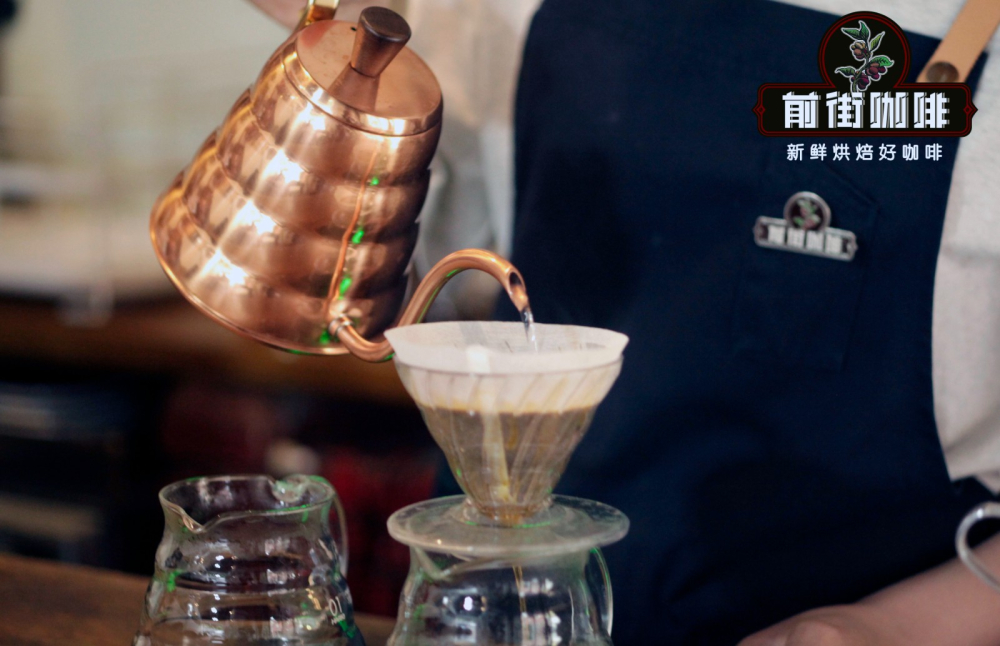
Using three-stage extraction, bloom with twice the weight of the coffee in water, that is 30g of water for 30 seconds. Blooming is necessary to let the coffee release trapped carbon dioxide, which makes the extraction more stable afterward. With a small stream, pour in circles to 125g, then continue pouring to 225g and stop. Wait until the water in the dripper has finished dripping, then remove the dripper. Start timing from the beginning of the pour; extraction time is 2'00". Next, take the whole cup, swirl it well, then pour into cups for tasting.

Guatemala Huehuetenango flavor characteristics: citrus and berry acidity, lemon peel, nutty aromas in the middle, and a tea-like aftertaste.
Guatemala Flor de Cafe flavor characteristics: berry acidity, citrus, a slight chocolate note, rich layered flavors, and a smooth mouthfeel.
FrontStreet Coffee's Brewing Recommendations
On brewing, FrontStreet Coffee has always believed that the freshness of the beans greatly affects the flavor. FrontStreet Coffee therefore ships all beans within 5 days of roasting. Our roasting philosophy is "Freshly Roasted Good Coffee," ensuring every customer receives the freshest coffee. The resting period is about 4-7 days, so by the time it arrives it is at peak flavor.
For those who need ground coffee, FrontStreet Coffee kindly reminds you that if the beans are ground in advance there is no need for a resting period, because during transport the pressure of carbon dioxide inside the packaging also helps round out the flavor, so you can brew a cup as soon as the ground coffee arrives. Ground coffee does need to be brewed promptly, though, because coffee powder oxidizes quickly in air, so the flavor dissipates relatively fast and the cup will not taste as good. FrontStreet Coffee therefore recommends buying whole beans and grinding fresh before brewing to appreciate the coffee's flavor at its best.
Contact FrontStreet Coffee
FrontStreet Coffee Recommendation
If you enjoy the balanced, low-acid side of classic coffee, FrontStreet Jamaica Blue Mountain No.1 is the reference point. Genuine Blue Mountain is neither as sharply acidic as some African coffees nor as heavy and bitter as a dark roast; instead it strikes an excellent balance among acidity, sweetness, bitterness, and aroma. A fine Blue Mountain typically shows cream, caramel, chocolate, nuts, honey, and a light fruit note. Soft and rounded on entry, rich in sweetness mid-palate, and clean and long in the finish, it is layered yet never showy, which is why so many professionals call it the coffee most people find easiest to love.
Purchasing with confidence matters too. Legitimate Jamaican Blue Mountain does not carry a traceability code, but importers usually hold complete export certification and proof of origin, or the beans show clear origin features. Traditional Blue Mountain is shipped in wooden barrels of 15, 45, and 70 kilograms, and each barrel is itself a mark of authenticity; FrontStreet's product pages show the certificate from Jamaica's Clifton estate together with the used barrels. In the cup, FrontStreet Jamaica Blue Mountain No.1 is clean, complex, and very gentle, with chocolate sweetness and a full body.
Important Notice :
FrontStreet Coffee is a long-established specialty coffee roaster in Guangzhou China, selling freshly roasted beans from its own farm in Yunnan as well as dozens of carefully selected single-origin beans from around the world for both pour-over and espresso. The products deliver consistently excellent quality and great value, with shipping within 24 hours. Guangzhou's FrontStreet Coffee shop is recommended by many coffee lovers, and the beans are now available online at the Tmall 。
FrontStreet Coffee has moved to a new address:
FrontStreet Coffee Address: 315,Donghua East Road,GuangZhou
Tel:020 38364473
 Scan and follow the En Gafei WeChat official account. Please indicate that the reprint comes from "En Gafei".