Red Label Geisha from Ethiopia? Introduction to the Flavor Characteristics of Geisha Village Red Label Geisha Coffee Beans

When Panama Geisha took the coffee world by storm, it bewitched countless enthusiasts. The owner of Geisha Village Estate - the farm we're introducing today - fell into coffee cultivation for exactly that reason: pure fascination with Geisha coffee.
Geisha Village Estate
In 2007, documentary filmmaker Adam Overton and his photographer wife Rachel Samuel were shooting a film about Ethiopian coffee for the Ethiopian government when they encountered the Gera coffee forest in the Bench-Maji region. Along the way they rediscovered the greatness of Ethiopia's land - and conceived the idea of founding their own coffee estate and brand.
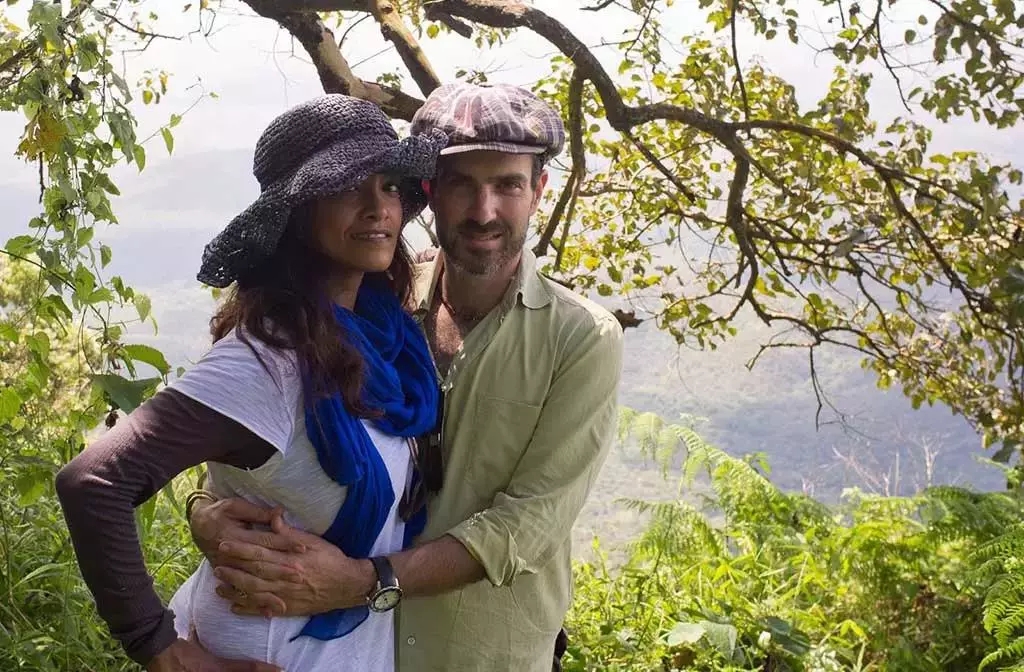
In 2009, they had the good fortune to meet Willem Boot, the renowned owner of Don Pachi Estate and a Best of Panama judge. Willem Boot's vision gave the Overtons their opportunity: return to Ethiopia and find the birthplace of Geisha.
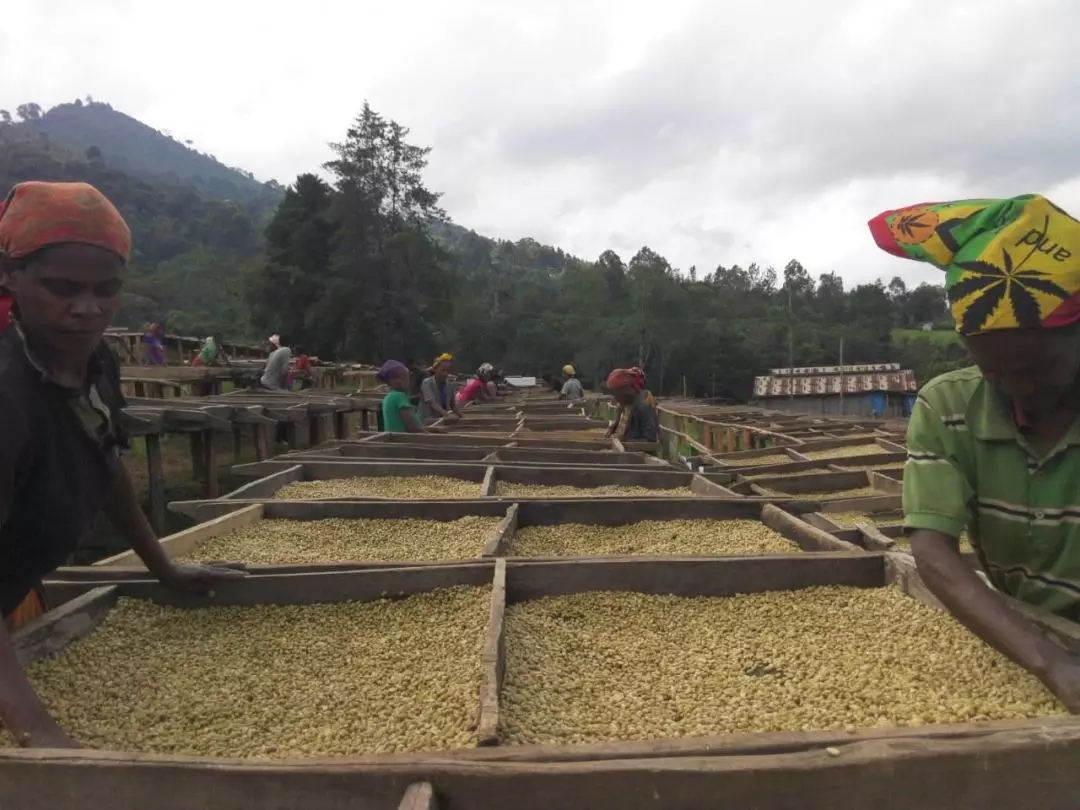
They eventually arrived in Bench-Maji, an area in southwestern Ethiopia near the South Sudan border where many villages carry the name Geisha - the most likely region to find the original Geisha. When they arrived in 2011, the estate site held nothing at all.
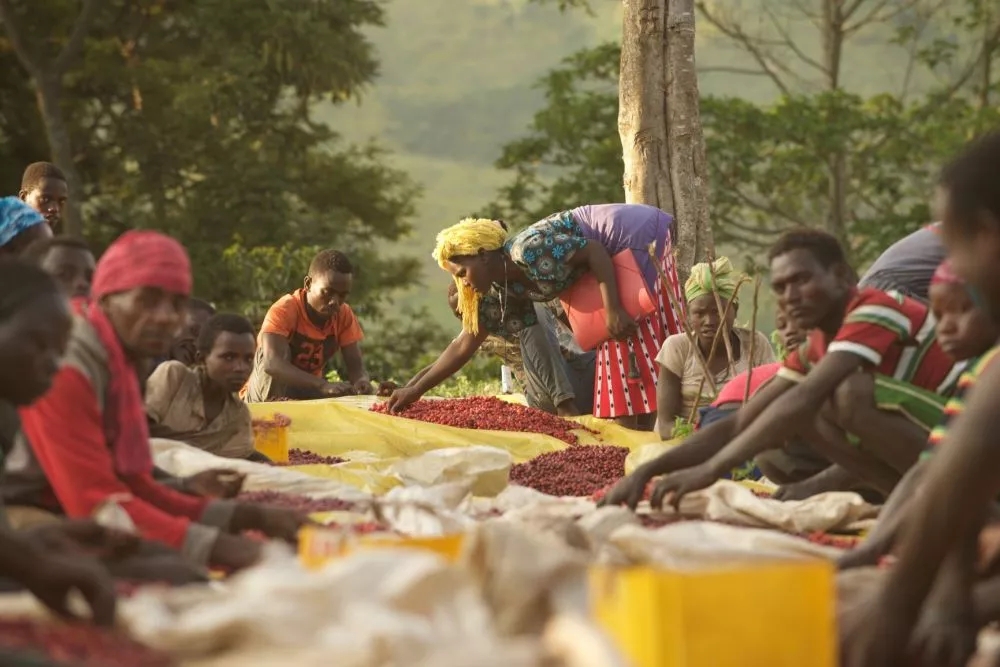
Adam followed Willem Boot on expeditions through the forests surrounding the estate. In jungle so dense it felt enchanted, they found multiple wild coffee species - the most thrilling discovery being wild Geisha. They later learned this was the Gori Geisha forest, the very place where the Geisha variety was first found. They collected seeds from the native Geisha trees, screened them, and planted them at what would become Geisha Village Coffee Estate - a 475-hectare farm located about 12 miles from the Gori Gesha forest.
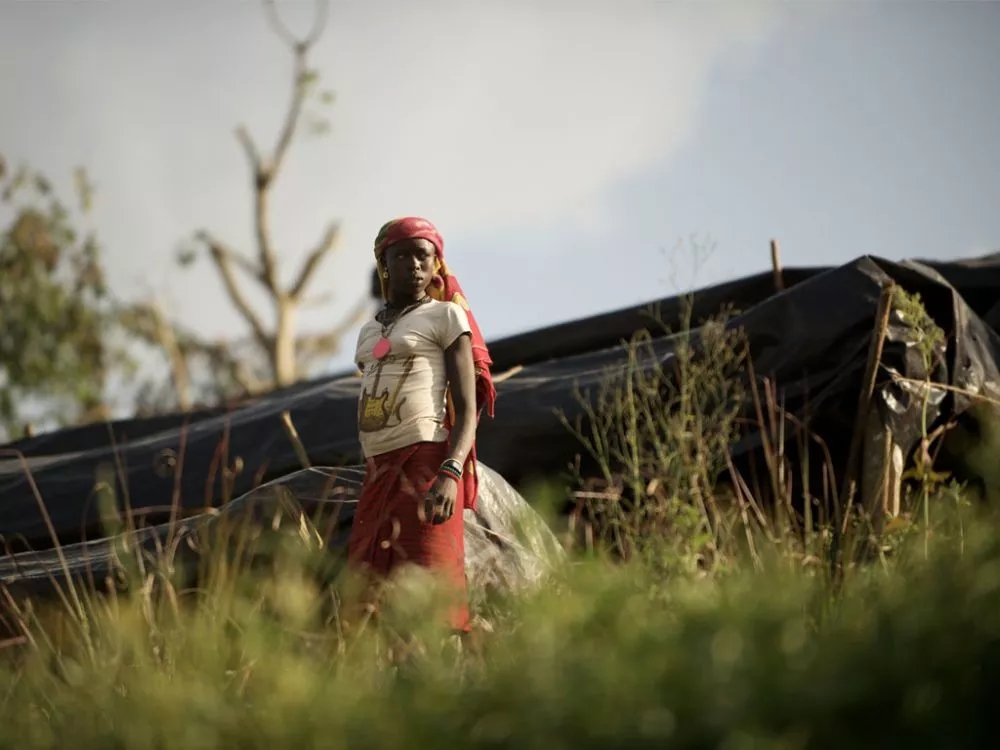
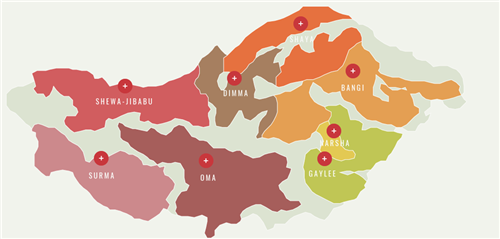
Geisha Village is completely unlike most Ethiopian farms. It is not a smallholder plot but a 475-hectare estate with its own washing station and laboratory. Located in the southwest near the Sudan border, its most distinctive feature is that the entire farm grows only Geisha varieties - not the typical Ethiopian heirloom varieties whose exact genetic makeup can't be determined. The farm is divided into 8 blocks and 3 main Geisha varieties, all sourced from the nearby forests.

Construction of the farm began in October 2011, with the first harvest in 2015. Thanks to an enthusiastic response from all sides, and with the help of the Panamanian estate owner Willem Boot, they offered 21 micro-lots in their first international auction on May 31, 2017 - 19 lots of 120 kilograms each, plus a few smaller batches. Bidders from Europe, North America, Asia, and Australia responded with unexpected fervor, and the top bid reached $85 per pound, breaking every previous auction record for African coffee beans!
The western side of the estate sits at higher terrain, with the SHEWA-JIBABU block at the highest altitude. The southern area carries a heavier shade ratio, while the north enjoys longer sunlight. Across the eight blocks, the estate manager matches each block's variety to its microclimate - altitude, soil, shade coverage - so that every major block develops its own distinct character.
Product Categories
The products are divided into auction batches, Gold Label, Red Label, Green Label, and Chaka batches. (The "color labels" are Chinese colloquial names derived from the promotional label backgrounds.)
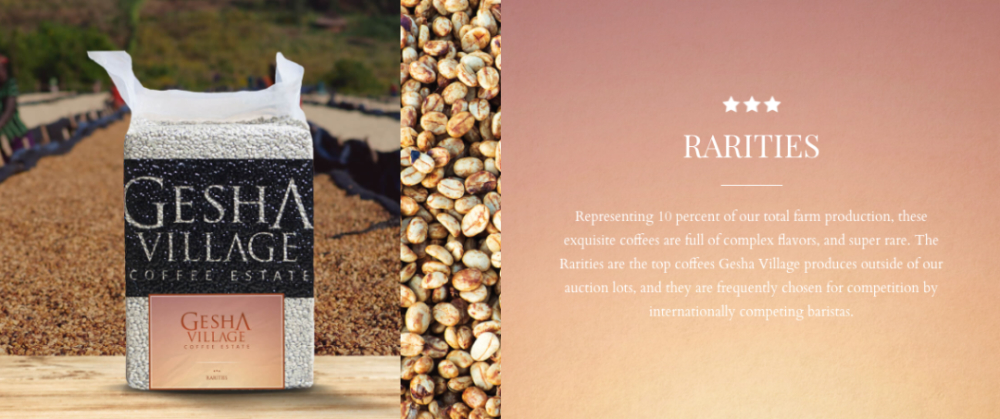
The Gold Label's official name is "Rarities" - treasures, in other words, and in any case the highest-quality non-auction lots from Geisha Village. This series accounts for only 10% of the estate's total production.
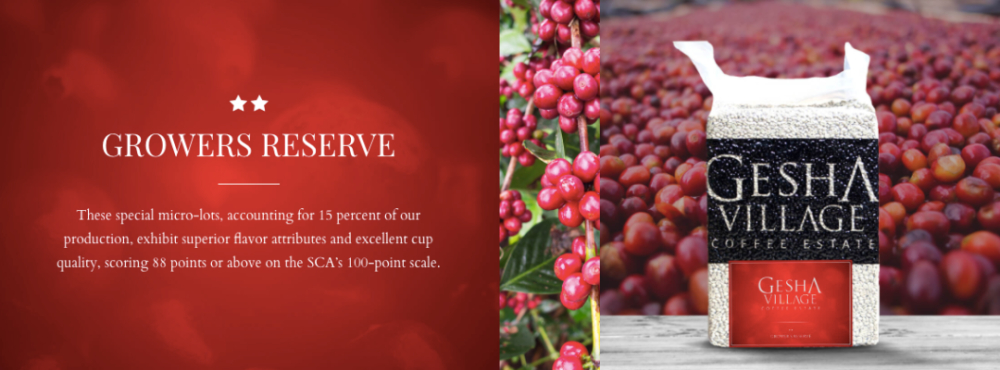
Geisha Village Red Label, officially named "Growers Reserve," makes up 15% of total production and scores above 88 points in SCA cupping.
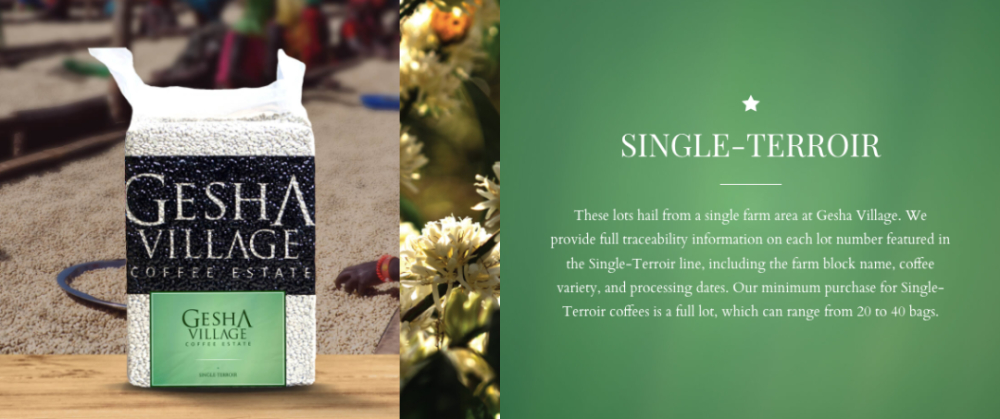
Geisha Village Green Label, officially named "Single-Terroir," comes with detailed traceability - each lot can be traced to a specific block, variety, and processing information and dates. This is true single-origin coffee.
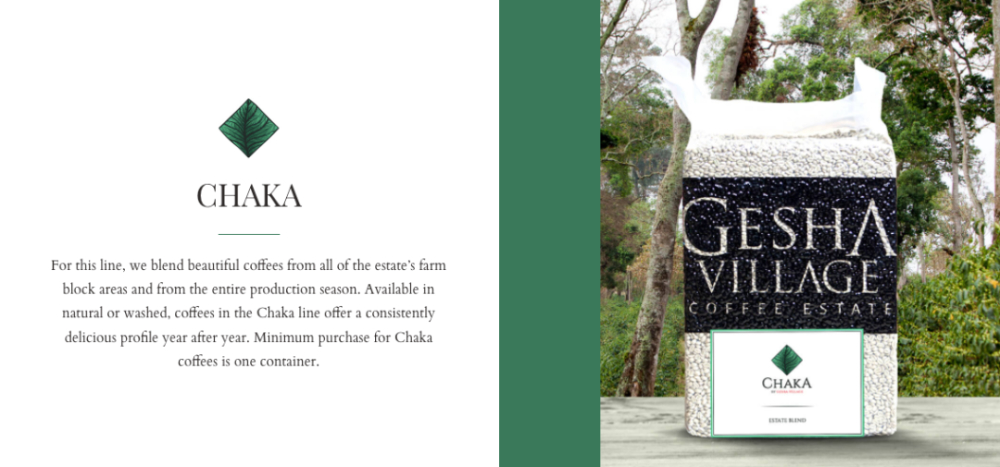
The Chaka batch emphasizes accessibility with a low entry price. It's a blend of all blocks and varieties from across the estate, without any subdivision - the baseline quality of Geisha Village Estate.
FrontStreet Coffee's Geisha Village coffee is typically natural-processed, because the estate owner believes Ethiopia's hot, dry weather is ideal for naturals, which render the beans exceptionally sweet.

First, floating debris and impurities are removed; then the cherries dry in thin layers on African raised beds covered with plastic sheeting. During bed-drying, further screening removes insect-damaged and greenish beans. Total drying time is 18-30 days.
Coffee Varieties Grown on the Estate
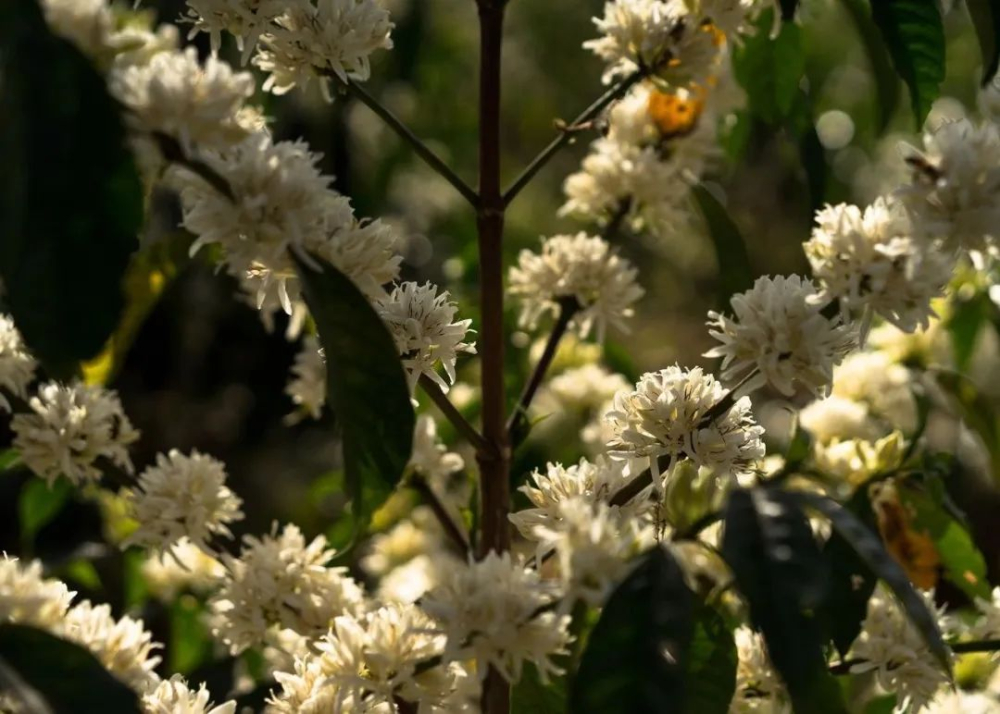
Geisha Village grows three varieties, named for the expeditions that discovered them: Gesha 1931, Gori Gesha, and Illubabor, the last provided by the Ethiopian Coffee Research Center.
Gesha 1931 was identified through observation of plant morphology, bean shape and size, and cupping; it is the closest to the mother plant of Panama Geisha. The Gori Gesha heirloom was collected by the estate owners themselves during their 2011 expedition into the Gori Geisha wild coffee forest, located 20 kilometers from the present farm - and duplicate samples have never been found anywhere else.
One point FrontStreet Coffee wants to make clear: the Geisha grown at Geisha Village is fully separated from the many other native Ethiopian varieties. Although Panama Geisha traces back to Ethiopia, after decades of taking root in Panama it has adapted to local soil and climate - so Ethiopian Geisha's character differs significantly from Panama's.
FrontStreet Coffee Roasting Analysis
Roasting machine: Yangjia 800N (300g batch size)
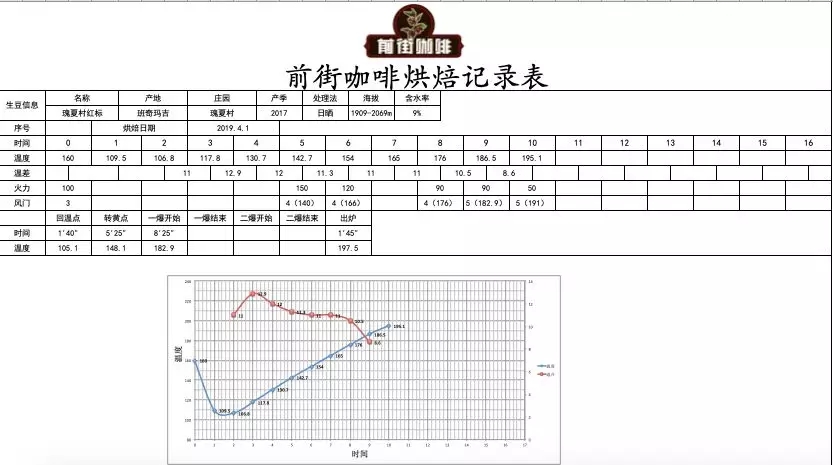
Charge at a drum temperature of 160°C, damper at 3, heat at 130. Turning point at 1'40"; when the drum reaches 140°C, open the damper to 4 and raise heat to 150. At 148.1°C the bean surface yellows, the grassy smell vanishes entirely, and the drying stage begins. At 166°C, reduce heat to 120 with the damper unchanged; at 176°C, reduce heat to 90, damper unchanged.
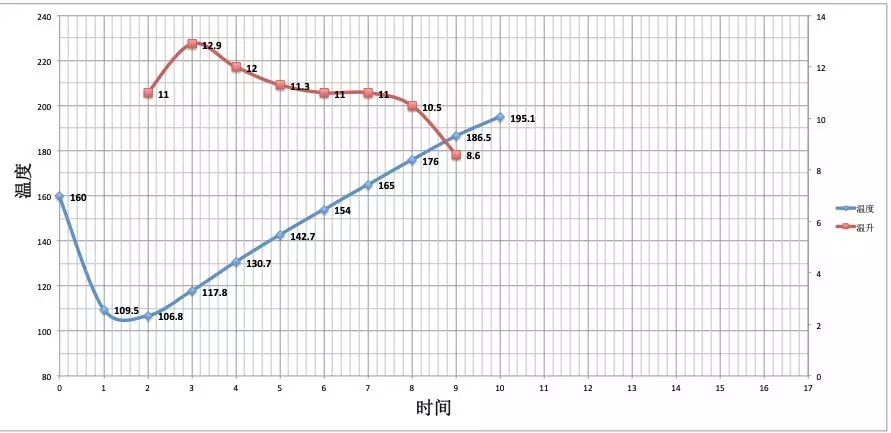
At 8'03", wrinkles and dark speckles appear on the bean surface and the toast smell clearly shifts to coffee aroma - the prelude to first crack. Listen carefully now. First crack begins at 8'25"; open the damper to 5 (ease the heat down gently - not so far that the cracking goes silent). Develop for 1'45" after first crack, then drop the batch at 197.5°C.
FrontStreet Coffee Brewing Suggestions
Given the distinctive character and relatively high price of Geisha, failing to extract its full flavor would be a waste. So it deserves a brewing plan tailored specifically to it.
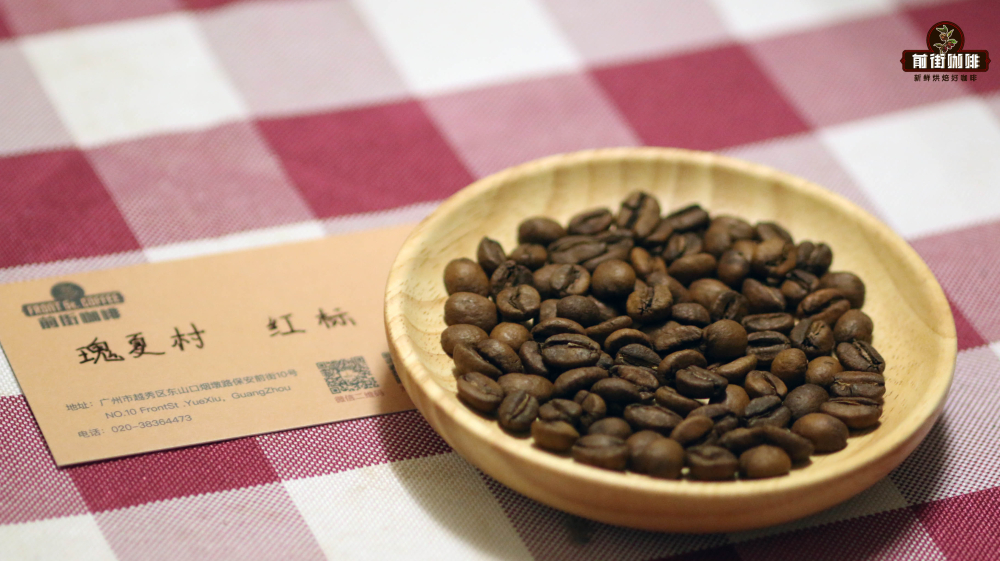
This demonstration uses FrontStreet Coffee's Geisha Village Red Label Geisha. Note the distinction between FrontStreet's Geisha Village Red Label and our Panama La Esmeralda Red Label - they are different coffees. We still choose 15g of coffee, paired with a Hario V60 small dripper. For grind, we go slightly coarser than our usual setting - a 78% pass-through rate on a #20 sieve - mainly because Geisha beans are dense and tend to sink and clog the drainage holes.

Accordingly, the coffee-to-water ratio is adjusted to 1:16. More water helps maintain the extraction rate, and it brings the coffee's concentration to between 1.15%-1.25% - the ideal window for experiencing Geisha's flavors. Water temperature is held at 91°C.
Start by pouring 25ml of hot water for a 30-second bloom. Because Geisha beans are hard and don't absorb water as readily, 25ml is just enough to wet the entire surface of the grounds; any more would simply drain into the server. Bloom gently - a small flow in circles from the center outward gives the best result.

After the bloom comes the second pour: 120ml of water, spiraling in "mosquito-coil" circles from the center outward to lift the coffee bed. Complete this pour in about 1 minute, then wait. The water level should drop at a slow, even rate, reaching roughly halfway down the bed in about 1 minute 10 seconds to 1 minute 15 seconds, forming a "bowl shape."

Now the final pour: 90ml of water, in circles covering about half the surface area, completed in about 1 minute 35 seconds. Then simply wait until all the coffee has dripped through, and remove the dripper. Total brew time: approximately 2 minutes to 2 minutes 5 seconds.
FrontStreet Coffee's Geisha Village Red Label flavor profile: citrus, berries, cream, and fermented tropical fruit sweetness.
FrontStreet Coffee Recommendation
If Geisha Village has captured your imagination, consider the full range. For a gentler introduction to the legendary "Geisha flavor," FrontStreet's Boquete Geisha from Panama is our go-to for beginners: at an accessible price, it delivers the classic Panamanian notes of orange-blossom sweetness, an oolong-tea-like quality, delicate fruit acidity, and clearly defined layers.
For estate-level Ethiopian Geisha, we recommend the Geisha Village Gold Label and Red Label. The Gold Label, from the Gesha 1931 variety and representing 10% of the estate's production, is the top non-auction coffee Geisha Village makes and is often chosen by competing baristas; ours is carefully natural-processed with complex, layered flavors that linger. The Red Label, from the Gori Gesha variety at 15% of production, scores 88 or above on the SCA 100-point scale and comes from the estate's single-terroir series, so every lot number carries full traceability - block name, variety, and processing date. For something intermediate, the Genlana Estate Geisha from the Yirgacheffe region - medium-light roasted - shows bright citrus acidity, elegant ginger-flower aroma, and ripe fruit sweetness with Geisha's signature refined finish.
Important Notice :
FrontStreet Coffee is a long-established specialty coffee roaster in Guangzhou China, selling freshly roasted beans from its own farm in Yunnan as well as dozens of carefully selected single-origin beans from around the world for both pour-over and espresso. The products deliver consistently excellent quality and great value, with shipping within 24 hours. Guangzhou's FrontStreet Coffee shop is recommended by many coffee lovers, and the beans are now available online at the Tmall 。
FrontStreet Coffee has moved to a new address:
FrontStreet Coffee Address: 315,Donghua East Road,GuangZhou
Tel:020 38364473
 Scan and follow the En Gafei WeChat official account. Please indicate that the reprint comes from "En Gafei".