Iced Coffee Cold Brew Coffee Making Methods & Should You Add Ice Before or After Cold Brew?
In January, while other provinces are still buried under heavy snow, Guangdong has already slipped into the rhythm of spring. The weather warms, plants begin to bloom, and the friends who normally enjoy hot pour-over start craving iced pour-over. In this article, FrontStreet Coffee looks at two ways of brewing iced pour-over and explores the difference between adding ice cubes before extraction and adding them afterwards.
For the comparison, FrontStreet Coffee brews iced pour-over with Ethiopian natural processed red cherry coffee beans using both methods.
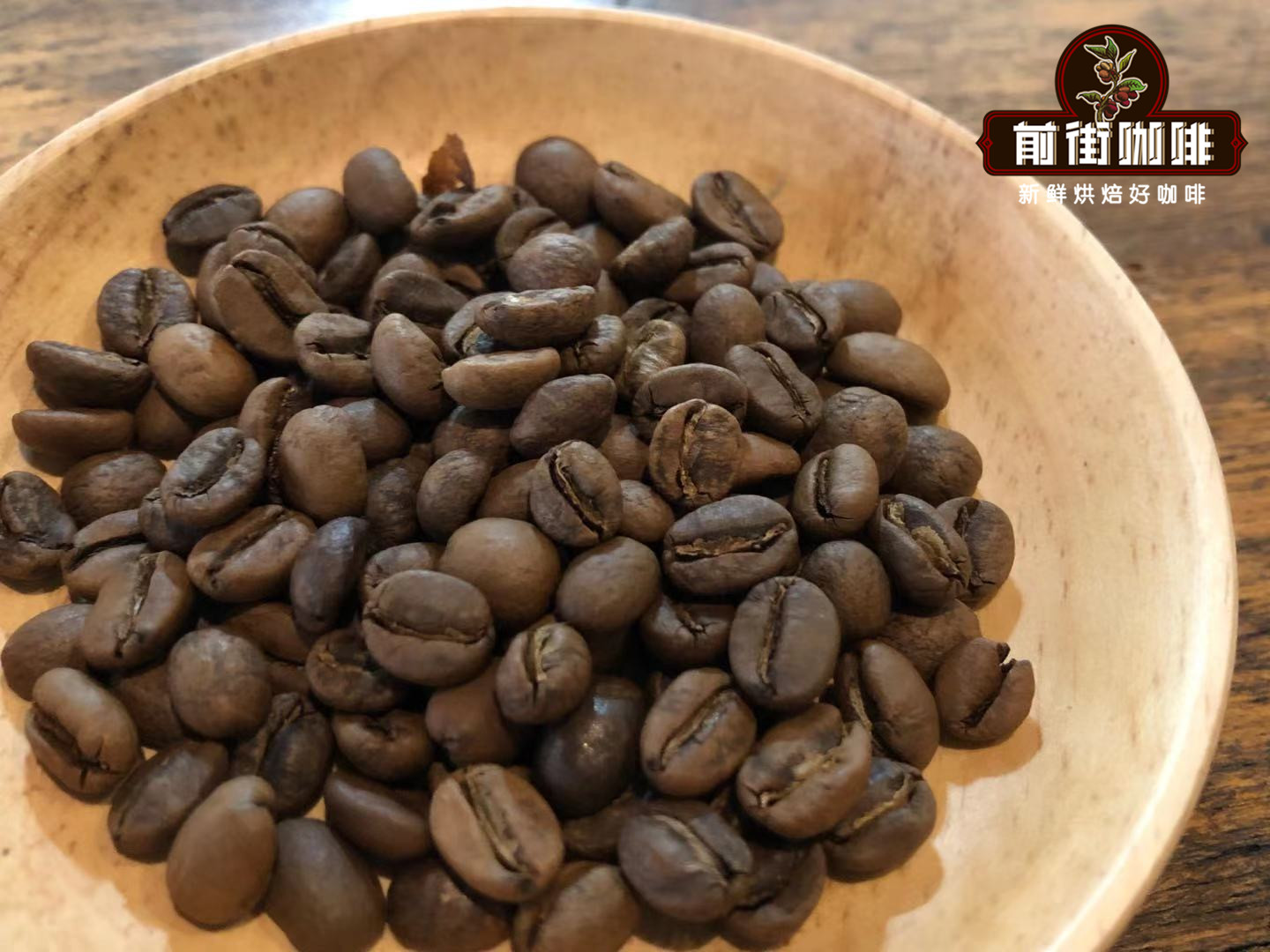
FrontStreet Coffee Ethiopia Natural Red Cherry Coffee Beans
Origin: Ethiopia Yirgacheffe
Estate: Aletaland Estate
Altitude: 1700-2200m
Variety: Ethiopian Indigenous Varieties
Processing: Natural Processing
FrontStreet Coffee uses the Hario V60 dripper for this iced pour-over comparison.
Compared with the straight water path of drippers such as Kono, the spiral rib design of the Hario V60 significantly lengthens the route the water travels. The raised spiral grooves not only extend the contact time between the coffee grounds and the water, they also let the water level gather toward the center of the dripper as it descends, applying pressure to the coffee bed through the weight of the water and building greater layer complexity.

Iced Pour-over Water Temperature
Water that is too cool extracts only acidity and leaves the cup thin, while water that is too hot easily over-extracts and turns bitter. This Ethiopian natural red cherry from FrontStreet Coffee is high in sweetness. To draw out the sweet compounds more effectively, FrontStreet Coffee uses 91°C water for this comparison. That temperature suits light to medium roast coffee, while medium-dark roasts are best brewed at 89°C.
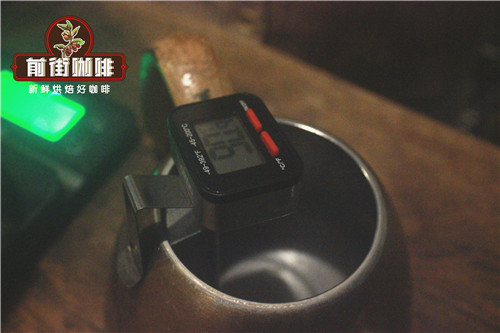
Iced Pour-over Coffee-to-Water Ratio
Because ice cubes are needed for dilution, FrontStreet Coffee brews iced pour-over with a 1:10 coffee-to-water ratio plus 100g of ice cubes, using 15g of coffee grounds.
Iced Pour-over Grind Size
Under SCAA cupping standards, the cupping grind should pass a #20 standard sieve at 70-75%. FrontStreet Coffee normally grinds at 75-80% for hot pour-over of light roast coffee and 70-75% for medium-dark roast. For iced pour-over, light to medium roast generally sits at 80%, and medium-dark roast at 75%.
Iced Pour-over Brewing Method 1
First, place 100g of ice cubes in the server. Then, without preheating the dripper or wetting the filter paper, pour the coffee grounds straight into the filter paper-lined dripper. Add 30g of hot water to saturate the grounds fully into a burger shape and wait 30 seconds, then move on to the second pour. Pour in circles from the center outward, keeping the flow steady and vertical. When the stream hits the coffee bed, foam will appear. This stage lets the coffee foam release and spread across the whole surface of the grounds. Raise the liquid level to the base of the short ribs. This stage should bring the water to 90g, with the timer at 50 seconds.
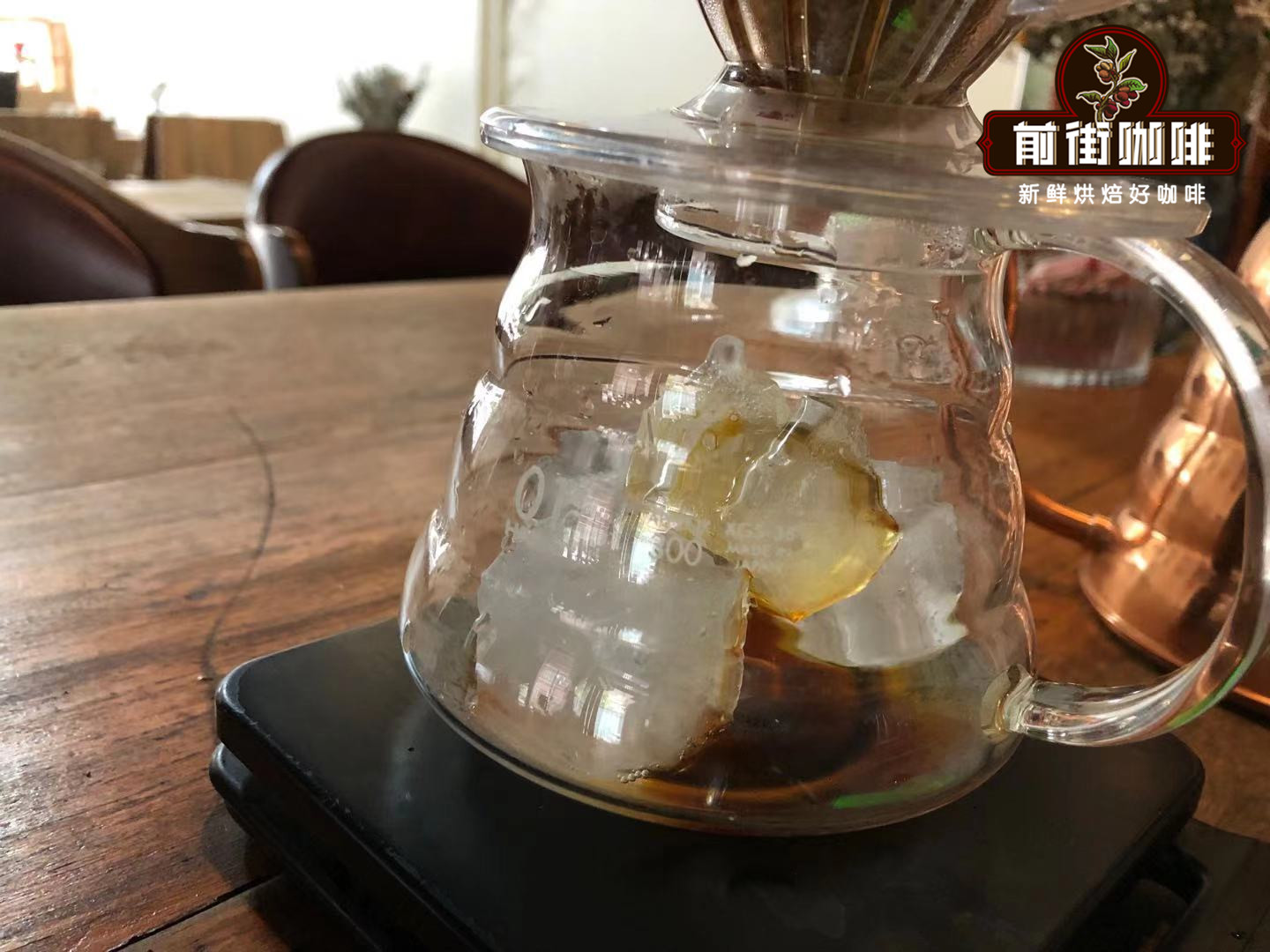
When the water level drops to half of the grounds layer, make the third pour. This stage also moves from the center outward in a "smelling" motion until it reaches 150g. The original dark brown foam turns into a light yellow coffee foam, with the liquid level returning to the same height as the second stage. Once all the coffee liquid has flowed into the server, remove the dripper and end extraction at 1 minute 40 seconds. After extraction, stir the coffee liquid and ice cubes in the server thoroughly before tasting.
Iced Pour-over Method 1 Flavor Profile
Slight berry acidity, almond-like nuttiness and a smooth mouthfeel, with a honey-like finish. Overall it lacks layering and feels flat.
Iced Pour-over Brewing Method 2
Preheat the dripper and server, and wet the filter paper. Pour the coffee grounds into the preheated, filter paper-lined dripper. Add 30g of hot water to saturate the grounds fully into a burger shape and wait 30 seconds, then move on to the second pour. Pour in circles from the center outward, keeping the flow steady and vertical. When the stream hits the coffee bed, foam will appear. This stage lets the coffee foam release and spread across the whole surface of the grounds. Raise the liquid level to the base of the short ribs. This stage should bring the water to 90g, with the timer at 50 seconds.
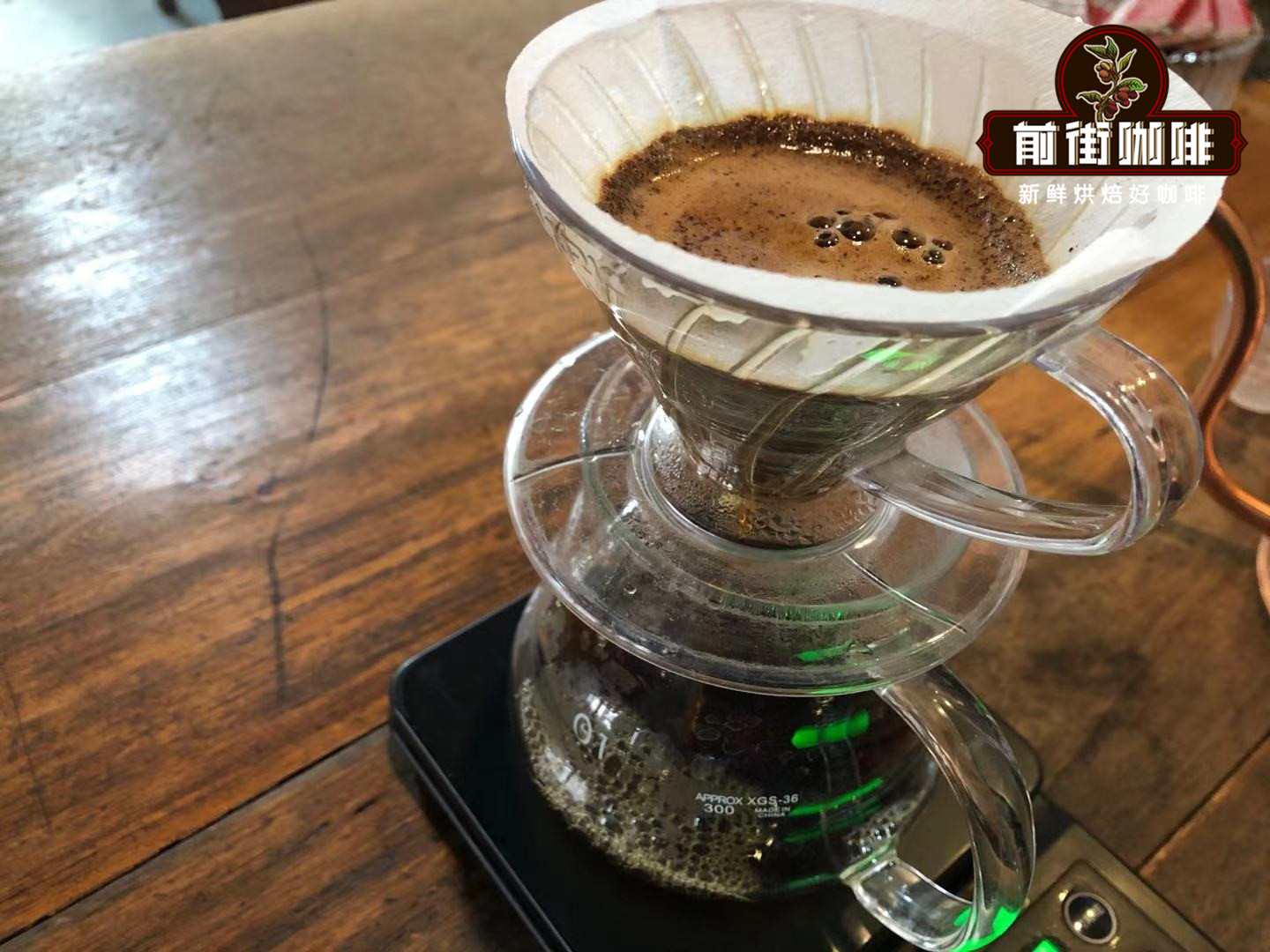
When the water level drops to half of the grounds layer, make the third pour. This stage also moves from the center outward in a "smelling" motion until it reaches 150g. The original dark brown foam turns into a light yellow coffee foam, with the liquid level returning to the same height as the second stage. Once all the coffee liquid has flowed into the server, remove the dripper and end extraction at 1 minute 40 seconds. Take a second server, add ice cubes to chill it thoroughly, then pour the ice cubes out. Add 100g of ice cubes again, shake the first server of coffee liquid evenly, then pour it into the second server with the ice cubes and stir. Mix thoroughly with the ice cubes before tasting.
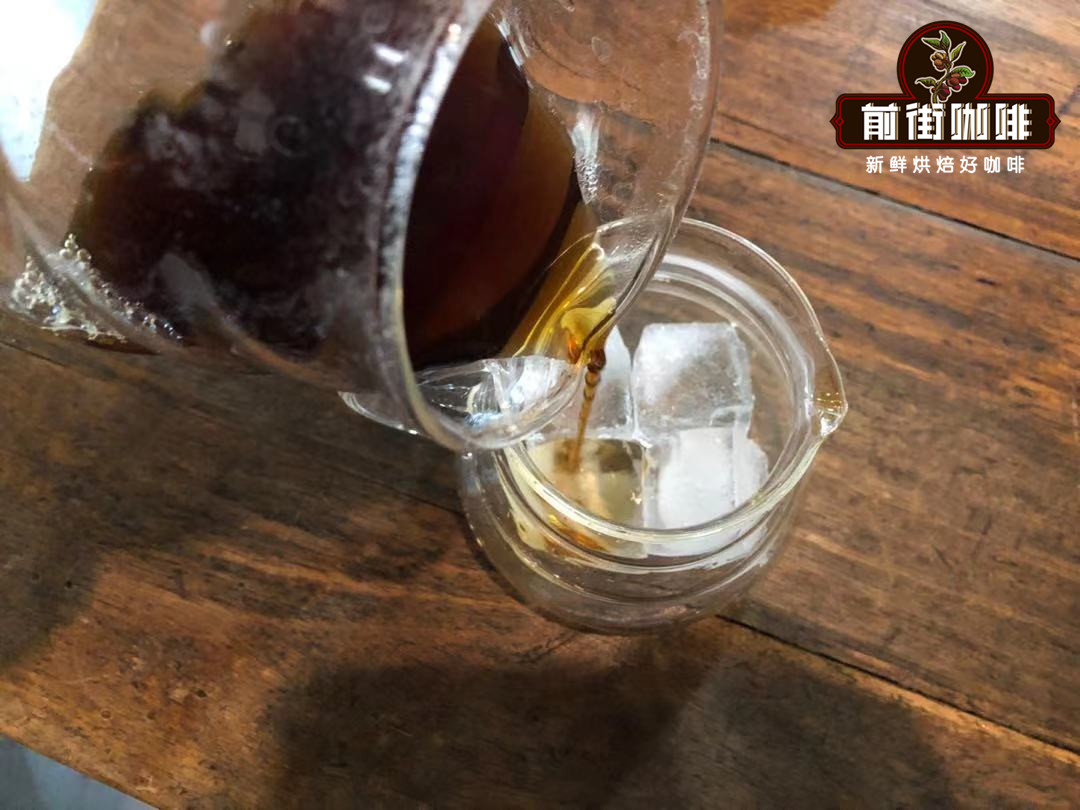
Iced Pour-over Method 2 Flavor Profile
A rich, juice-like berry quality, prominent acidity and a smooth mouthfeel, with honey-like sweetness flowing across the palate. Overall it is rich in layer complexity.
Why is the flavor so different when ice is added first versus later?
Earlier, when discussing the V60 dripper, FrontStreet Coffee stressed that its design creates coffee with higher layer complexity, meaning each drip extracts different flavor molecules. The first stage "wakes up" the flavor molecules, the second mainly extracts acidity and sweetness, and the third extracts the rich body compounds.
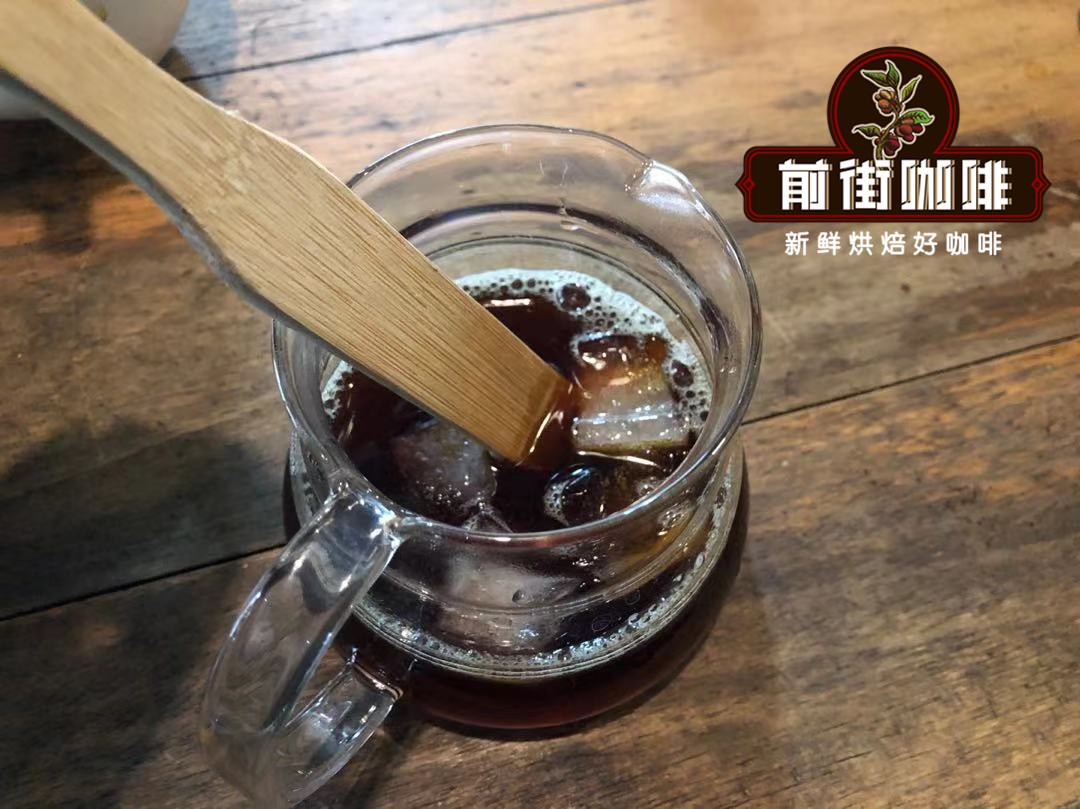
If the ice goes in first, whichever stage drips onto the ice surface is diluted immediately, so a clearly layered state can never form. When the coffee instead finishes extracting at a uniform temperature and is then shaken until fully uniform before being poured onto ice, every coffee molecule meets the ice evenly, which showcases each flavor molecule to better advantage.
FrontStreet Coffee Recommendation
If the naturally processed red cherry in this article is what caught your attention, FrontStreet Coffee's Ethiopia Natural Red Cherry is the closest match on our shelves. Only fully ripe, sound cherries are picked, then dried whole on raised beds for three to five weeks, with the fruit turned every two to three hours during the first few days so it dries evenly. The cup keeps the classic Yirgacheffe character while adding a tropical lift: citrus-like acidity, a juicy berry body, honeyed sweetness and a creamy, smooth texture.
For a lighter, more everyday cup, FrontStreet Coffee's washed Yirgacheffe is a natural starting point for anyone new to Ethiopian coffee. It is known for white jasmine, bright citrus and lemon acidity and a clean tea-like body, and its approachable price has made it the first specialty bean for many drinkers.
Important Notice :
FrontStreet Coffee is a long-established specialty coffee roaster in Guangzhou China, selling freshly roasted beans from its own farm in Yunnan as well as dozens of carefully selected single-origin beans from around the world for both pour-over and espresso. The products deliver consistently excellent quality and great value, with shipping within 24 hours. Guangzhou's FrontStreet Coffee shop is recommended by many coffee lovers, and the beans are now available online at the Tmall 。
FrontStreet Coffee has moved to a new address:
FrontStreet Coffee Address: 315,Donghua East Road,GuangZhou
Tel:020 38364473
 Scan and follow the En Gafei WeChat official account. Please indicate that the reprint comes from "En Gafei".