What Grade is Gesha Village Gold Label Gesha? Flavor Characteristics of Ethiopian Gold Label Gesha Coffee Beans

Regular readers of FrontStreet Coffee's articles may have noticed that most coffee from Ethiopia is produced by cooperatives, with estate-level beans rarely appearing. Yet within Ethiopia's Kaffa Forest lies an estate known as Gesha Village, which follows the business model of Panama's Hacienda La Esmeralda, grading and selling its Geisha beans by classification. Today, FrontStreet Coffee briefly introduces the Gesha Village grading system and explores the Gold Label Geisha from the estate.
What Makes Gesha Village Estate Special?
Unlike most Ethiopian farms, Gesha Village is not a small holding but a vast 500-hectare estate with its own washing station and laboratory. The entire farm cultivates only the Geisha variety, rather than the typical Ethiopian heirloom varieties whose specific cultivars cannot be determined. In 2007, documentary filmmaker Adam Overton and his photographer wife Rachel Samuel were shooting a documentary about Ethiopian coffee for the Ethiopian government when they came across the Gera coffee forest in the Bench Maji region.
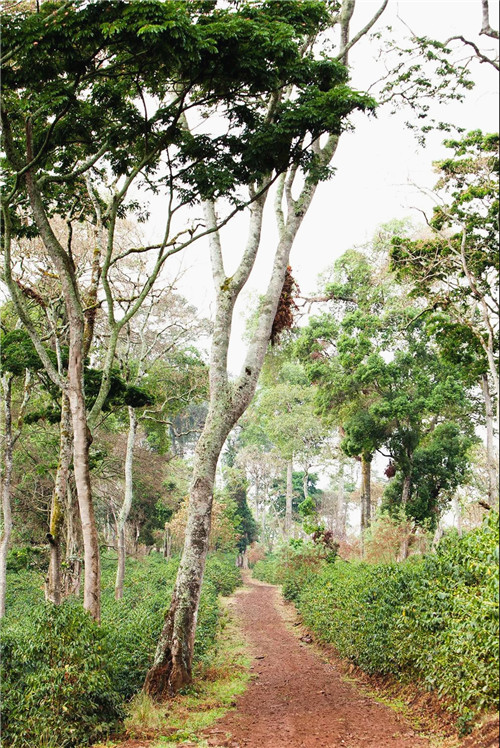
In 2009 they had the good fortune to meet the renowned Mule Estate owner and BOP judge Willem Boot, whose ideas offered the Overtons an opportunity: return to Ethiopia in search of Geisha's birthplace. Adam Overton ultimately decided to establish Gesha Village Estate in the Gera coffee forest they had encountered. Willem Boot also brought Panama's business model to Gesha Village, creating the estate's current Geisha grading system.
Geisha Coffee Grading System at Gesha Village
Auction Lots
Accounting for only 3.7% of Gesha Village's annual production, these are the estate's most exceptional batches, meticulously selected through rigorous screening. They are obtainable only through the Gesha Village Estate Global Auction. The cupping scores for the 2018 auction lots ranged from 88.15 to 92.67 points, and they are further divided into Champion's Reserve and Farm Reserve categories. Gesha Village 2018 Auction Lot RSV.6, for example, belongs to this group.
Gold Label
The Gold Label accounts for only 5% of Gesha Village's annual production and can be considered equivalent in quality to the Auction Lots. These are typically chosen by competition participants worldwide — during the 2018 WBC World Championship held in the Netherlands, for instance, the Australian and Japanese champions selected Gold Label batches for their routines. Roasters with high quality standards also procure these batches, which offer complete traceability and outstanding, complex flavors, making them the estate's second-best grade after the Auction Lots. FrontStreet Coffee's Gold Label Gesha comes from the Oma 114 batch.
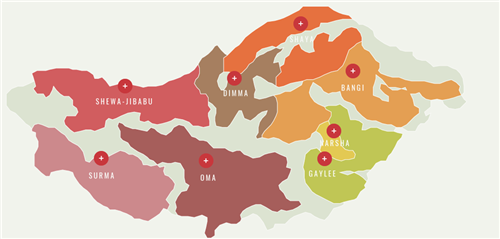
Red Label
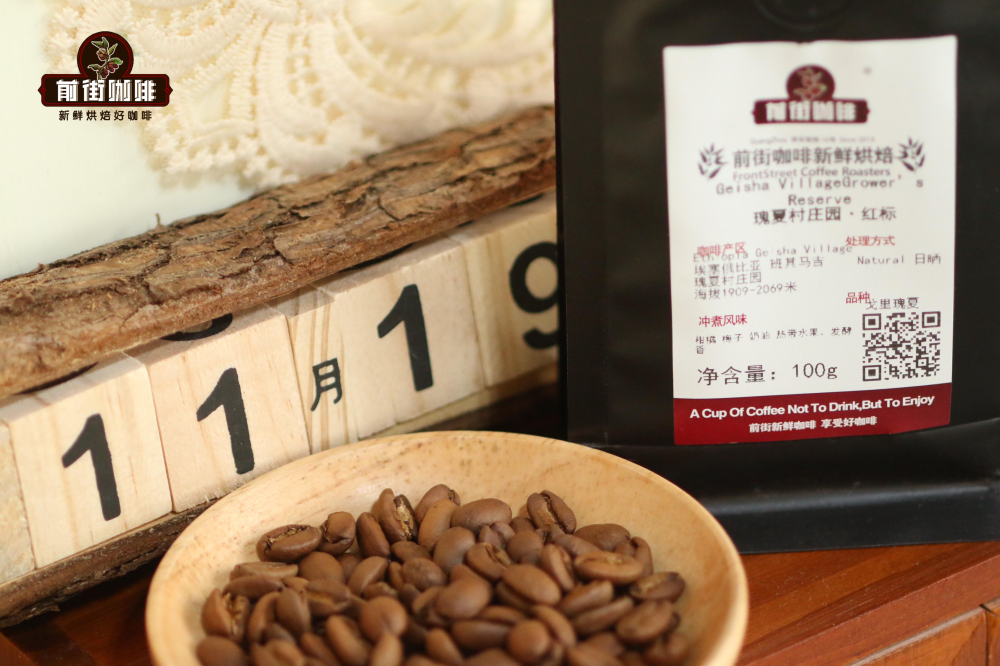
Batches with complete traceability, featuring typical Gesha Village flavors. Flavor intensity and complexity are slightly lower than the Gold Label, making these single-origin batches highly cost-effective.
Green Label
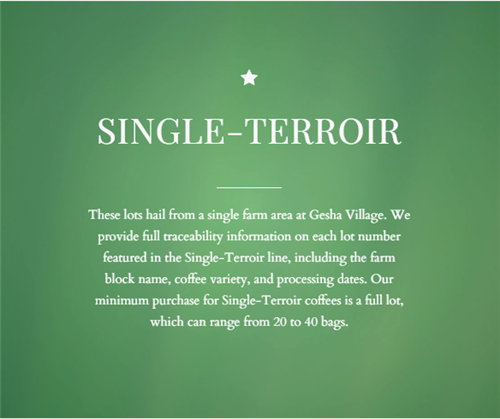
Officially known as SINGLE-TERROIR, these beans come from single farms within Gesha Village. Complete traceability information can be found for each batch number in the Single-Terroir series, including farm name, coffee variety, and processing date.
Chaka Batch
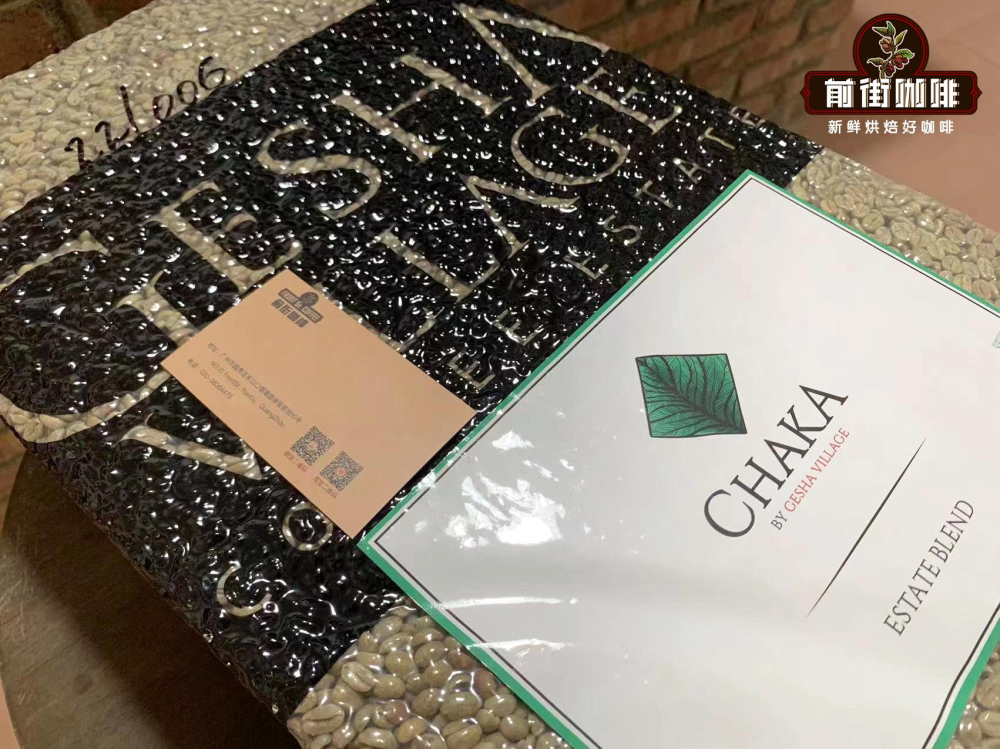
This is a Geisha blend produced by Gesha Village, comprising three varieties: Gori Gesha, Gesha 1931, and Illubabor (an Ethiopian native disease-resistant variety).
Geisha Varieties at Gesha Village
Gori Gesha (GG)
This variety replicates the genetic diversity found within the Gori Gesha coffee forest.
Gesha 1931 (G31)
Combining various forest varieties, it is very similar to Panama Geisha and was selected through observation of plant morphology, bean appearance, screen size, and cupping quality.
Illubabor Forest 1974 (IF)
Discovered during a 1974 expedition to the Illubabor forest, this variety was later developed by the Ethiopian Research Center into a disease-resistant cultivar.
FrontStreet Coffee's Gold Label Gesha beans come from the Oma 114 batch, using the Gesha 1931 variety. So how does FrontStreet Coffee roast and brew this particular coffee?
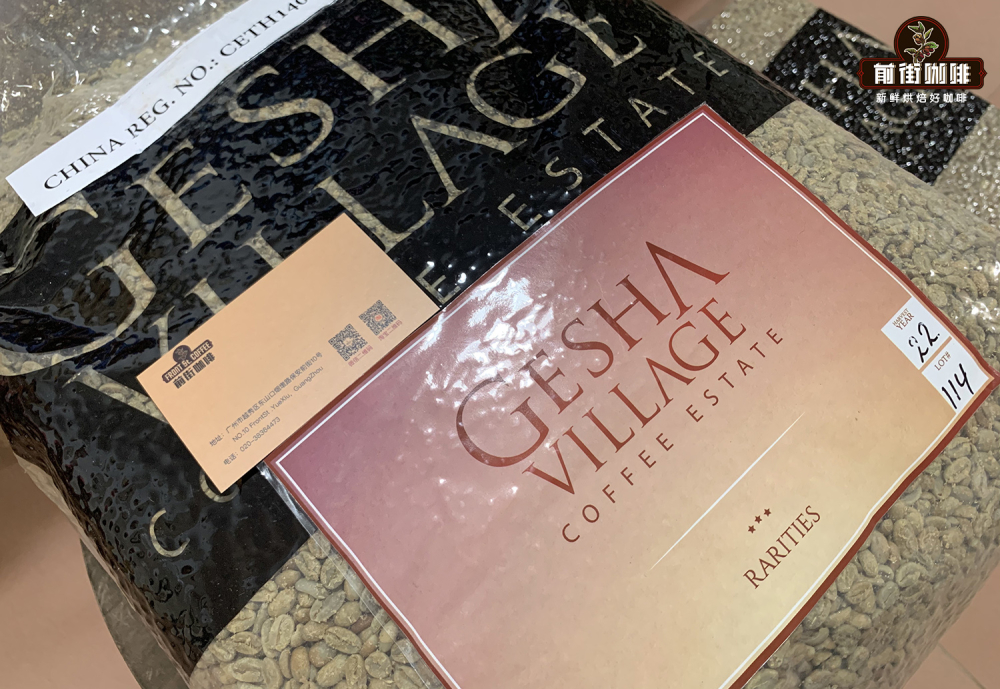
FrontStreet Coffee Gesha Village 114 Batch Gold Label Geisha Coffee Beans
Grade: Rarities (Gold) Label
Processing Method: Natural (32 days)
Variety: Gesha 1931
Country: Ethiopia
Region: Bench Maji
Altitude: 1,931-2,040 meters
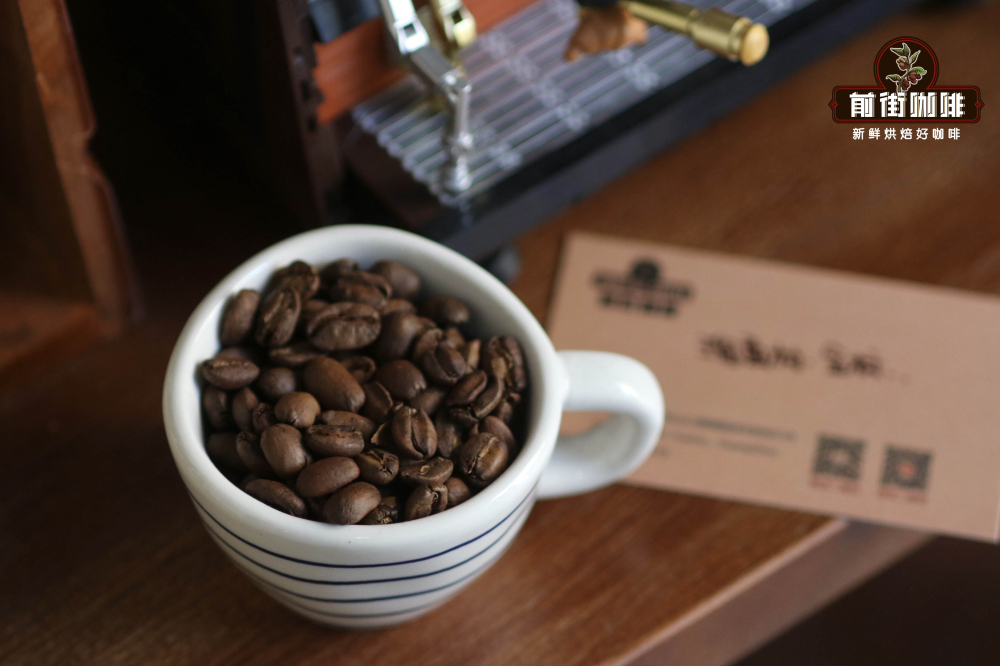
Natural Processing Method
FrontStreet Coffee's Gesha Village coffee undergoes natural processing. First, floaters and impurities are removed, then the coffee is dried in thin layers on African raised beds and covered with plastic sheets. During drying, additional sorting removes insect-damaged and green-colored beans. Total drying time is 18-30 days. FrontStreet Coffee believes naturally processed coffee shows pronounced sweetness, gentle acidity, and complex fruity flavor notes.

FrontStreet Coffee's Roasting Experience for Gold Label Geisha
Yangjia 800N, 300g batch: start at 160°C with heat at 100 and airflow at 3; return to temperature at 1'40", and when the drum reaches 142°C, open airflow to 4 and increase heat to 150; at 148.1°C the bean surface turns yellow, grassy aromas disappear completely, and the dehydration stage begins — reduce heat to 120; at 7'20" the bean surface shows ugly wrinkles and black spots, and the toast aroma clearly shifts to coffee aroma, the prelude to first crack. At this point listen carefully for the first crack, which begins at 8'25"; open airflow to 5, develop for 1'45" after first crack, and drop at 197.5°C.
FrontStreet Coffee's Brewing Experience
Dripper: V60 #01
Dose: 15g
Ratio: 1:15
Grind: Medium-fine (78% retention on a #20 sieve)
Water Temperature: 91°C
FrontStreet Coffee recommends brewing with freshly roasted beans to fully experience coffee's rich flavors. The beans FrontStreet Coffee ships are all roasted within 5 days, because freshness greatly affects flavor. FrontStreet Coffee's roasting philosophy is "freshly roasted good coffee," ensuring every customer receives the freshest coffee on arrival. The resting period is around 4-7 days, so when customers receive their coffee it is at peak flavor.
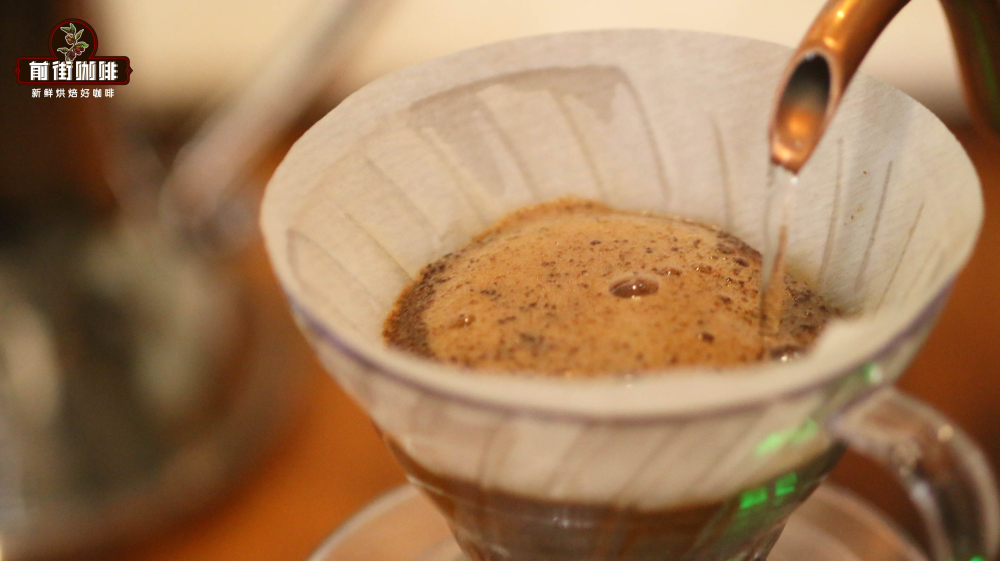
FrontStreet Coffee's Brewing Method: First, wet the filter paper and preheat the dripper and server. Use 30g of water for a 30-second bloom, then pour in a small circular motion to 125g and pause. When the water level drops to just above the coffee bed, continue pouring to 225g, then stop. When the water level drops to just above the coffee bed again, remove the dripper (timing starts from the beginning of the bloom). Total extraction time is 1'55". Shake well before tasting.
Brewing Flavors: Citrus, cream, fermented notes, tea-like sensation, juice-like mouthfeel, plum, high cleanliness.
For professional coffee knowledge exchange and more coffee bean information, follow Coffee Workshop (WeChat public account: cafe_style).
For more specialty coffee beans, add FrontStreet Coffee on private WeChat, ID: kaixinguoguo0925
FrontStreet Coffee Recommendation
If you want to drink Geisha without paying auction-lot prices, Gesha Village's Red Label is the sweet spot — and FrontStreet Coffee carries it. The FrontStreet Gesha Village Red Label belongs to the Gori Gesha variety, is fully traceable, and delivers the estate's classic profile with slightly less intensity and complexity than the Gold Label, making it an excellent-value single origin for everyday pour-over.
For those ready to step up, FrontStreet Coffee's Gesha Village Gold Label comes from the Oma 114 batch and the Gesha 1931 variety, naturally processed over 18-30 days. It shows citrus, cream, fermented notes, a tea-like sensation, juice-like mouthfeel, and plum with high cleanliness. Brew it at 91°C with 15g and a 1:15 ratio in three pours, and it will sit comfortably alongside the estate's top tiers.
Important Notice :
FrontStreet Coffee is a long-established specialty coffee roaster in Guangzhou China, selling freshly roasted beans from its own farm in Yunnan as well as dozens of carefully selected single-origin beans from around the world for both pour-over and espresso. The products deliver consistently excellent quality and great value, with shipping within 24 hours. Guangzhou's FrontStreet Coffee shop is recommended by many coffee lovers, and the beans are now available online at the Tmall 。
FrontStreet Coffee has moved to a new address:
FrontStreet Coffee Address: 315,Donghua East Road,GuangZhou
Tel:020 38364473
 Scan and follow the En Gafei WeChat official account. Please indicate that the reprint comes from "En Gafei".