Ethiopia Uraga Coffee - Introduction to Flavor Characteristics of TOH Washed Champion Coffee Beans
Ethiopia is one of the world's great specialty coffee origins, and its flagship region, Yirgacheffe, enjoys global fame. In recent years, several micro-regions with a similar profile have emerged around it, the Uraga area, a sub-region of the Guji zone, is one of them. Today, FrontStreet Coffee introduces a coffee from Uraga that took champion in the washed category of the 2019-2020 TOH green bean cupping competition.
What is TOH?
TOH stands for "Taste of Harvest Competition" in East Africa, initiated by the African Fine Coffee Association (AFCA). It is a green coffee cupping competition held across 12 coffee-producing African countries, similar in spirit to the Cup of Excellence (COE) program that began in Brazil.

The TOH process works like this: in the preliminary stage, any batch cupping below 80 points is eliminated, gradually selecting the highest-quality green beans from each region to advance to the national competition. Domestic and international judges then cup and score together using SCAA standards, crowning the top scorer as the year's national champion. This year, Uraga stood out with a score of 89.8 to become the 2020 TOH washed-category champion.
Champion Bean Uraga
This coffee comes from the Uraga sub-region of Ethiopia's famous Guji zone. Guji was once part of the Sidamo region but became independent thanks to its distinct regional flavor character, similar to Yirgacheffe. The zone also produces many well-known coffees, the Flower Queen series we often drink, for instance, comes from Guji's Hambela sub-region.
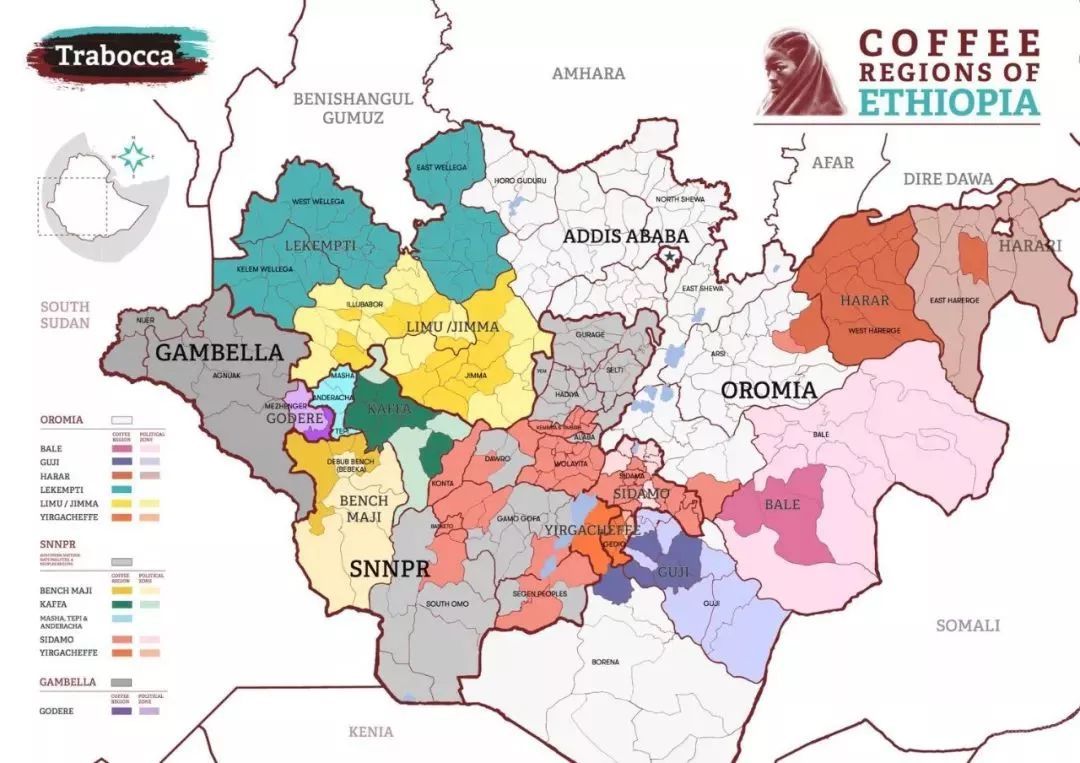
Uraga sits within the Guji zone at altitudes reaching 2300m. Although Uraga town lies inside Guji, geographically it is closer to Yirgacheffe's high mountain country at 2200m. The region's geology is nutrient-rich black soil (Vertisol), surrounded by lush trees, with several mountain ranges creating a perfect environment for quality coffee. It's precisely why beans from here carry extremely rich fruit aromas and remarkably clear acidity.
Processing Station and Processing Method
This champion lot was washed-processed at the Sela Gajaba washing station, located 12 kilometers outside Uraga town and among the most outstanding stations in the area. Nearly all of the station's processing happens indoors, minimizing any risk of contamination.
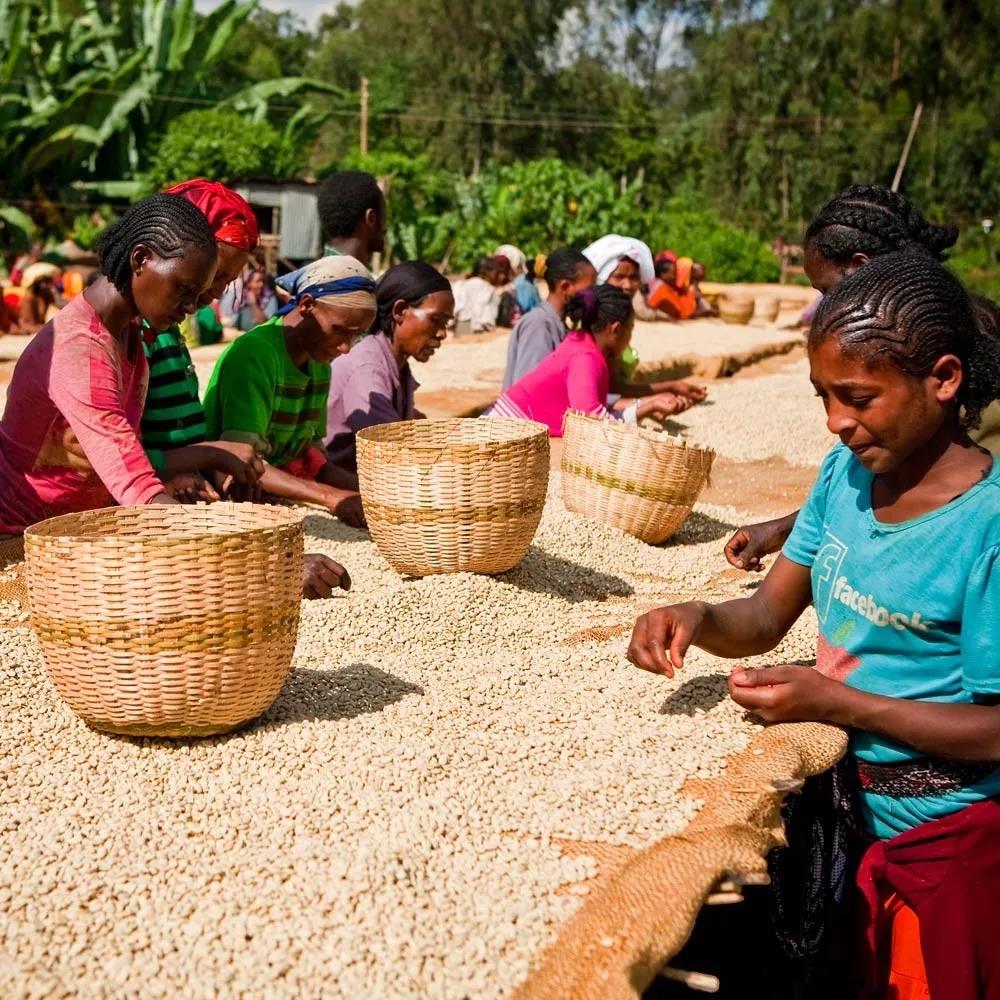
Freshly picked cherries go through a two-step screening to select fully red, flawless fruit, then through the pulper to remove skin and flesh. The beans, still coated in mucilage, ferment in water for approximately 18-36 hours; after fermentation, they move through flowing water channels to wash away the remaining pulp and mucilage; after washing, the parchment-covered beans are sun-dried or machine-dried to a moisture content of around 12%. Finally, the parchment is hulled off to reveal the green coffee.
Coffee processed this way keeps the traditional Ethiopian floral notes, citrus, and tea-like character, with considerable added clarity.
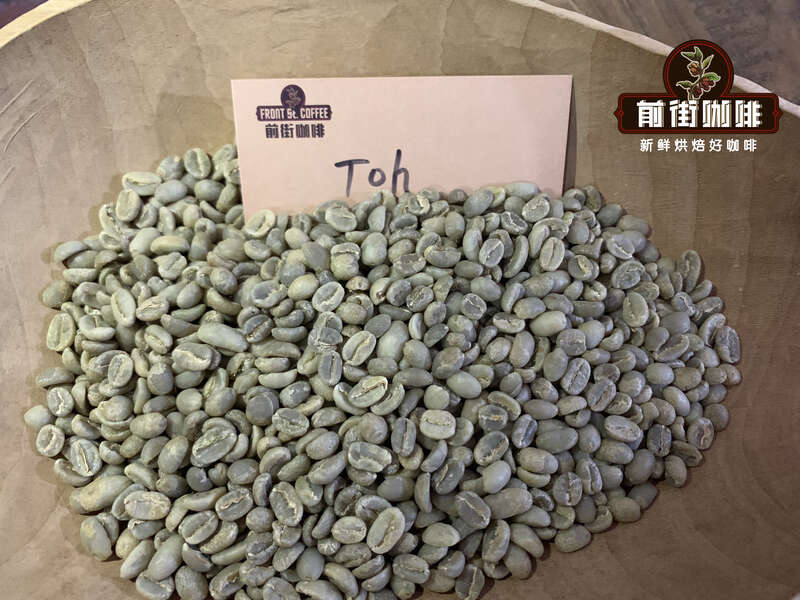
FrontStreet Coffee Roasting Analysis
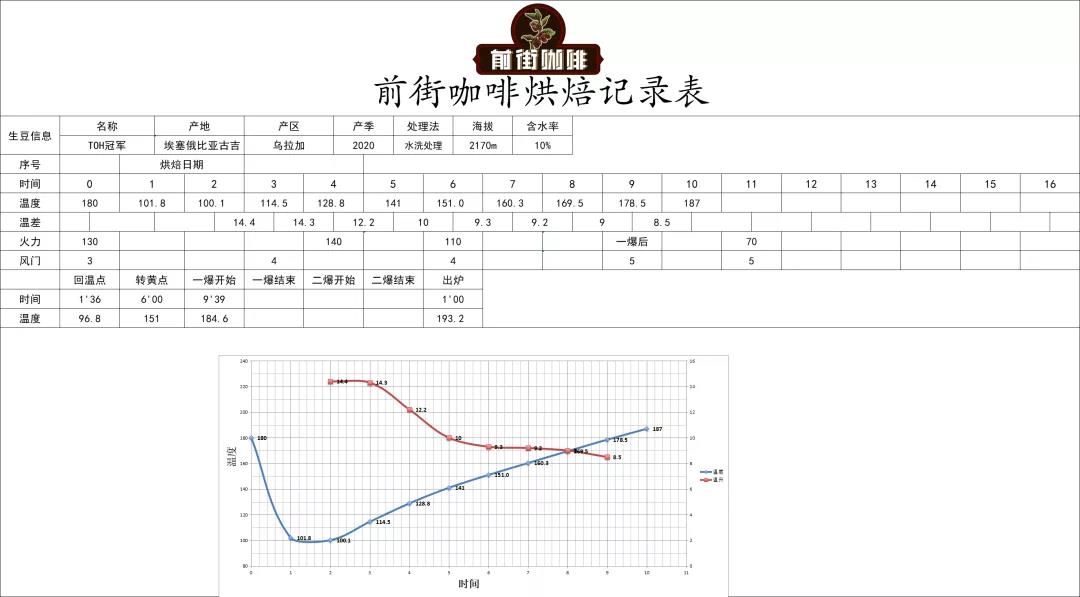
FrontStreet Coffee's roaster believes that for a washed champion bean, the priority is keeping the cup clean while bringing out the white florals and fruit. After fine adjustments to the drying phase and first crack timing, the following roast profile was settled on.
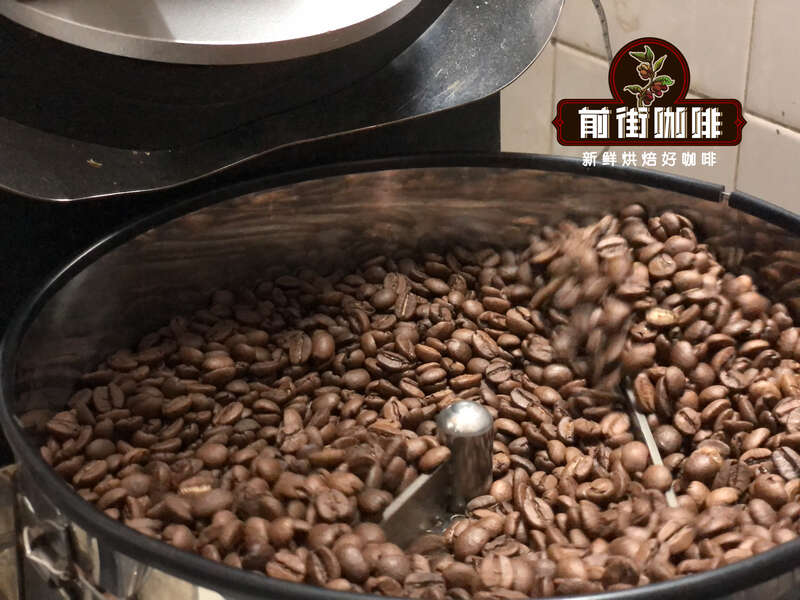
FrontStreet's roaster used a Yangjia 800N (300g batch): drum temperature 180°C, heat 130, damper setting 3; turning point at 1'36", when the drum temperature reached 140°C, the damper was opened to 4 with heat unchanged; at 151°C the bean surface turned yellow, the grassy aroma disappeared completely, marking the end of the drying phase, and heat was reduced to 110.
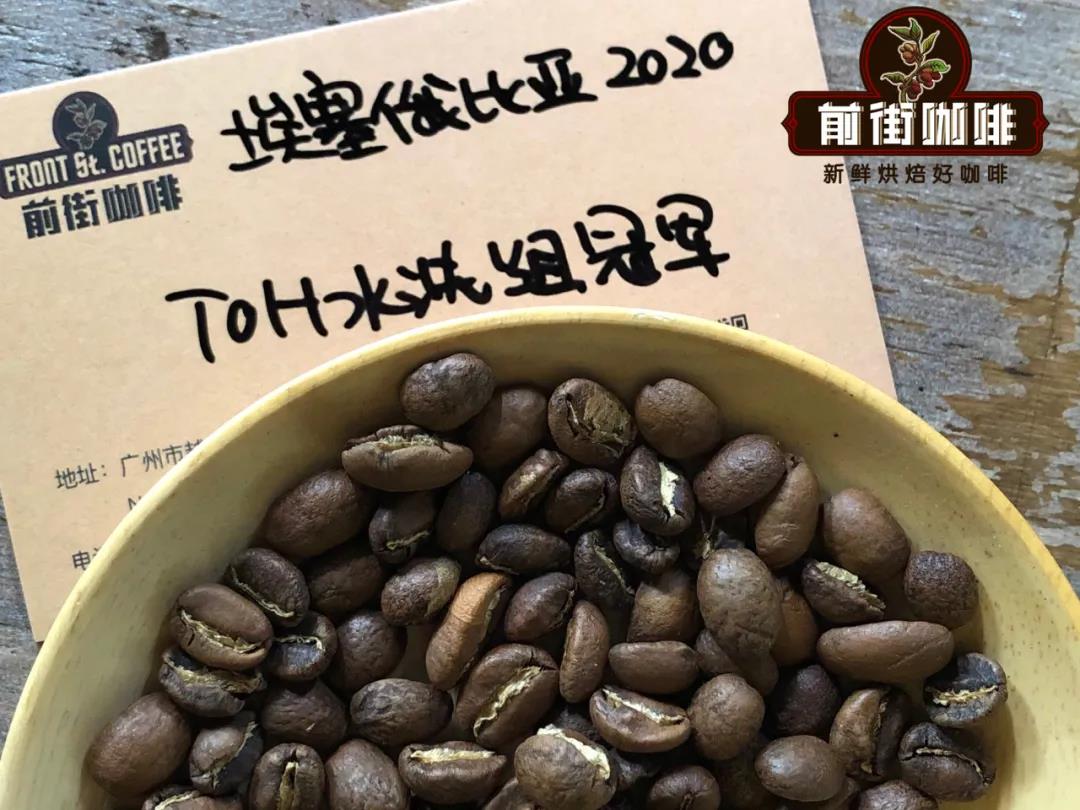
At 8'37", fine wrinkles and black specks appeared on the bean surface and the toast aroma clearly shifted to coffee aroma, the prelude to first crack. Listen carefully from here: first crack began at 9'39". With the damper not opened to 5, the roast developed for 1'00" after first crack and was discharged at 193.2°C.
FrontStreet Coffee Cupping Report
FrontStreet Coffee cups within 8-24 hours of roasting. The barista uses 200ml standard cupping bowls, a grind with 70%-75% retention on a #20 standard sieve, 11.1g of coffee, and water at 94°C. First grind and smell the dry aroma, then fill the bowl with water. Confirm the wet aroma, and after 4 minutes break the crust and skim the grounds for evaluation.

Dry Aroma: Floral
Wet Aroma: Citrus
Flavor: Jasmine, lemon, berries, pomelo, honey, green tea
FrontStreet Coffee Brewing Parameter Sharing
Through cupping, FrontStreet Coffee identified this Ethiopian bean's flavors as jasmine, lemon, berries, pomelo, honey, and green tea.
For this session, the barista decided to showcase the jasmine florals with pomelo, honey, and green tea as the main notes. The following parameters were used:
With 15g of coffee as the benchmark, brewing experiments showed this coffee easily picks up tea-like astringency if steeped too long, so the final grind was set slightly coarser than a normal pour-over grind, with 70% retention on a #20 standard sieve.
A 1:16 coffee-to-water ratio was chosen, the larger ratio helps highlight the florals and fruit. Water temperature of 91°C suits Ethiopian beans perfectly and readily brings out citrus and other fruit notes.
Brewing Method
This session used FrontStreet's three-stage pour. First, preheat the kettle and dripper, add 15g of grounds, and level the bed gently. Pour 30g of water for a 30-second bloom, don't extend it, as that can invite astringency.
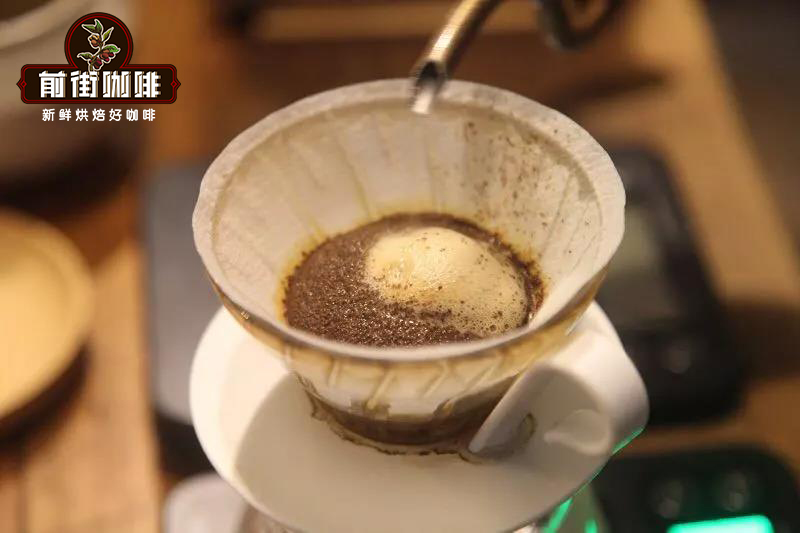
For the second stage, pour 120g of water in concentric circles from the center outward, finishing within about 1 minute. When the coffee bed is just about to peek through, pour the final stage the same way, adding 90g of water. Once all the water has drained into the server, remove the dripper to end extraction. Total brew time: 2 minutes 5 seconds.
Brewed flavor description: the wet aroma carries subtle jasmine and citrus. Early sips taste of citrus juice; through the middle and later stages a honeyed pomelo tea sensation builds, and the finish delivers an oolong-tea-like sweetness.
FrontStreet Coffee Recommendation
Want to get to know Ethiopian coffee? Start with the classics:
FrontStreet Washed Yirgacheffe (House Pick), For newcomers to the Ethiopian terroir, start with the most classic FrontStreet Washed Yirgacheffe house coffee, known for its white jasmine, bright citrus and lemon acidity, and tea-like finish. Its friendly price has made it the first bean many people use to enter specialty coffee. Yirgacheffe is a small town in southern Ethiopia, within the Sidamo zone, at roughly 1700-2100m, with coffee trees planted above 1800m, one of the highest coffee-growing regions in the world. The area was historically wetland, and Yirgacheffe's name became a byword for Ethiopian specialty beans thanks to its unmistakable white florals and lemon-citrus acidity. In 2010, with Yirgacheffe's fame so great, the Ethiopian Commodity Exchange finally separated it from the Sidamo designation, hence the household name we know today.
FrontStreet Gudingding Cooperative, Many people don't realize Yirgacheffe can be broken down into many small sub-regions, even single villages, several of which host experienced, highly skilled cooperatives whose coffees raise the bar another notch. The most representative is the FrontStreet Washed Gudingding Cooperative from Gudingding village. The cooperative sits in the Worka area at Yirgacheffe's southeastern tip, originally part of the Worka cooperative under the Yirgacheffe Coffee Farmers Cooperative Union (YCFCU); as demand for traceability grew, such "single-origin" lots were gradually uncovered by coffee hunters worldwide. Gudingding follows the most traditional washed processing, and this coffee, often called the last pristine corner of Yirgacheffe, carries none of the traditional bitterness, just fresh, bright citrus and lemon acidity plus jasmine fragrance. Many coffee lovers fall for it at first sip.
FrontStreet Natural Red Cherry, From the same Yirgacheffe region, FrontStreet's Red Cherry is fully-ripe-cherry natural processed: only completely ripe, defect-free fruit is harvested, given a first round of sorting at the station, then laid out on raised beds to dry in the sun. For the first few days the cherries are turned every 2-3 hours to prevent uneven heating and over-fermentation. After three to five weeks of sun-drying, workers machine-scrape off the dried outer fruit depending on weather and temperature, then move the beans to storage. Because the fruit dries with its flesh intact, the coffee keeps classic Yirgacheffe character while gaining the tropical fruit of a natural, citrus-like acidity, a berry juice feel, honeyed sweetness, and cream-smooth texture.
Yirgacheffe brewing suggestion, Dripper: V60; water temperature: 90-91°C; dose: 15g; ratio: 1:15; grind: EK43s at setting 10 / fine-sugar texture (#20 sieve at 80%). FrontStreet's pour: first pour 30g for a 30-second bloom; then pour 95g (scale reads about 125g), finishing at about 1 minute; when the water level drops to two-thirds of the bed, pour the remaining 100g (scale reads about 225g), finishing at about 1:35. Dripping completes at 2:00-2:10, remove the dripper and the extraction is done.
Important Notice :
FrontStreet Coffee is a long-established specialty coffee roaster in Guangzhou China, selling freshly roasted beans from its own farm in Yunnan as well as dozens of carefully selected single-origin beans from around the world for both pour-over and espresso. The products deliver consistently excellent quality and great value, with shipping within 24 hours. Guangzhou's FrontStreet Coffee shop is recommended by many coffee lovers, and the beans are now available online at the Tmall 。
FrontStreet Coffee has moved to a new address:
FrontStreet Coffee Address: 315,Donghua East Road,GuangZhou
Tel:020 38364473
 Scan and follow the En Gafei WeChat official account. Please indicate that the reprint comes from "En Gafei".