Choosing Coffee Beans for Pour-Over Brewing: Flavor Differences Between Natural and Washed Coffee Beans
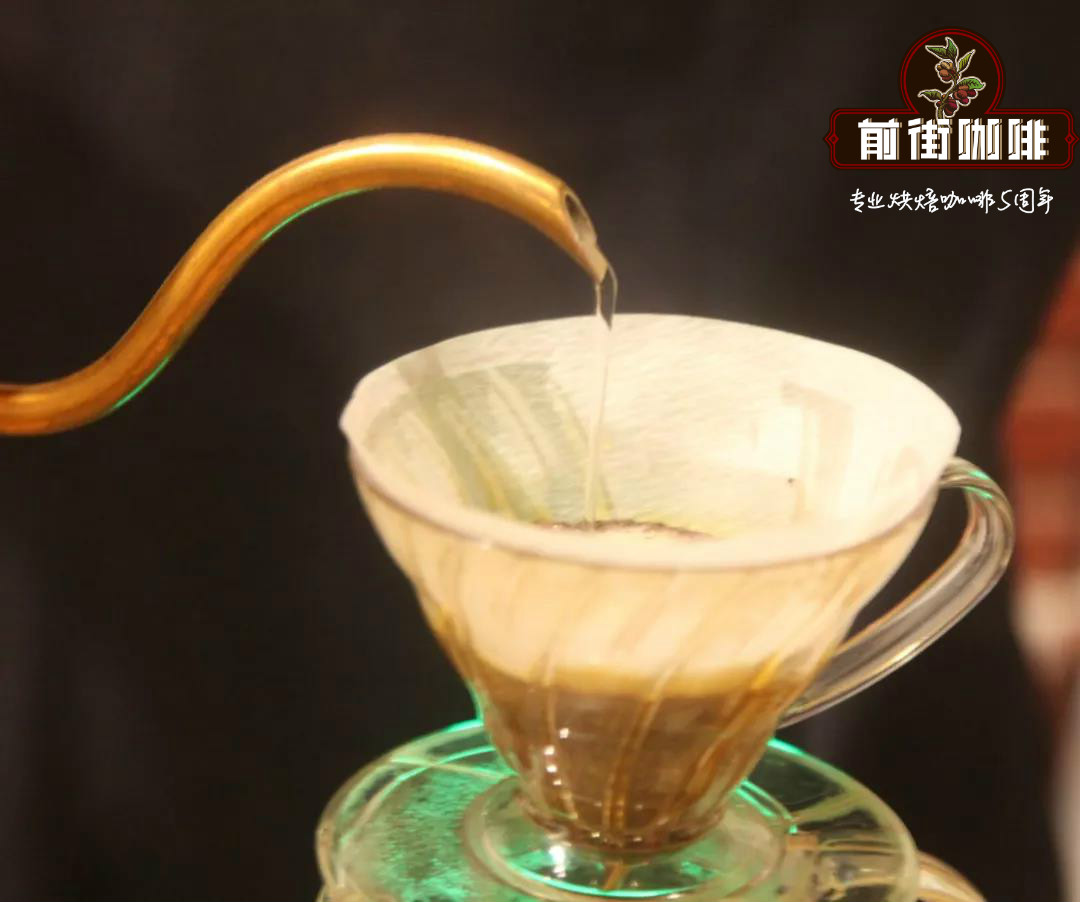
Choosing coffee beans for pour-over: the flavor differences between natural and washed beans
We often hear about processing methods such as "washed," "sun-dried," "semi-washed, semi-sun-dried," and "honey processing." Of these, the sun-dried method and the washed method are the two most common.
Even beans from the same producing region may be processed both ways.
That leaves many buyers confused at the shelf: what is the difference between washed and sun-dried? Which tastes better in a pour-over? Which one should I buy?
The Sun-Dried (Natural) Method
The sun-dried method dries harvested, fully ripe coffee cherries whole. During drying, the sugars and aromas from the pulp are well preserved and migrate into the raw bean.
Sun-drying also takes longer, which means a longer fermentation, so the cup tends to show more natural, fruity fermentation character than a washed coffee.
The Washed Method
The washed method, by contrast, uses large amounts of water along with machinery to sort the cherries and strip the pulp. This includes repeated rounds of screening to remove defective beans and debris. The washed method also involves 1-2 days of fermentation in water tanks to break down the mucilage before drying.
Through fermentation, washed coffee develops its own signature character, while the cup stays very clean, transparent, and balanced.
Differences Between Sun-Dried and Washed
Because sun-dried cherries dry whole, the bean matures naturally inside the fruit with little interference from the outside environment. Sun-dried beans therefore amplify their inherent flavors, with distinct fruit character, a rich body, intense flavors, and sweet aroma.
Washed beans, for their part, offer good body, high aroma, and lively acidity.
Put simply, sun-dried beans sit inside the pulp as they dry, which gives them pronounced fruit flavors; they are sweeter than washed beans.
Washed beans have their pulp removed before drying, which makes the inherent flavor of the bean itself easier to taste.
Historical Background
If we go by tradition, the sun-dried method is the originator of coffee processing.
Coffee's original producing regions - various African countries among them - mostly have scarce rainfall, so people dried the cherries in the sun. In countries with a tropical rainforest climate such as Indonesia, where it rains year-round, sun-drying would rot the beans, and so the washed method was developed.
From a commercial standpoint, washing can shorten processing from a month to three to five days, greatly increasing output. Ethiopian washed coffee, however, is a different case. The washed method requires large amounts of water, and Ethiopia itself has scarce water sources, so most Ethiopian beans are processed the sun-dried way.
Finding High-Quality Coffee Beans
If you are wondering whether washed or sun-dried pour-over tastes better, it ultimately comes down to personal preference - different strokes for different folks. In our view, the processing method matters less than the quality of the beans themselves.
So how do you find high-quality beans for pour-over?
1. Check the Grade
In Ethiopia, coffee is graded by defect count: G1, G2, G3, G4, and so on.
G1 and G2 are grades for washed beans. G1 means 0-3 defective beans per 300 grams of raw beans, while G2 means 4-12 defective beans per 300 grams.
G3, G4, and G5 are mostly grades for sun-dried beans, but in practice some high-quality sun-dried Yirgacheffe can meet the standards of G1 or G2 washed beans.
Higher-grade beans are naturally better in quality - though that does not rule out deterioration from long storage or poor transport.
2. Find a Reliable Roaster
A reliable roaster is the icing on the cake. The roasting masters we work with have ten years of roasting experience - genuine veterans with a distinct feel for the craft, who can draw the full flavor out of a bean.
3. Keep Tasting, and Be Patient in Your Search
Your taste buds will never deceive you. As the saying goes, knowledge gained from books is shallow. To truly appreciate the difference between these two processing methods, you need to drink more, savor more, and taste more.
FrontStreet Coffee Recommendation
To hear the difference between the two methods side by side, start with a natural and a washed bean from the same continent. FrontStreet Ethiopia HanaKui is a classic natural: its tropical fruit aroma is striking, with strawberry, passionfruit, jackfruit, and even lychee, clearly sweet and very low in bitterness, smooth and full of juice. It is the coffee people often describe as the least coffee-like coffee, and it changes the expectations of anyone who thinks coffee must be bitter.
For the washed counterpoint, FrontStreet Yirgacheffe Gedingding Cooperative shows the clean, bright side of the method: jasmine and citrus aromas, blue citrus-like acidity, and a green tea finish. The acidity is soft and bright rather than sharp, closer to the natural sweetness of fruit than to a harsh sourness, which makes it a very approachable introduction to washed coffee. If you want something juicier still, FrontStreet Kenya Little Tomato is grown at 1,550-1,750 meters in the Sika region from the classic SL28 and SL34 varieties and processed with Kenya's 72-hour double washed method, giving clear cherry tomato and dark plum notes with a clean, lingering finish.
Whichever you choose, the V60 makes a good stage for both. Hario, founded in Tokyo in 1921, redesigned its cone dripper in 2004 and launched the familiar 60-degree V shape a year later. The single large hole lets the water flow freely, so the brewer's pouring controls the speed - and with it, how much aroma and acidity reach the cup. Both a delicate washed bean and a fruit-forward natural bean show their best through that clean, fast flow.
Important Notice :
FrontStreet Coffee is a long-established specialty coffee roaster in Guangzhou China, selling freshly roasted beans from its own farm in Yunnan as well as dozens of carefully selected single-origin beans from around the world for both pour-over and espresso. The products deliver consistently excellent quality and great value, with shipping within 24 hours. Guangzhou's FrontStreet Coffee shop is recommended by many coffee lovers, and the beans are now available online at the Tmall 。
FrontStreet Coffee has moved to a new address:
FrontStreet Coffee Address: 315,Donghua East Road,GuangZhou
Tel:020 38364473
 Scan and follow the En Gafei WeChat official account. Please indicate that the reprint comes from "En Gafei".