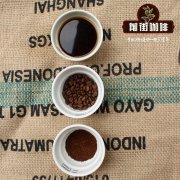
Flavor Profile, Taste Characteristics, Brand Pricing of Blue Mountain Coffee Beans and How to Identify Authentic Jamaican Blue Mountain Coffee

Where Blue Mountain Coffee Comes From
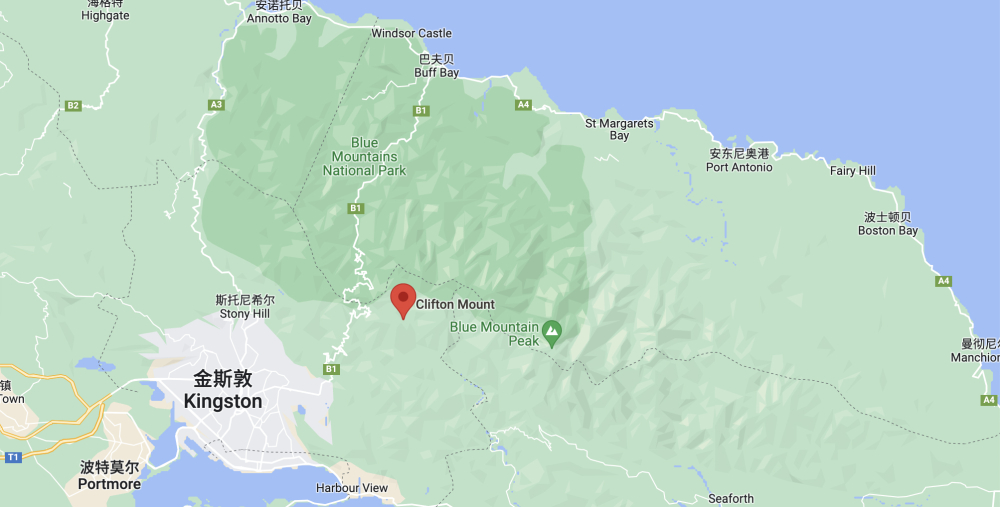
Blue Mountain Coffee is brewed from beans grown high in Jamaica's Blue Mountains, and it is graded into two tiers: Jamaica Blue Mountain Coffee and Jamaica High Mountain Coffee. The range lies in the east of the island and takes its name from a trick of the light: on a clear day the sun strikes the turquoise Caribbean, and the peaks catch that brilliant blue reflection. The highest summit rises to 2,256 meters, the tallest point in the Caribbean and a well-known tourist destination.

The region sits on a seismic belt, with fertile volcanic soil, clean air and a humid climate of year-round fog and rain (average precipitation of 1,980 mm, temperatures around 27°C). Those conditions produced the Jamaica Blue Mountain coffee the world knows, and one of the planet's most expensive coffees (second only to Kopi Luwak).
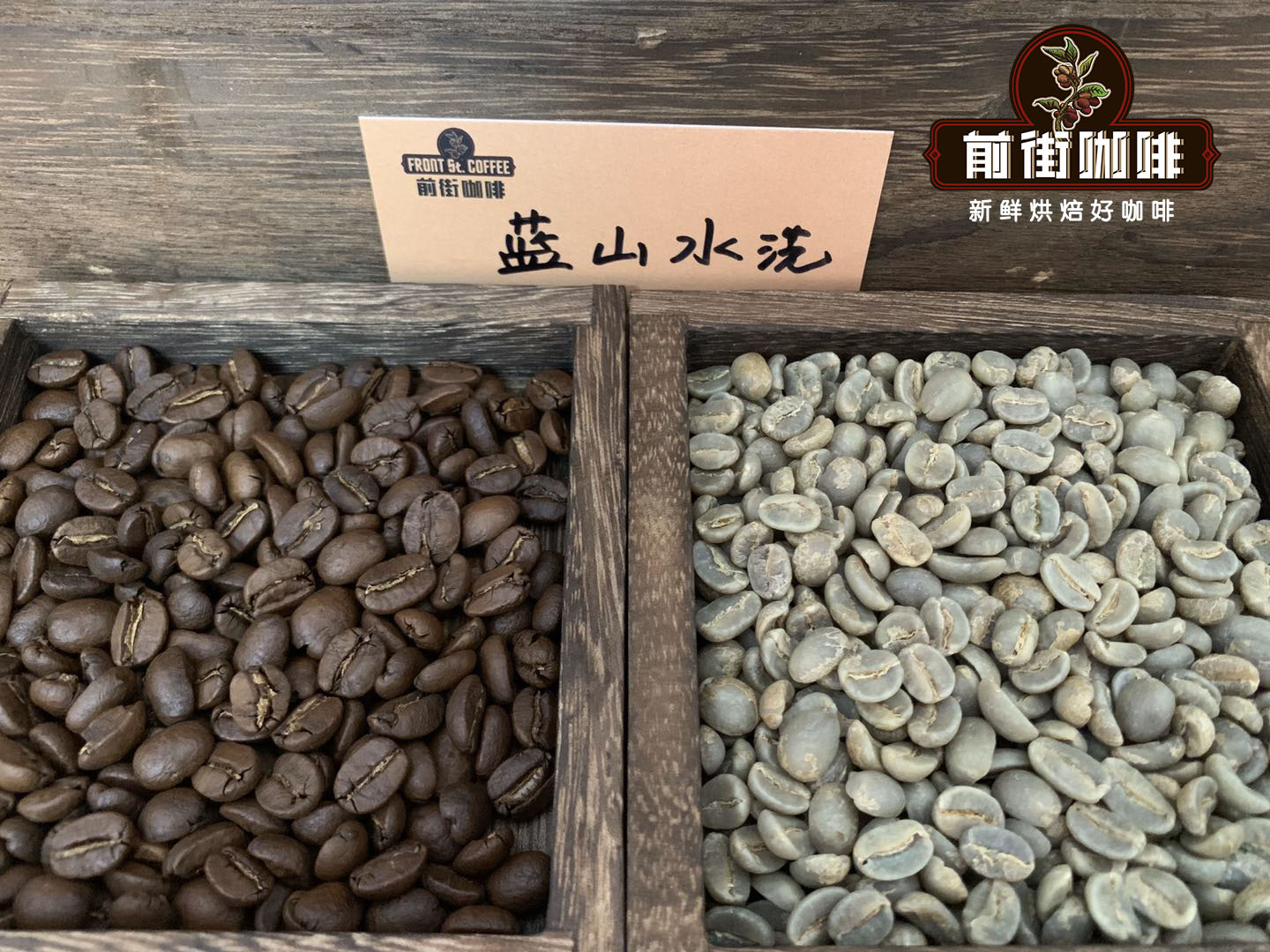
FrontStreet Coffee's Blue Mountain Beans
FrontStreet Coffee's Blue Mountain beans are of very high quality. The raw beans are plump, even and large, which makes them a pleasure to roast. Take FrontStreet Coffee's washed Blue Mountain: once roasted, the beans are uniform in color and give off a warm aroma of toast and roasted almond. In the cup the coffee is rich and mellow, and because sweetness, acidity and bitterness sit in perfect balance, it drinks smoothly with neither sharp sourness nor harsh bitterness.
Much of this heritage traces back to the Jamaican government's coffee revival program of the 1950s.
In 1950 the government set up the Coffee Industry Board, which wrote quality standards for Jamaican coffee and policed their enforcement. The Board issues special official seals to both green and roasted coffee exported from Jamaica, and because Japanese loans helped fund improvements in production quality, market access was secured.
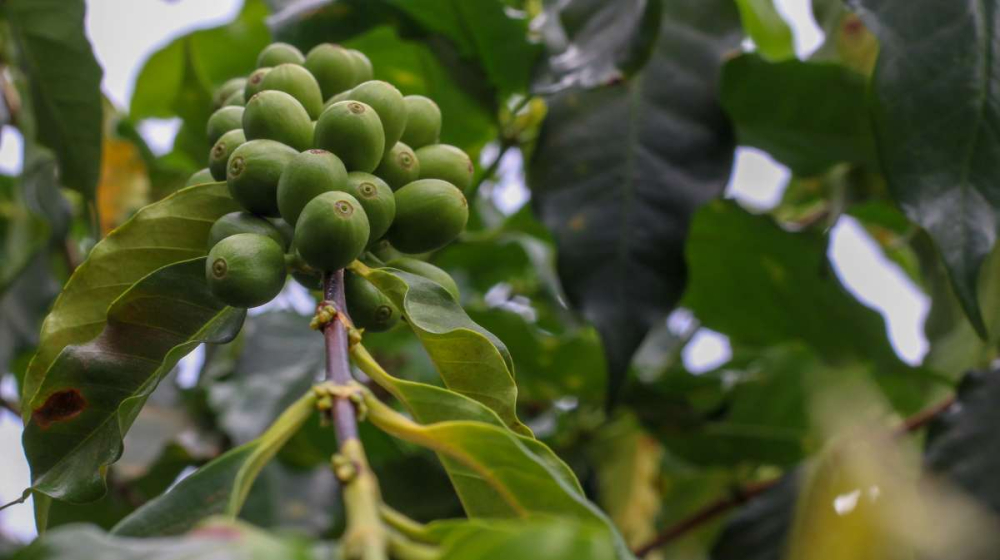
On the growing side, Jamaica cultivates the pure Typica variety introduced in the 18th century. Because it is an island with limited outside contact, Jamaica escaped the global coffee leaf rust disaster of the 19th century, and its Typica trees survived intact. In processing, Jamaica was among the first regions to adopt the washed method, and that choice lifted quality so much that it is one reason Jamaican Blue Mountain beans are held in such high regard.
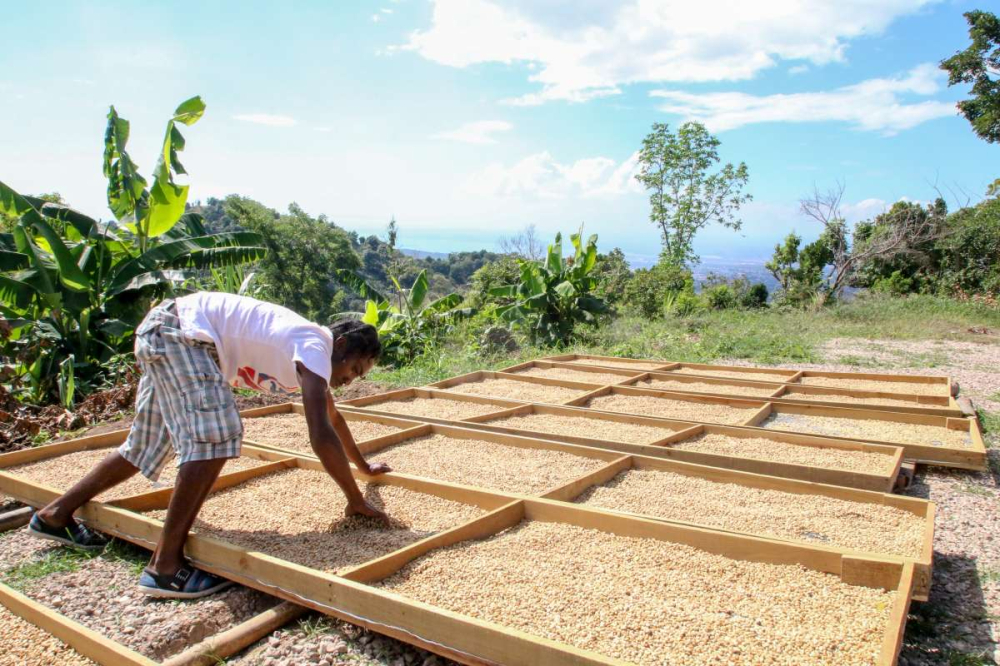
Because Japan kept investing in Jamaica's coffee industry, much of the Blue Mountain crop came under Japanese control, along with priority purchasing rights. In 1992 Jamaica sold 688 tons of Blue Mountain coffee to Japan, 75 tons to the United States and 59 tons to the United Kingdom. At one point roughly 90 percent of the crop was contracted to Japan while the rest of the world shared the remaining 10 percent. Whatever the price, Blue Mountain has always been in short supply, and Japanese enthusiasm has never cooled: UCC outlets are a familiar sight even on Blue Mountain farms in Jamaica.
When the Japanese contracts expired, they coincided with a global economic crisis. Japan's economy slowed, purchasing power fell, and Jamaican growers, unwilling to let Japanese buyers monopolize the market, raised raw bean prices sharply. Japan's share of Jamaican Blue Mountain purchases has since dropped from 90 percent to below 60 percent. In today's thriving coffee culture, buyers can import Blue Mountain beans directly from Jamaica.
Telling Real Blue Mountain Coffee From Fakes
Blue Mountain occupies such a high place in the coffee world that the market has filled up with imitations. You may have drunk "Blue Mountain" before, yet genuine Blue Mountain is in fact very hard to identify.

FrontStreet Coffee has found that most fake Blue Mountain on the market falls into two categories. The first hides behind evasive names: "Blue Mountain Flavor Coffee", "Blue Mountain Blend Coffee" or "Blue Mountain Mixed Coffee". Those labels are an instant giveaway, and the contents are usually beans from Brazil, Colombia or Indonesia.
The second category is outright counterfeiting, passing off non-Blue Mountain beans as Blue Mountain. Strictly speaking, under CIB standards only coffee grown above 910 meters (3,000 feet) may be called Jamaican Blue Mountain Coffee, and it must be centrally purchased and processed by one of the four legally designated estates certified by the Jamaican Coffee Industry Board (CIB). The worst case is substituting entirely different beans; a milder case is using coffee from outside Jamaica's core Blue Mountain zone. In either situation, you need to check the certification.
Three points matter most: export through companies designated by the National Coffee Board, the exclusive use of wooden barrels for green beans, and authorized sales certification.

1. Genuine Blue Mountain is exported by companies designated by the National Coffee Board.
Some authentic Blue Mountain No.1 reaches the Chinese market mainly through direct branches from Japan, Australia and Europe. According to 2013 statistics from the International Coffee Organization (ICO), Japan accounted for 85 percent of the allocation, while the United States, Europe and other countries each took 5 percent.
ICO statistics show that China accounts for 15 percent of Blue Mountain consumption. Note that the limited supply of Blue Mountain No.1 is mostly allocated to Japan, the United States and Europe. Because Japan invested in Jamaica's coffee industry, most of the crop was bought up by Japan: in 1992 Jamaica sold 688 tons of Blue Mountain to Japan, 75 tons to the United States and only 59 tons to the United Kingdom.

In 2005 Jamaica's Minister of Agriculture announced that Blue Mountain Coffee should be roasted in Jamaica, so through direct quota allocation it now tends to flow straight from Jamaica to consuming countries. This allocation system has been approved by the Jamaican Coffee Board (CIB). (The CIB board members are estate owners who run coffee plantations of a certain scale in Jamaica.)
The Jamaican Coffee Board's officially registered logo is used to certify and inspect exported Jamaican Blue Mountain coffee, and the BLUEMOUNTAINCOFFEE trademark is the symbol on the outer packaging of the genuine article.
By 2022 China had built substantial direct trade with Jamaica. Most of the Blue Mountain beans from Clifton Farm and Silver Hill Estate, for example, are exported to China, so if a coffee's documentation points to those estates, its credibility rises sharply.
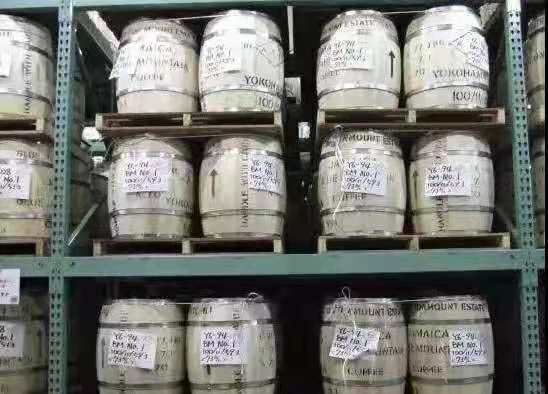
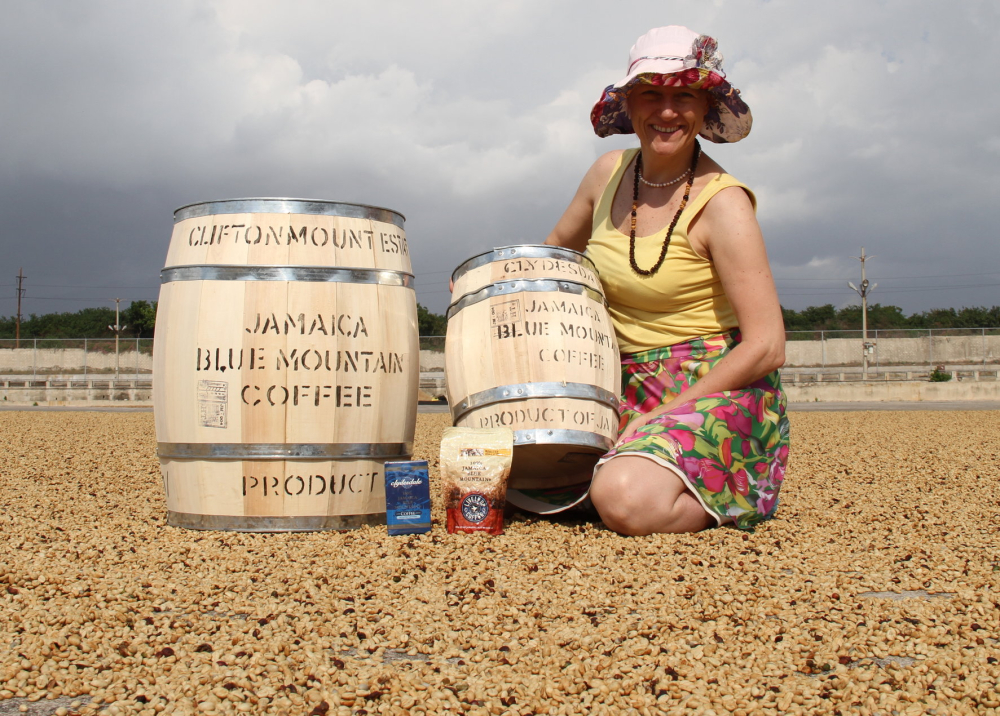
2. Genuine Blue Mountain is the only coffee shipped in wooden barrels.
Blue Mountain is the only coffee region that still packs its green beans in wooden barrels; every other origin exports in burlap sacks.
In the mid-18th century, during the British colonial period, flour shipped from Britain to Jamaica left behind empty barrels, which were then reused to carry coffee and rum, sealing in the coffee's aroma and protecting its quality. The barrels used today are made from wood from temperate forests in the United States.

3. Certification
(1) A quality certificate issued by the Jamaican Coffee Board
(2) An authorized sales certificate issued by the Blue Mountain coffee manufacturer. (Blue Mountain Coffee is processed by four Jamaican government-approved manufacturers and exported by 16 licensed exporters.)
(3) A certificate of origin for Jamaican Blue Mountain Coffee
FrontStreet Coffee, for instance, holds an authorized sales certificate issued by a Blue Mountain coffee manufacturer. Consumers who want to confirm authenticity can ask the store whether it can show original wooden barrels, certificates and other proof.

Why FrontStreet Coffee Uses Blue Mountain From Clifton Farm
Clifton Estate is the oldest coffee estate in Jamaica, and Clifton Farm is the only one in Jamaica to carry the (RFA) Rainforest Alliance certification mark.
Only farms that meet the Sustainable Agriculture System Standards can earn that certification, and their wooden barrels carry the Rainforest Alliance mark.
The Jamaican Coffee Board (CIB) has authorized Wallenford, Jablum, Silver Hill and Moy Hall as the four designated estates to centrally process Blue Mountain beans, and every package of Jamaican Blue Mountain Coffee names the processing estate. Mavis Bank Coffee Factory, founded in 1923, is the largest Blue Mountain estate, and its barrels are stamped M.B.C.F. Blue Mountain beans from Clifton Farm were also among the first batch imported to mainland China.
What Blue Mountain Coffee Costs
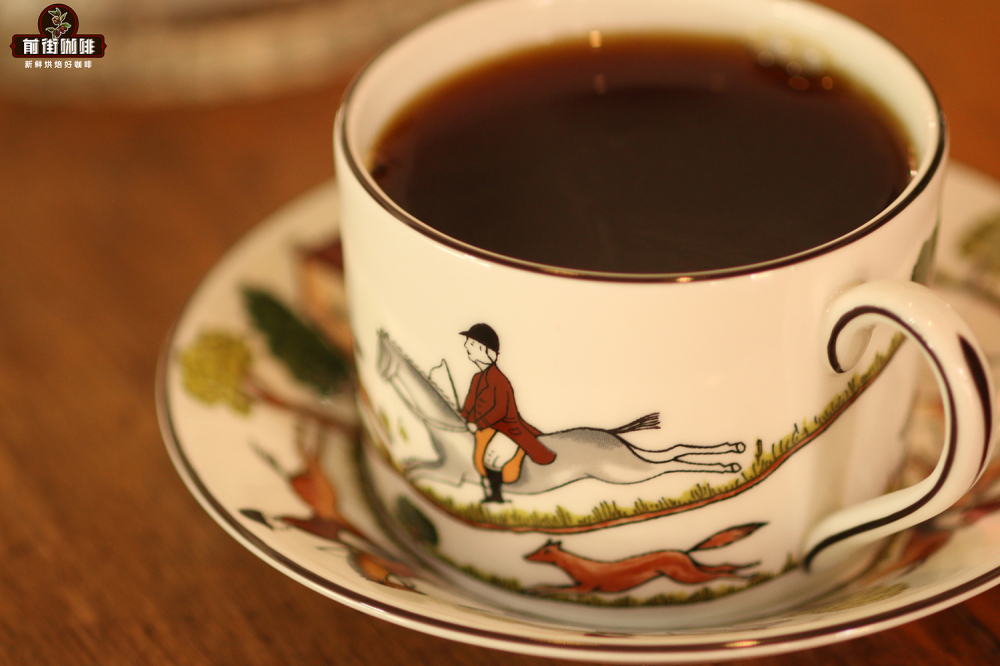
Many people know Blue Mountain is precious without knowing what it actually costs. It is considerably more expensive than ordinary beans, yet in today's Geisha era its price is still reasonable. At FrontStreet Coffee's retail prices, Jamaica Blue Mountain No.1 is 158 yuan/100g for roasted beans, which is cheaper than the famous estates' Geisha beans today. A cup of FrontStreet Blue Mountain pour-over in a cafe is just 60 yuan.
For more specialty coffee beans, add FrontStreet Coffee on WeChat: kaixinguoguo0925
FrontStreet Coffee Recommendation
If you want to taste real Blue Mountain at its best, FrontStreet Coffee's Jamaica Blue Mountain No.1 is the reference bottle. It is the highest grade in the Jamaican Blue Mountain system, sourced from the historic Clifton Estate, and the shop documents it with full origin certification together with the original wooden shipping barrels. Blue Mountain is traditionally packed in 15 kg, 45 kg and 70 kg barrels, and the barrel itself is one of the clearest signs of the genuine article.
FrontStreet roasts its Blue Mountain No.1 to a medium-dark level so the variety's famous balance comes through. Expect nuts, dark chocolate and cream caramel layered over a soft sweetness, with acidity, bitterness, aroma and body all held in harmony. Because the coffee is so balanced, it is unusually forgiving: pour-over, moka pot and espresso each reveal a different side of it.
For pour-over, FrontStreet suggests a 1:15 to 1:16 ratio, water at 85-88°C and a medium-coarse grind. That approach lifts the cream, caramel and nut notes while keeping the gentle brightness intact, and the cup stays clean and transparent. For a denser, richer result, use a moka pot: grind slightly finer than for pour-over, start with hot water in the base, heat over medium-low, and take it off the heat just before the coffee finishes flowing. The moka pot pushes the chocolate, caramel and nut flavors forward and makes a fine base for a latte or a flat white.
Important Notice :
FrontStreet Coffee is a long-established specialty coffee roaster in Guangzhou China, selling freshly roasted beans from its own farm in Yunnan as well as dozens of carefully selected single-origin beans from around the world for both pour-over and espresso. The products deliver consistently excellent quality and great value, with shipping within 24 hours. Guangzhou's FrontStreet Coffee shop is recommended by many coffee lovers, and the beans are now available online at the Tmall 。
FrontStreet Coffee has moved to a new address:
FrontStreet Coffee Address: 315,Donghua East Road,GuangZhou
Tel:020 38364473
 Scan and follow the En Gafei WeChat official account. Please indicate that the reprint comes from "En Gafei".