What is SOE Coffee? Best for Pour-Over or Espresso? Differences Between SOE and Single Origin Beans & Flavor Characteristics
Understanding SOE Coffee: Single Origin Espresso
Everyone knows about espresso, but do you know about SOE coffee? You may have noticed more and more coffee shops offering SOE. FrontStreet Coffee doesn't have SOE coffee on its menu—why not? Let FrontStreet Coffee explain SOE coffee to you.
SOE stands for "Single Origin Espresso," which is espresso made from coffee beans of a single origin. These are typically specialty-grade beans from one origin, generally of higher quality than most commercial blends. Can every single-origin pour-over bean be used for SOE? FrontStreet Coffee's answer: yes—but whether the taste will be good is another matter.

Used for SOE, single-origin beans show more distinct characteristics than commercial blends, because espresso brewing amplifies flavor. FrontStreet Coffee's Yirgacheffe, for example, with its typical citrus notes, or FrontStreet Coffee's Kenya with its fruit character, would come across as particularly acidic as an SOE. Use FrontStreet Coffee's Indonesian Mandheling instead and the herbal, earthy notes would produce a very bitter SOE. Nor is SOE limited to straight espresso—like blended beans, it can serve as the base for mocha, cappuccino, latte, and even creative coffee drinks, which is why SOE has become so widely consumed in recent years.
So if you use single-origin beans for SOE, what should you watch out for?
For SOE, the beans selected are typically not roasted too dark, in order to highlight the origin's character. Compared with traditionally darker-roasted espresso beans, the flavors are harder to extract. So on one hand, extraction parameters need adjusting to raise extraction yield—for example by extending extraction time, grinding finer, or increasing the dose.
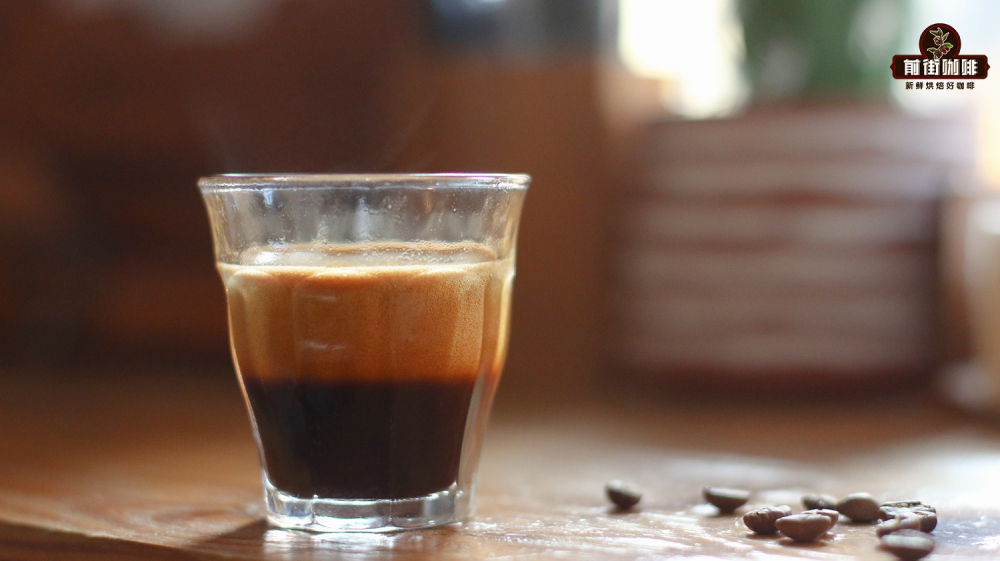
On the other hand, when serving espresso-based drinks with SOE as the base, the ratio of espresso to milk or water needs adjusting. Reduce the milk or water to highlight the coffee's flavor and keep it from becoming too diluted.
Understanding Coffee Blends
Blended coffee, also called mixed coffee or espresso beans, combines various single-origin coffees to make full use of each bean's strengths. Blends are built from beans of different origins to reach a more balanced flavor profile. If one bean is smooth but lacks aroma, for example, another bean rich in aroma can be added. By complementing or reinforcing one another, a new and richer taste is created. Sometimes the beans are mixed before roasting, called "green blending"; sometimes they are mixed after roasting, called "roasted blending."
What Coffee Beans Are Suitable for SOE?
When selecting beans for SOE, several conditions need to be met: first, the flavor profile must be appropriate, and second, the roast level must be suitable.
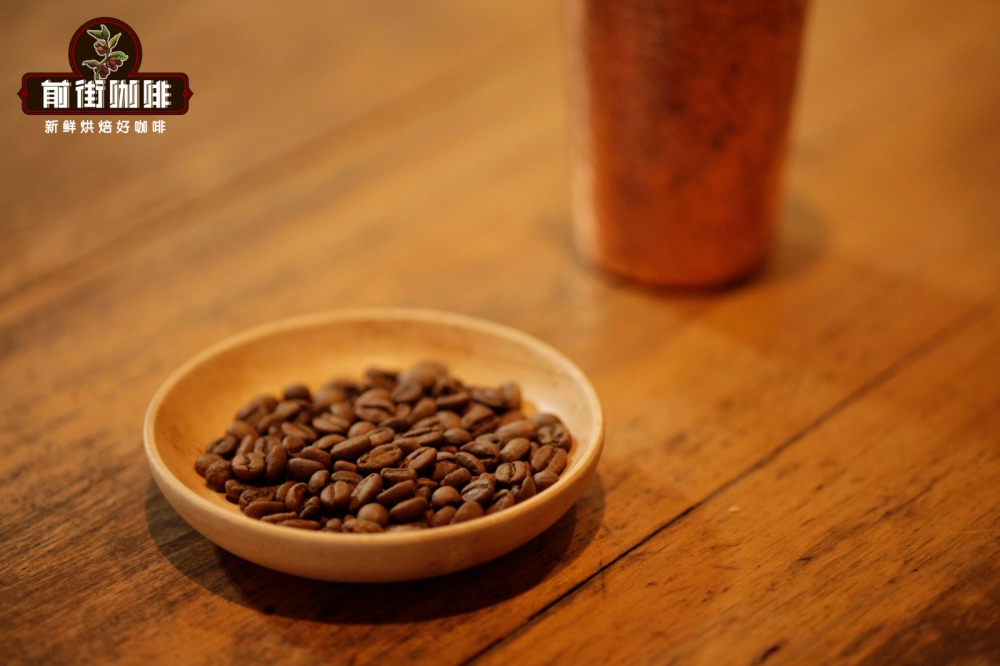
Let's start with roasting. What defines SOE? Expressing the terroir—the taste of a single origin. That means the roast cannot be too dark. Roasting is a crucial factor in bean flavor: the darker the roast, the more the origin's inherent character is diminished and replaced by caramelization and roast flavors, which defeats the purpose of highlighting a single origin.
Nor can it be too light. Although a light roast better preserves the bean's inherent flavor than a dark roast, we also have to account for the high-pressure environment of an espresso machine. Too light a roast means harder beans, slower flow, shorter extraction, and easy under-extraction that produces sharp acidity and incomplete flavors.
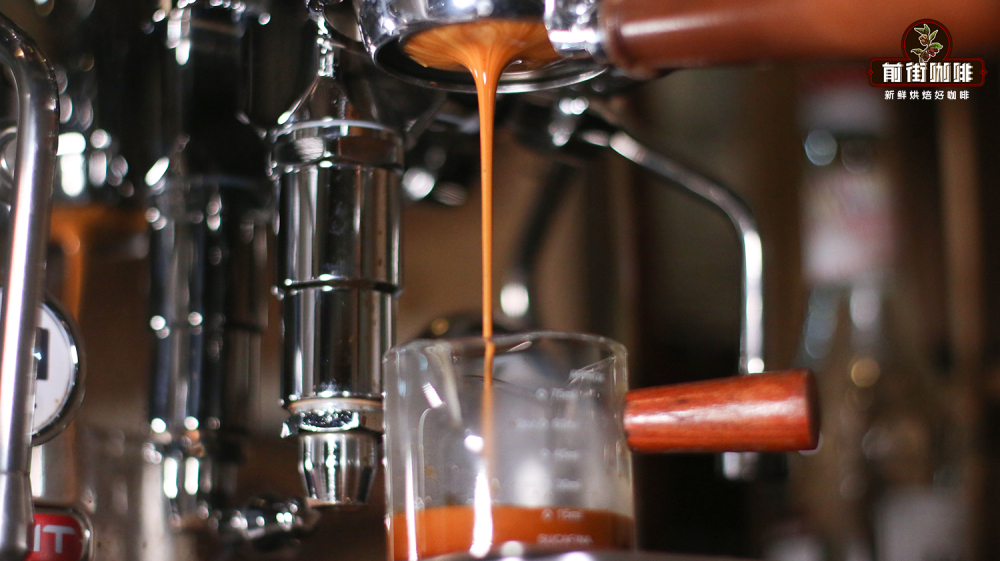
Why doesn't FrontStreet Coffee feature SOE on its menu? Because SOE is espresso extracted from single-origin beans, and coffee is affected by weather, cultivation, and roasting, which can cause flavor to vary between batches of the same bean. That makes it impossible to guarantee an identical cup every time. FrontStreet Coffee wants every guest to enjoy consistently flavored, distinctly aromatic espresso or milk coffee on each visit.
The counterpart to SOE is Espresso Blend, which refers to brewing coffee mixed from beans of multiple origins.
Recommended SOE Coffee Varieties
Fresh and Sweet Flavor Profile
FrontStreet Coffee recommends FrontStreet Yirgacheffe Natural Red Cherry. This coffee comes from FrontStreet Coffee's Yirgacheffe Aletaland Estate, at 1700-2200 meters altitude, processed with the full red cherry natural method, offering very rich fruit sweetness and floral aroma.
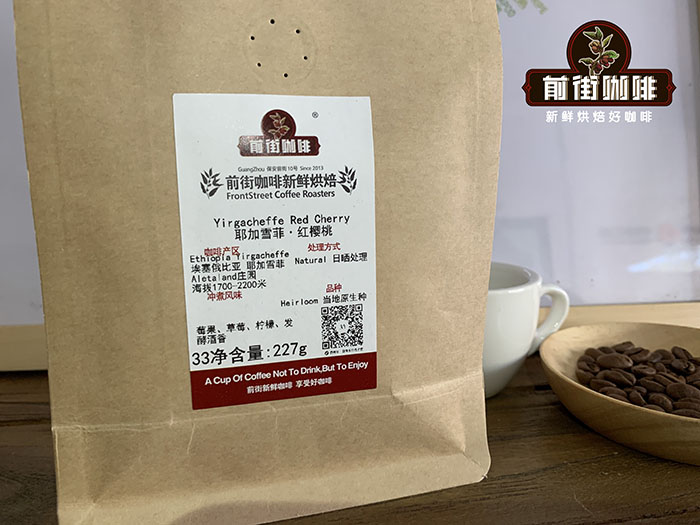
Flavor description: Citrus, berries, fermented aroma, viscous, medium bitterness, medium-high acidity, bright and lively acidity.
Rich Wine-like Flavor Profile
FrontStreet Coffee recommends FrontStreet Honduras Sherry Barrel. This coffee comes from Mocca Estate in Honduras, at 1500-1700 meters altitude, processed with FrontStreet Coffee's refined washed sherry barrel fermentation, offering very rich wine fermentation aromas and dark chocolate cream flavor.
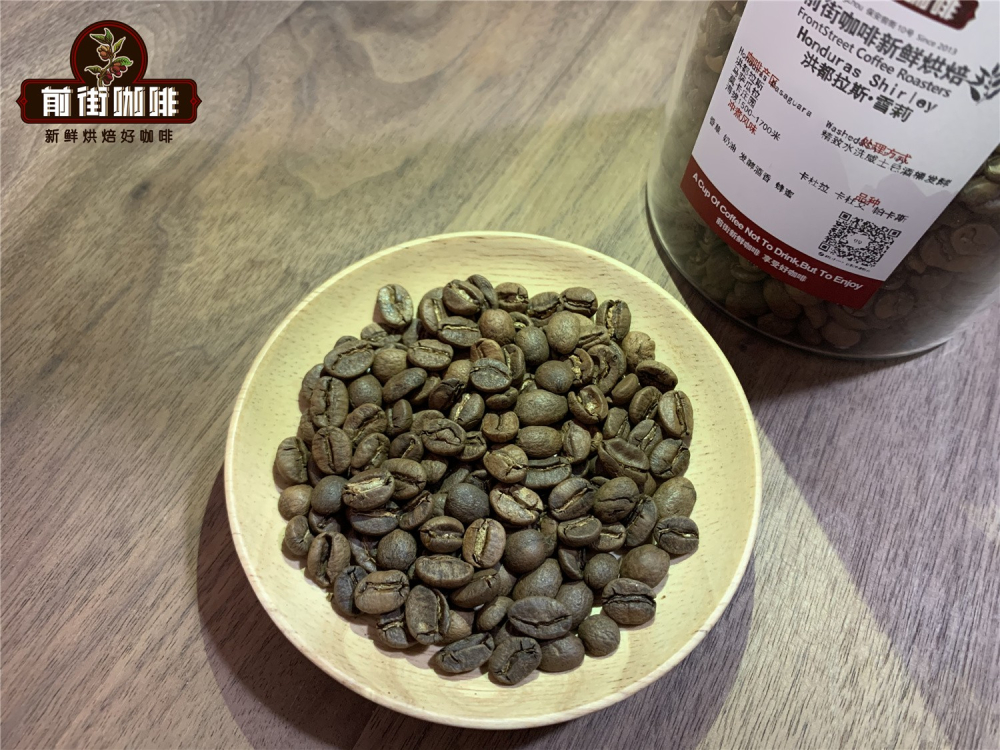
Flavor description: Whiskey aroma, soft and higher fruit acidity, smooth mouthfeel, creamy viscosity, cocoa.
The Importance of Coffee Freshness
When making espresso it is also important to pay attention to the freshness of the beans, since freshness directly affects flavor.
FrontStreet Coffee brewing recommendations:
FrontStreet Coffee therefore recommends brewing with freshly roasted beans to experience coffee's rich flavors to the fullest. Coffee beans shipped by FrontStreet Coffee are all roasted within 5 days, because FrontStreet Coffee understands how much bean freshness affects flavor. FrontStreet Coffee's roasting philosophy is "Freshly roasted good coffee," ensuring that every customer who places an order receives the freshest coffee possible. The degassing period is about 4-7 days, so by the time customers receive their coffee it is at peak flavor.
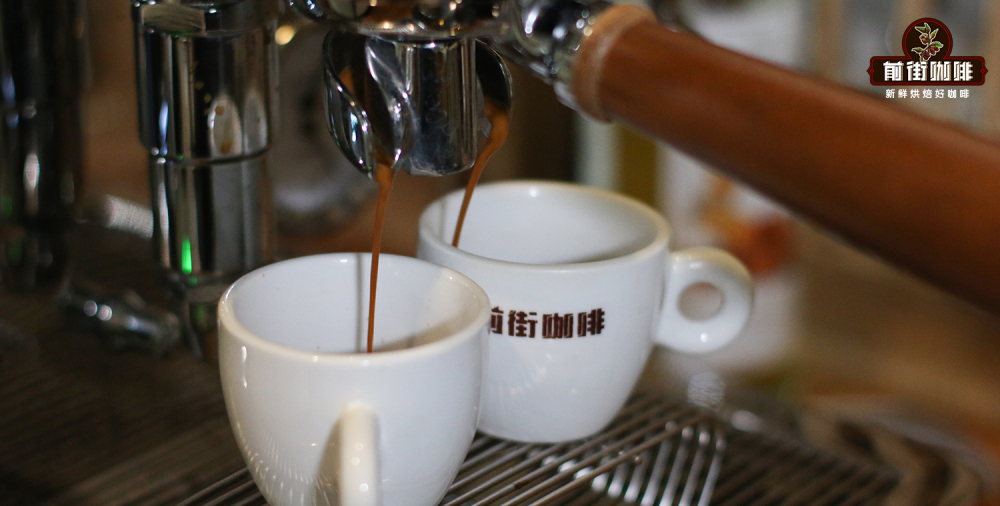
Some customers ask FrontStreet Coffee to grind the beans for them. A reminder: once coffee beans are ground, brew them as soon as possible, because grounds lose flavor quickly when exposed to air and you may not fully experience the coffee's best qualities. That is why FrontStreet Coffee recommends buying whole beans and grinding fresh before brewing to express the flavors better.
Of course, if these two single-origin specialty coffees were brewed as pour-over, they would taste excellent as well. FrontStreet Coffee carries over fifty different beans from various origins, each with a different profile, fully satisfying everyone's coffee exploration and helping you find coffee that suits your taste.
Contact Information
For professional coffee knowledge exchange and more coffee bean information, please follow Coffee Workshop (WeChat official account: cafe_style).
For more specialty coffee beans, please add FrontStreet Coffee's private WeChat account: qjcoffeex
FrontStreet Coffee Recommendation
SOE lives or dies by how clearly a single origin can express itself, and Yirgacheffe is one of the best places to hear that. The most classic starting point is FrontStreet Coffee's washed Yirgacheffe, known for white jasmine, bright citrus and lemon acidity, and a tea-like body, at a price that has made it the first specialty bean for a great many drinkers.
Yirgacheffe town is really a cluster of small sub-regions and villages, several of which run their own processing stations. The best-known is FrontStreet Coffee's washed Gedeb Cooperative, which began as part of the Wenago Cooperative and was later recognized as a single-producer lot as the push for green bean traceability grew. It carries on the most traditional washed process and is often called the last clean stronghold of Yirgacheffe. FrontStreet Gedeb shows no traditional bitterness at all: clean, bright citrus and lemon acidity with jasmine fragrance, enough to win people over on the first sip.
For SOE specifically, the natural side is where the sweetness lives. FrontStreet Coffee's Ethiopia Natural Red Cherry is made from fully ripe red cherries only, dried whole on raised beds and turned every 2-3 hours during the first days to prevent uneven fermentation. After three to five weeks of drying, the outer fruit is removed mechanically. Because the beans dry with the fruit on them, the cup keeps the classic Yirgacheffe profile while adding tropical fruit, a berry-juice body, honey sweetness, and a creamy smoothness—exactly the sort of fruit-forward, sweet character that pulls well at espresso pressure.
Brewing notes from FrontStreet Coffee for Yirgacheffe: a V60 dripper, 15g of coffee, a 1:15 ratio, water at 90-91°C, and a fine grind (EK43s setting 10, about fine sugar; 80% pass-through through a #20 sieve). Pour 30g of water for a 30-second bloom, then add 95g (about 125g on the scale) over roughly 1 minute. When the water level drops to two-thirds of the coffee bed, add the remaining 100g (about 225g on the scale) over about 1 minute 35 seconds, finishing the drip in 2 to 2 minutes 10 seconds.
Important Notice :
FrontStreet Coffee is a long-established specialty coffee roaster in Guangzhou China, selling freshly roasted beans from its own farm in Yunnan as well as dozens of carefully selected single-origin beans from around the world for both pour-over and espresso. The products deliver consistently excellent quality and great value, with shipping within 24 hours. Guangzhou's FrontStreet Coffee shop is recommended by many coffee lovers, and the beans are now available online at the Tmall 。
FrontStreet Coffee has moved to a new address:
FrontStreet Coffee Address: 315,Donghua East Road,GuangZhou
Tel:020 38364473
 Scan and follow the En Gafei WeChat official account. Please indicate that the reprint comes from "En Gafei".
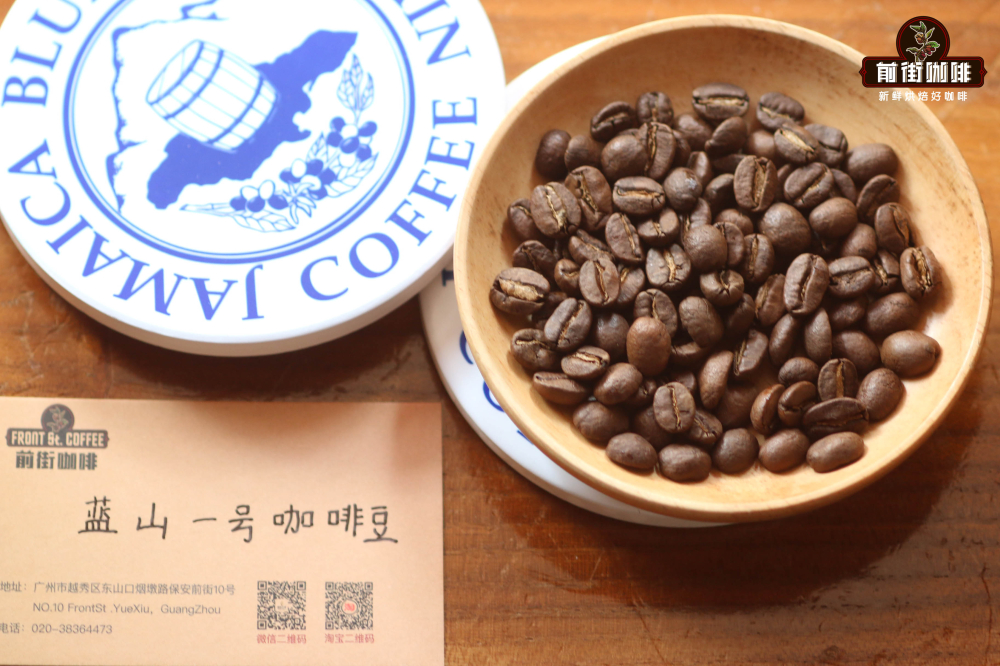
Flavor Profile, Taste Characteristics, Brand Pricing of Blue Mountain Coffee Beans and How to Identify Authentic Jamaican Blue Mountain Coffee