How to Identify Over-Extracted Pour-Over Coffee and Solutions for Adjustment
Understanding Coffee Extraction
When freshly roasted beans are ground into particles and meet hot water, they release a wide range of soluble flavor compounds - and everything that dissolves into the cup shapes the texture and taste you experience.
Over-extracted coffee is simply coffee from which too much has been dissolved - more than the beans should ever have given up - and the result is a cup full of undesirable flavors.
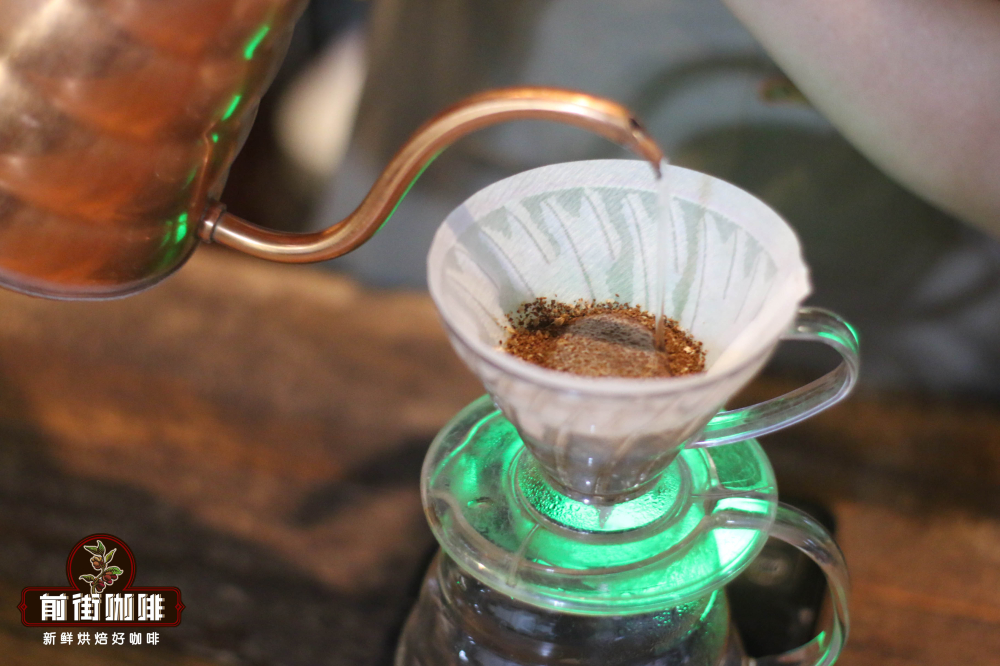
By composition, a single coffee bean is about 70% woody fiber and 30% soluble material. Of that soluble portion, roughly 20% consists of positive flavor compounds, while the remaining 10% or so is made up of bitter, negative-tasting substances. This is why a delicious, well-balanced cup targets an extraction yield of 18-22%.
Not all flavor compounds dissolve at the same speed or at the same moment. As a rule, the positive compounds extract first, while the negative ones need considerably more time to dissolve.
Sweet and acidic flavor molecules are relatively small, so hot water releases them easily; bitter and unpleasant molecules are larger and only emerge in the middle and later stages of the brew.
If a brew captures only the small molecules and never reaches the large ones, the coffee will taste noticeably sweet and sour but hollow - thin-bodied and, lacking the balancing contribution of bitterness, sharply acidic. FrontStreet Coffee calls this under-extraction.
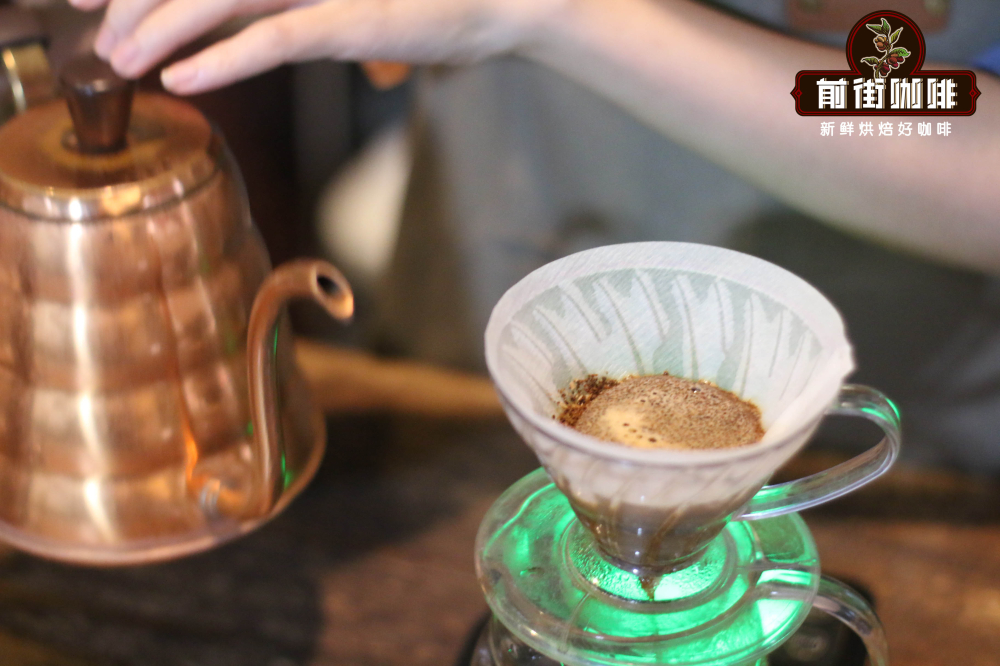
If, on the other hand, the brew pulls through all the small molecules and then drags out too many of the large ones, sweetness and acidity get buried under bitterness, and the cup takes on a dry, astringent feel that is hard to swallow. This is what FrontStreet Coffee calls over-extraction.
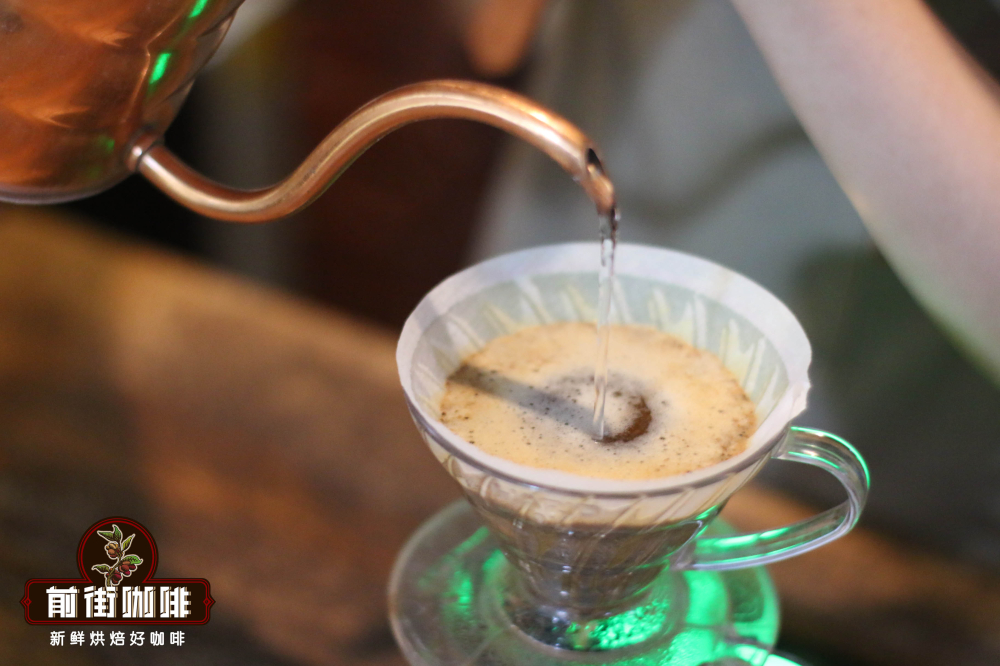
What Drives Over-Extraction
From years of brewing experience, FrontStreet Coffee identifies two principal causes of over-extraction: water that is too hot and coffee ground too fine. Roast level also plays a role, since beans at different roast degrees extract at different rates.
FrontStreet Coffee's roasting experience shows that beans roasted for a shorter time - lighter roasts - are typically denser after roasting, and their flavor compounds dissolve into water less readily.
That is why, when brewing light to medium roasts, FrontStreet Coffee recommends a medium-fine grind (roughly fine-sugar texture, 75-80% pass-through on a China #20 standard sieve) paired with 90-91°C water.
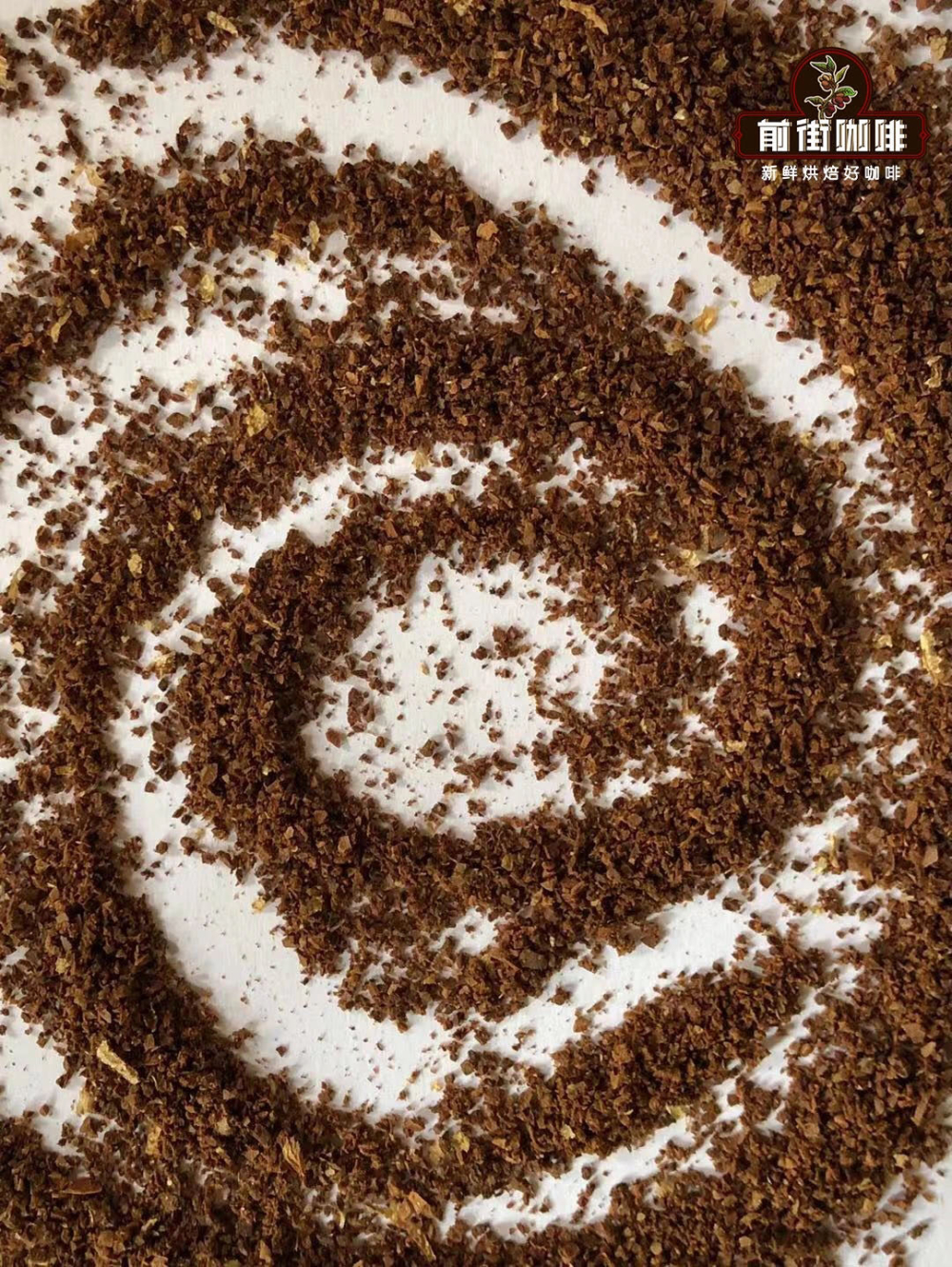
Medium-dark to dark roasts behave differently. Longer roasting times and development into second crack leave the bean structure looser, so their soluble compounds release into water much more easily.
Accordingly, for dark roast beans FrontStreet Coffee recommends a medium-coarse grind (coarse-sugar texture, 65-70% pass-through on a China #20 standard sieve) with slightly cooler 88-89°C water.

Extraction Is Not a Hard Rule
In practical brewing, FrontStreet Coffee has found that depending on a coffee's variety, processing method, roast degree, and other variables, some cups extract below 18% and taste somewhat flat yet remarkably clear in flavor, while others extract above 22% and taste intense without showing real astringency. For these cases, FrontStreet Coffee prefers the descriptions "low extraction" and "high extraction" rather than treating 18-22% as an absolute verdict.
FrontStreet Coffee Recommendation
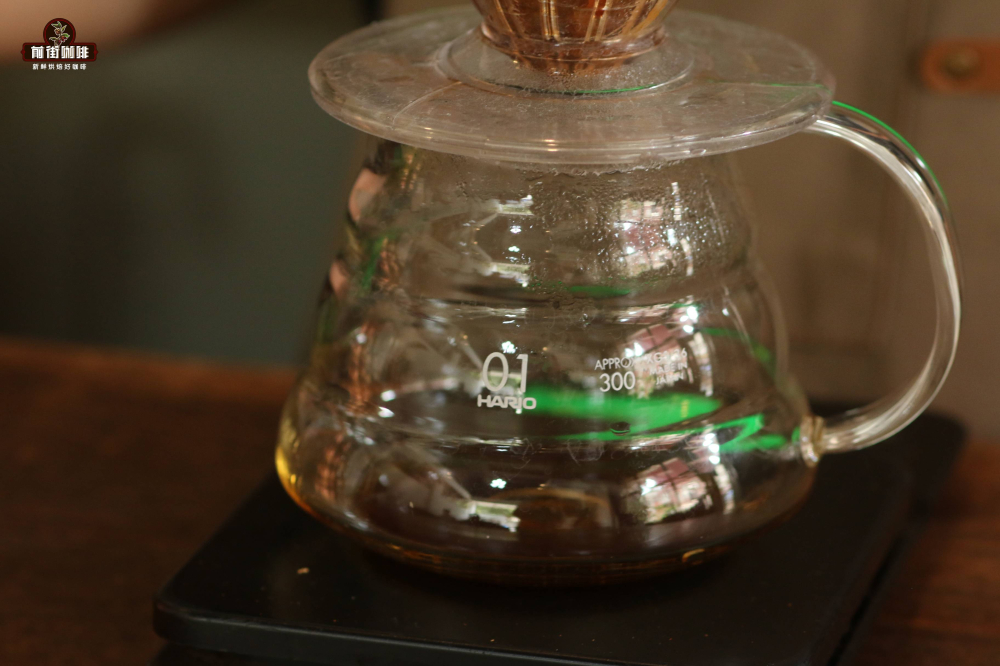
The dripper itself shapes how much control you have over extraction, and FrontStreet Coffee's workhorse is the resin Hario V60. Hario, founded in Tokyo in 1921 as a maker of heatproof laboratory glassware, redesigned the V60 in 2004 and launched it commercially the following year, naming it after its 60-degree cone angle and V-shaped profile. That geometry forces water toward the center before it drips through, extending contact between water and grounds so that aroma and flavor extract fully, while the single large outlet leaves flow rate almost entirely in the brewer's hands.
For a V60 built to highlight florals, fruit acids, and delicate sweetness, FrontStreet Coffee recommends light-roast, fruit-forward beans such as the Yirgacheffe Guodingding (bright citrus, berries, florals, and a green-tea finish), the Ethiopia Huakui (strawberry, passion fruit, jackfruit, and lychee with juicy sweetness and almost no bitterness), the Panama Esmeralda Red Label Geisha (jasmine florals with citrus, bergamot, and black-tea refinement), and the Kenya Little Tomato from Thika, grown at 1550-1750 m on SL28 and SL34, double-fermented washed for 72 hours, bursting with cherry-tomato and dried-plum acidity like fresh-pressed juice.
If your palate leans toward heavier, low-acid cups, the deep-roast PWN Indonesia Golden Mandheling (herbal, dark chocolate, long and velvety) and the Brazil Fazenda Rainha estate (balanced, nutty, cocoa and caramel sweetness) are equally rewarding through the same dripper.
Important Notice :
FrontStreet Coffee is a long-established specialty coffee roaster in Guangzhou China, selling freshly roasted beans from its own farm in Yunnan as well as dozens of carefully selected single-origin beans from around the world for both pour-over and espresso. The products deliver consistently excellent quality and great value, with shipping within 24 hours. Guangzhou's FrontStreet Coffee shop is recommended by many coffee lovers, and the beans are now available online at the Tmall 。
FrontStreet Coffee has moved to a new address:
FrontStreet Coffee Address: 315,Donghua East Road,GuangZhou
Tel:020 38364473
 Scan and follow the En Gafei WeChat official account. Please indicate that the reprint comes from "En Gafei".