PACHE Coffee Variety Introduction: Typica Descendant and How to Brew Guatemalan PACHE Coffee
An ancient civilization paired with ancient coffee history, the two blend together harmoniously. When cultures from different regions merge, they create something new, leaving a lingering exotic charm in this old land that has become part of the country's cultural heritage. This is Guatemala, where the ancient Maya still resonate!
The Ancient Civilization of Guatemala
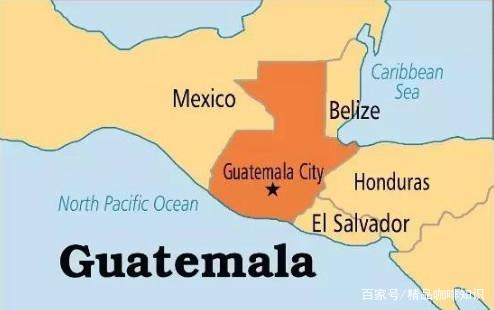
In the indigenous language, Guatemala means "land of abundant forests," and it was one of the centers of ancient Mayan culture.
Located in Central America, Guatemala occupies a unique position, linking North America to the north and South America to the south. Facing the Caribbean Sea and the Gulf of Mexico, its climate is relatively humid and warm, making it one of the world's major coffee origins. Guatemala's coffee belt lies above 1,500 meters, between 14–16 degrees north latitude, where it's easiest to grow extremely hard beans.
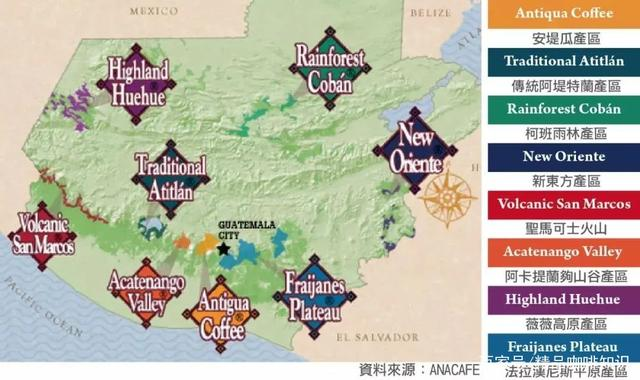
Guatemala has seven major coffee-growing regions, of which Nuevo Oriente is the youngest. It receives abundant rainfall and belongs to the same rainforest zone as Cobán, though with slightly less humidity and precipitation. Until the 1980s, this was one of Guatemala's poorest areas, until growing demand for specialty coffee drew mountain residents into cultivation and revitalized the region.
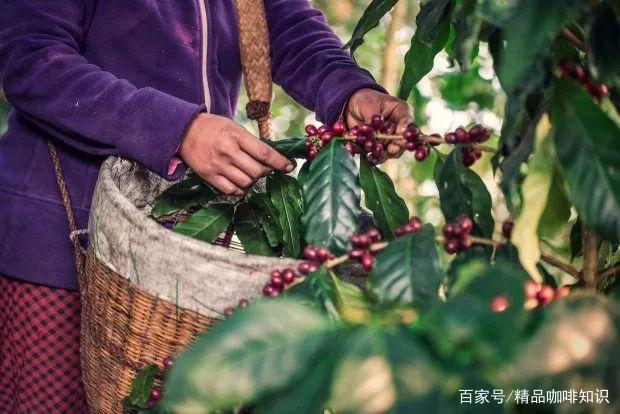
Guatemalan Varieties
Guatemala's coffee varieties are mainly Bourbon, Typica, Catuai, and Caturra. Today FrontStreet Coffee introduces one in particular, Pache, a natural mutation of Typica. Pache brings out cocoa notes and a rich mouthfeel. (By comparison, Catuai presents almond, stone fruits, and some fruity notes, also a descendant of Typica lineage stock, but not considered a top-quality cup.) This resilient plant grows between 3,500 and 6,000 feet (1,067–1,827 meters) above sea level.
Pache is a natural mutation of Typica. The plant is smaller, allowing denser planting and higher yields. It suits cultivation at altitudes above 1,200 meters in regions with annual rainfall below 2,500 millimeters. The variety was discovered in 1949 at the Brito farm in Santa Cruz Naranjo, Guatemala.
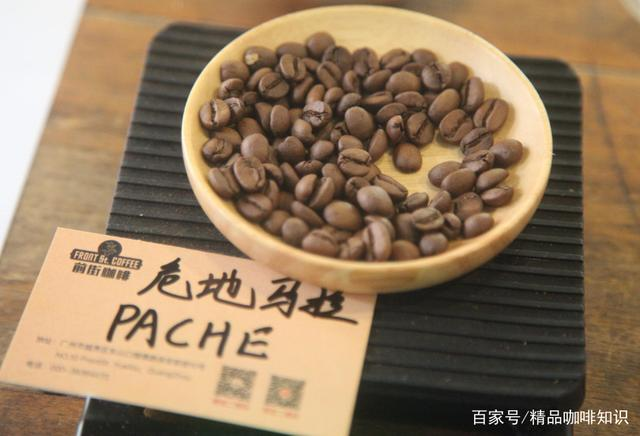
Example: FrontStreet Coffee Guatemala Little Blueberry Estate Pache
Country: Guatemala
Region: Nuevo Oriente
Altitude: 1,550–1,800 meters
Processing: Natural process
Grade: SHB (Strictly Hard Bean)
Variety: PACHE
Little Blueberry Estate
Little Blueberry Estate has ranked among the top three in Guatemala's Cup of Excellence for three consecutive years (2nd in 2015, 3rd in 2014, 2nd in 2013; and 4th in 2017). It is one of the highest-altitude and most prestigious estates in all of Guatemala. The owner manages the farm professionally, even challenging the limits by growing coffee at 2,300 meters, pushing the boundary of how high Arabica can go while still yielding better flavor. In recent years the estate has shown exceptional strength in various competitions.
Because of the extreme altitude, you must pass through two cloud layers to reach the farm. The cold climate nurtures remarkably resilient fruit and cultivates exceptional coffee flavors. The owner plants different varieties in different sections, each with a slightly different profile. The Pache grown here brings out cocoa flavors and a rich mouthfeel. As a rare natural-process lot from Guatemala, this coffee features pronounced black cherry and blueberry flavors worth savoring.
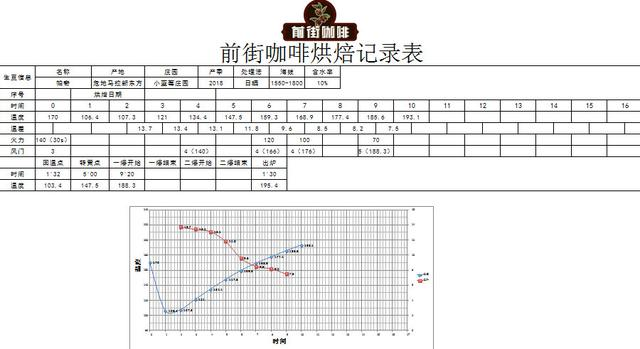
FrontStreet Coffee Roasting Recommendations
Machine: Yangjia 800N semi-direct-flame roaster
Because this Pache is an excellent natural-process bean whose greens already carry rich fruit flavors, FrontStreet Coffee's roaster chose a light roast to showcase them.
Preheat the roaster to 170°C before charging, with the damper at 3. Turn on the heat after 30 seconds, adjusting the flame to 140 while keeping the damper unchanged. The turning point comes at 1'32" at 103.4°C. At 140°C, keep the flame unchanged and open the damper to 4. The beans turn yellow at 5 minutes, the grassy aroma fades, and the drying stage begins. Reduce the flame to 120, keeping the damper at 4. At 176°C, adjust the flame to 100 with the damper unchanged.
Drying completes at 8'30, when wrinkles and dark spots appear on the bean surface and the toast aroma turns to coffee fragrance, heralding first crack. Listen carefully for it: first crack begins at 9'20", at which point open the damper fully to 5 and reduce the flame to 70. Development after first crack runs 1'30", dropping at 195.4°C.
FrontStreet Coffee Brewing Recommendations
Dripper: Hario V60
Water temperature: 90°C
Coffee-to-water ratio: 1:15
Grind size: BG#6s
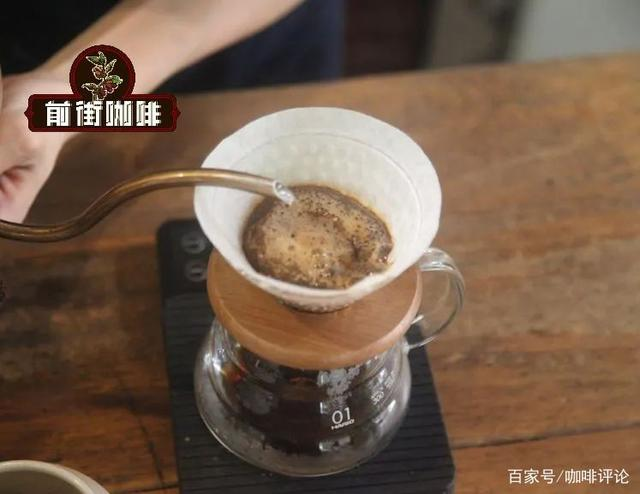
Brewing method: 30 g of water for a 30-second bloom, then pour to 125 g in stages. When the water level drops and is about to expose the coffee bed, continue pouring to 225 g and stop. When the level again drops and nearly exposes the bed, remove the dripper. (Timing starts from the bloom.) Total extraction time is two minutes.
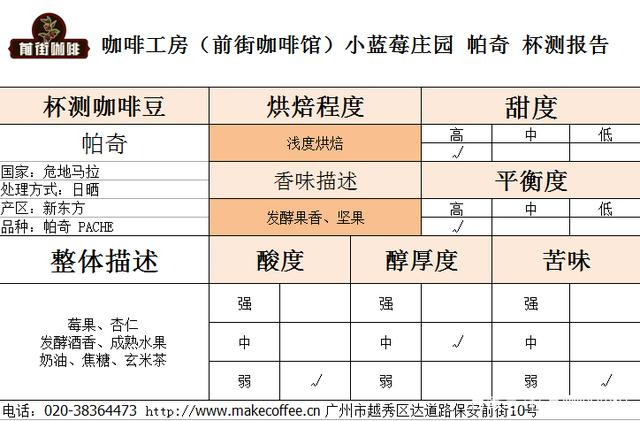
Flavor description: On grinding, you get strong nutty and spice aromas with a slight fermented-berry note. Served hot, the entry is well balanced, with fermented fruit and roasted rice-tea notes plus nut and almond flavors. As it cools, citrus, berries, and the sweet-tartness of ripe fruit emerge, with a lasting sugarcane finish. Overall, remarkably sweet and balanced.
FrontStreet Coffee Recommendation
FrontStreet carries five espresso blends in different styles, and every bag ships within 5 days of roasting so you taste the coffee at its fullest.
FrontStreet Specialty Blend, for home/office and specialty neighborhood cafés. Colombia washed and Brazil pulped-natural beans with nut, dark chocolate, and caramel notes plus a comfortable bittersweetness. With milk it makes a silky latte that holds latte-art patterns steadily; its rich roast aroma even layers beautifully in a Dirty, with a deep-brown surface.
FrontStreet Commercial Blend, for all types of cafés. Colombia washed, Brazil pulped-natural, and a small amount of Robusta, showing nut, cocoa, and caramel flavors. The classic Brazil-plus-Colombia pairing with a touch of Robusta enriches the layers: toasted bread, almond, and walnut aromatics, excellent crema flow, low acidity, and a full body, combined with the price advantage, the obvious best choice for opening a shop.
FrontStreet Black Cocoa Blend, recommended by many baristas; suits cafés, bakeries, drink shops, and home machines. Yunnan washed small-bean and Brazil pulped-natural. It combines nut-toned ripe-plum acidity and, when ground, releases cream chocolate and cocoa cookie aromas, balanced, with golden-glossy crema. Great for shops or home use.
FrontStreet Classic Blend, the best-selling espresso bean, ideal for beginners, latte-art practice, and premium specialty cafés. If you want to learn latte art at home, this is the one: a medium-dark three-origin formula inspired by the old-school "Mamba" (Mandheling + Brazil), with a little Robusta added for extra aroma and crema, so even a newcomer can pull a golden-crema espresso at home.
FrontStreet Strawberry Candy Gesha Blend, for floral-fruity espresso. When drinkers tire of traditional darker roasts and want a bitter-free Americano or latte, reach for Strawberry Candy. The name says it all: a very sweet coffee built from three single origins, with natural rose florals and notes of grape, dried blueberry, sweet orange, and fruit candy in both Americano and latte, a truly distinctive cup.
Alternatively, go with a single-origin Arabica:
FrontStreet PWN Indonesian Golden Mandheling: Dark roasted, very low acidity, long and full-bodied, herbal and dark chocolate aromas on entry with a faint earthy touch, richly layered. Perfect for bold palates that avoid acidity. FrontStreet was among the first in the industry to publish PWN's exclusive jute bags and certificates with its listings, so authenticity is easy to confirm.
FrontStreet Brazil Fazenda Rainha: Very low acidity, highly balanced, with concentrated nut and cocoa aromas and clear caramel sweetness, smooth, never astringent, warm and lingering. Equally good for pour-over, espresso, or the Moka pot.
FrontStreet Papua New Guinea Bird of Paradise: From the Sigri region of PNG. Sharing an island heritage, and the same variety, with Jamaica, its flavor sits so close to Blue Mountain that enthusiasts call it "Little Blue Mountain." Blue Mountain-lineage Typica grown at 1,600–1,800 meters on volcanic soil, graded AA with plump beans and an extremely low defect rate, triple washed and fermented: a clean, pure cup with standout sweetness, another excellent non-acidic choice.
Important Notice :
FrontStreet Coffee is a long-established specialty coffee roaster in Guangzhou China, selling freshly roasted beans from its own farm in Yunnan as well as dozens of carefully selected single-origin beans from around the world for both pour-over and espresso. The products deliver consistently excellent quality and great value, with shipping within 24 hours. Guangzhou's FrontStreet Coffee shop is recommended by many coffee lovers, and the beans are now available online at the Tmall 。
FrontStreet Coffee has moved to a new address:
FrontStreet Coffee Address: 315,Donghua East Road,GuangZhou
Tel:020 38364473
 Scan and follow the En Gafei WeChat official account. Please indicate that the reprint comes from "En Gafei".