Flavor and Taste Profile Introduction of Brazil Fazenda Rainha Coffee Beans | Brazil Fazenda Rainha Coffee Roasting and Pour-Over Brewing Suggestions
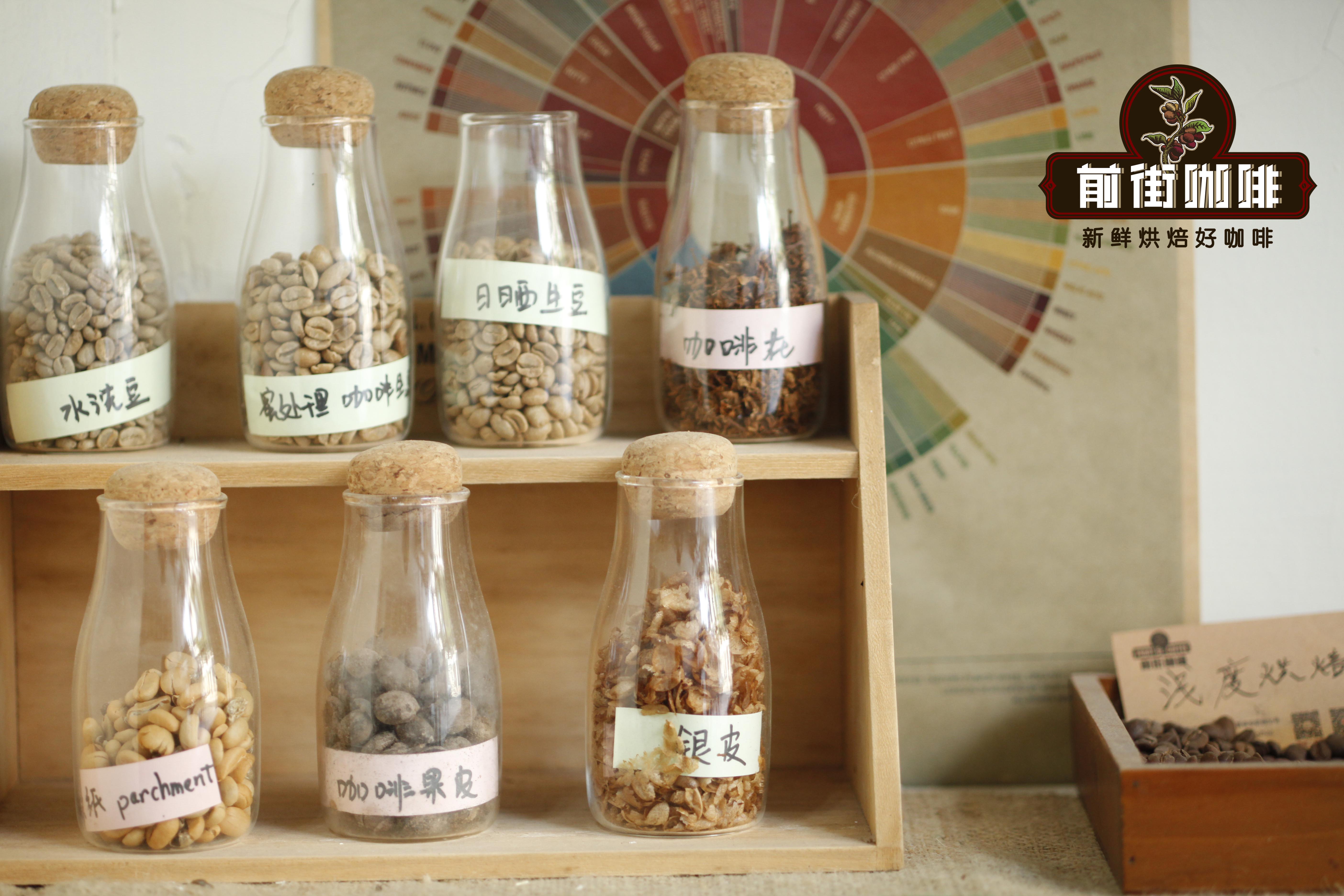
Brazilian coffee is known for low acidity, a generous oil content, and a substantial body, and it takes well to medium and espresso roasts. Brazil is often called the "giant" and "monarch" of the coffee world, since it is the largest coffee-producing country on earth. It is home to roughly 39.7 billion coffee trees, and small farmers now account for 75% of Brazil's total output. The number of people working in coffee in Brazil is 2 to 3 times that of Colombia.
Brazilian coffee is usually grown on comparatively flat land. To work with those conditions, estate owners developed improved Arabica trees decades ago that need neither high altitude nor shade. They can be planted on plains or grassland in direct, bright sun, in contrast to the traditional shade-grown style of higher elevations.
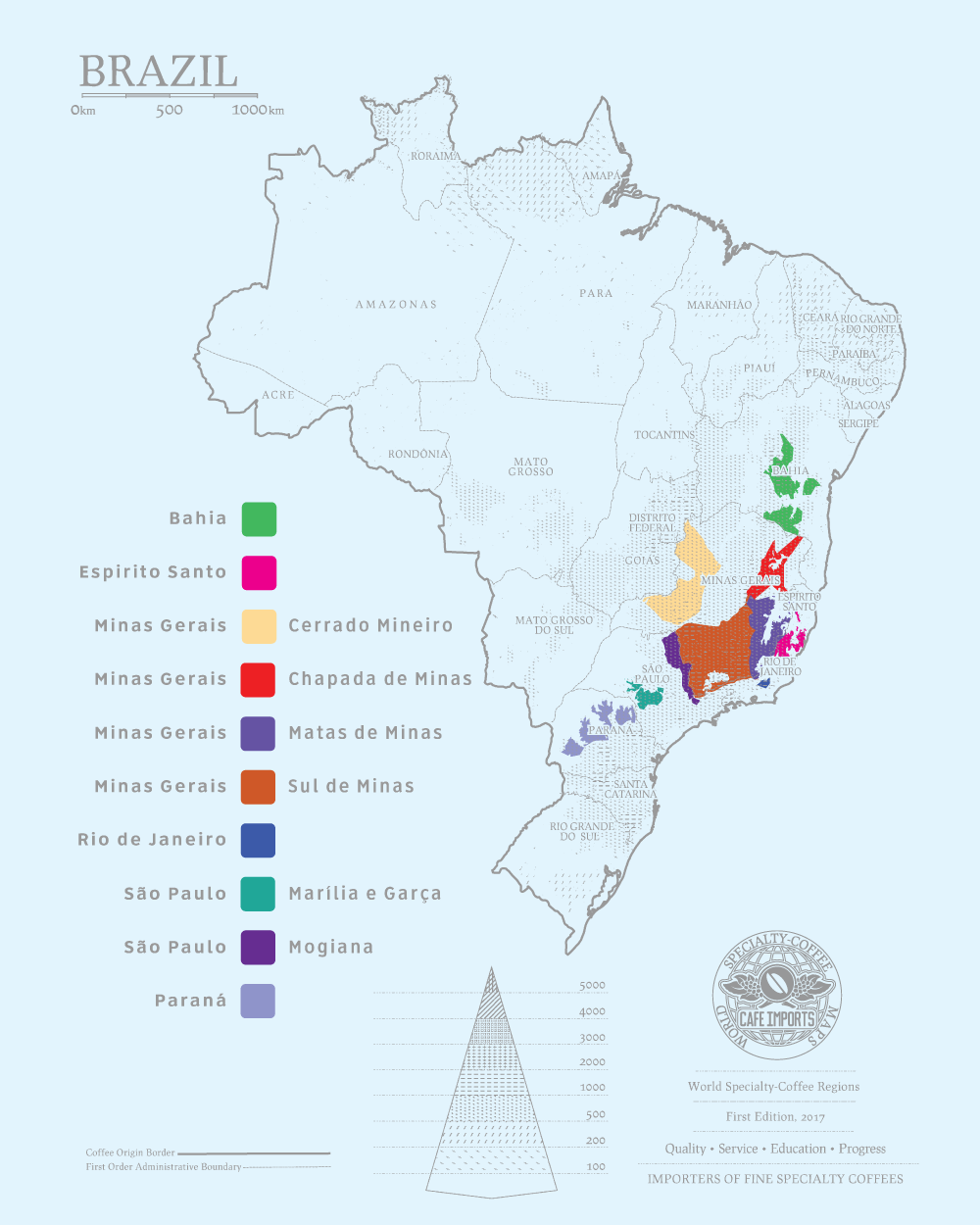
Because Brazil's altitude is relatively low by Central and South American standards, and it lacks pronounced microclimates, the beans grown there carry a low but pleasant, mild acidity, strong nutty flavors, chocolate sweetness, and an excellent body. Some drinkers dismiss Brazilian coffee as too plain, but FrontStreet Coffee considers one Brazilian bean especially impressive: the Yellow Bourbon from Queen's Farm in the Mogiana region.

FrontStreet Coffee: Brazil Queen's Farm Yellow Bourbon Coffee Beans
Region: Mogiana Region
Estate: Fazenda Rainha (Queen's Farm)
Altitude: 1400-1950m
Variety: Yellow Bourbon
Processing Method: Natural Process
Introduction to Queen's Farm
Queen's Farm (Fazenda Rainha) lies in the Alta Mogiana area of São Paulo state, north of São Paulo city. The estate is highly regarded in Brazil and is owned by the Carvalho Dias family. The family's four estates have won awards every year since Brazil's first Cup of Excellence competition in 1999, taking more than 12 awards in 7 years. In 2004 they even captured the championship along with 9th and 11th places.
Brazil has countless estates large and small, and many have hoped to win over the years without success. Yet this family's four estates have collected prizes year after year. Queen's Farm (Fazenda Rainha) has a fine record of its own: 2nd place in 2000, 3rd place in 2001, and 29th place in 2005, earning awards three times to date. Yellow Bourbon is naturally sweet and clean; using the natural (or semi-natural) method trims its acidity slightly while marrying it beautifully with sweetness and tropical fruit aromas.
Queen's Farm belongs to a medium-scale grower organization in the local Grama Valley, exporting mainly Bourbon-variety specialty coffee. The organization's office sits nearby in Pocos de Caldas, where it also runs a national-level cupping lab with large warehouses. It collaborates on research with local universities and other institutions, including Lavras University, whose agricultural research center produced the renowned Dr. Flavio Borem.
Yellow Bourbon is a Bourbon mutation grown in Brazil, its fruit turning yellow under the influence of recessive genes. The beans are naturally sweet and clean, and natural processing tempers the acidity while blending well with sweetness for excellent balance and tropical fruit aromas. Of Queen's Farm's 280 acres, 200 are devoted exclusively to Yellow Bourbon.
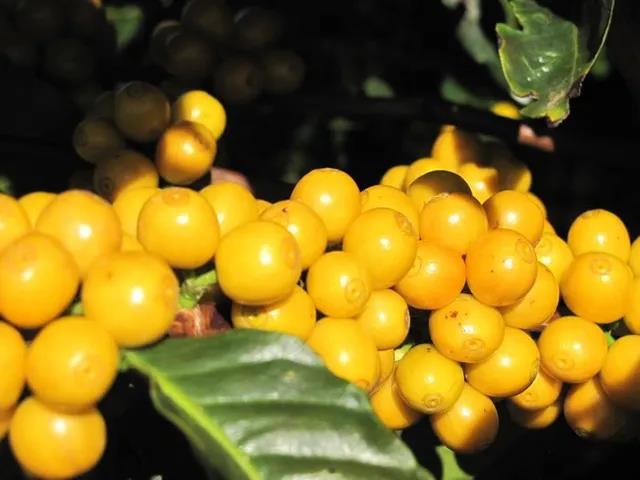
The Estate's Refined Natural Processing
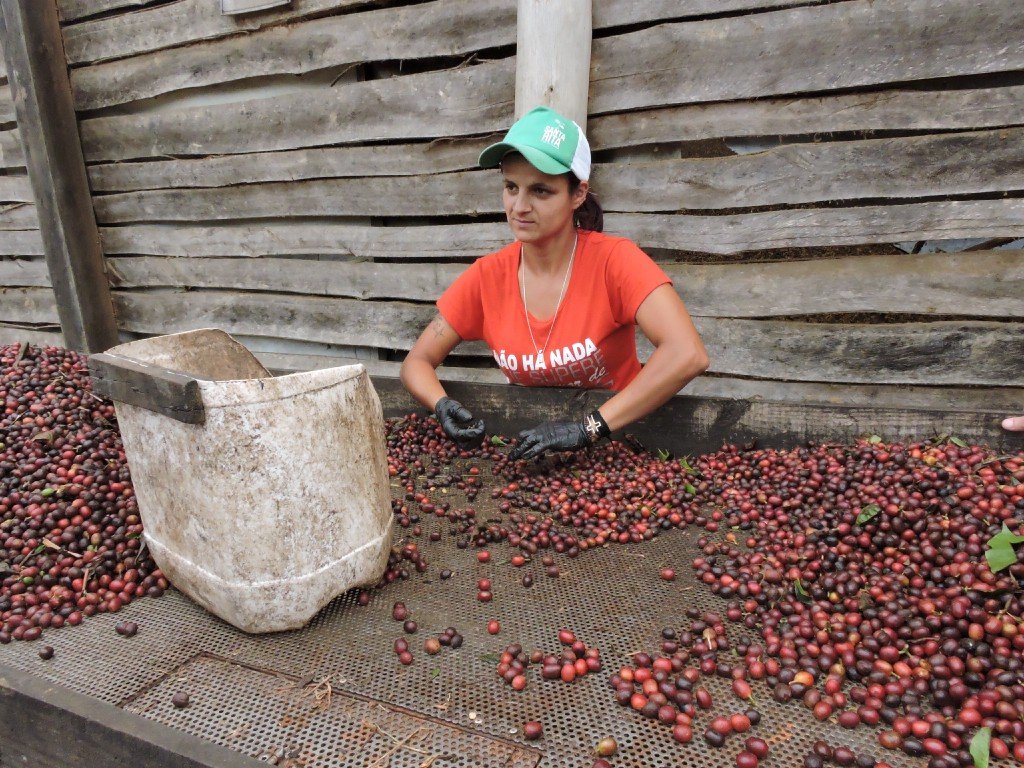
The main reason Brazil leans on semi-natural rather than traditional natural processing is that the traditional method cannot guarantee quality across large volumes. Queen's Farm instead uses small-scale refined natural processing, drying the beans on African-style raised beds. Throughout the drying, dedicated staff turn the beans and check their moisture content, which lifts the quality of the finished coffee.
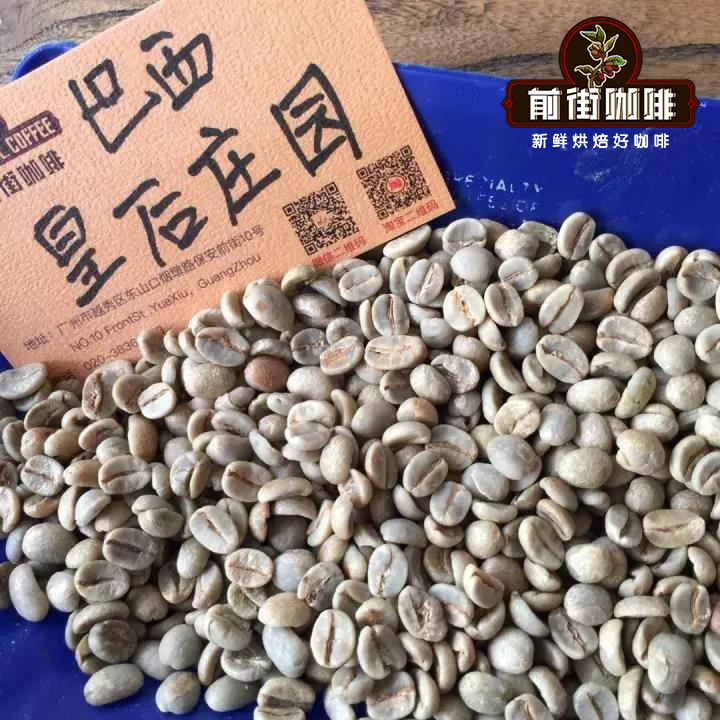
FrontStreet Coffee Roasting Analysis
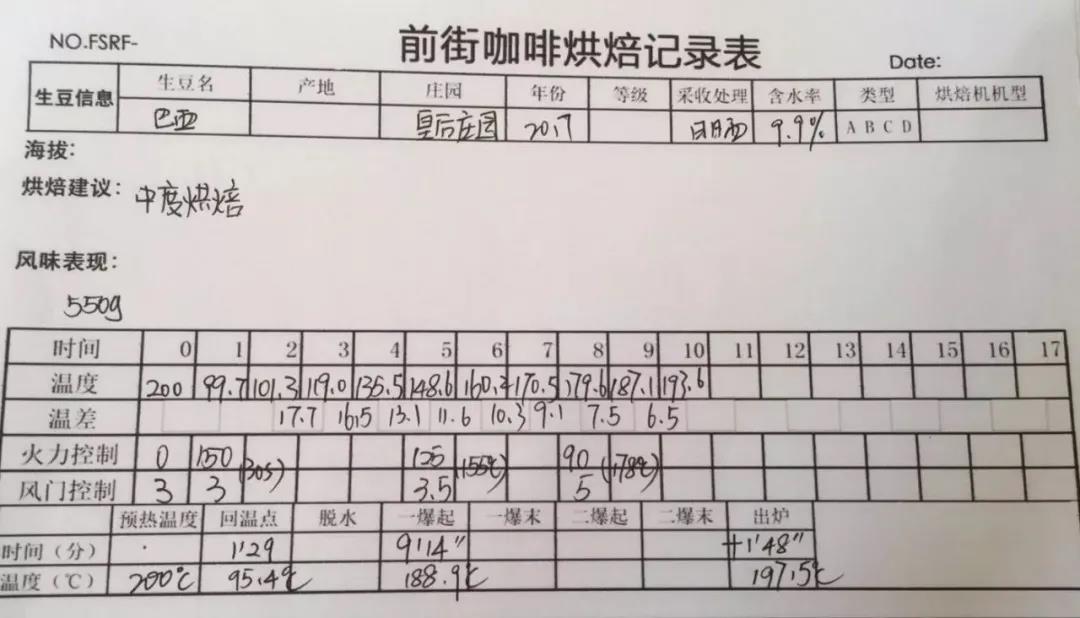
When FrontStreet Coffee received this Yellow Bourbon from Brazil's Queen's Farm, they roasted it four times before settling on dropping the batch two minutes after first crack. At that level, Brazil's Queen's Farm shows a noticeable sweetness that is never dull, with subtle lemon aromas in the background that stand out most during the wet aroma stage. The finish brings distinct dark chocolate, and the overall impression is rounded, keeping the character of Brazilian coffee while preserving its lively side.
FrontStreet Coffee Brewing Suggestions
Dose: 15 grams
Ratio: 1:15
Grind Size: Medium-fine (BG#6S)
Water Temperature: 90°C
Dripper: Hario V60
Brewing Method
Segmented Extraction
Bloom with 30g of water for 30 seconds. Using a small stream, pour in a circular motion to 125g, then pause. When the water level drops and is about to expose the coffee bed, continue pouring to 225g and stop. Wait for the water level to fall to just above the bed, then remove the dripper. Timing starts from the bloom. Extraction time: 2'00".

Flavor Description
The cup shows noticeable sweetness with subtle lemon aromas, rich nutty flavors, and distinct dark chocolate on the finish. The overall impression is well rounded, a bean that represents the broad character of Brazilian coffee while showing its own lively personality.
FrontStreet Coffee Recommendation
Queen's Farm is the standout, but FrontStreet's Brazilian lineup also includes the Cerrado Red Bourbon, which is the classic introduction to the country's single-origin profile. Cerrado is the savanna covering 22% of Brazil's land area, and the coffee-growing zone is limited to the central-west of Minas above 1,000 meters. Medium roasted, this Red Bourbon brings creamy peanut, toast, caramel, and hazelnut aromas with a rounded body, low acidity, and a gentle bitterness, and it works as pour-over, moka pot, espresso SOE, siphon, or French press.
If you want the sweetness pushed further, the Queen Estate Yellow Bourbon is the one FrontStreet reaches for. Grown in Mogiana on fertile red volcanic soil, this rare yellow mutant of Red Bourbon has cleaner fruit, and at medium roast it delivers cane-sugar sweetness alongside fruit and chocolate notes. Both beans are medium roasted and come from the same broad region, so FrontStreet brews them with the same approach.
FrontStreet's pour-over parameters for these Brazilian beans: a KONO or V60 dripper, 15 g of coffee, a 1:15 ratio, water at 90°C, and a medium grind size set to a 75% pass-through rate on a China standard #20 sieve. Bloom with 30 g of water for 30 seconds, pour in small circles to 125 g, then continue to 225 g. Extraction runs about 2'00" in a V60 and slightly longer, about 2'10", in a KONO.
Important Notice :
FrontStreet Coffee is a long-established specialty coffee roaster in Guangzhou China, selling freshly roasted beans from its own farm in Yunnan as well as dozens of carefully selected single-origin beans from around the world for both pour-over and espresso. The products deliver consistently excellent quality and great value, with shipping within 24 hours. Guangzhou's FrontStreet Coffee shop is recommended by many coffee lovers, and the beans are now available online at the Tmall 。
FrontStreet Coffee has moved to a new address:
FrontStreet Coffee Address: 315,Donghua East Road,GuangZhou
Tel:020 38364473
 Scan and follow the En Gafei WeChat official account. Please indicate that the reprint comes from "En Gafei".