Why Coffee Beans Need Roasting: Flavor Differences Between Light and Dark Roasted Yirgacheffe Coffee Beans
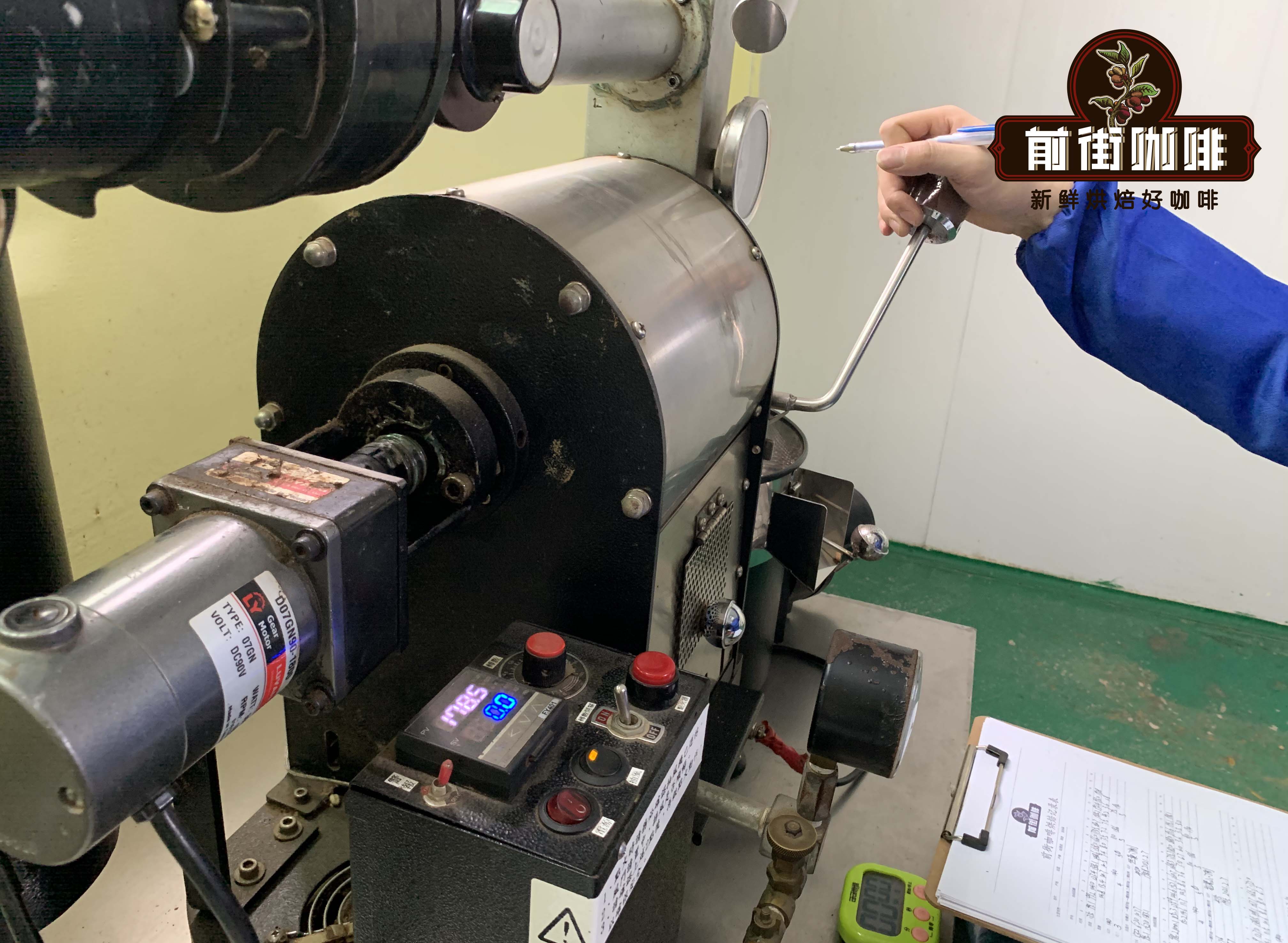
Coffee is a beverage brewed from coffee beans, and FrontStreet Coffee believes what makes it special is that the beans must be roasted before they can be used at all. Roasting temperatures climb past 200 degrees Celsius — far hotter than the roasting used for nuts. How long the roast runs determines how dark it goes, and different roast levels give entirely different flavours and textures.
The Evolution of Coffee Roasting
Before the third wave of specialty coffee, roughly the 1970s to the 1990s, specialty coffee as we know it did not exist and commercial beans dominated the market. Roasted light or medium, commercial beans readily showed their defects: unclean flavours, or the woody taste of aged beans that had lost their moisture. Roasted past second crack, those undesirable flavours became hard to detect — which is part of why the third wave pushed light roasting into fashion. With better cultivation and post-harvest processing we can now get cleaner, sweeter coffee that puts regional character first, and light roasting is what lets us taste that origin character. A bean with citrus and floral notes, for example, must come from Ethiopia. Roast everything to a dense second crack and those good flavours are simply gone.
Why Do Coffee Beans Need to Be Roasted?
Coffee begins as seeds inside a fruit. Once processed they become green coffee beans, and green beans have no distinct coffee aroma of their own. Only roasting produces the rich coffee fragrance we recognize. Coffee roasting is therefore a process of transforming the bean's internal components: only once roasting has created the compounds that can release proper coffee aroma can we actually smell coffee. It is much like how food develops richer, more inviting aromas after cooking. Different roasting approaches present different flavours in the same bean.

Maillard Reaction
This reaction begins at approximately 150°C, while the beans are still absorbing heat and continue to release it as roasting proceeds. The heat drives reactions between carbohydrates and amino acids inside the bean, changing colour, taste and nutritional composition.
The colour change comes mainly from the production of melanoidins. These numerous compounds not only turn the beans brown but also affect the coffee's mouthfeel and body.
Small shifts in the temperature and duration of the Maillard stage can have a large impact on the final flavour.
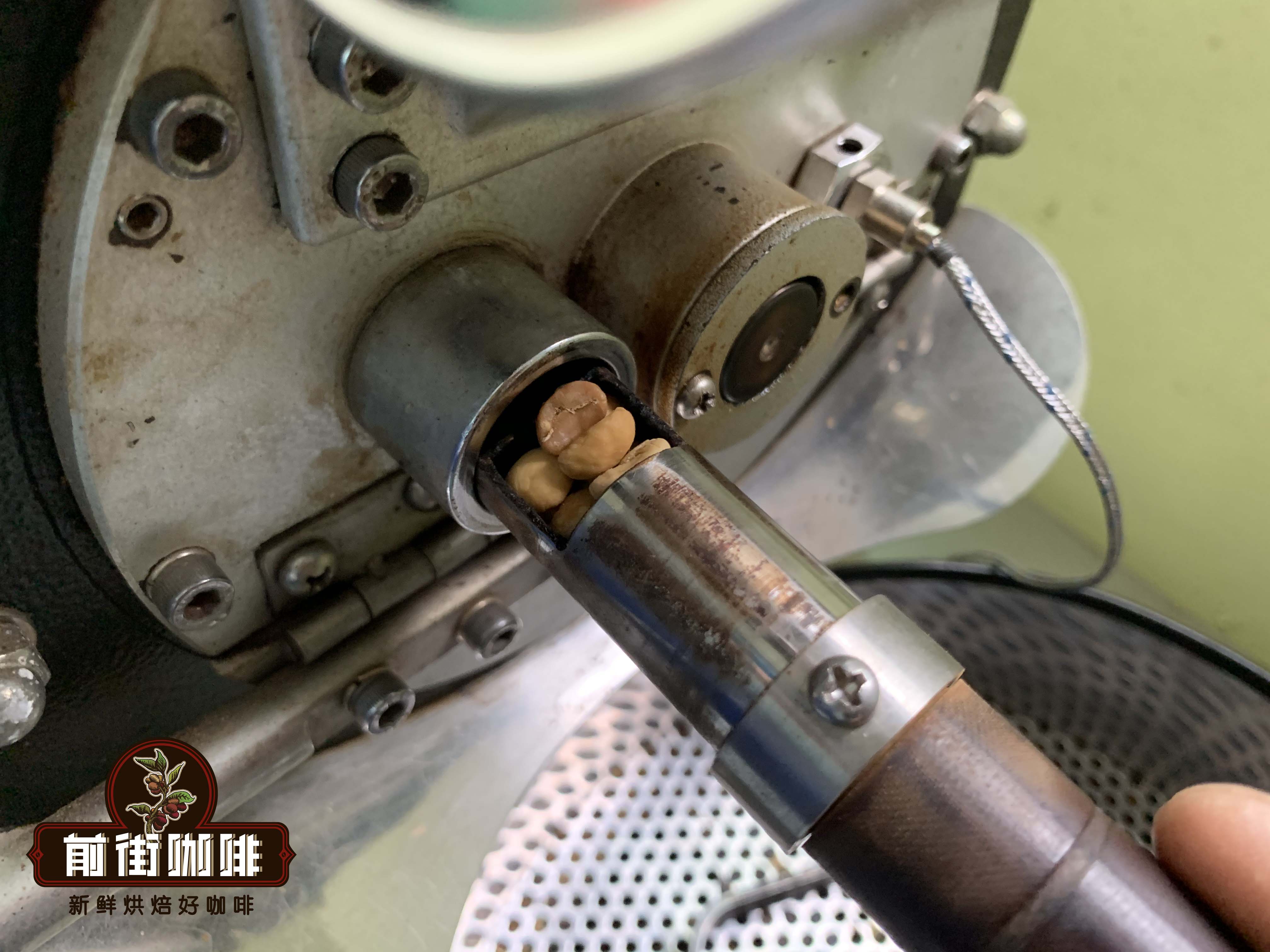
Coffee that spends longer in the Maillard reaction gains viscosity, while a shorter Maillard reaction produces more sweetness and acidity — because when the Maillard stage runs too long, the fruit acids and the acids that would convert into sweet flavours are destroyed.
When FrontStreet Coffee's roasters experiment with a coffee, they also vary the duration and intensity of the Maillard reaction and record how those changes affect the final flavour.
Caramelization Reaction
At around 170°C, heat breaks large complex carbohydrates down into smaller sugar molecules that dissolve in water, which means the brewed coffee ends up sweeter.
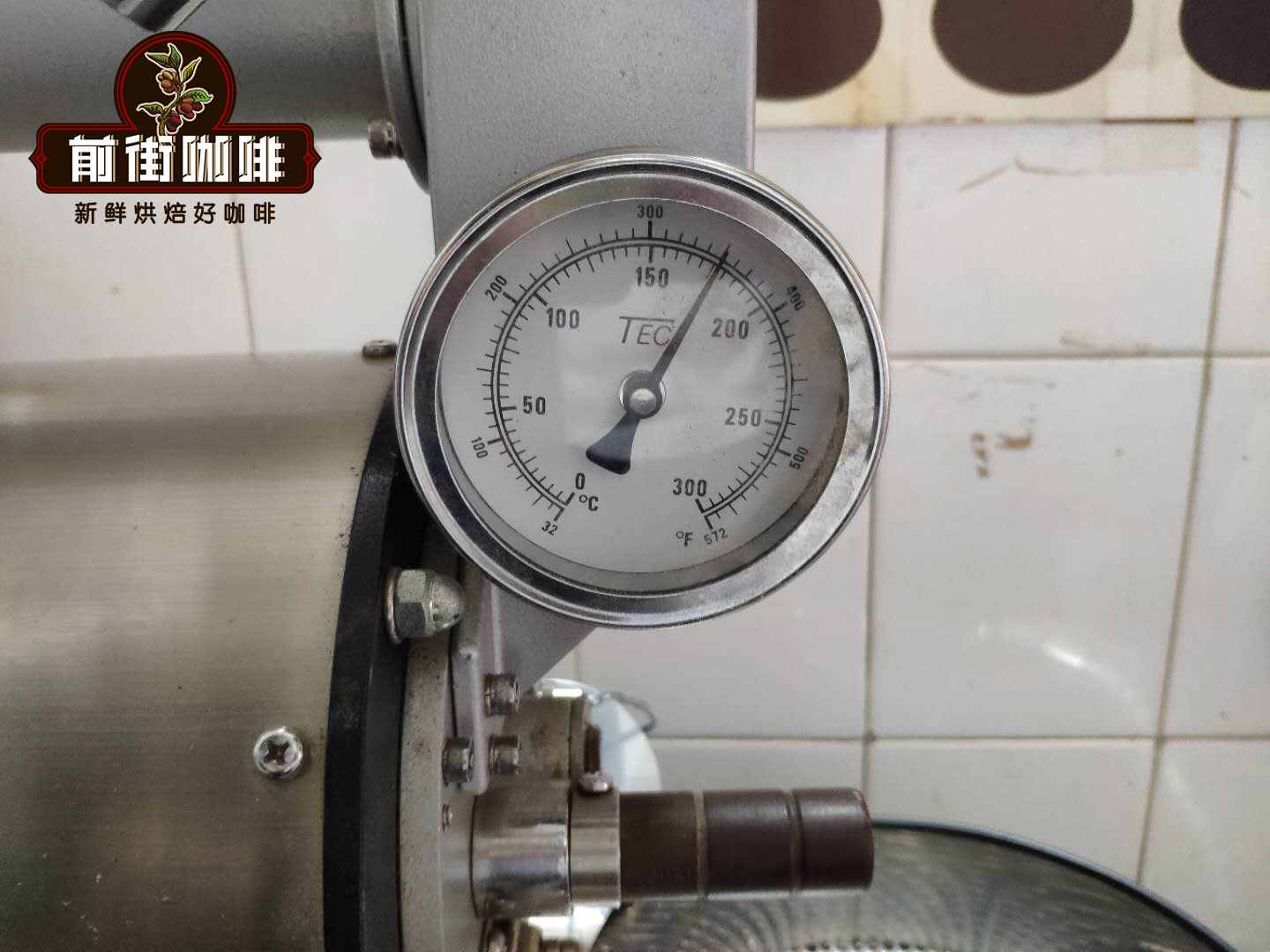
That reaction continues to the end of the roast and also contributes the sweet aromas in coffee, caramel and almond among them.
Between the Maillard reaction and caramelization you can see how the reactions created during roasting shape the cup. It is often said that among the factors affecting a cup of coffee, green beans account for 70%, roast level 20% and brewing 10%.
Only the high-temperature environment of roasting lets coffee beans develop such intense aromas and such a rich tasting experience. Change the time and temperature and the very same beans will present a different profile entirely.

Coffee Roast Levels
Broadly, roasts divide into three categories: light, medium and dark.
Looking at the finer differences in taste, they are further divided into eight levels, running from Light Roast through to Italian Roast.
Light Roast: Light Roast, Cinnamon Roast — strong aroma, distinct fruity acidity.
Medium Roast: Medium Roast, High Roast, City Roast — more bean aroma and sweetness, slight fruit acidity, the typical Vienna coffee flavour.
Dark Roast: Full City Roast, French Roast, Italian Roast — strong caramel flavour, rich and intense.
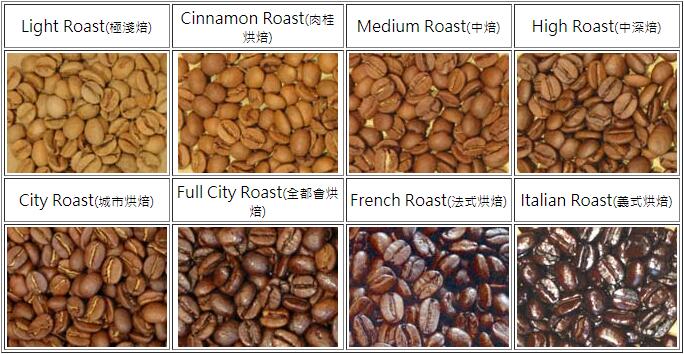
The roast level largely determines the direction a bean's flavour takes. In simple terms, roasting divides into three levels: light, medium, and medium-dark to dark.
FrontStreet Coffee Light Roast / Cinnamon Roast
Drop time: From the beginning of first crack until it becomes dense
Flavor: The bean surface turns cinnamon-coloured. By this point grassy flavours have been driven off, with strong acidity and slight aroma. Often used for brewing American coffee.
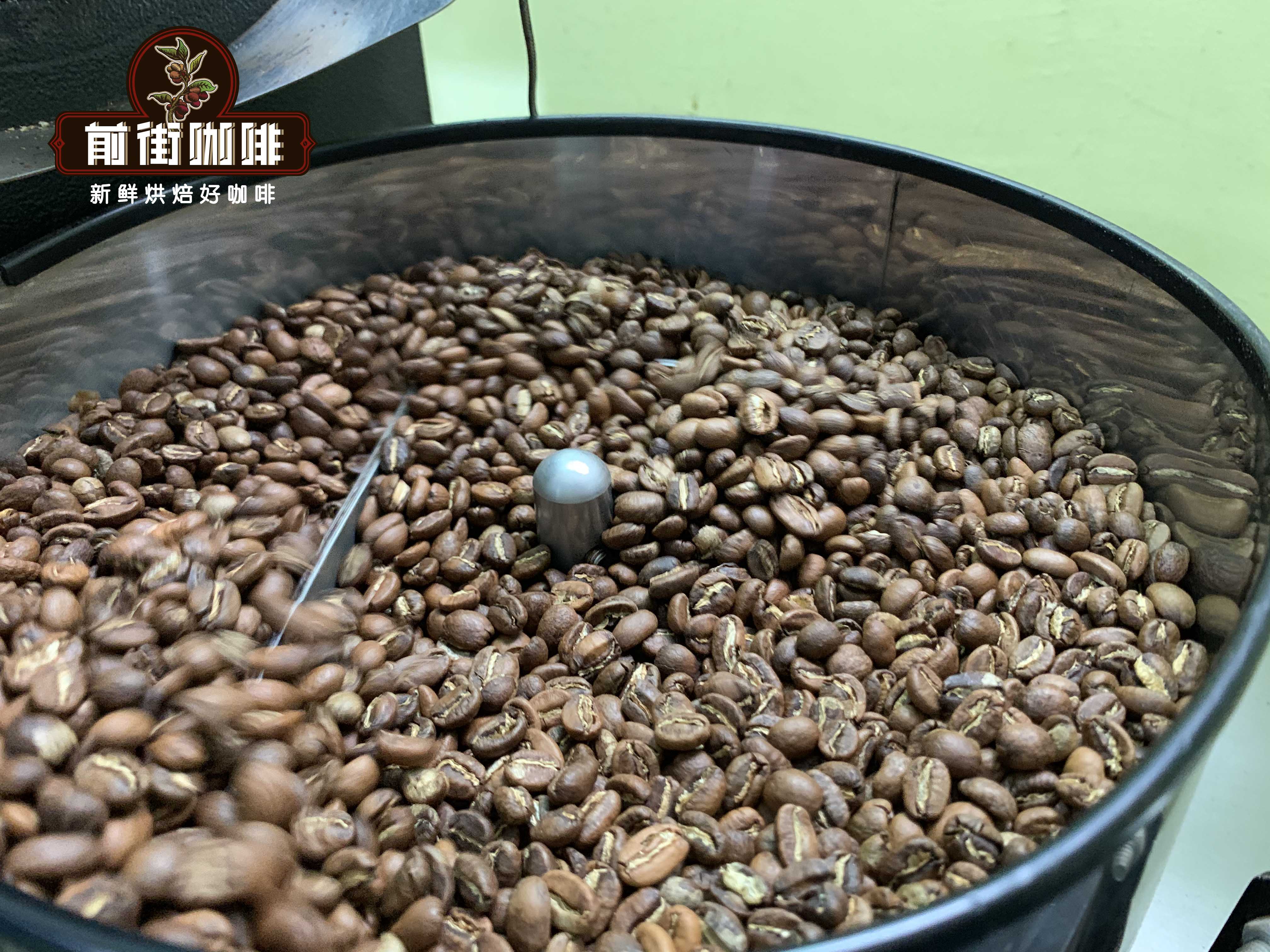
Medium Roast
Drop time: Between dense first crack and its end
Flavor: The bean surface turns chestnut-coloured, with a light taste, acidity alongside bitterness, and moderate aroma, preserving the bean's original character. Often used for American coffee or blended coffee.
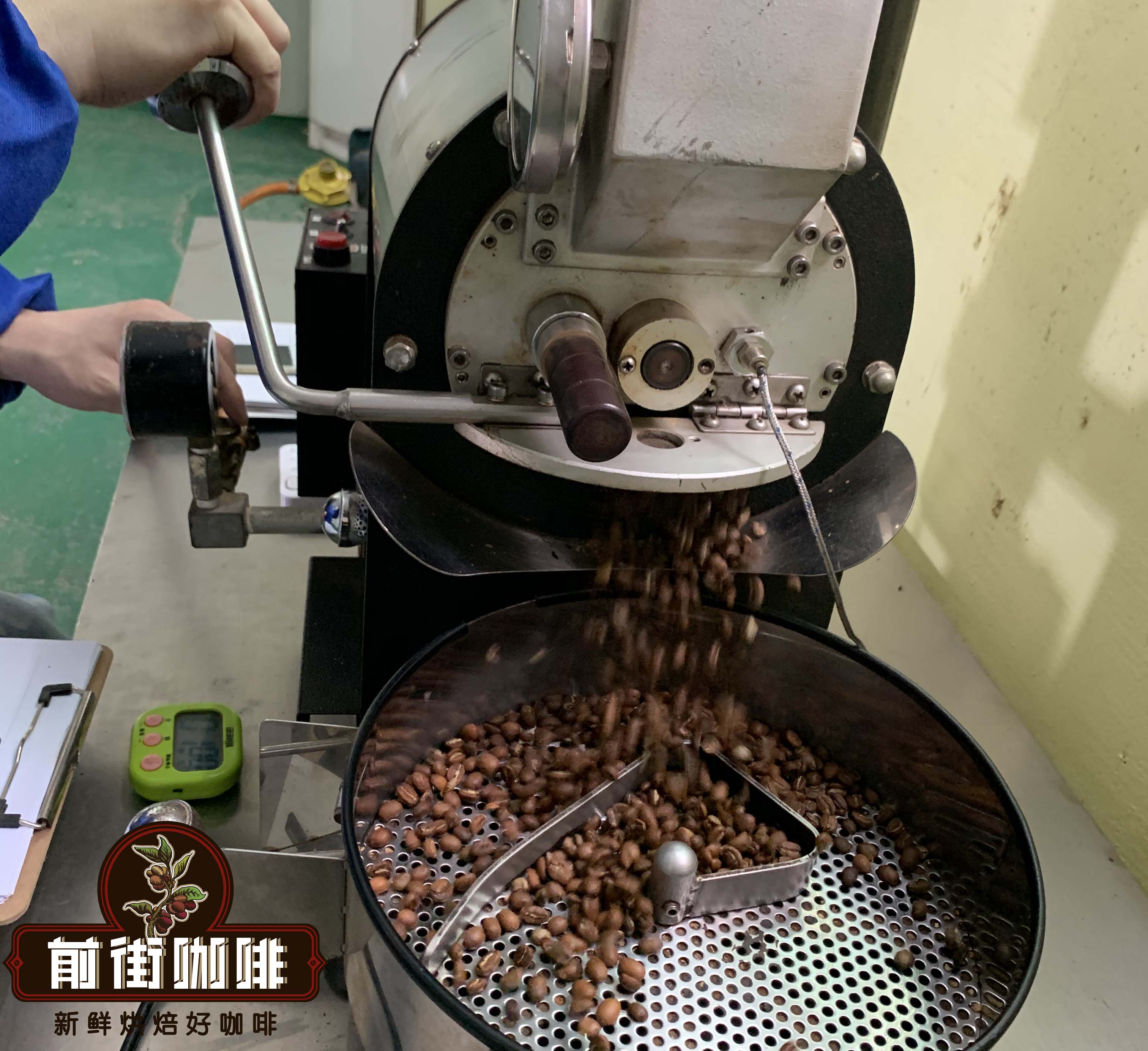
Medium-Dark Roast / City Roast
Drop time: After first crack, between first and second crack
Flavor: The bean surface turns light brown, with a bright, lively taste, balanced acidity and bitterness leaning lighter on acidity, releasing coffee's premium flavours. This is the standard roast level and the most popular one among the general public.
Dark Roast / Italian Roast
Dark roast is also known as "Italian Roast."
Drop time: From the end of second crack until the bean surface turns black and oily
Flavor: The bean surface turns black with an oily sheen. Before the bean fibres carbonize, the taste is strong and complex, with powerful bitterness and rich roasted and burnt aromas. Mainly popular in Italy, and often used for making espresso.

Light Roast Coffee Bean Recommendations
1. FrontStreet Coffee Yirgacheffe Natural Red Cherry
Flavor description: distinctly layered overall, with prominent aroma — lemon fragrance, florals and fermented wine aroma. The entry has a full juice sensation with citrus and lemon acidity, weaker nutty flavours and a honey-like aftertaste.

2. FrontStreet Coffee Kenya Assalia
Flavor description: the wet aroma brings ripe tomato and florals. On entry, cherry tomato and black plum, with bright acidity and a clean, solid, rich texture. The mid-section has pronounced sweetness with a juicy sensation, and the aftertaste carries berry fragrance and brown sugar sweetness with a green tea aroma.

3. FrontStreet Coffee Panama Butterfly
Flavor description: floral, black tea, berry and citrus, with slight nutty notes in the finish. Smooth mouthfeel, low bitterness, moderate acidity and a medium aftertaste.

FrontStreet Coffee Brewing Parameters
Coffee dose: 15 grams
Coffee-to-water ratio: 1:15
Water temperature: 90°C
Grind size: Medium-fine grind (78% pass-through rate on #20 standard sieve)
Dripper: V60

FrontStreet Coffee Brewing Method
30 grams of water for a 30-second bloom. Once the bloom ends, pour in circles to 125 grams. When the water level has dropped by half, continue pouring to 225 grams. Total extraction time is 2 minutes.
Medium-Dark Roast Coffee Bean Recommendations
1. FrontStreet Coffee Golden Mandheling
Flavor description: multi-layered, clean and balanced, with a long-lasting caramel sweetness in the aftertaste.

2. FrontStreet Coffee Jamaica Blue Mountain
Flavor description: Blue Mountain tastes very clean and very gentle, with chocolate sweetness and a very strong body. Rich and fragrant, with coffee's sweetness, acidity and bitterness in perfect combination — no bitterness at all, only a moderate and well-judged acidity, and persistent fruit notes in the finish.

3. FrontStreet Coffee Brazil Queen's Farm
Flavor description: a flavour-balanced coffee in the typical Brazilian style, with prominent nutty and chocolate flavours and a distinct cane sugar sweetness.

FrontStreet Coffee Brewing Parameters
Coffee dose: 15 grams
Water-to-coffee ratio: 1:15
Water temperature: 86°C
Grind size: Medium-coarse grind (65% pass-through rate on #20 standard sieve)
Dripper: KONO
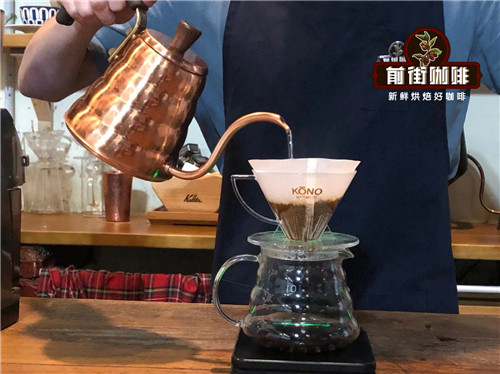
FrontStreet Coffee Brewing Method
30 grams of water for a 30-second bloom. Pour in circles to 125 grams. When the water level drops by half, continue pouring to 225 grams. Total extraction time is 2 minutes and 10 seconds.
FrontStreet Coffee Recommendation
If light roasting is what you want to taste, Yirgacheffe is the classic place to start. FrontStreet Washed Yirgacheffe is the everyday drinker people know for white jasmine, bright citrus and lemon acidity and a tea-like body, and its affordable price has made it the first specialty coffee many drinkers ever buy. Yirgacheffe is a town in southern Ethiopia, inside Sidamo province, at roughly 1700-2100 meters, with the coffee trees planted above 1800 meters — one of the highest coffee regions in the world. The area has been wetland since ancient times, and the name became shorthand for a highly recognizable white floral and lemon-citrus profile. In 2010, because the Yirgacheffe name had grown so famous, the Ethiopia Commodity Exchange finally separated it from Sidamo — which is how it became a household name.
Within Yirgacheffe are many smaller zones and villages, and several are home to cooperatives with seasoned technique. The best example is FrontStreet Washed Gutingting Cooperative, from Gutingting village in the Worka area at Yirgacheffe's southeastern edge. It began as part of the Worka cooperative under the Yirgacheffe Coffee Farmers Cooperative Union, and as demand for green coffee traceability grew it was singled out as a single origin by coffee hunters around the world. Gutingting still follows the most traditional washed processing and is often called Yirgacheffe's last pure land: no traditional bitterness, just fresh, bright citrus and lemon acidity and the fragrance of jasmine.
FrontStreet Natural Red Cherry takes the other route within the same region, using 100% red cherry natural processing — only fully ripe, sound cherries are picked. They are screened at the mill and laid straight on raised beds to dry, turned every two to three hours in the first days so they do not heat unevenly and over-ferment. After three to five weeks the outer fruit is scraped off by machine and the beans go into storage. Because the cherries dry with the fruit still on them, the coffee keeps the classic Yirgacheffe character while gaining tropical fruit: citrus acidity, juicy berry, honeyed sweetness and a creamy smoothness. Either way, the profile is worth brewing on a V60 at 90-91°C, with 15g of coffee and a 1:15 ratio, ground to the texture of fine sugar with 80% passing a #20 sieve: a 30g bloom for 30 seconds, a pour to 125g, then a final pour to 225g, finishing in about 2:00-2:10.
Important Notice :
FrontStreet Coffee is a long-established specialty coffee roaster in Guangzhou China, selling freshly roasted beans from its own farm in Yunnan as well as dozens of carefully selected single-origin beans from around the world for both pour-over and espresso. The products deliver consistently excellent quality and great value, with shipping within 24 hours. Guangzhou's FrontStreet Coffee shop is recommended by many coffee lovers, and the beans are now available online at the Tmall 。
FrontStreet Coffee has moved to a new address:
FrontStreet Coffee Address: 315,Donghua East Road,GuangZhou
Tel:020 38364473
 Scan and follow the En Gafei WeChat official account. Please indicate that the reprint comes from "En Gafei".