What are the delicious Arabica coffee varieties? Are they bitter? Why are Arabica beans so popular in the market?
Overview of Arabica Coffee Varieties
The coffee we know falls broadly into two categories: Arabica and Robusta. Arabica, with its clean flavors and aromas, represents premium coffee and is cultivated widely around the world. FrontStreet Coffee will now sort through the common Arabica varieties.
Two Major Original Arabica Varieties
When FrontStreet Coffee reviews the history of coffee's spread, it can be summed up neatly: there are two ancient original varieties, Typica and Bourbon, each with its own path of propagation, and every other Arabica variety descends from them.
Typica
Typica comes from Ethiopia, the birthplace of coffee. It was brought to the Arabian Peninsula between the 9th and 10th centuries for medicinal use, and from there it spread to India, Europe, Southeast Asia and Central America, taking root in each region.
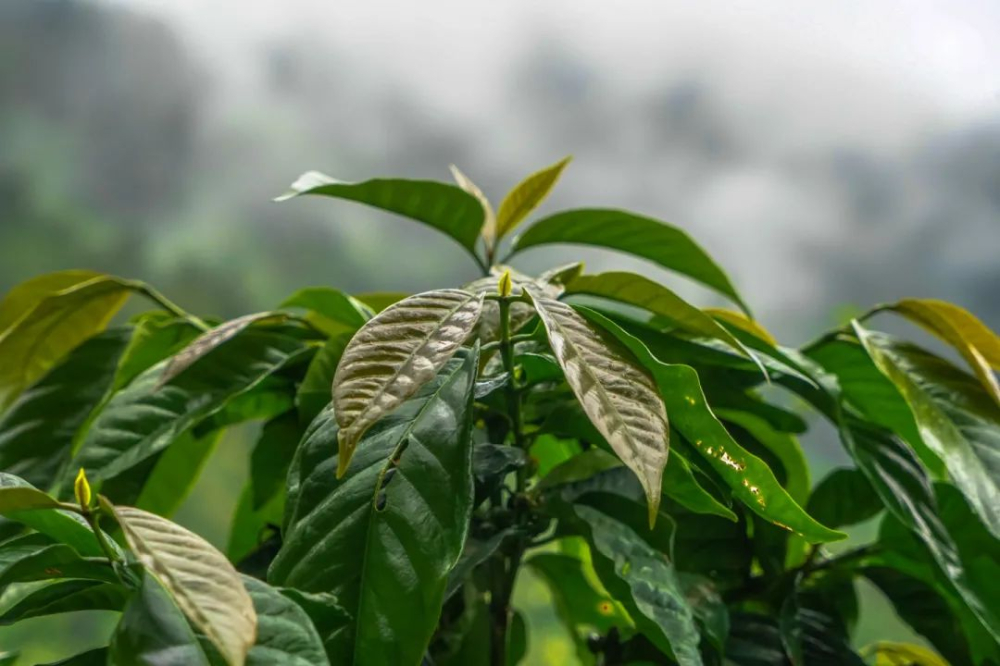
The Typica plant is tall, with young leaves at the top showing a reddish-copper color, which earns it the name red-topped coffee. The beans it produces are elliptical with a slender point. Typica's greatest virtue is that, grown at altitude, it can deliver elegant, pure flavors, rich acidity and floral and fruity aromas. Yunnan small-grain coffee in China, for example, is famous for the strong aroma typical of Typica.
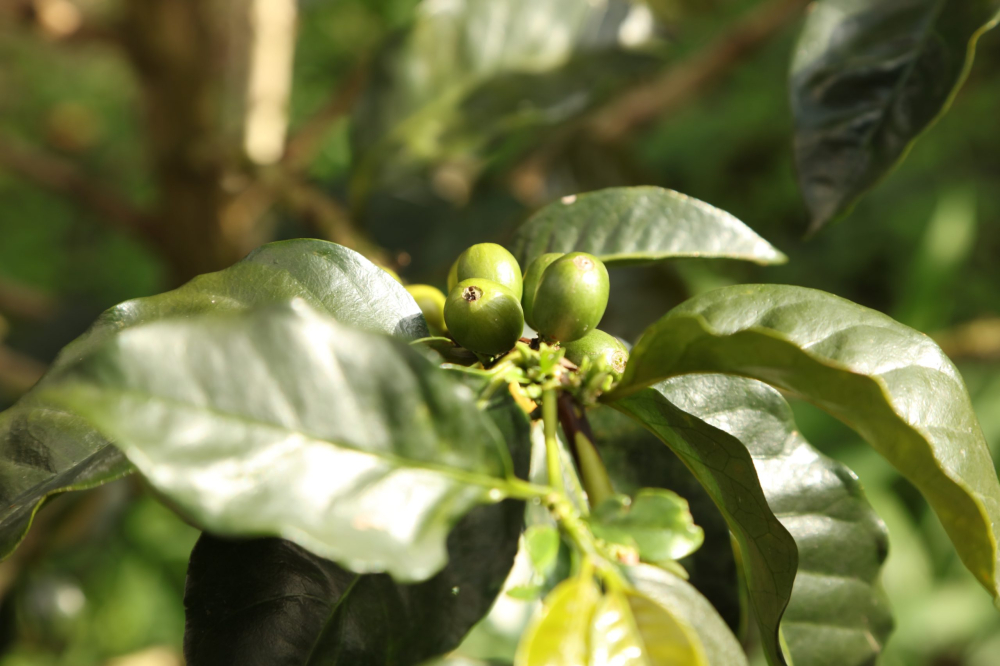
Typica's weakness is its poor resistance: it is easily infected by leaf rust and coffee berry disease. It also needs shade, so farmers must invest more effort in cultivation. On top of that, a Typica plant sets less fruit than other varieties, which means limited income for growers, so most coffee regions have switched to higher-yielding varieties.
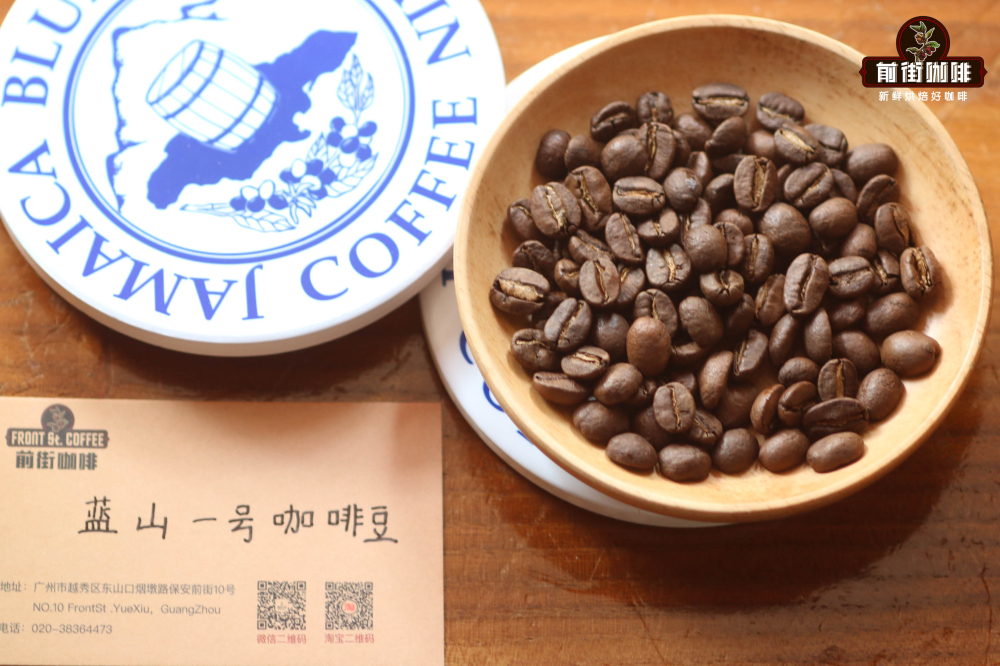
Jamaica Blue Mountain No. 1 and FrontStreet Coffee's own Yunnan coffee beans, FrontStreet 2013, are both Typica varieties. Blue Mountain Typica has rich nut and chocolate aromas, a mellow taste and a balanced mix of sweet, sour and bitter notes.
Bourbon
Bourbon is an early descendant of Yemeni Typica. The French brought it from Yemen to Bourbon Island, now Reunion Island, off the east coast of Africa in the 18th century, where it took root. After a long period, in 1860 Bourbon was introduced to Brazil, and from there it spread across Central and South America. Bourbon is also a frequent cupping champion in Central American competitions.
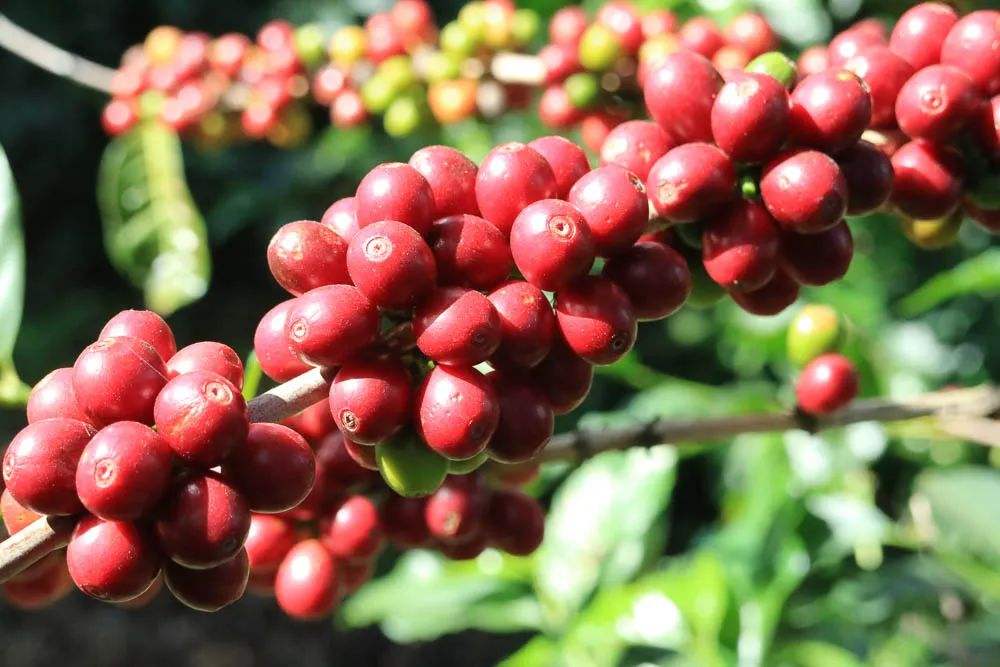
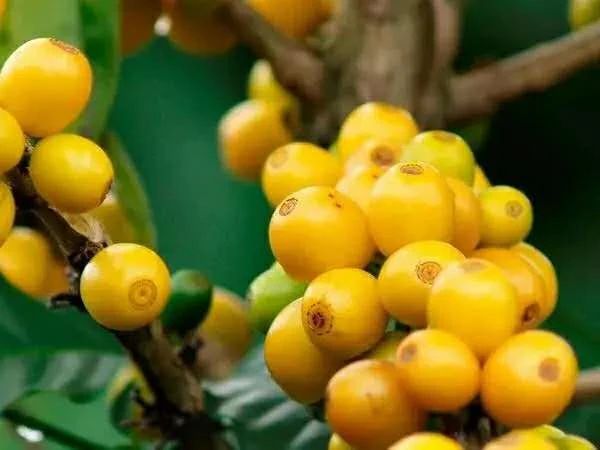
Based on the different colors the fruit can take, Bourbon divides into Yellow Bourbon, Red Bourbon and Pink Bourbon, with Red Bourbon the most common. A coffee cherry ripens through green, light yellow and orange until the mature skin turns red. If a ripe Bourbon fruit is yellow, it is Yellow Bourbon, and Pink Bourbon works the same way. FrontStreet Coffee's Brazil Queen Estate coffee beans are of the Yellow Bourbon variety.
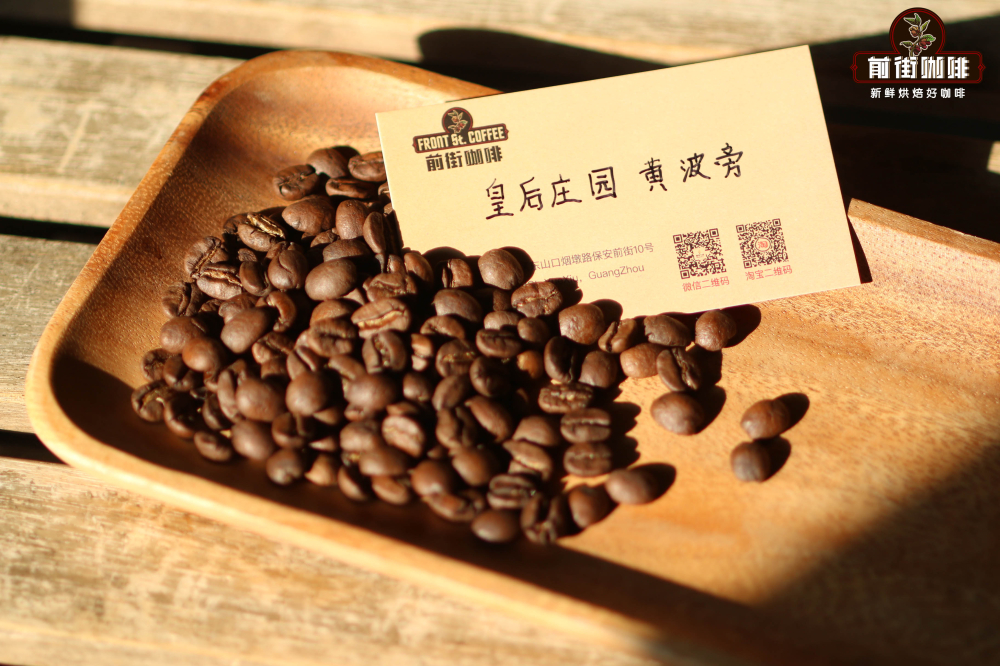
In yield, Bourbon beats Typica, though its resistance to pests and its ability to stand up to strong wind and heavy rain are relatively weak, much like Typica. Even so, that has not held back Bourbon's cupping performance, and it is often a champion in Central American competitions.
Common Arabica Varieties
Caturra
A natural mutation of Bourbon, Caturra was discovered in Brazil in 1927 and has a shorter tree form.
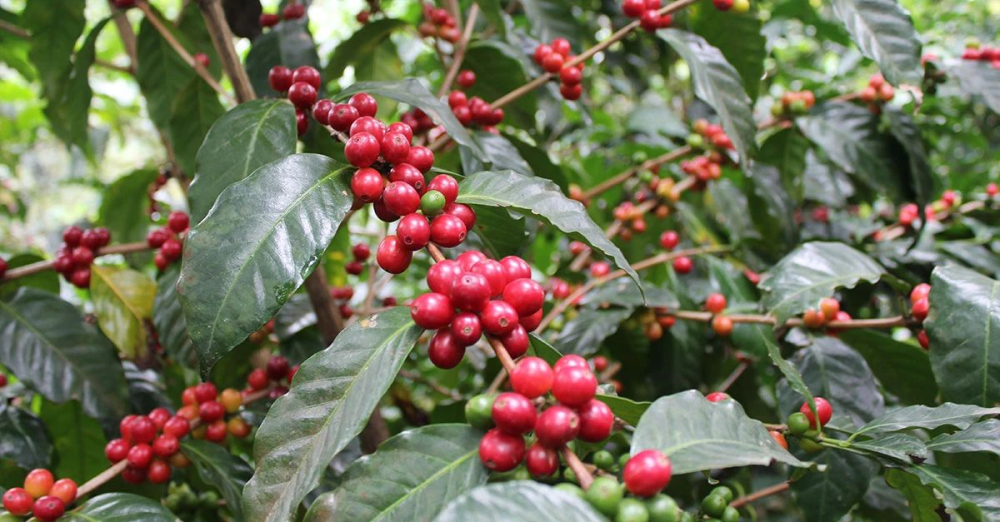
Caturra yields more and can be planted at high density. It also does not need shade trees and can thrive directly under strong sunlight, which is why it is also called "Sun Coffee." Densely planted Caturra has close branch spacing, greatly raising the fruit yield per plant, and growers tend to favor it.
After its discovery, Caturra was first introduced to Guatemala in the 1940s and later spread to Costa Rica, Honduras, Panama and other origins. To this day it is grown widely in Central America, with better flavor at higher altitudes. Among FrontStreet Coffee's offerings, Guatemala's Flora God, Honduras's Lychee Orchid, Colombia's Rose Valley and Panama's Flower Butterfly all contain Caturra.

Mundo Novo
A natural hybrid of Arabica Bourbon and Sumatran Typica, first discovered in Brazil. It combines high yield, disease and pest resistance and excellent cup quality, and was hailed as the new hope of Brazil's coffee industry, hence the name Mundo Novo, or New World. Although it never entered Brazil's top three, it has appeared repeatedly in the top twenty rankings. Brazil cultivated it extensively after the 1950s. Its biggest drawback is that the tree often exceeds 3 meters in height, which makes harvesting inconvenient.
Catuai
Catuai was hybridized from Caturra and Mundo Novo in 1949, and is known as a second-generation hybrid. Inheriting Caturra's genes, it keeps a low tree height, which makes harvesting easy, and sets a heavy crop of firm fruit that does not drop easily in strong wind - while also offsetting many of Arabica's weaknesses.
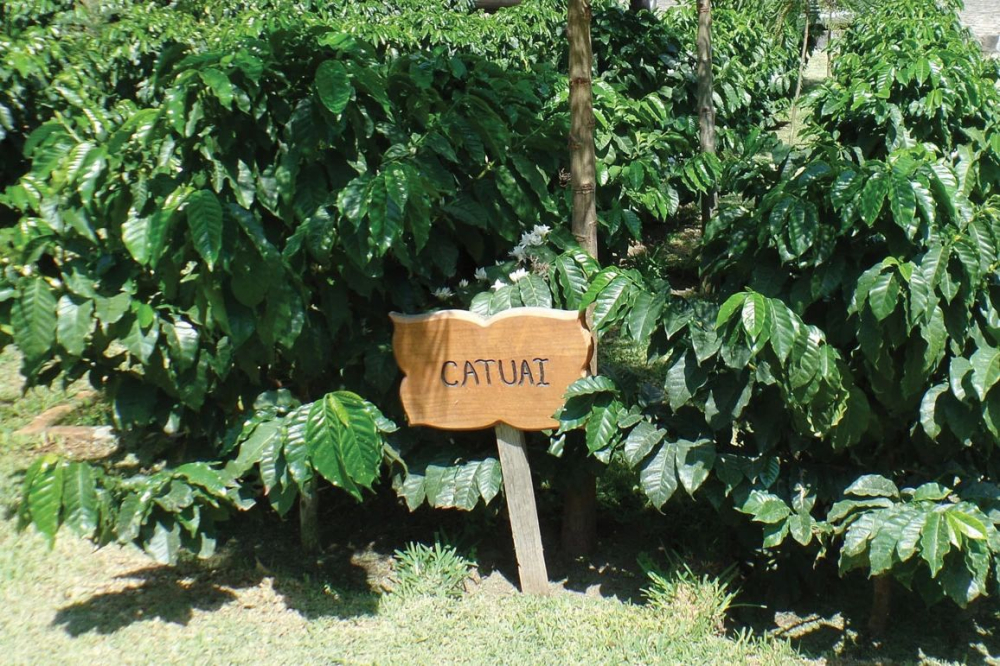
Across Central and South America, many growing areas plant Caturra and Catuai side by side, so the two often turn up together in a single bag of beans. Catuai also splits into Red Catuai and Yellow Catuai by color. It has bright acidity and a clean taste. Its overall flavor richness is quite good, and it performs well in cupping.
Geisha
The wild Geisha variety was discovered in 1931 in the Geisha forest of Ethiopia, then sent to Kenya's Coffee Research Institute. It later spread to Uganda, Tanzania, Costa Rica and other countries, until it was formally introduced to Panama for cultivation in the 1970s. At first, low yields and poor harvests meant it drew no attention. It was only after Hacienda La Esmeralda cultivated it carefully and entered it in Best of Panama in 2004, winning the championship, that it gained recognition.
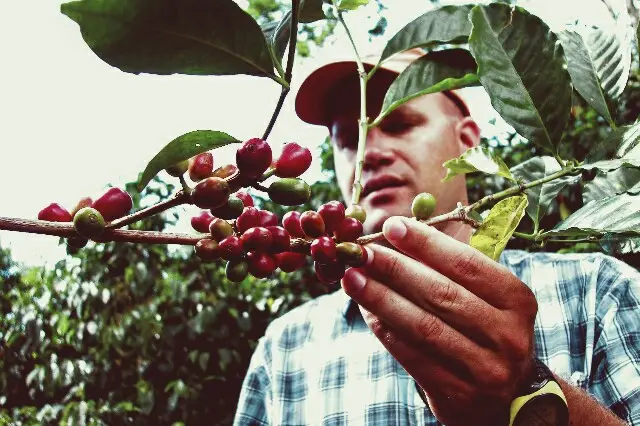
As Geisha grew more popular, many countries introduced it for cultivation. Because terroir and climate differ, the Geisha they produce varies in flavor. Geisha beans are slender, pointed at both ends and plump in the middle. Premium Geisha is rich in complex, delicate floral aromas and diverse fruit tones, with a smooth, creamy mouthfeel and high sweetness. FrontStreet Coffee's bean list offers six Geisha coffees, among which Hacienda La Esmeralda's Red Label Geisha and Green Label Geisha have the most classic flavors.
Heirloom
Ethiopia's original forests hold so many coffee varieties, with countless genetic types, that identification is difficult, and the local government prefers to protect them by keeping them private. The term Heirloom is used to group these categories together.
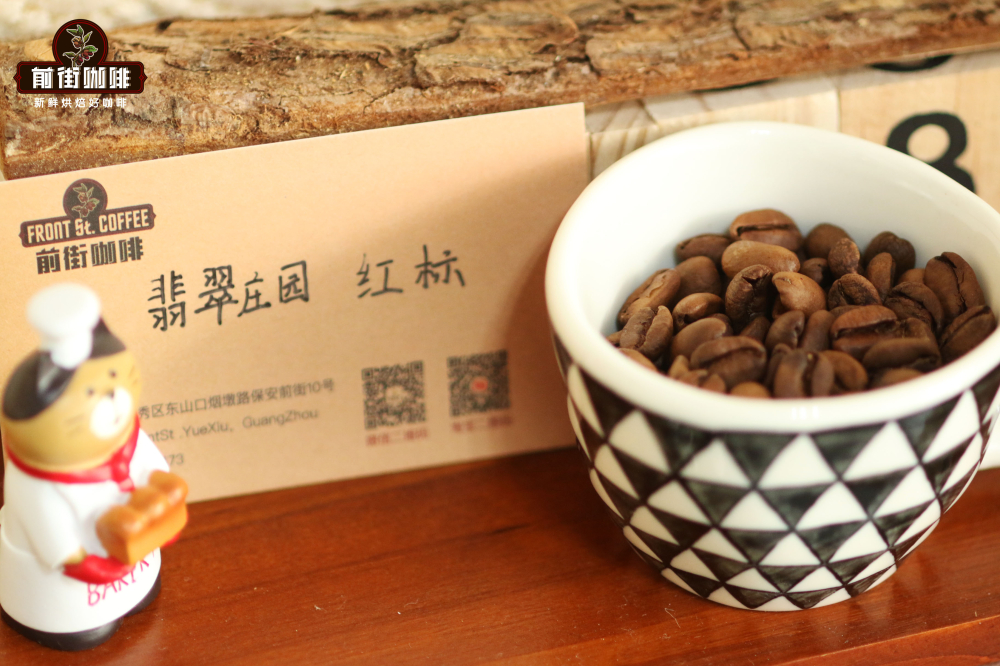
So when we see Heirloom on many Ethiopian coffees, such as FrontStreet Coffee's Yirgacheffe Koke cooperative coffee beans, they are local Heirloom varieties. These generally show small, round beans, usually between 14-15 mesh in size.

Beyond those above, coffee-growing regions worldwide hold many more high-quality Arabica sub-varieties, such as Pacas, Villa Sarchi, Pacamara, SL28 and SL34, all of which are commonly seen on the market.
Why Are Arabica Coffee Beans More Popular?
FrontStreet Coffee has gathered so many Arabica varieties, each with its own distinctive flavor and each with a pleasant acidity and aroma. Compared with the bold taste of Robusta, Arabica has lower caffeine, only 0.9-1.2%, 60% more fat than Robusta and twice the sugar content of Robusta beans. Arabica coffee therefore tastes soft, with high sweetness and rich, layered acidic aromas. As specialty coffee culture keeps spreading, people have more and more expectations for the taste, mouthfeel and quality of their coffee, and only high-quality Arabica beans can meet the demands of today's specialty market.
FrontStreet Coffee Recommendation
Among all the Arabica varieties above, Typica is the one that gave Yunnan its start, and it remains a wonderful way to taste China's own terroir. FrontStreet Yunnan Small Bean Coffee comes from the Baoshan region and is washed and medium roasted, pouring out soft nut and chocolate sweetness with a light plum acidity - an affordable and welcoming first taste of Yunnan coffee.
If you want the more precise expression of the region, FrontStreet 2013 Yunnan Natural Typica Coffee is the step up. FrontStreet planted its own Yunnan estate in 2013 with Typica, among the oldest and purest Arabica varieties, and this lot uses the most traditional of all post-harvest methods, the natural process. Medium roasted, it balances sweetness and acidity with dark berry tones, caramel sweetness, chocolate and a touch of dried apricot, finishing with a black tea aftertaste.
For espresso at home, FrontStreet Black Cocoa Blend brings Yunnan together with Brazil Cerrado. The Brazilian component supplies mixed-nut aroma and a balanced body, while the Yunnan small bean adds chocolate and citrus, producing an Americano that balances sweet, sour and bitter with nut and brown sugar notes, and a latte with the smooth, creamy feel of almond.
Important Notice :
FrontStreet Coffee is a long-established specialty coffee roaster in Guangzhou China, selling freshly roasted beans from its own farm in Yunnan as well as dozens of carefully selected single-origin beans from around the world for both pour-over and espresso. The products deliver consistently excellent quality and great value, with shipping within 24 hours. Guangzhou's FrontStreet Coffee shop is recommended by many coffee lovers, and the beans are now available online at the Tmall 。
FrontStreet Coffee has moved to a new address:
FrontStreet Coffee Address: 315,Donghua East Road,GuangZhou
Tel:020 38364473
 Scan and follow the En Gafei WeChat official account. Please indicate that the reprint comes from "En Gafei".