Introduction to Flavor Characteristics of Golden Mandheling - What is PWN - What is Wet Hulling
PWN Golden Mandheling
Country: Indonesia
Grade: G1 · 3 Times Hand-Sorted
Company: PWN
Region: Sumatra Island
Processing Method: Wet Hulling
Altitude: 1,100-1,600 meters
Flavor Profile: Toasted bread, nuts, pine, caramel, herbs
FrontStreet Coffee PWN Golden Mandheling
Mandheling coffee goes by many names on the market: Lintong Mandheling, Golden Mandheling, Top Golden Mandheling, Tiger Mandheling, Mafen Mandheling and Emerald Mandheling. In fact, Mandheling is not a region name, a place name, a port name or a coffee variety name at all. It is a phonetic mishearing of the Mandailing people of Indonesia.
FrontStreet Coffee splits its Mandheling into regional types such as FrontStreet Coffee Lintong Mandheling and FrontStreet Coffee Golden Mandheling. What actually separates them? Farmers on Sumatra and the other Indonesian islands grow coffee widely, and almost all of it is called Mandheling. Depending on the region and the green bean supplier, these names are used to tell Mandheling from different areas apart.
FrontStreet Coffee Golden Mandheling is made from Mandheling that a company called the Pwani Coffee Company buys locally in Indonesia, and it is this company that registered the name Golden Mandheling. Mandheling produced by PWN is therefore the authentic FrontStreet Coffee Golden Mandheling.
Golden Mandheling differs noticeably from ordinary Mandheling. PWN selects only beans of 18 screen or larger and requires fewer than three defect beans in every 300-gram green bean sample in order to meet the top G1 grade. On top of that, the beans are hand-sorted three times to remove every remaining defect, which raises both the cleanliness of the cup and the intensity of its sweetness. The green beans are large, dark green and neatly flat. In the cup, Golden Mandheling is rich and full-bodied, with honey and cream aromas that make it unique and irreplaceable on the coffee market.
Wet hulling, also written as Wet Hulling and called Giling Basah in the local language, is a traditional Indonesian processing method. Judging by the name alone, wet hulling seems very similar to wet processing (washed processing), yet the cupping flavors of the two methods are completely different. Coffee processed by wet hulling is typically rich and intense with a very distinct personality. The extremely fast processing speed of wet hulling also results in a higher defect rate in Mandheling. The processing plant therefore arranges employees to conduct manual defect sorting, generally at two levels: DP (double-picked) and TP (triple-picked). Mandheling that has undergone triple-picking has a lower defect rate than double-picked lots.
Aside from those subtle differences, wet-hulled beans are generally believed to carry earthy, smoky and chocolate flavors, with what is called "low acidity"—rich, yet appearing rather dull.
Sumatra and Its Growing Regions
Sumatra is Indonesia's largest source of both Arabica and Robusta, accounting for the majority of the country's output. The highlands of Aceh in the north and of North Sumatra province are dominated by Arabica, and drinkers have long called the Arabica grown on Sumatra Mandheling. The Aceh region covers the Gayo highlands near Lake Tawar, where thousands of hectares of vegetation surround the farms; as this newer Mandheling region has risen, more coffee lovers have discovered the delicate aroma and bright body of Aceh Mandheling. The traditional Mandheling heartland lies around Lake Toba in North Sumatra's Lintong region. Its varied plant life, suitable growing altitude, the local microbial fermentation and the distinctive wet-hulling method together create the classic Mandheling profile: a deep fragrance, a full body and a powerful taste.
Indonesia's rainy season overlaps with the coffee harvest season, which makes sun-drying the cherries very difficult. That is why the region developed its own Sumatra-style method—wet hulling. Over the decades, this approach has shaped the unique flavor of Mandheling. Because it rains so often on Sumatra, growers hull the skin and pulp, give the beans a brief wash, and then dry them as quickly as possible. Once the fruit reaches a half-dry, half-wet state, a machine strips away the parchment layer, leaving the green bean directly exposed to the air to speed up the rest of the drying process.
FrontStreet Coffee Recommendation
If you want to taste wet hulling at its most refined, FrontStreet Coffee's PWN Golden Mandheling is the first stop. PWN buys only high-quality Mandheling green beans, then removes defects through machine and hand sorting so that the lots reach specialty grade, and Golden Mandheling is the company's flagship. The beans are even, plump and translucent, with a low defect rate; after medium-dark roasting they carry a generous roasted aroma, and the brewed cup is clean and full-bodied—an excellent choice for anyone who does not enjoy acidic coffee.
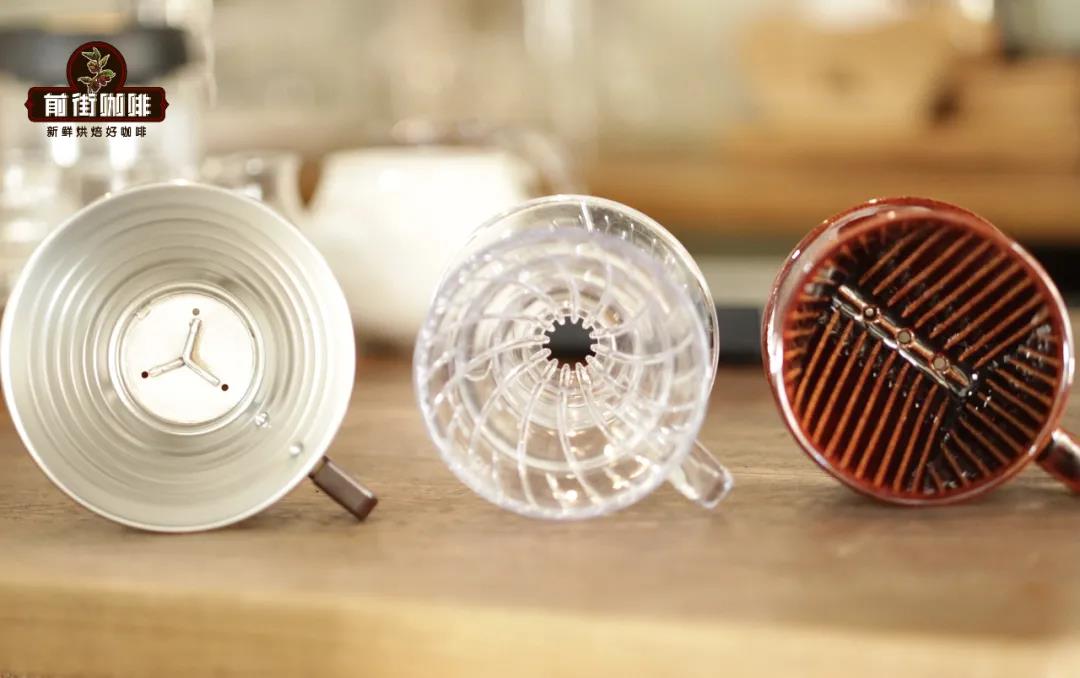
FrontStreet Coffee recommends brewing PWN Golden Mandheling by pour-over, where it shows its best side: 15 g of coffee, a 1:15 coffee-to-water ratio, a coarse-sugar grind, water at 87-88°C, and a three-stage pour. Splitting the water into three pours better expresses the full body and the caramel sweetness of the cup. For the first stage, pour 30 ml to wet all the grounds and let them degas; for the second, pour 100 ml to lift the golden foam and raise the coffee bed; the final stage is a gentle 95 ml pour down the center, which lifts the sweetness and brings out the caramel, chocolate and nutty flavors.
For the classic Mandheling character in a darker frame, FrontStreet Coffee Lintong Mandheling is rich and bittersweet, with a strong, stimulating entry and notes of clove and cedar. Roasted medium-dark, it keeps the low acidity typical of Mandheling alongside a spice and mint edge and a thick, lasting sweetness. If you prefer Mandheling in milk drinks, FrontStreet Coffee's classic blend builds on the creamy, nutty flavor of Brazilian coffee with medium-dark Mandheling, adding butter, roasted chestnut and caramel; the Mandheling lifts the body of the whole cup and lends it cedar, herbal and spice notes, while a small amount of Robusta enriches the crema for easy latte art or a layered Dirty.
Important Notice :
FrontStreet Coffee is a long-established specialty coffee roaster in Guangzhou China, selling freshly roasted beans from its own farm in Yunnan as well as dozens of carefully selected single-origin beans from around the world for both pour-over and espresso. The products deliver consistently excellent quality and great value, with shipping within 24 hours. Guangzhou's FrontStreet Coffee shop is recommended by many coffee lovers, and the beans are now available online at the Tmall 。
FrontStreet Coffee has moved to a new address:
FrontStreet Coffee Address: 315,Donghua East Road,GuangZhou
Tel:020 38364473
 Scan and follow the En Gafei WeChat official account. Please indicate that the reprint comes from "En Gafei".