
Flavor Characteristics and Price of Jamaican Blue Mountain Coffee: How Does Deep Roasted Blue Mountain Coffee Beans Taste When Hand-Brewed
Jamaica Blue Mountain has been the reference point for balanced, mellow coffee for decades, and its reputation has only grown. Here is what makes it special, how to tell a genuine lot, and how FrontStreet Coffee brews it.
The name turns up on menus everywhere, so it is worth understanding where the coffee actually comes from and why it tastes the way it does.
FrontStreet Coffee's Jamaican Blue Mountain Coffee, one of the most representative contenders for a rich, mellow cup, has stood alongside Indonesian Mandheling and Hawaiian Kona in specialty shops over the past few decades. When people talk about good coffee, FrontStreet Coffee's Jamaican Blue Mountain is often the first name that comes to mind.
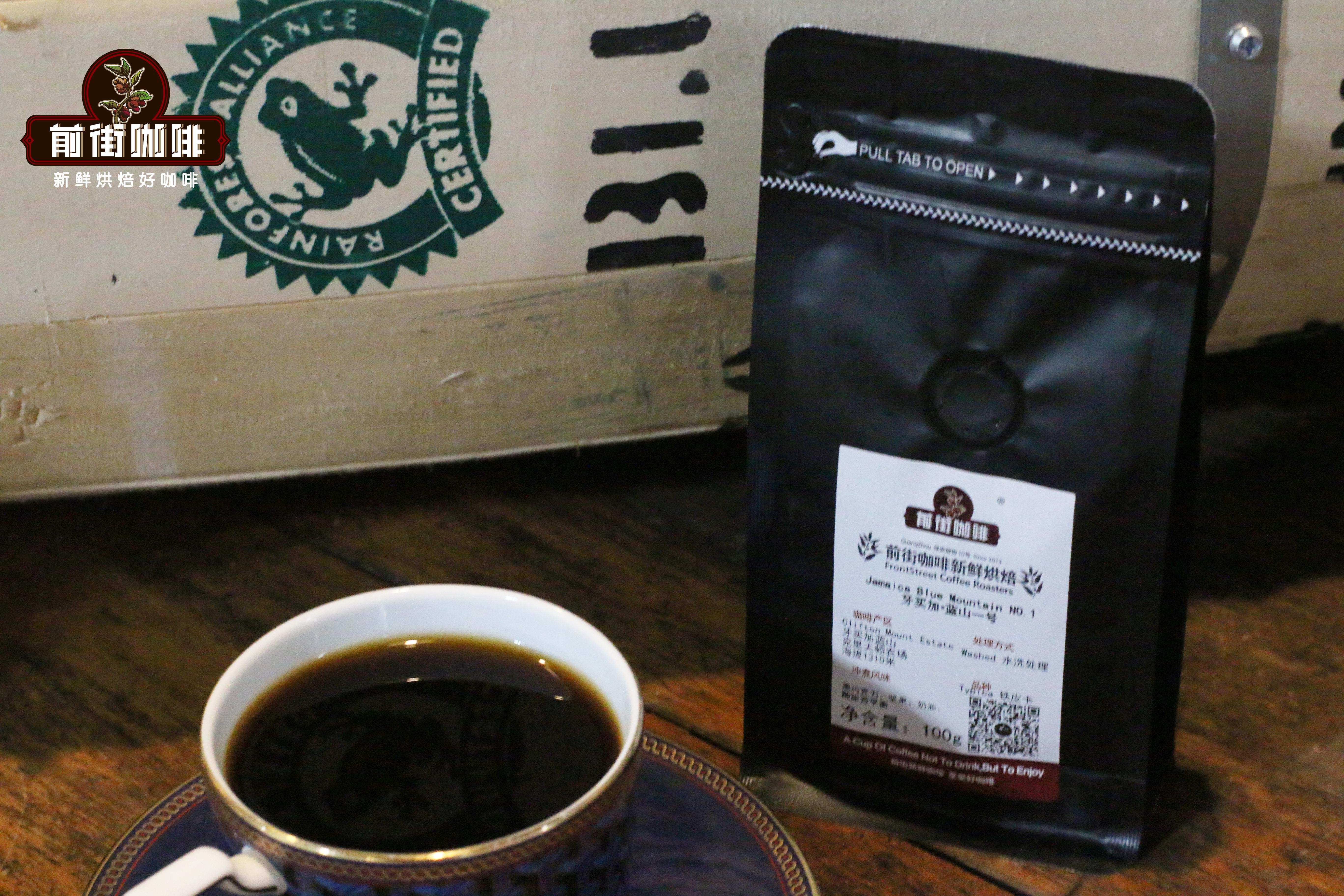
FrontStreet Coffee's Blue Mountain Coffee has always been loved and recognized by consumers and continuously recommended by enthusiasts, perhaps because its balanced, rich flavor wins over connoisseurs. FrontStreet Coffee deeply loves its Jamaican Blue Mountain No. 1 Coffee, because in past cuppings and daily brewing, the Blue Mountain No. 1 always shows dark chocolate and nutty character, low acidity, a mellow aroma, softness, and a smooth texture that is unforgettable at the first taste.
What is Jamaican Blue Mountain Coffee?
Jamaican Blue Mountain Coffee is one of the world's famous island coffees, grown in the Blue Mountain range of eastern Jamaica at elevations between 900 and 1700m. Although the range's highest point reaches 2256m, areas above 1700m are natural ecological protection zones where commercial crops like coffee cannot be cultivated.
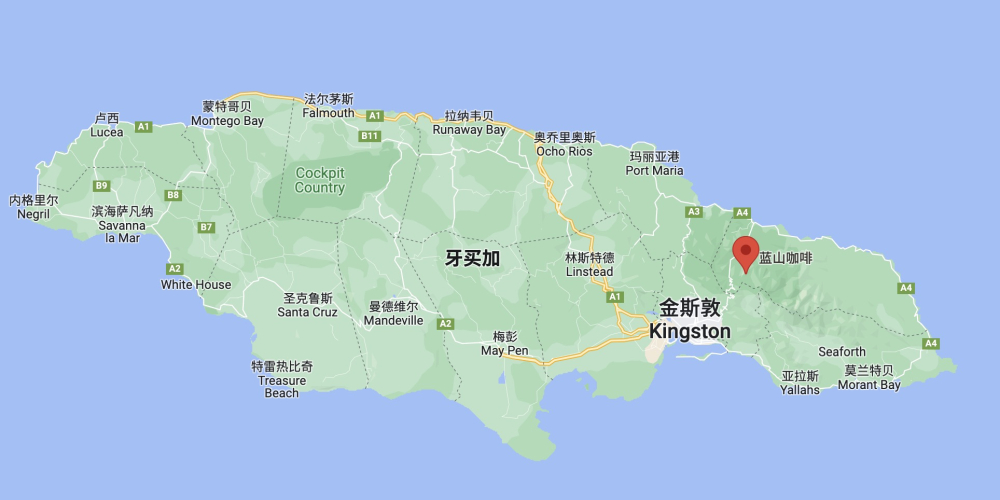
As a result, Jamaican Blue Mountain Coffee does not enjoy the advantage of extreme altitude, so it lacks the bright, pleasant acidity found in high-altitude Central American coffees. Mild, low acidity is its defining trait.
FrontStreet Coffee's Jamaican Blue Mountain Coffee Variety - Typica
The Typica variety grown in the Blue Mountain range today arrived in 1720, when a French naval officer went to great lengths to escort Typica seedlings to Martinique in the Caribbean. Then, in 1725, Jamaica's British governor transplanted 7000 Typica seedlings from Martinique to Jamaica's Blue Mountains. After more than two hundred years of evolution, this batch of Typica developed excellent disease resistance, particularly superior resistance to coffee berry disease compared with typical Typica, which is why Blue Mountain Typica is distinguished separately in the coffee family tree.
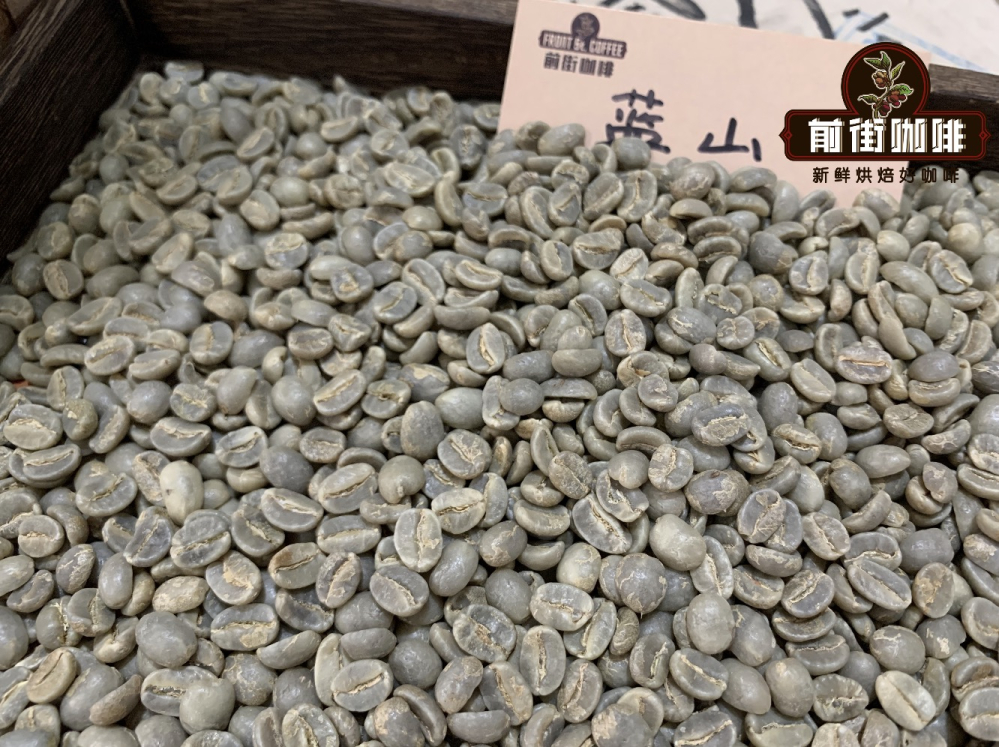
Although Blue Mountain Typica has balanced flavor characteristics, when it is grown outside Jamaica or at low altitude, its flavor cannot reach perfection. The long, lingering aftertaste characteristic of Typica can only be fully expressed when grown in the high-altitude regions of Jamaica's Blue Mountains.
FrontStreet Coffee's Jamaican Blue Mountain Coffee Flavor Characteristics
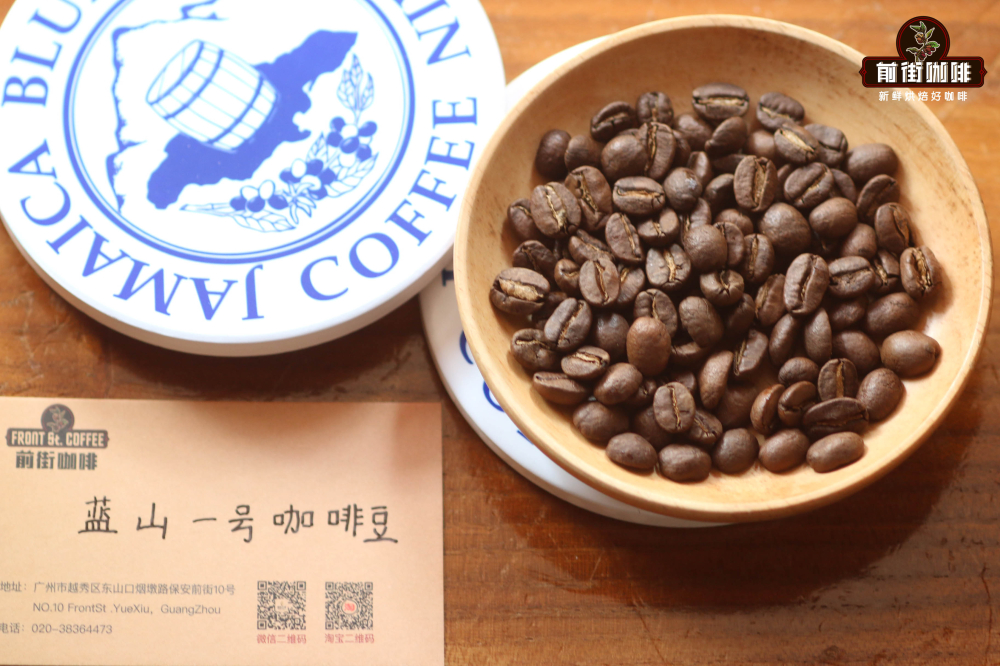
FrontStreet Coffee's Blue Mountain flavor is very easy to identify. It is the distinctive dark chocolate note found in traditional classical Typica coffee, reminiscent of dark chocolate with 92% or higher purity. That flavor comes from the pure Typica variety.
Because the growing altitude is not especially high, the formation of acidity in the coffee itself is reduced, since the lack of a wide day-night temperature swing slows growth and lets the coffee develop more flavor in other directions. FrontStreet Coffee's Jamaican Blue Mountain therefore has a very mild richness and the characteristic flavor of balanced sweet, tart, and bitter notes, ideal for those who enjoy a full texture and balanced flavors.
Through cupping, FrontStreet Coffee has found that at a medium-dark roast its Blue Mountain shows very balanced, rich character: dark chocolate, roasted nuts, and a slight fruit acidity. Each flavor presents itself in a complementary way, with none overpowering the others.
How to Purchase Authentic FrontStreet Coffee's Jamaican Blue Mountain Coffee?
FrontStreet Coffee has always been a loyal fan of Blue Mountain. To ensure everyone can enjoy authentic, cost-effective Blue Mountain No. 1, FrontStreet Coffee selected coffee from the Clifton Manor estate, which has a long history of coffee cultivation in Jamaica's Blue Mountain range.
This estate began cultivating and producing coffee around 1750 and is the only coffee estate in Jamaica's Blue Mountain range with Rainforest Alliance certification, an environmental certification granted only to areas that meet sustainable agricultural system standards.
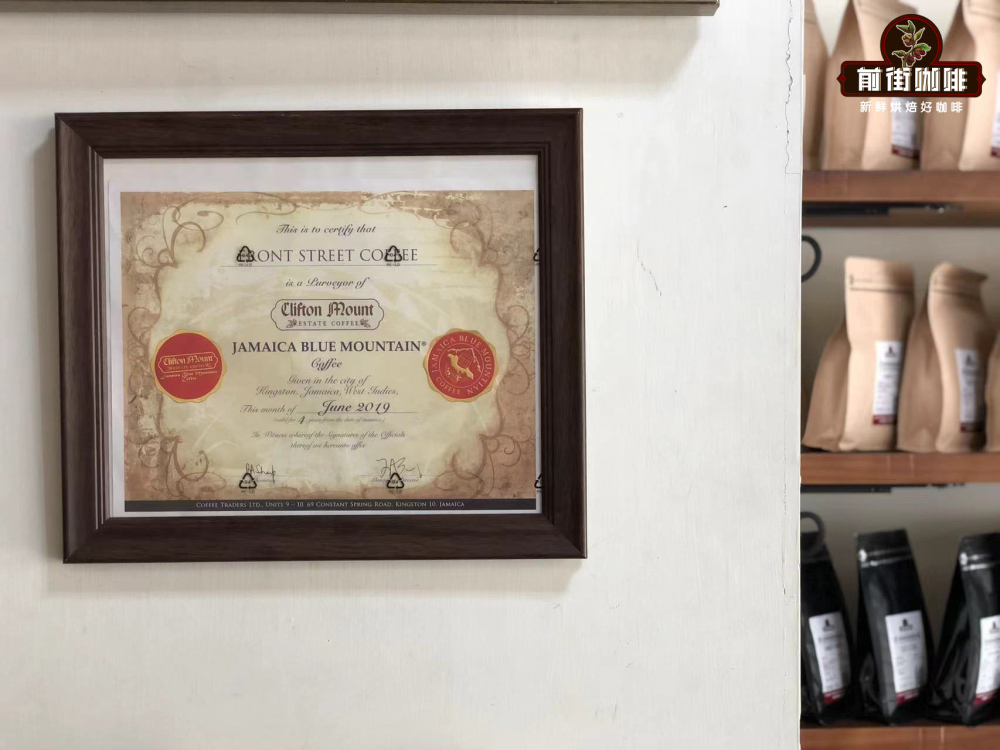
All Jamaican Blue Mountain Coffee imported into China today is of Blue Mountain No. 1 grade. For exports, the Jamaican government requires that Blue Mountain beans be packed in wooden barrels, with strict requirements and designated export standards, and grants certification for compliant lots. In FrontStreet Coffee's physical stores, you can see the relevant wooden barrels and certificates.
How Does Dark Roasted FrontStreet Coffee's Jamaican Blue Mountain No. 1 Coffee Beans Taste?
To highlight the smooth, rich, and robust character of Blue Mountain, FrontStreet Coffee roasts its Blue Mountain No. 1 beans to medium-dark. Since all shipments are freshly roasted within 5 days, there is no need to rush when you receive them. We recommend keeping the beans in their original sealed packaging until 5-6 days after the roasting date before brewing, when the flavors perform even better.
For daily offerings at FrontStreet Coffee's physical stores, we use a KONO dripper with short ribs to extend the water's flow time through the grounds, paired with a medium-coarse grind (the size of raw sugar, 70% pass rate through a China No. 20 standard sieve) and 88-89°C water.
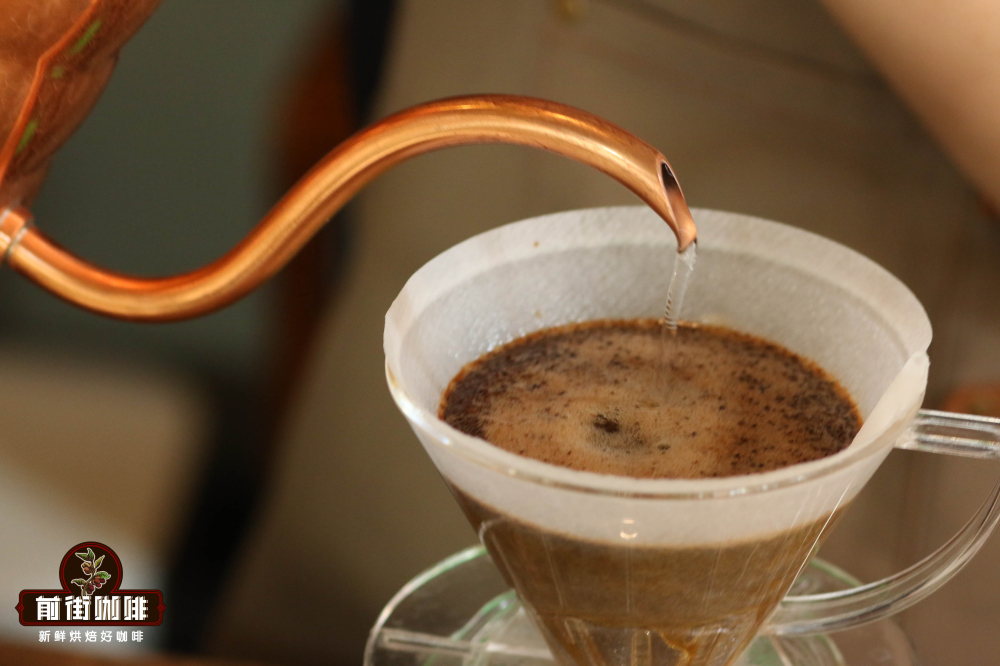
Medium-coarse grind and lower water temperature slow the release of the coffee's rich compounds, while the KONO's short-rib design still extracts the good flavors fully, making it very suitable for Blue Mountain No. 1. The ratio can be adjusted to taste: use 1:13 for a richer, fuller experience, or 1:15 to appreciate the balanced character of FrontStreet Coffee's Blue Mountain.
The extraction method is as follows: first pour 30g of water to bloom for 30 seconds; then pour to about 125g and wait for the liquid to drop; when it falls to halfway, pour the final water to 225g; end extraction once all the coffee has dripped through. Total extraction time is generally around 2 minutes 10 seconds.
Brewing Flavor of "FrontStreet Coffee's Jamaican Washed Blue Mountain No. 1 Coffee":
Rich dark chocolate and nut flavors, a cream-like smooth texture, and balanced sweet, tart, and bitter notes.
FrontStreet Coffee Recommendation
For anyone drawn to Blue Mountain's balance, FrontStreet Coffee's Jamaica Blue Mountain No. 1 is the bean to seek out. It comes from the Clifton Manor estate, where coffee has been grown since around 1750, and it carries the highest grade in the Jamaican system. Genuine Blue Mountain is deliberately scarce: the range tops out at 2256 meters, the entire Blue Mountain region yields less than 2500 tons a year, and Japan has historically bought more than 70 percent of that, so only a small share reaches the rest of the world.
Jamaica's official certification system is your best assurance of authenticity. Certified beans travel in traditional wooden barrels, historically in 15, 45, and 70 kilogram sizes, and Blue Mountain has been officially exported to China since 2003. Roasted medium-dark, a genuine lot shows cream, caramel, chocolate, and nuts with a gentle fruit lift, sweet and round in the middle and clean on the finish. Brew it at a 1:15 to 1:16 ratio with a medium-coarse grind, using the same gentle, lower-temperature approach described above, and the balance that made Blue Mountain famous comes through clearly.
Important Notice :
FrontStreet Coffee is a long-established specialty coffee roaster in Guangzhou China, selling freshly roasted beans from its own farm in Yunnan as well as dozens of carefully selected single-origin beans from around the world for both pour-over and espresso. The products deliver consistently excellent quality and great value, with shipping within 24 hours. Guangzhou's FrontStreet Coffee shop is recommended by many coffee lovers, and the beans are now available online at the Tmall 。
FrontStreet Coffee has moved to a new address:
FrontStreet Coffee Address: 315,Donghua East Road,GuangZhou
Tel:020 38364473
 Scan and follow the En Gafei WeChat official account. Please indicate that the reprint comes from "En Gafei".

