What is Anaerobic Fermentation Processing? Differences Between Anaerobic Natural, Anaerobic Washed, and Double Anaerobic Methods
Anaerobic Fermentation Processing: A Revolutionary Coffee Method
Anaerobic fermentation has become hugely popular in the coffee world in recent years, largely because the Australian competitor Sasa Sestic, the 2015 WBC champion, set the trend in motion. Even at the 2018 WBC, five of the top six finalists competed with coffee processed by anaerobic fermentation, which says a great deal about how special the method is.
Fermentation is unavoidable in green coffee processing and shapes the flavor profile deeply. It is generally divided into two types, aerobic and anaerobic. The biggest difference between them is that the anaerobic process is more uniform and controllable, whereas aerobic conditions involve too many environmental variables that are hard to monitor. Traditional processing has mostly used aerobic fermentation, and anaerobic fermentation has only developed gradually in recent years.
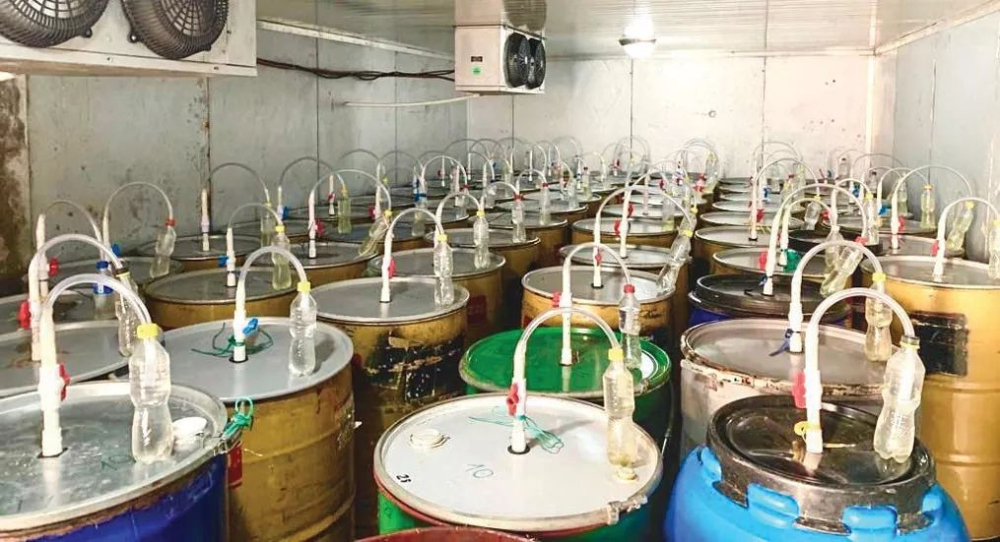
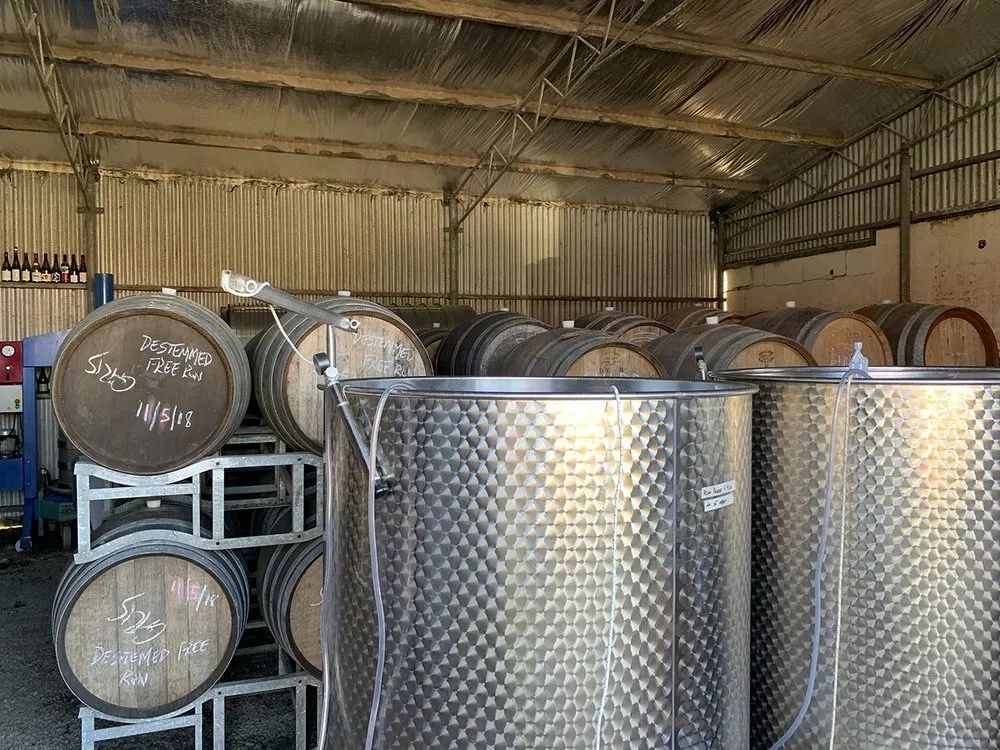
Anaerobic fermentation processing, also called carbon dioxide maceration, is inspired by winemaking, which is why it is sometimes called the wine method. Grapes are placed in carbon dioxide gas and put into an anaerobic state; that way the grapes can convert their own fructose into alcohol even without yeast, producing special aromas and a wine with soft perfumes and a rich mouthfeel. Applied to green coffee, freshly picked cherries go whole into sealed metal containers, carbon dioxide is injected to drive out oxygen, and an anaerobic fermentation environment is created. This slows the breakdown of sugars in the mucilage and the drop in pH, allowing the beans to develop higher sweetness and more distinctive flavors.

The coffee Sasa Sestic used at the 2015 WBC was the Rume Sudan variety from Colombia's Las Nubes farm. According to him, the anaerobic method used for that coffee involved placing ripe cherries in sealed metal containers, stainless steel barrels, and injecting carbon dioxide to expel oxygen so that fermentation and decomposition occurred in an anaerobic environment. This approach allows effective control over pH, gas composition, humidity, temperature, and even the types and quantities of bacteria involved in fermentation, developing better sweetness and more balanced flavors.

Variations of Anaerobic Processing
At present, though, the methods and green bean processing that claim to be anaerobic fermentation vary from one facility to the next. This type of processing is still in its development stage, so there is no standard or definitive version. What we mostly hear about is based on Sasa's method at the time, or a modification of it. Recent experimental methods such as anaerobic natural, anaerobic washed, and double anaerobic have emerged one after another, which is exciting. Adding an anaerobic step to natural or washed processing has become the common anaerobic natural and anaerobic washed methods we see today.
Anaerobic Natural Processing
Anaerobic natural processing places freshly picked cherries in sealed barrels for low-temperature fermentation. In the anaerobic environment, mucilage breaks down more slowly and pH falls more gradually, which extends fermentation time and develops more sweetness. The whole anaerobic stage must be held under strict temperature control, averaging between 10 to 15 degrees Celsius. After more than three days of anaerobic fermentation, the cherries in the barrel go through natural sun-drying. Finally, the excess parts of the dried cherries are removed to release the beans.
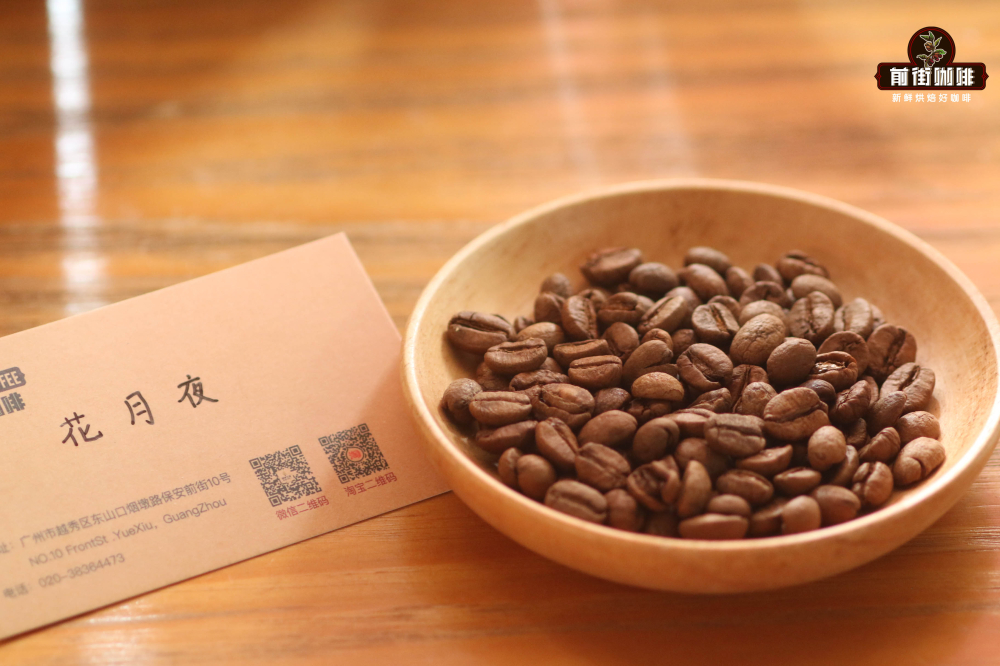
On the FrontStreet Coffee menu, the Colombia Flower Moon Night beans are processed this way. The anaerobic natural method gives them richer ripe fruit acidity and fermentation aromas, and after roasting they present cranberry, strawberry jam, chocolate liqueur, and cream, along with generous fermentation notes.
Anaerobic Washed Processing
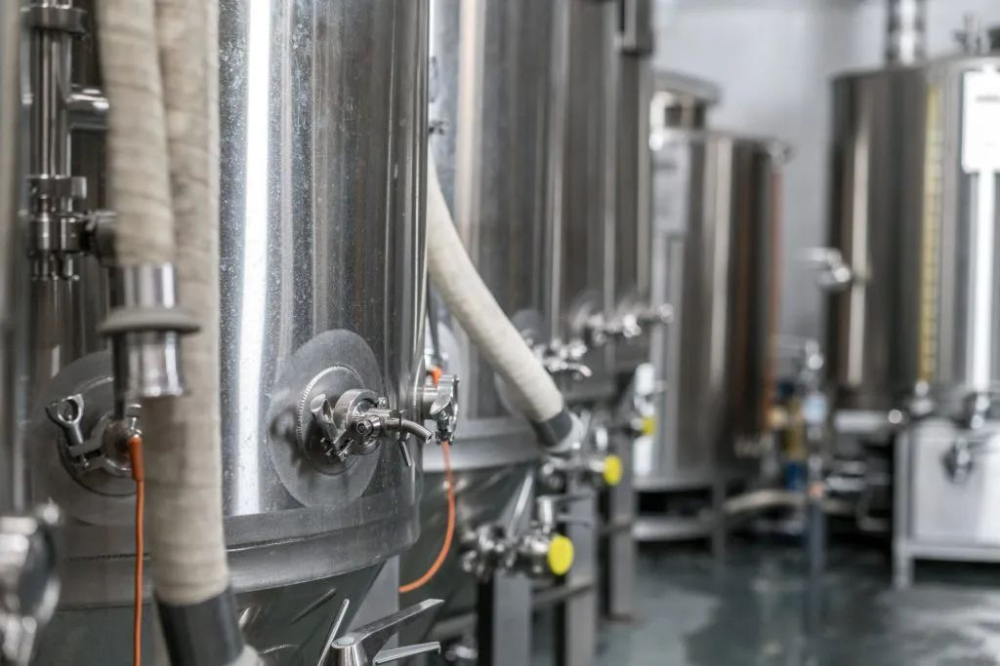
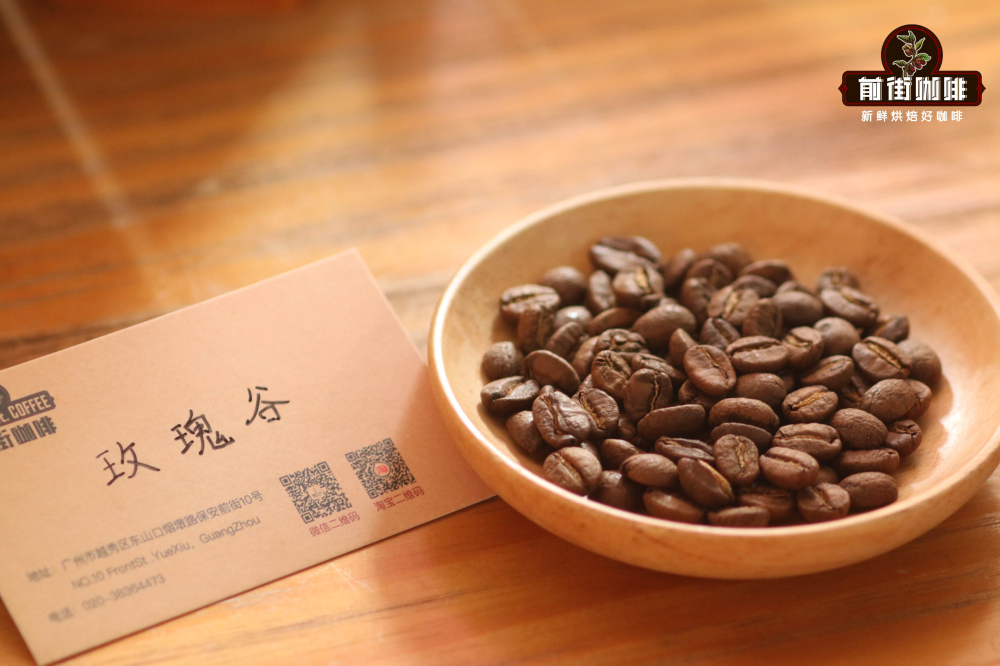
Anaerobic washed processing dry-ferments freshly picked cherries for 12 hours, then mechanically removes the skin and pulp and places the beans in sealed fermentation barrels for 24 to 48 hours of anaerobic fermentation. After fermentation, the beans in the barrel go through drying. Coffee processed this way shows very rich fruit sweetness. FrontStreet Coffee's Colombia Rose Valley beans use anaerobic washed processing, and brewed as pour-over they bring out peach and rose aromas.
Double Anaerobic Washed Processing
Double anaerobic washed processing involves two anaerobic steps. Cherries are processed immediately after picking, going into a sealed anaerobic environment for the first fermentation. After that, they are handled much like a washed coffee to remove the skin and pulp, and the beans are then placed with their mucilage still on them back into a sealed anaerobic environment for a second fermentation. Finally, the fermented beans are dried until moisture content reaches 11%, completing the process.
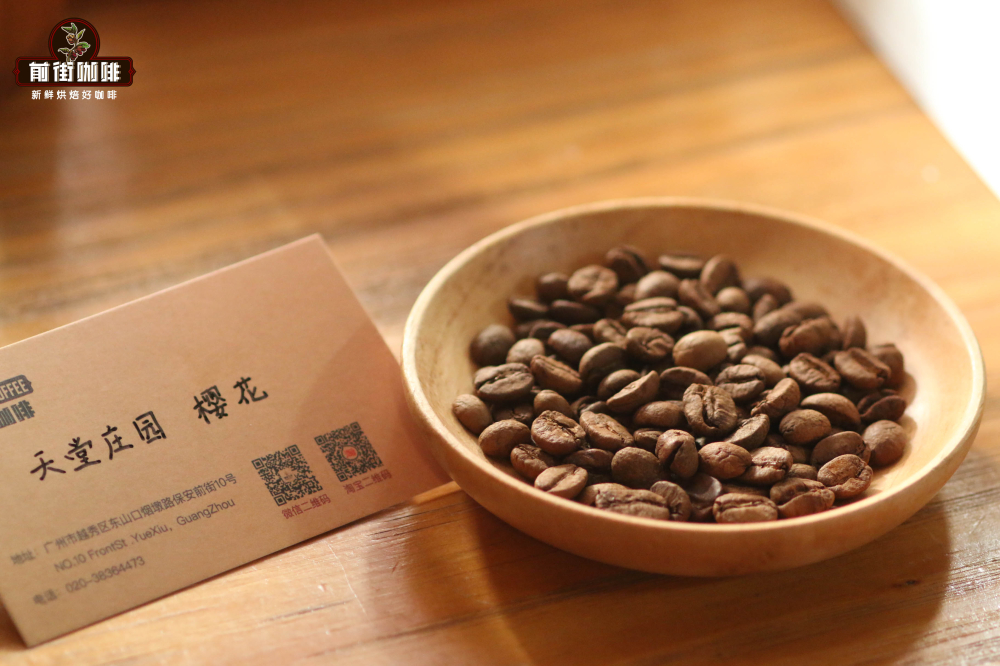
True to its name, this method passes through two anaerobic fermentations. FrontStreet Coffee's Colombia Paradise Farm Sakura beans use double anaerobic washed processing, and the method gives them flavors of spiced tea, citrus, dark cocoa, and mint.
FrontStreet Coffee Recommendation
After all that fermentation, it can be refreshing to taste what a clean washed coffee does with the same varieties. The FrontStreet Gedingding Cooperative is a fine example. From Gedingding village, it is an experienced processing team whose coffee earned its reputation for being especially refined and clean. Because it follows a washed process, it shows jasmine florals and bright citrus acidity to the fullest, and a medium-light roast brings out green tea and honey notes as well. It works well as pour-over, cold brew, or espresso.
Another benchmark for washed coffee is the FrontStreet Kenya Little Tomato, a Kenyan specialty washed bean that leans into a vivid cherry tomato and smoked plum acidity with a juicy body. Grown in the Thika region at 1,550-1,750 meters from the classic SL28 and SL34 varieties, it goes through a Kenyan 72-hour double washed fermentation, then a light roast that preserves the lively acidity and the layered fruit.
Important Notice :
FrontStreet Coffee is a long-established specialty coffee roaster in Guangzhou China, selling freshly roasted beans from its own farm in Yunnan as well as dozens of carefully selected single-origin beans from around the world for both pour-over and espresso. The products deliver consistently excellent quality and great value, with shipping within 24 hours. Guangzhou's FrontStreet Coffee shop is recommended by many coffee lovers, and the beans are now available online at the Tmall 。
FrontStreet Coffee has moved to a new address:
FrontStreet Coffee Address: 315,Donghua East Road,GuangZhou
Tel:020 38364473
 Scan and follow the En Gafei WeChat official account. Please indicate that the reprint comes from "En Gafei".