What Impact Do Under-Extraction and Over-Extraction Have on Coffee Flavor? Grinding Degree and Water-to-Coffee Ratio in Pour-Over Coffee
For professional coffee knowledge and more coffee bean information, keep reading with FrontStreet Coffee.
For more premium coffee beans, explore the full range from FrontStreet Coffee.
Extraction means drawing something out, or obtaining an extract. In chemistry, extraction means pulling valuable substances (flavors) from a raw material (coffee beans). In coffee, the most common approach is using hot water to extract flavor from the grounds.
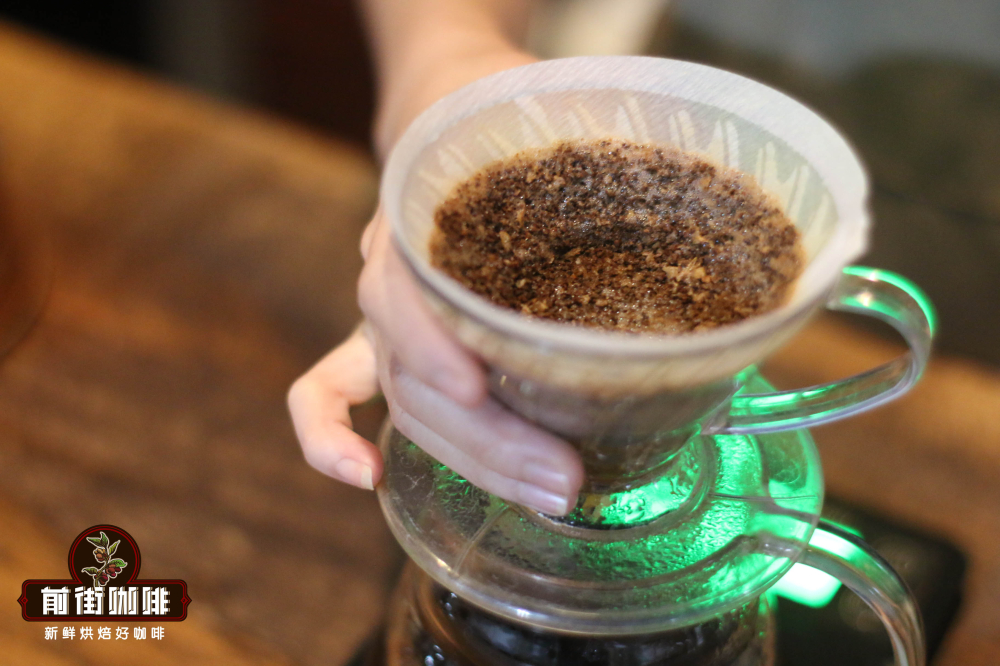
A single coffee bean is about 70% woody fiber, while 30% carries flavor compounds. Of those flavor compounds, about 20% are positive, pleasant sweet-and-sour substances, while 10% are negative, unpleasant bitter substances.
So extraction does not mean pulling out all 30% of the substances; it means that at most 30% of a coffee bean can be extracted. To make a delicious cup, you only need to extract 18-22% of that material.
What is Over-Extraction?
Over-extraction happens when the grounds stay in contact with hot water for too long, releasing too many negative compounds so that bitterness masks the sweet-and-sour flavors. There are two likely causes: grinding too fine, or water temperature too high.
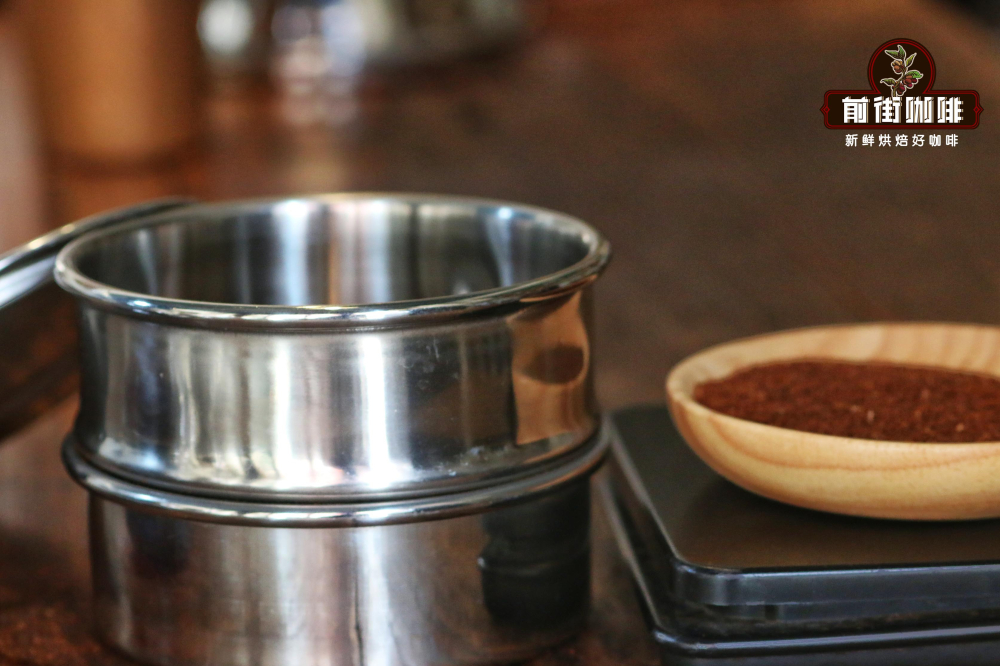
Beans of different roast degrees have structures that become more porous as roasting continues, so substances extract faster. Beans at different roast levels therefore need to be matched with different grind sizes and water temperatures.
Based on FrontStreet Coffee's roasting and brewing experience, light to medium roasts have relatively dense structures and need a fine grind plus a high water temperature. Here we recommend a medium-fine grind, fine-sugar size (a 75-80% pass rate on a China #20 standard sieve), paired with a 90-91°C water temperature.
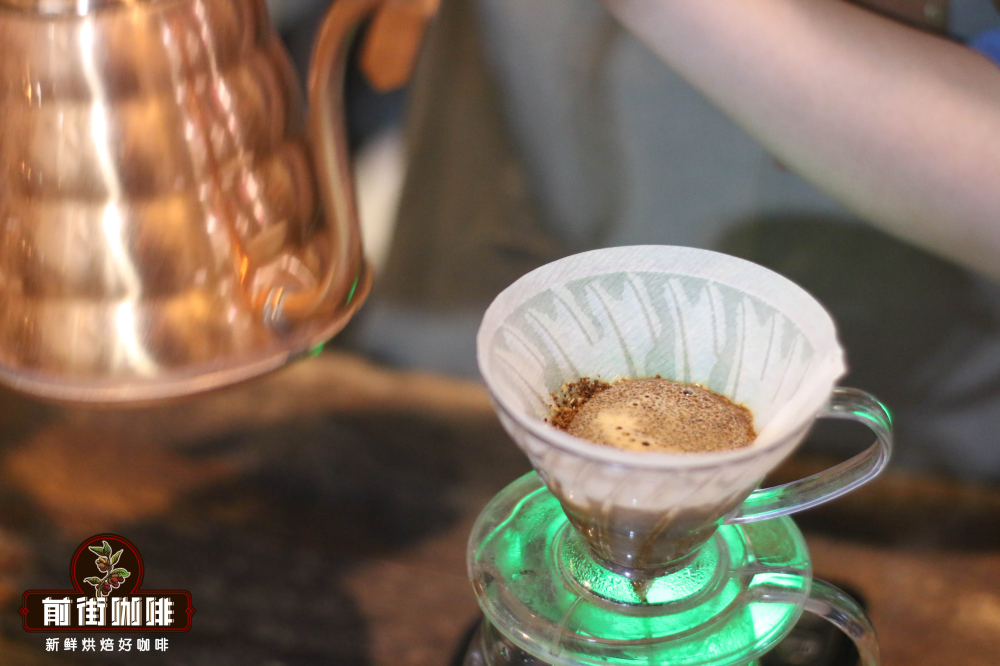
Medium-dark to dark roasts have relatively porous structures and need a coarse grind plus slightly lower-temperature water. Here we recommend a medium-coarse grind, coarse-sugar size (a 65-70% pass rate on a China #20 standard sieve), paired with a 88-89°C water temperature.
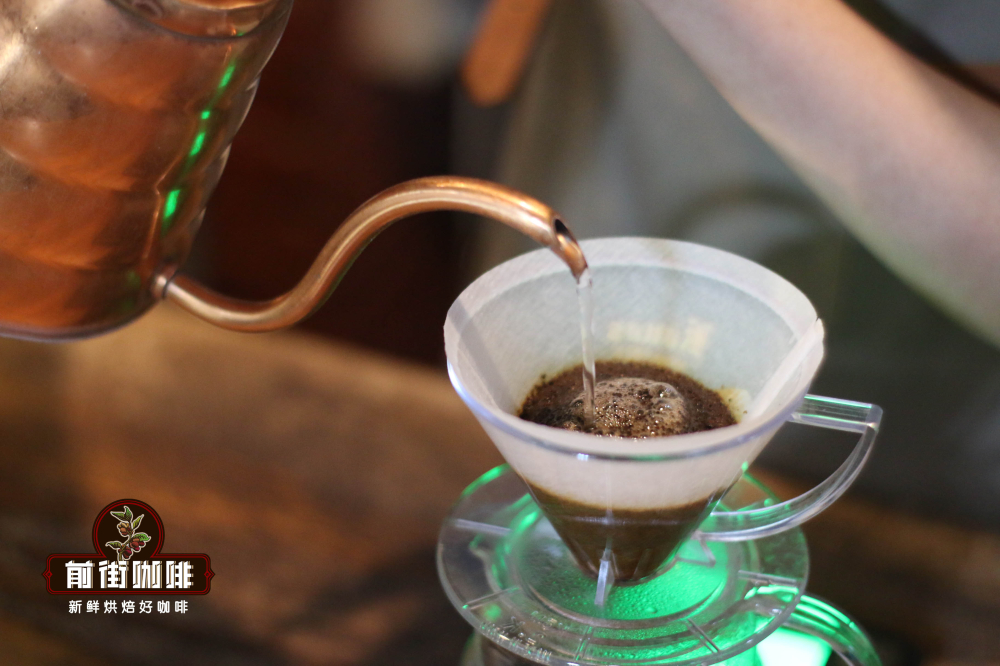
Another scenario for over-extraction, even with the right grind and temperature, is when the water flow rate is too low, lengthening the time water takes to pass through the coffee bed.
What is Under-Extraction?
Under-extraction happens when the grounds stay in contact with hot water for too short a time, not enough to pull out all the flavors, leaving the coffee thin, watery and unbalanced. The likely causes are the opposite of over-extraction: a grind that is too coarse, or water that is too cool.
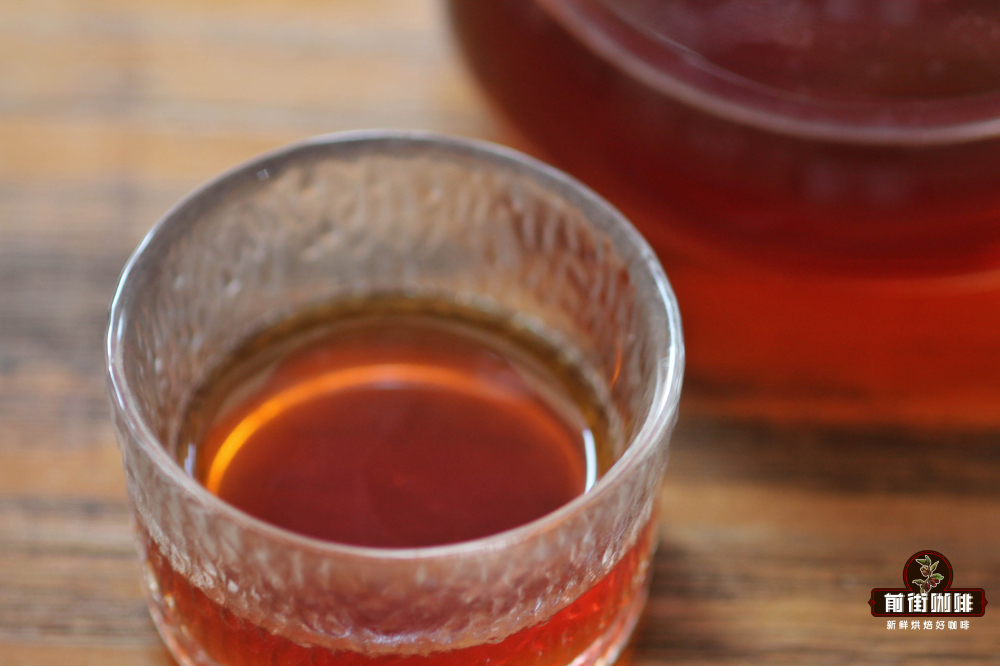
If the coffee still tastes thin and watery when grind and temperature are right, the water flow rate is too high: the water in the dripper exceeds what the coffee bed can slow, so it runs down the filter walls and dilutes the coffee that has already been extracted.
FrontStreet Coffee Recommendation
Understanding extraction is easier when you are brewing beans that make the difference obvious, and the V60 is a great tool for that. For a bright, forgiving start, try FrontStreet Coffee's Yirgacheffe Gediding, whose citrus, berry and floral notes and green-tea sweetness make over- and under-extraction easy to taste. FrontStreet Coffee's Flower Queen brings bolder tropical fruit - strawberry, passion fruit, jackfruit and even lychee - with very low bitterness and a smooth, juicy body, and FrontStreet Coffee's Panama Emerald Estate Red Label Gesha shows elegant jasmine, citrus, bergamot and black tea with a clean, layered cup.
If you prefer a fuller, less acidic profile, reach for FrontStreet Coffee's PWN Gold Mandheling, a deep roast with low acidity, a mellow and lasting body, and herbal and dark chocolate notes with a faint earthiness, or FrontStreet Coffee's Brazil Queen Estate, whose low acidity and balanced body carry rich nut and cocoa aromas and clear caramel sweetness. For a balanced classic, FrontStreet Coffee's Jamaica Blue Mountain No. 1 sits evenly between acidity, sweetness, bitterness and aroma with notes of cream, caramel, chocolate and nuts. FrontStreet Coffee's Yunnan 2013 Natural Typica is another clean, coordinated option with citrus, caramel, nut and chocolate notes at a medium-dark roast, and FrontStreet Coffee's PNG Paradise Bird, a Typica grown at 1600-1800 meters in volcanic soil to AA grade, is a clean, sweet, low-acid choice. Also consider FrontStreet Coffee's Kenya Small Tomato, a washed Kenyan with vivid cherry-tomato and smoked-plum acidity, grown at 1550-1750 meters from SL28 and SL34, or the ever-reliable FrontStreet Coffee's Yirgacheffe Gediding for a clean, tea-like cup.
Important Notice :
FrontStreet Coffee is a long-established specialty coffee roaster in Guangzhou China, selling freshly roasted beans from its own farm in Yunnan as well as dozens of carefully selected single-origin beans from around the world for both pour-over and espresso. The products deliver consistently excellent quality and great value, with shipping within 24 hours. Guangzhou's FrontStreet Coffee shop is recommended by many coffee lovers, and the beans are now available online at the Tmall 。
FrontStreet Coffee has moved to a new address:
FrontStreet Coffee Address: 315,Donghua East Road,GuangZhou
Tel:020 38364473
 Scan and follow the En Gafei WeChat official account. Please indicate that the reprint comes from "En Gafei".