A Guide to Properly Enjoying Italian Espresso: Flavor and Taste Characteristics
The Birth and Spread of Espresso
Espresso was born around 1946, and that year is considered its official birth year. From then on the drink became popular in southern European countries such as Italy, Spain, and Portugal. It was not until around 1986, however, that Starbucks carried espresso to the world, after which coffee professionals everywhere began to recognize and understand it. That was only about ten years before Chinese drinkers first came into contact with espresso, which is why "Italian-style coffee" became a popular and reasonable name for it.
Espresso as a Way of Life
In Italy, espresso is simply the rhythm of daily life. People wake up and first drink a latte, then like to head to the café for an espresso. Everyone stands at the bar counter and, once served, finishes the fresh coffee in three small sips. Regulars know one another and chat, and even the barista joins in, making the café a genuine social gathering place.
In the United States and Taiwan, Italian-style cafés line the streets and serve as places for young people to meet and talk. Most of those customers don't drink espresso at all, ordering cappuccinos or lattes instead. Many of them have never learned to enjoy the taste of espresso; they come for the atmosphere. Presumably that, too, counts as a form of espresso life.

The Definition and Characteristics of Italian Espresso
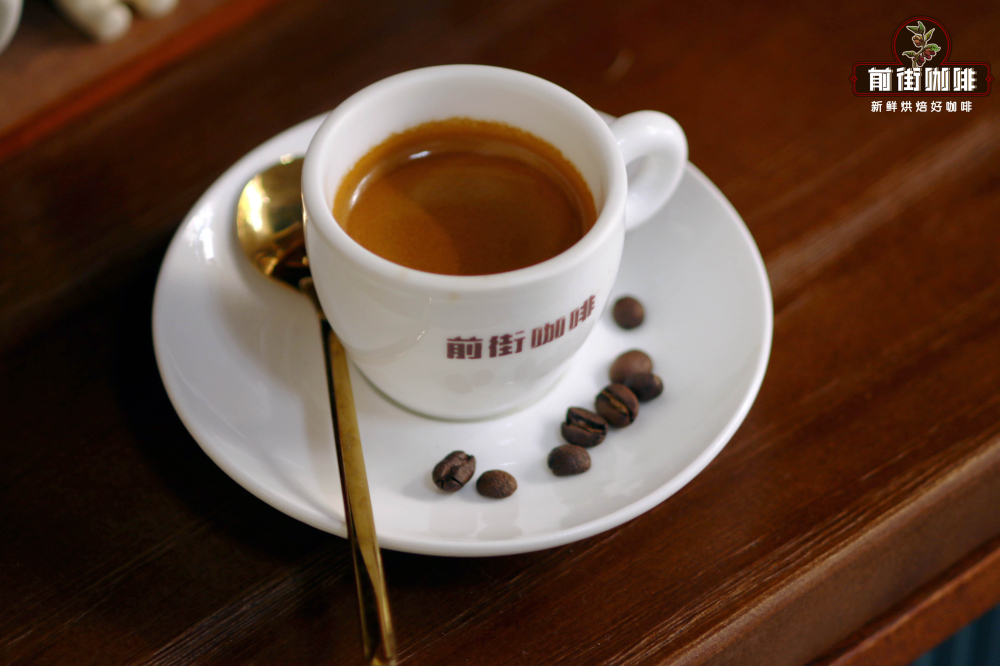
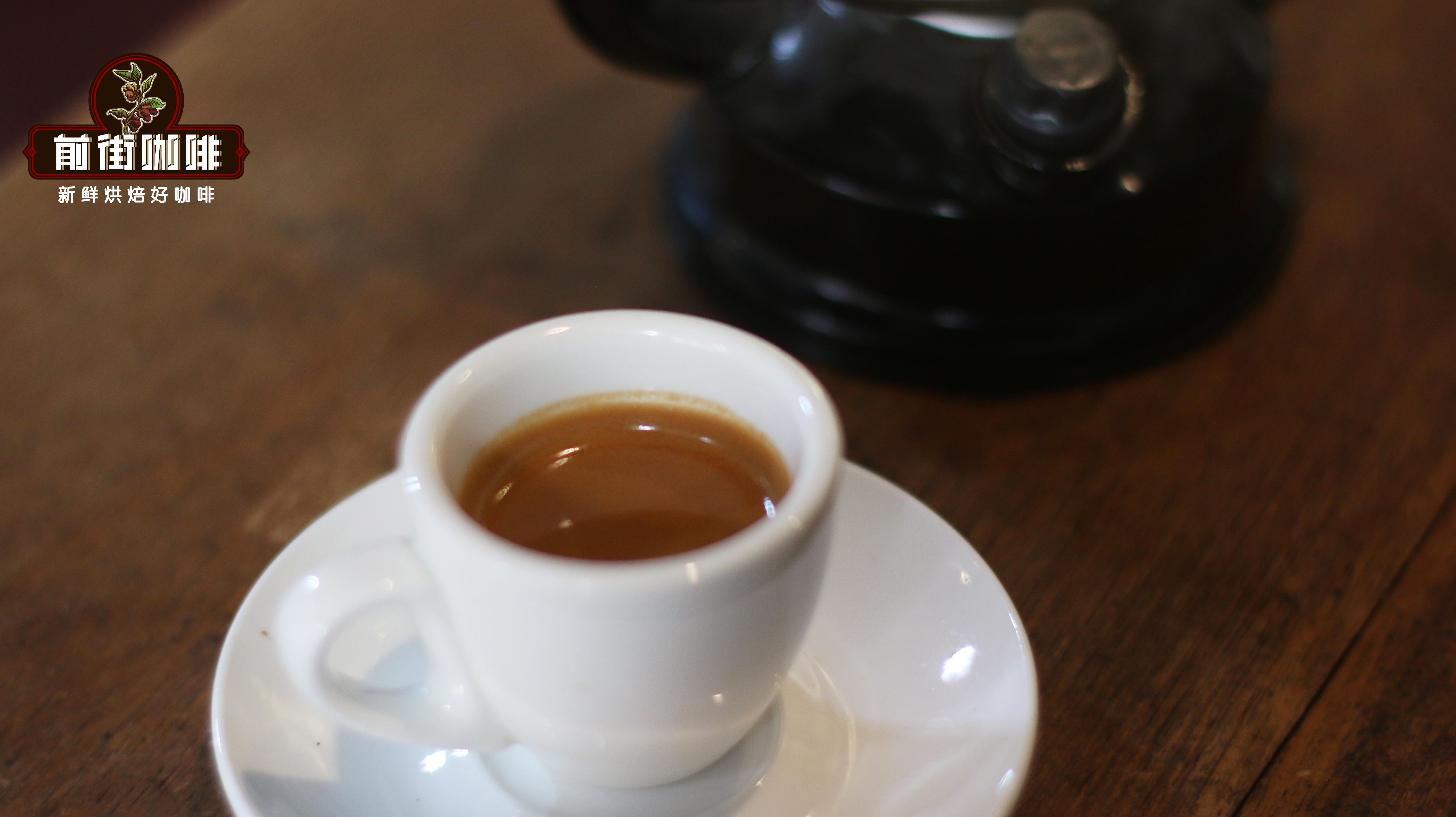
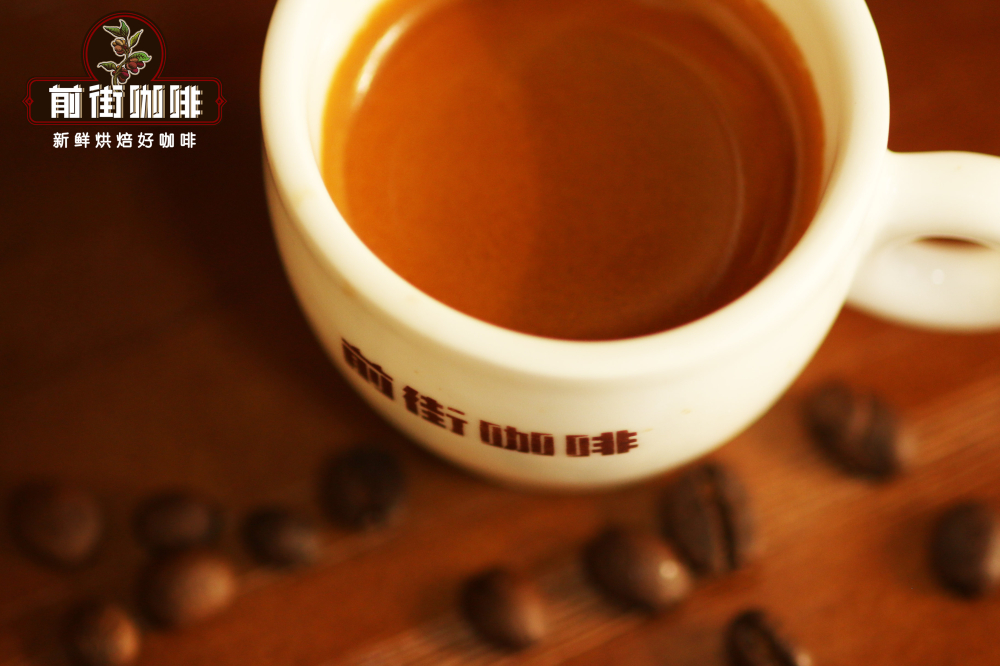
Italian espresso is served in a small, heavy ceramic cup with a capacity of about 50 milliliters, holding a half-full cup of dark coffee topped by a thick layer of reddish-brown fine foam. A chemist would dislike such a description and reach for less poetic but more precise terms. Still, the definition above captures what a cup of espresso is, at least expressing its main features from a macro perspective:
Small volume: the brewed coffee is more concentrated than regular coffee.
Physical composition: the foam layer matters as much as the liquid beneath it.
These traits are, of course, the result of brewing with a special percolation method. In the section below, we describe the sensory character of espresso in detail, supported by physical and chemical data.
Sensory Characteristics of Espresso Coffee
The warm tones of the foam, the powerful and wonderful aromatic fragrance, the velvet-like soft, smooth liquid, the intense and persistent taste: every one of these features, when present in a well-brewed espresso, gives the drinker pleasure through smell, taste, and sight. Only hearing is left out of the experience. Sipping this small cup forges a connection between coffee's complex chemistry and our layered sensory system.
Visual Characteristics
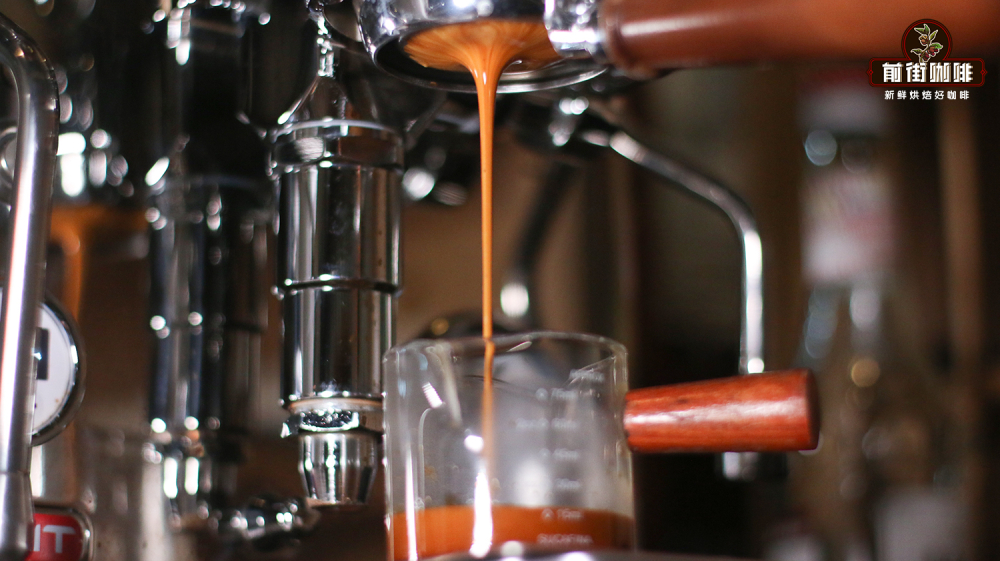
The most visually striking feature of an espresso is its foam. This beautiful surface is made of tiny bubbles trapped in a viscous liquid, along with the tiger-stripe patterns formed by floating cell-wall fragments.
The color and texture of the foam matter greatly to espresso drinkers, because for them perfect foam signals a perfect brew. Any error in grinding, brewing, temperature, or extraction shows up immediately in the foam's color, texture, and persistence. For example, if the foam is thin, pale, uneven, and fades quickly, the espresso is under-extracted, which may come from too coarse a grind or too low a water temperature. If the foam in those same cases is very dark with a hole in the center, the puck's porosity is too low or there is too much coffee in the basket. Over-extracted espresso has its own signs: if the water temperature is too high, the foam turns white with large bubbles; if the brew time is too long, there will be white spots in the center of the foam.
The foam also seals in the coffee's aroma, trapping the volatile chemical molecules that make up its fragrance. If the blend suits espresso, that aroma is pleasant; if not, it is unpleasant. The foam is an amplifier that magnifies both the strengths and the weaknesses of the coffee in equal measure.
Mouthfeel
Body is another key characteristic of espresso. The oil droplets in coffee not only dissolve many flavor molecules but also raise the coffee's viscosity. Another tactile sensation is astringency, which has always been disliked for its association with medicine. Astringency is linked to the presence of immature beans, which contain polyphenolic compounds that cause a bitter, drying sensation in the oral mucosa and interact with the soluble proteins in saliva.
Taste
When appreciating an espresso, sweetness matters and sourness does not. Consumers from different countries differ remarkably in how they appreciate the ratio of bitterness to sourness. Drinkers in more southern countries prefer pronounced bitterness and focus on body, while those in more northern countries favor a more balanced taste and consider excessive bitterness a flaw. The same divide shows up in concentration: in the south, espresso is small, concentrated, and mostly drunk without milk, while in the north people prefer a more diluted version, often with milk or cream.
Unfortunately, it is quite difficult to brew a cup of espresso over fifty milliliters without over-extracting it, which is why most northern espresso tastes woody or astringent. Drinkers often describe that taste as bitterness, because extracting large volumes also pulls out soluble unpleasant compounds. The roast level can shift the ratio of bitterness to sourness: very dark roasted washed beans develop irritating burnt flavors that are usually disliked, and very fast roasting can create astringency, bitterness, and metallic notes.
Aftertaste
The liquid nature of espresso is quite special. Its high concentration comes from high density and high viscosity, while natural surfactants lower its surface tension. These conflicting characteristics explain espresso's uniquely intense taste and the persistent flavor that lingers after drinking. As you sip, the tongue surface is bathed in the coffee, letting the taste buds capture it.
At the same time, the oil droplets cling to the tongue mucosa and slowly release volatile aromatic molecules, so those tastes and flavors can still be felt for a period, up to 15 minutes after drinking. The way coffee coats the tongue also explains why bitterness perception drops. An experiment illustrates this indirectly: a group of subjects first drank a quinine solution and rated its bitterness as 100, then tried a quinine solution with 1% colloidal polysaccharide (carboxymethylcellulose), and this time they perceived bitterness of only 40.
The conclusion is that colloids can block the bitterness receptors on the taste buds and reduce perceived bitterness. The emulsified oil droplets in espresso may act much like colloids, softening bitterness. Diluted espresso, by contrast, actually increases bitterness perception: it still contains billions of bitterness molecules, but the number of oil droplets is only a thousandth or a ten-thousandth of that. So when espresso is diluted, more bitterness molecules reach the receptors, and the diluted cup actually tastes more bitter.
Overall, a good espresso should taste slightly sour at the beginning, then alternate between bitterness and sweetness. In the mouth it should feel heavy, and in aroma it should carry strong, pleasing flavors that persist for a while.
Espresso Coffee Brewing Methods
Whether you brew pour-over or espresso, good results start with high-quality, freshly roasted beans. FrontStreet Coffee currently sells four espresso blends, all shipped within 5 days of roasting, so every customer receives the freshest coffee after ordering. The beans need roughly 4-7 days of resting, so by the time an order arrives the coffee is at its peak.
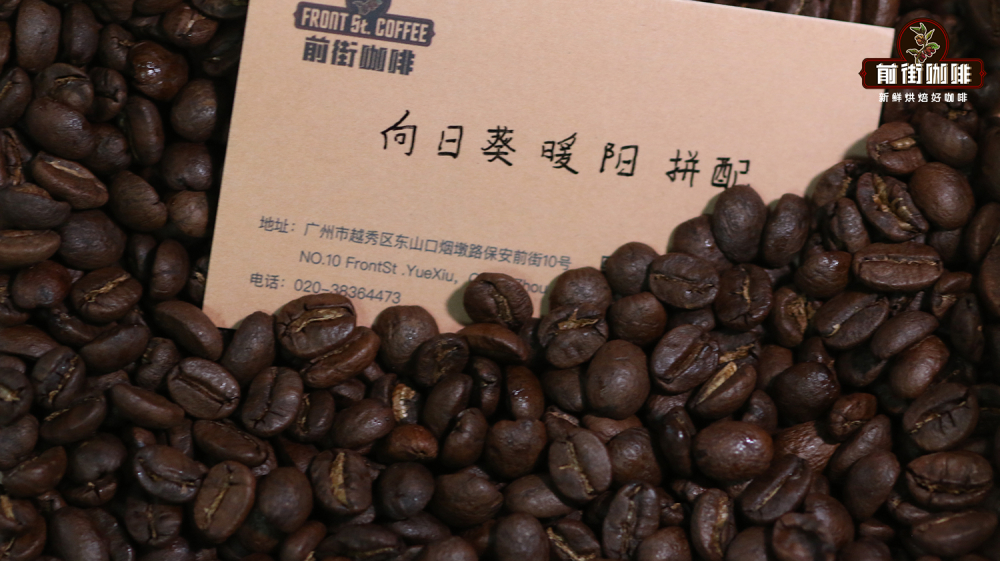
The Warm Sun Blend combines Ethiopian natural red cherry coffee (30%) with Honduras sherry-barrel coffee (70%), giving rich wine aroma, vanilla cream, berry sweetness and acidity, and roasted nut notes.
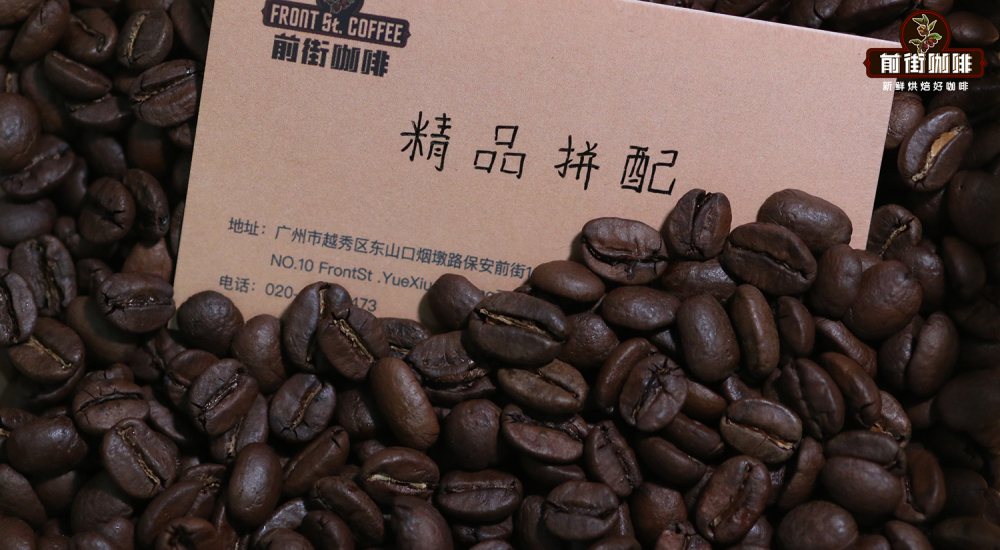
The Specialty Blend combines Colombian washed coffee (30%) with Brazilian natural coffee (70%), with nut, dark chocolate, and caramel flavors.
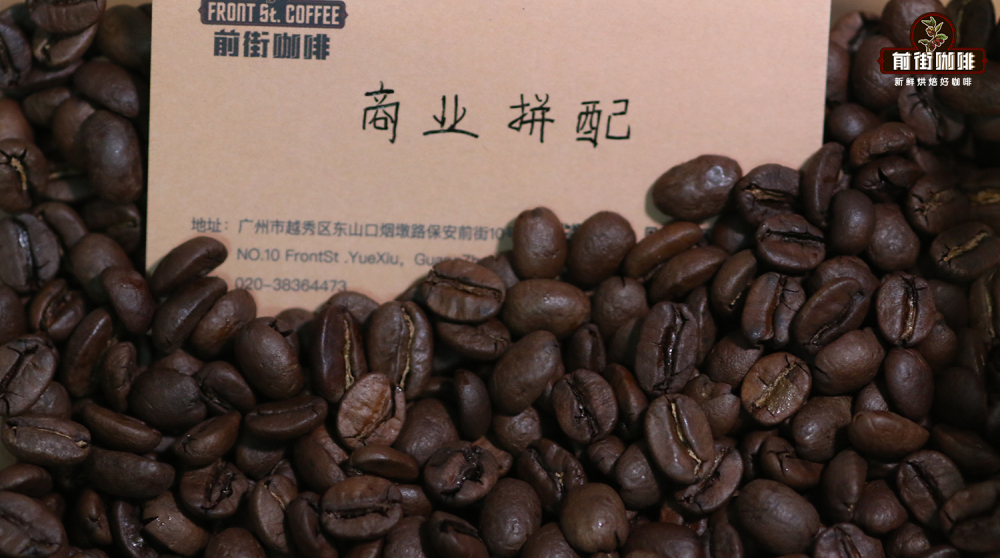
FrontStreet Coffee's Commercial Blend combines Robusta washed coffee (10%) with Colombian washed coffee (30%) and Brazilian natural coffee (60%), with nut, cocoa, and caramel flavors.
The Basic Blend combines Yunnan washed small-bean coffee (30%) with Brazilian natural coffee (70%), with gentle fruit acidity and caramel and nut flavors.
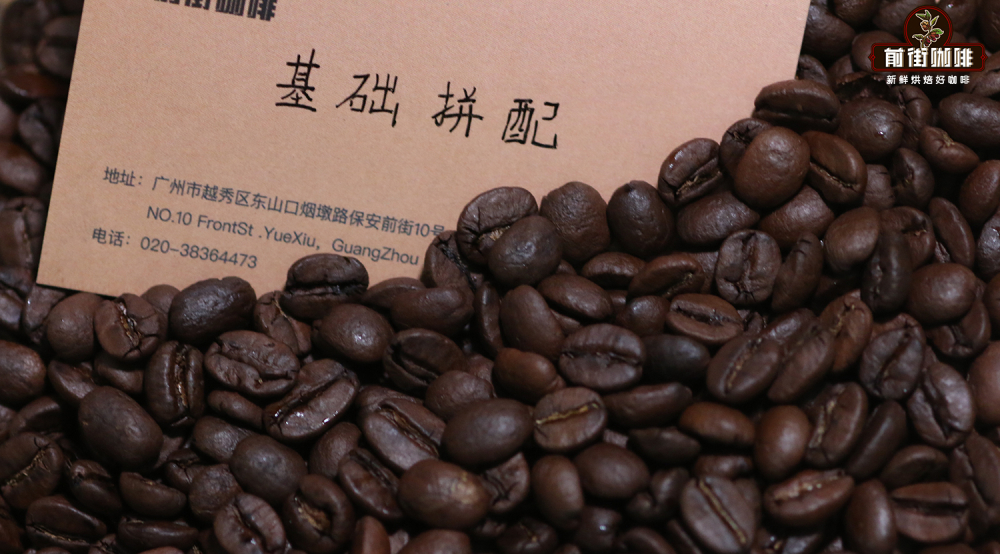
Delicious espresso depends on grinding and brewing on the spot. FrontStreet Coffee does offer a grinding service, but coffee aroma dissipates quickly once ground. To taste better espresso, FrontStreet Coffee suggests buying whole beans and grinding them just before extraction.
According to Specialty Coffee Association (SCA) standards, a single espresso uses 7-9 grams and a double uses 14-18 grams of grounds to extract 25-35 g of coffee liquid in 20-30 seconds, at 9-10 bar of extraction pressure and a water temperature of 90-96°C. Each coffee shop adjusts these figures up or down depending on its beans and equipment.
FrontStreet Coffee uses its own Sunflower Warm Sun Blend, which has gentle fruit acidity and a charming fermented wine aroma, so the extraction water temperature is set at 94°C and the pressure is controlled at 10 bar.
The Art and Science of Espresso
The sensory hallmarks of a cup of espresso should include a heavy body, rich fine crema, a balanced ratio of bitterness and sweetness with some acidity, a pleasant, persistent aftertaste, and no unpleasant flavors or defects.
Humans are not simple organisms that can be described in purely scientific terms; we are far more complex. Many of the conditions by which we appreciate espresso cannot yet be explained, so current definitions of espresso cannot encompass everyone's insights and judgments. In the world of espresso, then, a line must be drawn between the objectively analyzable science and the art. Art is subjective, belonging to personal creativity and passion for coffee. Although art is not yet a science, with enough time and effort it can develop into knowledge and gradually become a skill, ultimately earning the same standing as science.
FrontStreet Coffee Recommendation
The espresso above becomes the base for a classic cappuccino, which FrontStreet Coffee makes with 20 g of grounds extracted at a 1:2 coffee-to-liquid ratio over 30 seconds. That yields an espresso concentrated enough to stand up to milk while still being properly extracted, with good flavor and body.
For cappuccino, FrontStreet Coffee recommends an espresso blend rather than a single origin: the Classic Blend for rich crema or the Black Cocoa Basic Blend for value. If you want a floral and fruity cappuccino, the Strawberry Candy Espresso Blend brings berry, rose, raisin, and fruit-candy aromas, while the Grana Geisha SOE, a natural coffee with a medium roast, offers berry, orange, and persimmon notes that turn creamy with milk.
A cappuccino is built from just three things: milk, espresso, and a sturdy, thick milk foam. To make one, extract the espresso, froth the milk thickly and densely since no latte art is needed, spoon a dollop of foam into the center of the coffee to fill it into a circle, then swirl the pitcher to recombine the foam and milk and pour into the center.
Important Notice :
FrontStreet Coffee is a long-established specialty coffee roaster in Guangzhou China, selling freshly roasted beans from its own farm in Yunnan as well as dozens of carefully selected single-origin beans from around the world for both pour-over and espresso. The products deliver consistently excellent quality and great value, with shipping within 24 hours. Guangzhou's FrontStreet Coffee shop is recommended by many coffee lovers, and the beans are now available online at the Tmall 。
FrontStreet Coffee has moved to a new address:
FrontStreet Coffee Address: 315,Donghua East Road,GuangZhou
Tel:020 38364473
 Scan and follow the En Gafei WeChat official account. Please indicate that the reprint comes from "En Gafei".