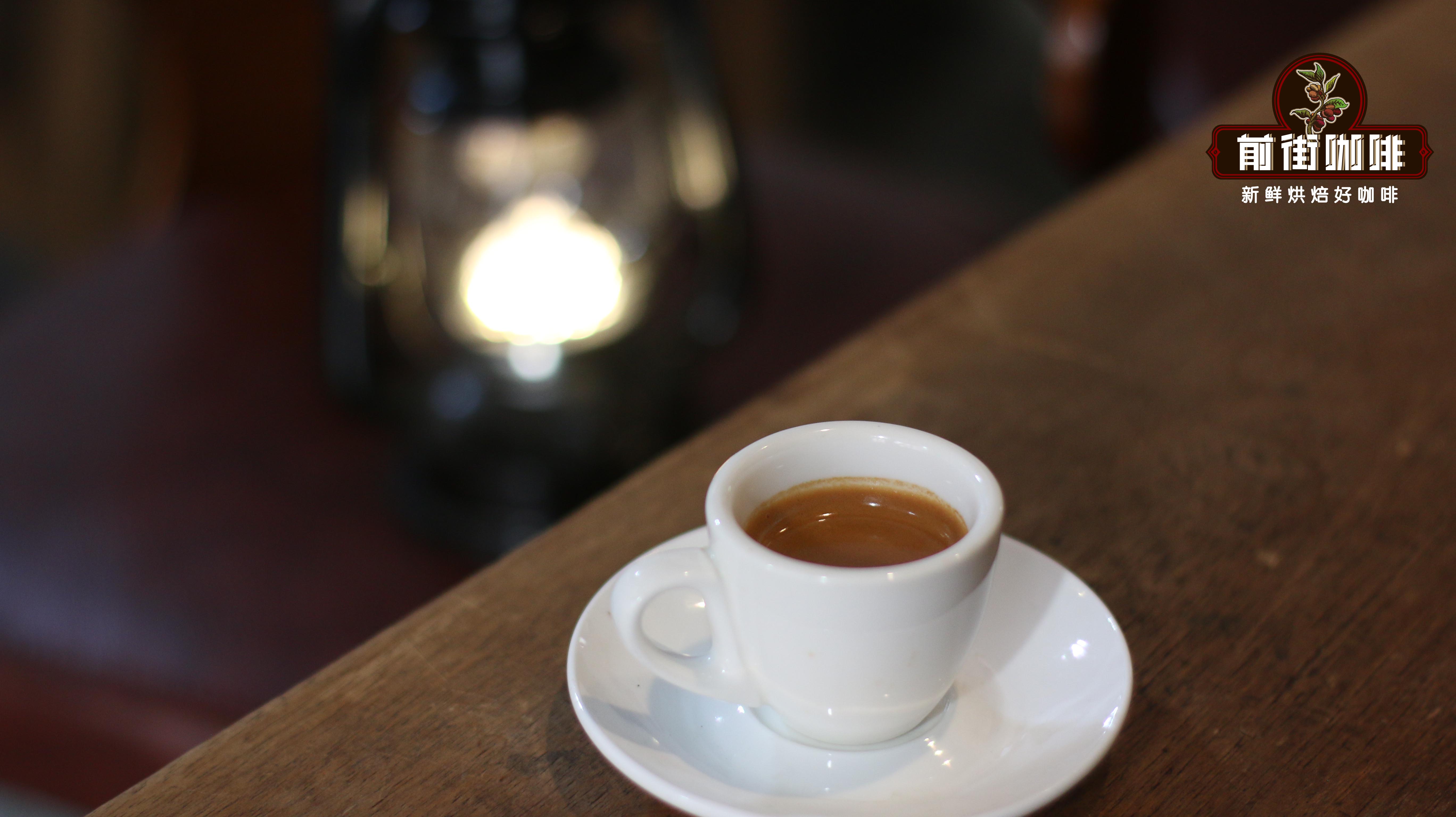
Jamaican Premium Coffee Beans - Introduction to Blue Mountain Coffee's Flavor Profile and Quality Grade
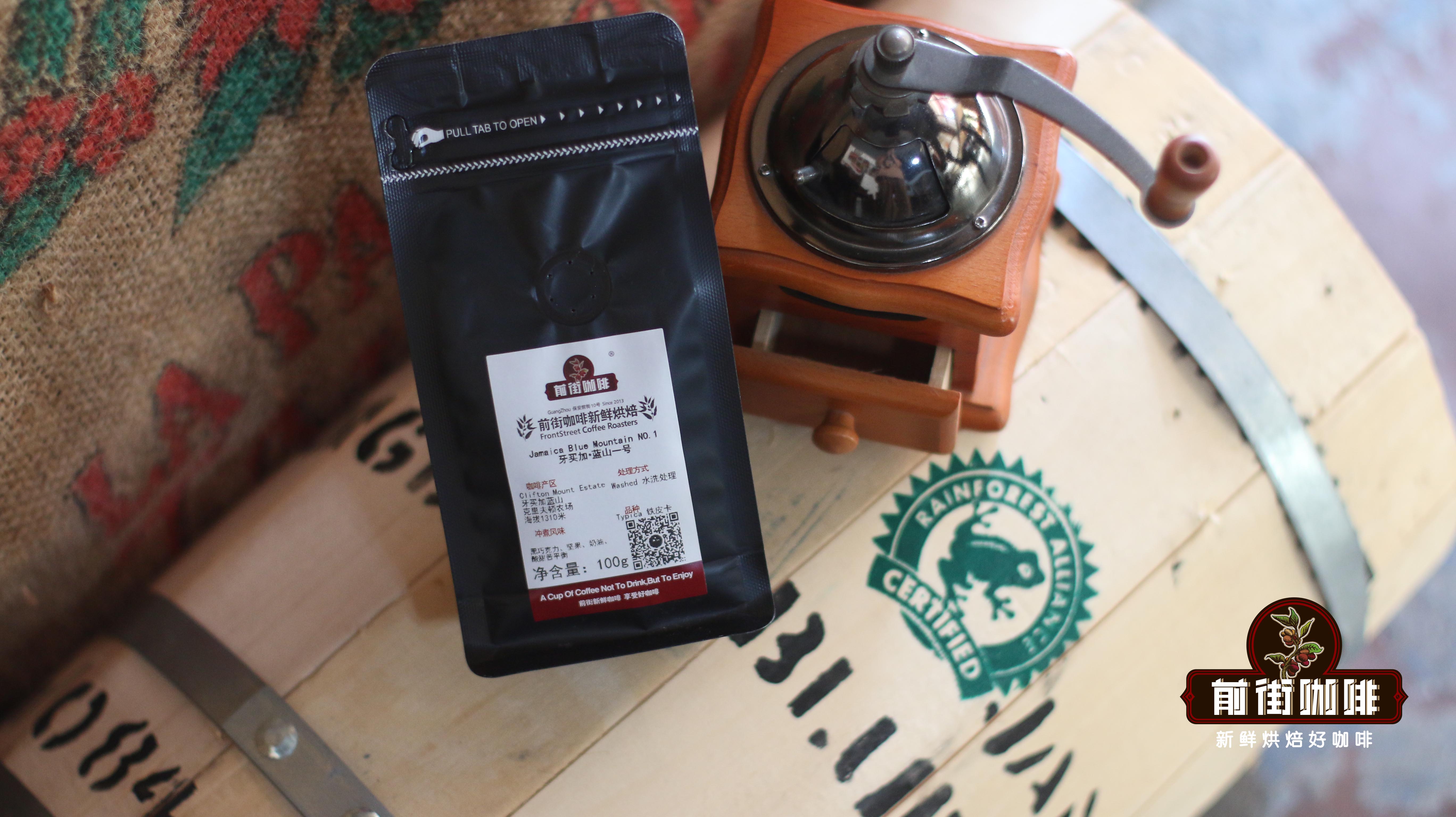
Blue Mountain Coffee: The Legendary Jamaican Gem
Blue Mountain coffee is arguably one of the most famous names in the coffee world. It has been praised repeatedly by connoisseurs, and even elders who never drink coffee have heard of it. Among the guests who order Blue Mountain at FrontStreet Coffee's Dongshankou store, the question the barista hears most often is: "Is your Blue Mountain authentic?"
Is There Real Blue Mountain Coffee in China?
Search for "Blue Mountain" and you'll find endless articles on how to spot the real thing. The fame has a downside: unscrupulous merchants trade on the name, passing off cheaper commercial coffee as genuine, so the market is awash with fakes—the most common being products labeled "Blue Mountain flavor," "Blue Mountain blend," or "Blue Mountain instant," none of which has any relation to real Blue Mountain coffee.
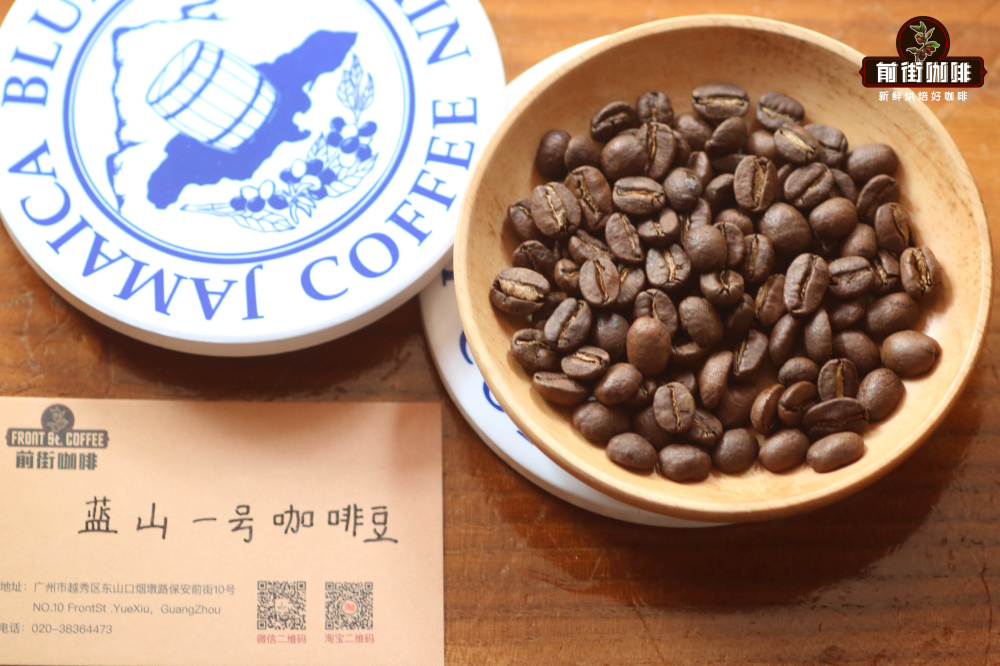
But plenty of fakes doesn't mean the real thing doesn't exist. China has records of importing Blue Mountain coffee directly from Jamaica going back to April 2011, when Zhejiang DUNN'S RIVER Import and Export Trading Company, acting for the "Hangzhou Coffee and Western Restaurant Association," purchased 1000 barrels of 70kg each from Jamaica—a total worth two million US dollars. Jamaica today takes the Chinese market seriously, and many authorized exporters can be found on the CIB's official website.
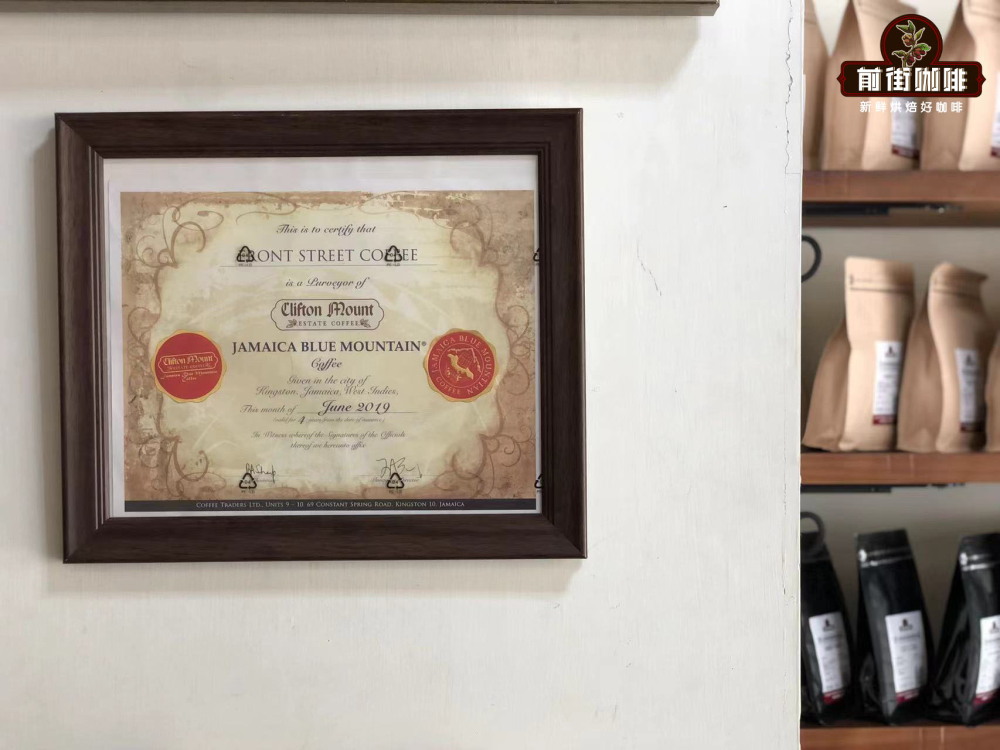
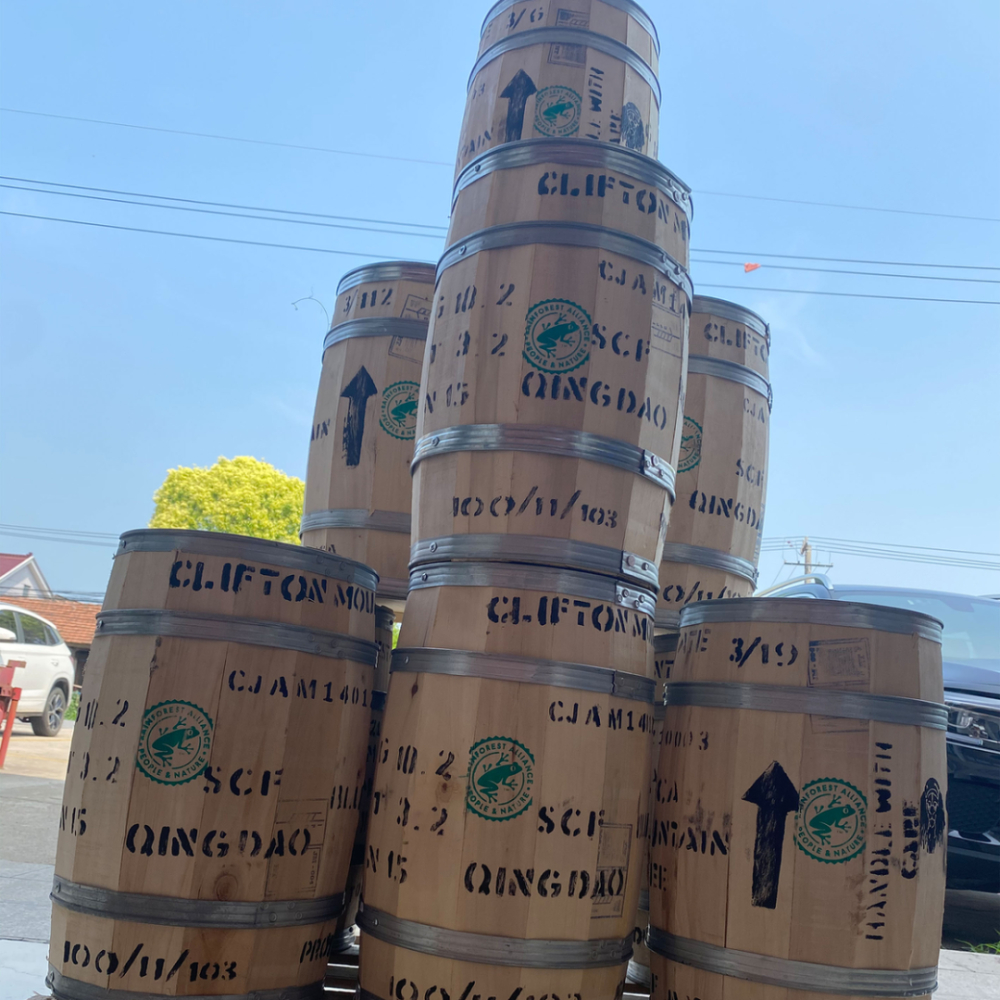
FrontStreet Coffee's house-roasted Blue Mountain No. 1 comes from Jamaica's Clifton Mountain Estate, complete with quality certification issued by the Jamaica Coffee Industry Board, authorized sales certificates from the Blue Mountain manufacturer, and Jamaican Blue Mountain origin certificates. The Dongshankou store also displays the oak barrels used to ship Blue Mountain green beans.
Why Is Real Blue Mountain So Expensive?
Blue Mountain coffee was once hailed as the Hermes of the coffee world. Authentic Blue Mountain offers rich, dense, lasting chocolate and roasted hazelnut aromas with an excellent balance of acidity, sweetness, bitterness, aroma, and body. FrontStreet Coffee believes this reputation is inseparable from the careful management and strict grading of Jamaica's growers.
Blue Mountain's natural conditions are unique, and the combination of factors makes it near-perfect coffee country. Still, as an agricultural product, variety, altitude, harvesting, and processing all shape the final aroma.
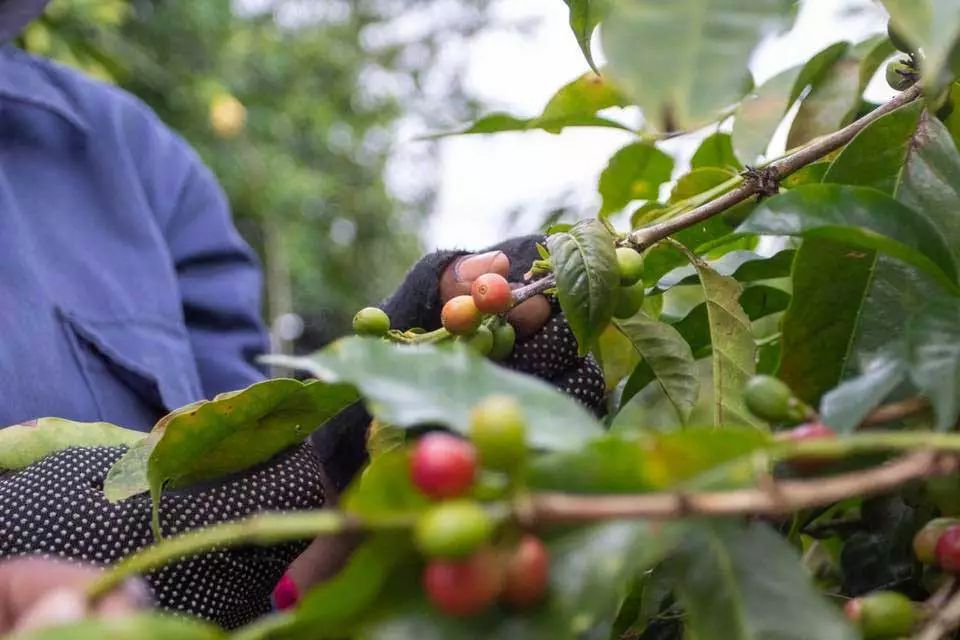
Only Typica coffee grown at altitudes of roughly 910-1700 meters within the forest zones officially designated by the Jamaica Coffee Industry Board (CIB) may truly be called "Jamaican Blue Mountain Coffee." Typica expresses its character best at high altitude, but the variety has poor disease resistance, is highly susceptible to illness, and yields little fruit per plant, demanding careful cultivation and lots of manpower. The terrain of Blue Mountain's highlands is uneven, making management and harvesting difficult and requiring highly skilled pickers—all of which caps production. In recent years, less than 15% of the coffee grown in Jamaica—about 900 tons—can carry the Blue Mountain label.
Many people have heard the claim that "authentic Blue Mountain has been monopolized by Japan." It isn't baseless: UCC—formerly Ueshima Coffee Co., Ltd.—opened a farm in Jamaica in 1981 to run its Blue Mountain operation, and Jamaica agreed to sell 90% of its Blue Mountain quota to Japan. Japan's vigorous promotion then fueled both the prices and the scarcity. Today, with coffee culture flourishing, a cup of Blue Mountain is no longer out of reach: at FrontStreet Coffee, 60 yuan gets you a hand-dripped cup of Blue Mountain No. 1 black coffee.
Why Is It Called "Blue Mountain No. 1"?
Jamaica was the earliest producing country to recognize that coffee has "regional flavor." Its green bean standards cover multiple categories: bean specifications, defect rate, color, uniformity, and cupping performance after roasting (dry aroma, wet aroma, acidity, flavor, body, cleanliness, and so on).
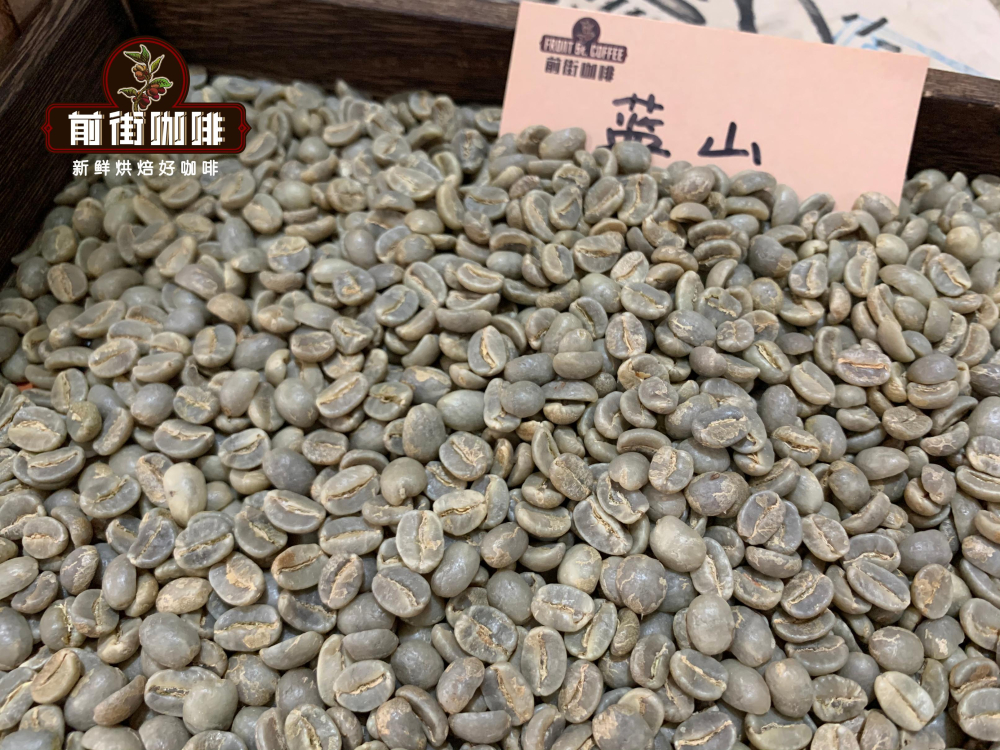
Bean size is determined with screens of different hole diameters—beans that pass through a given screen fail the grade. Color is judged both visually and with a colorimeter, blue-green being the highest grade. Combining these standards, Blue Mountain coffee is sorted into grades: NO.1, NO.2, NO.3, and PB, plus blends. NO.1 is the highest—known in China as "Blue Mountain No. 1." It must meet specifications above 17 mesh, a defect rate below 3%, moisture content around 13%, and in the cup show rich aroma with a smooth, balanced taste, low acidity, and a lasting aftertaste.
The CIB even recommends roast levels to bring out Blue Mountain's classic character. FrontStreet Coffee's roasters follow suit, using a medium roast to let Blue Mountain No. 1 show rich chocolate sweetness while keeping an appropriate soft fruit acidity.
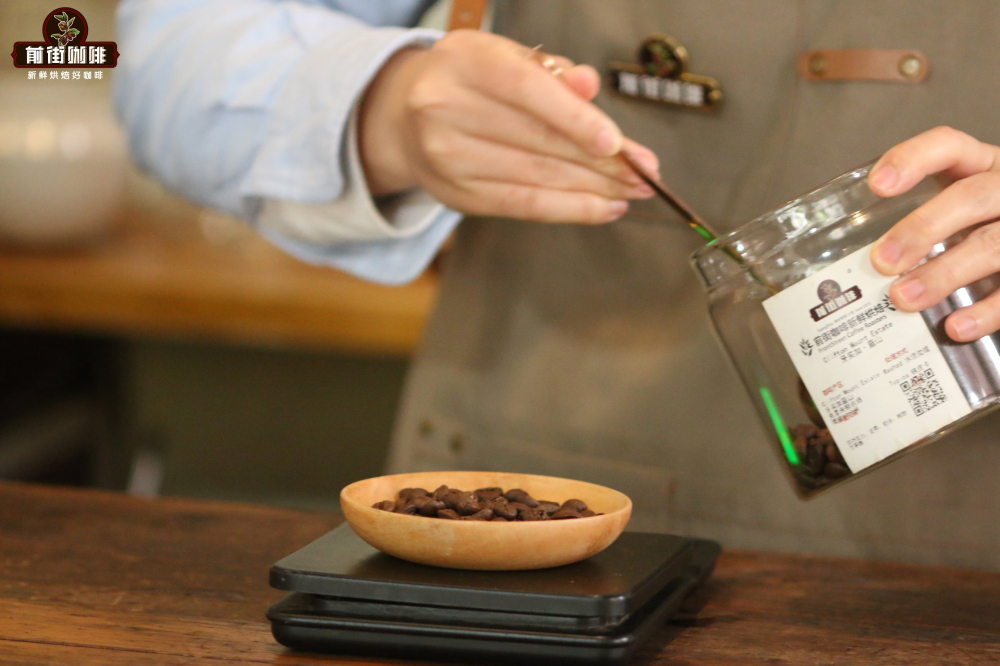
Brewing Recommendations for Blue Mountain No. 1 Coffee
To highlight the rich, mellow character of Blue Mountain No. 1, FrontStreet Coffee extracts it with a KONO dripper. The KONO's ribs are less than half the height of the filter—a design that lets the wet filter paper cling closely to the walls, limiting airflow. That extends the coffee particles' water-absorption time, producing a more even overall extraction.
Brewing parameters: 15g of coffee, a 1:15 water ratio, grind size at EK43s setting 10.5 (75% pass rate on the China No. 20 standard sieve), water temperature 87-88°C, brewed in segments.

Set the filter paper in the KONO dripper and wet it so it fits snugly. Add the coffee and tap gently to level the bed. First, pour 30g of water to bloom for 30 seconds. Second, pour steadily in circles up to about 125g. Once the liquid drops halfway, pour the final stage up to 225g. Let all the coffee drain through, for a total extraction time of about 2 minutes.
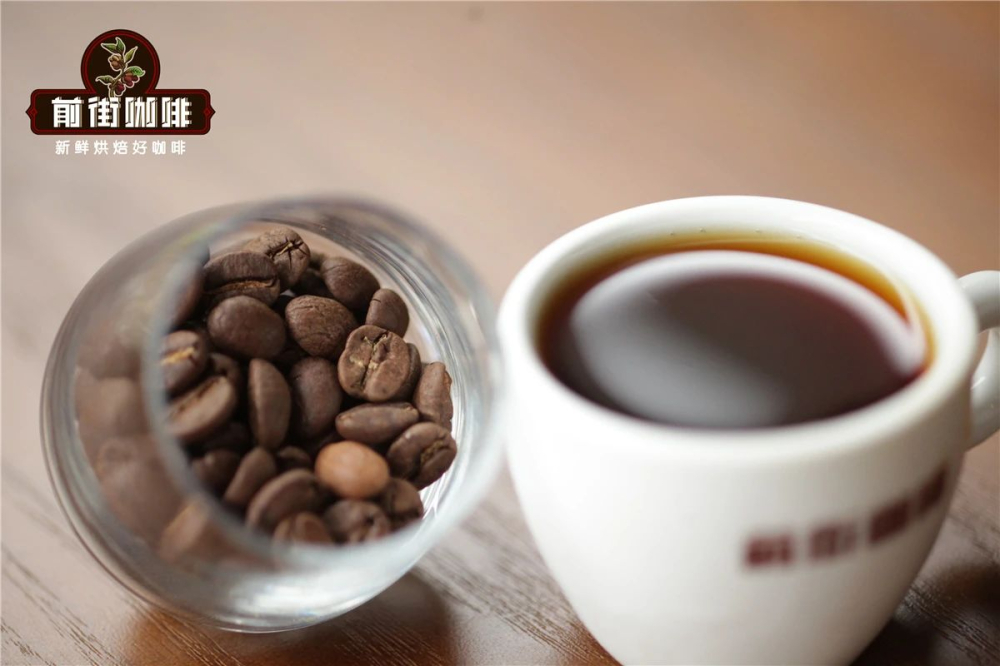
The finished cup shows dark chocolate and nutty notes, very rich and mellow, with a clear almond aftertaste. As it cools, roasted hazelnut and a creamy sweetness and silkiness emerge, along with a hint of soft acidity and caramel sweetness—the aroma lingering in the mouth.
FrontStreet Coffee Recommendation
Blue Mountain's fame means fakes are everywhere, so authentication matters. Genuine Jamaica Blue Mountain carries no traceability code, but reputable sellers can show complete export certification and origin documents—like the Clifton Estate certificates and the stacks of the wooden barrels used to ship Blue Mountain green beans that FrontStreet Coffee displays, since traditional Blue Mountain is packed and transported in 15, 45, and 70kg barrels, each one itself a hallmark of the real thing. If you want the top of the line, the FrontStreet Jamaica Blue Mountain No. 1—the highest Blue Mountain grade, sourced from Clifton, the only Rainforest Alliance-certified farm in the region—is roasted medium-dark to show its classic balance: cream, nuts, chocolate, and caramel in a dense, mellow, harmonious cup, equally rewarding as an everyday indulgence or a gift. And it's not just for pour-over: with such natural balance, Blue Mountain also shines in a moka pot—use a slightly finer grind, start with hot water, heat over medium-low, and remove from the heat just as the flow finishes—to bring out its chocolate, caramel, and nut flavors in an even fuller body.
Important Notice :
FrontStreet Coffee is a long-established specialty coffee roaster in Guangzhou China, selling freshly roasted beans from its own farm in Yunnan as well as dozens of carefully selected single-origin beans from around the world for both pour-over and espresso. The products deliver consistently excellent quality and great value, with shipping within 24 hours. Guangzhou's FrontStreet Coffee shop is recommended by many coffee lovers, and the beans are now available online at the Tmall 。
FrontStreet Coffee has moved to a new address:
FrontStreet Coffee Address: 315,Donghua East Road,GuangZhou
Tel:020 38364473
 Scan and follow the En Gafei WeChat official account. Please indicate that the reprint comes from "En Gafei".