How to Tell if Coffee Beans Are Fresh? What's the Relationship Between Coffee Bean "Oily" Appearance and Freshness?
Professional Coffee Knowledge Exchange
For more coffee bean information, please follow Coffee Workshop (WeChat public account: cafe_style)
Many enthusiasts place great importance on coffee freshness — the freshness of the beans after roasting. The general belief is that the longer the time since roasting, the lower the freshness, so flavours fade or unwanted notes appear. For those just starting out, learning to avoid stale beans matters a great deal. FrontStreet Coffee will walk through how to judge the freshness of coffee.
What is Coffee's Flavor Window?
Generally the optimal flavour window opens after roasting is complete, once the beans have had a 3-7 day resting period and reached their flavour peak. After that the flavours gradually fade with time, eventually leaving only woody notes. The first compounds to dissipate are mainly volatile ones such as floral and fruit aromas, while water-soluble compounds — sugars, nuts and chocolate — are relatively less volatile.
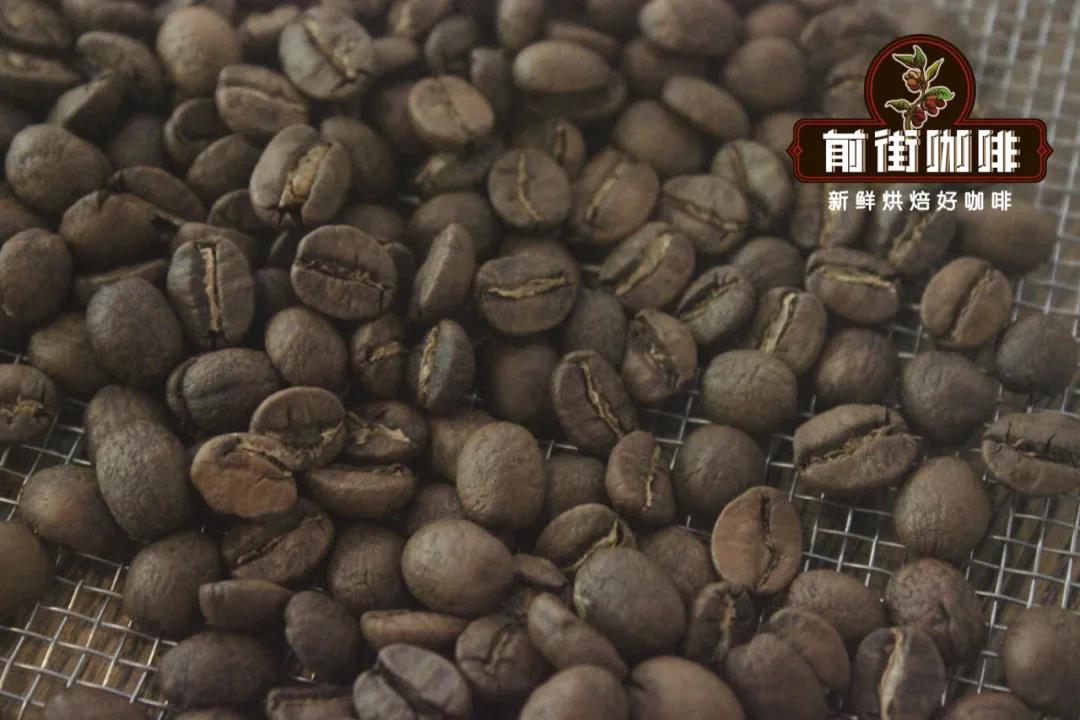
The flavour window generally recommended for coffee is from the 4th to the 30th day after the roast date. Once it passes, the coffee is not undrinkable — the flavour is simply somewhat inferior. That should be distinguished from shelf life, which for roasted beans is generally between six months and a year.
How to Determine Coffee's Flavor Window
Freshly roasted coffee is in a very active state: the beans slowly release gases and volatile compounds, gradually stabilizing. This is why beans need about a week of resting before their flavours fully emerge.
When the gases have been released completely, most of the aromatic compounds inside the coffee have dissipated too, leaving only woody flavours. And when the coffee particles lose their "activity" during brewing, that tells you the flavour window has closed. As a rule, the flavour window for medium-light roast coffee is about a month after roasting, and with proper storage — cool, dark, sealed and dry — it can stretch to about 45 days.
Ground coffee loses its flavour faster than whole beans, so its flavour window is correspondingly shorter.
Many people believe that when coffee shows oil, it is no longer fresh. That view is not entirely correct.
The "oil" evenly distributed across the bean surface is not oil in the true sense but a water-soluble organic substance that looks oily. "Coffee oil" itself contains many of the coffee's aromatic components and dissolves in water, which is why your brewed coffee never has a greasy slick floating on top.
Two Reasons for Oily Beans:
1. Stale Light Roast Beans
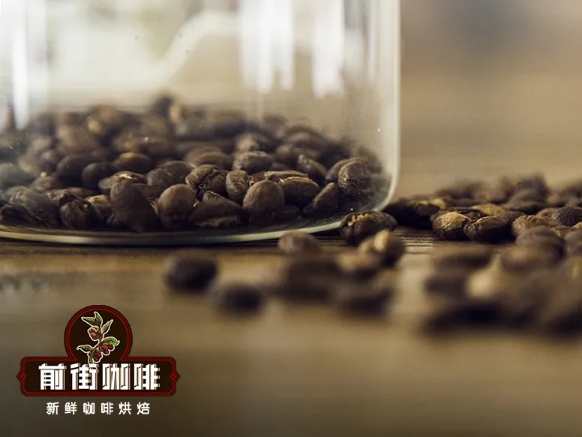
Light roast beans, roasted to a lighter degree and appearing in light brown tones, have dry surfaces after roasting and show no oil. About five days after roasting — which can shorten to one or two days in a hot summer — they begin to show "spotting oil," with oil droplets appearing on certain sides of the bean. Note that a small amount of spotting oil does not indicate staleness; sometimes it actually marks the peak flavour state of a light roast. Keep storing them, though, and after more than two weeks from roasting the surface gradually develops a uniform, thin, bright oily sheen. The aroma is no longer sweet but rancid. At that point the light roast's flavour has declined and you should avoid buying it.
2. Fresh Dark Roast Beans
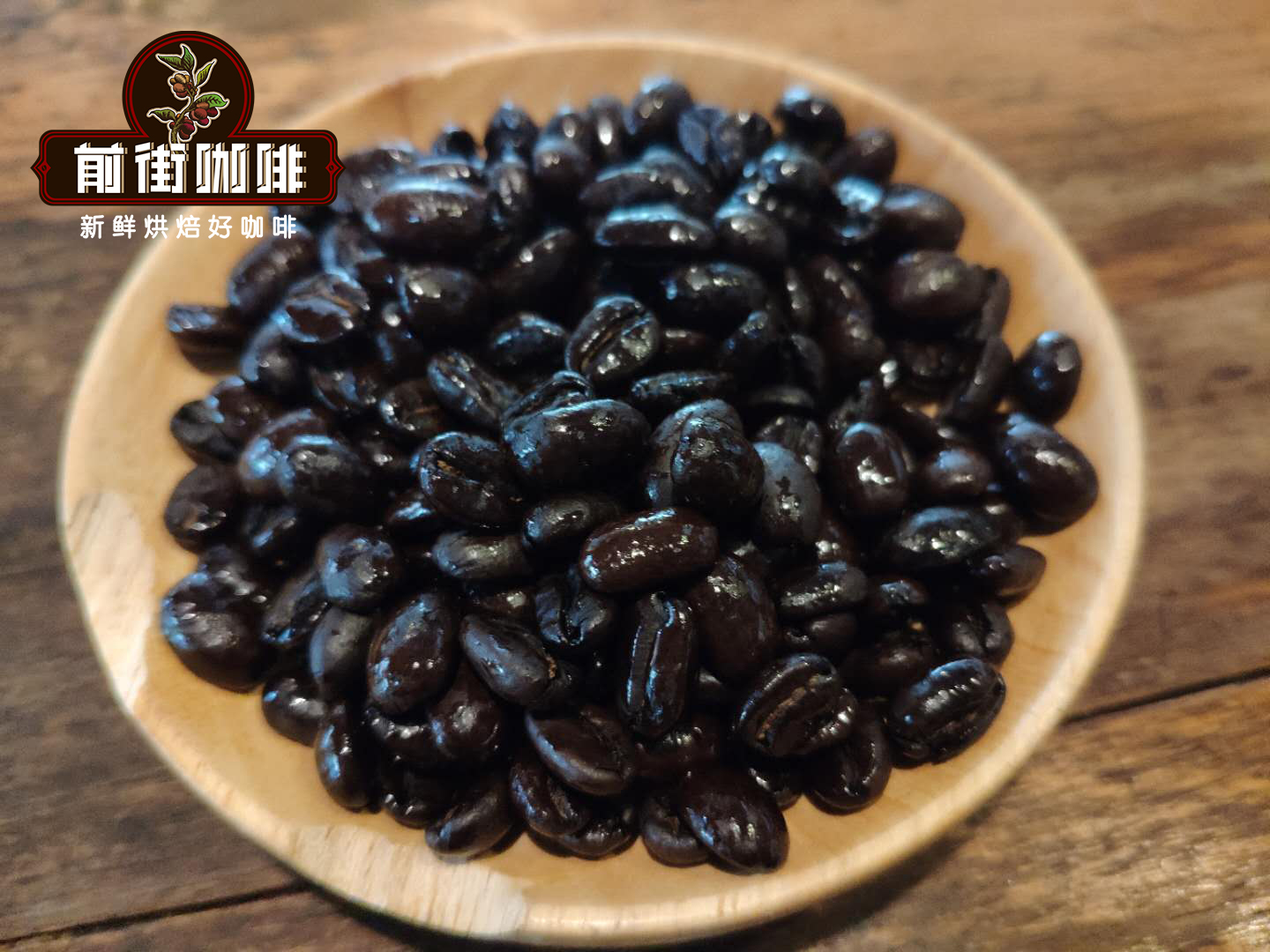
Dark roast beans, roasted to a deeper degree and appearing in deep brown tones, show a slight oily sheen immediately after roasting, and their surfaces begin to oil significantly from the first to the second day. That shiny appearance does not indicate staleness at all — quite the opposite. After three weeks from roasting, the oily sheen on dark roast beans gradually dries out, eventually leaving dried, flavourless beans. So if you see beans that are dry rather than oily but deep brown in colour, pay close attention to whether a roast date is marked: they are very likely already spoiled and flavourless.
Even when they are no longer fresh, surface-oily light roast beans will gradually dry out over long storage — three months, for instance — eventually returning to a dry, non-oily appearance. That shows whether the surface is oily is only a reference point for judging freshness, not an absolute indicator.
How to Brew Coffee Past Its Flavor Window
First, when we say the flavour window has passed, we mean that most aromatic compounds have dissipated and the gases inside the beans have largely been released — not that no flavour remains and only sawdust is left.
In that state, adjusting your parameters can still "save" the beans. Below, one method:
The coffee used for this demonstration is Colombia San Jose Finca Castillo, which FrontStreet Coffee deliberately set aside for the purpose. The details are as follows.
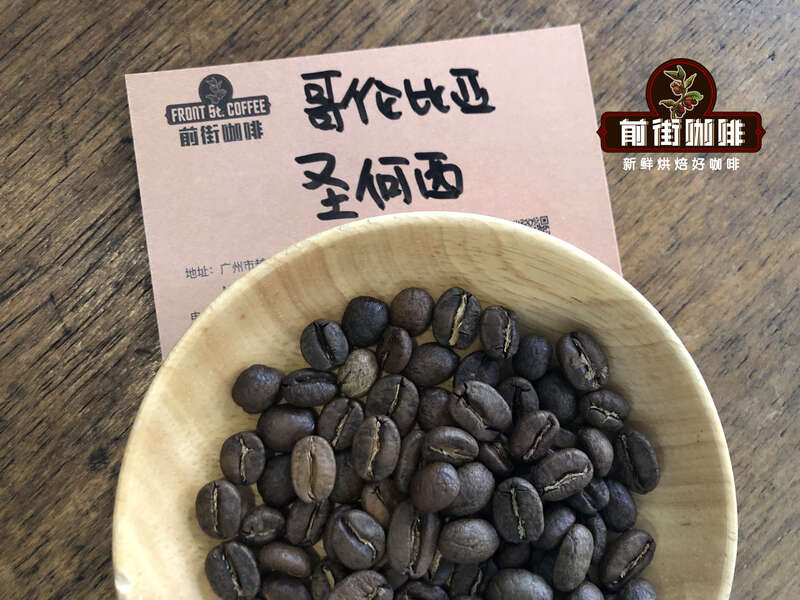
Region: Caldas, Colombia
Finca: San Jose Finca
Variety: Castillo
Processing: Fine Washed & Rum Barrel Fermented
Roast Level: Medium-Light Roast
Flavor Notes: Rum, liquor-filled chocolate, tropical fruits
Storage: 70 days, sealed, cool, dark and dry
1. Parameter Recommendations:
We will again use 15 grams of ground coffee with a 1:15 coffee-to-water ratio, a water temperature of 91°C, and a grind slightly coarser than normal to keep too many fines from clogging the drainage — a 75% pass rate through a #20 standard sieve.
2. Start with the first water pour for blooming:
Pour 25 grams of water and bloom for 18 seconds. You can see that after the water contacts the grounds it does not form a "hamburger" dome, and water penetrates the coffee particles easily. That is because the beans have released almost all their gas during storage, so they need far less blooming time for degassing.
3. Second water pour:
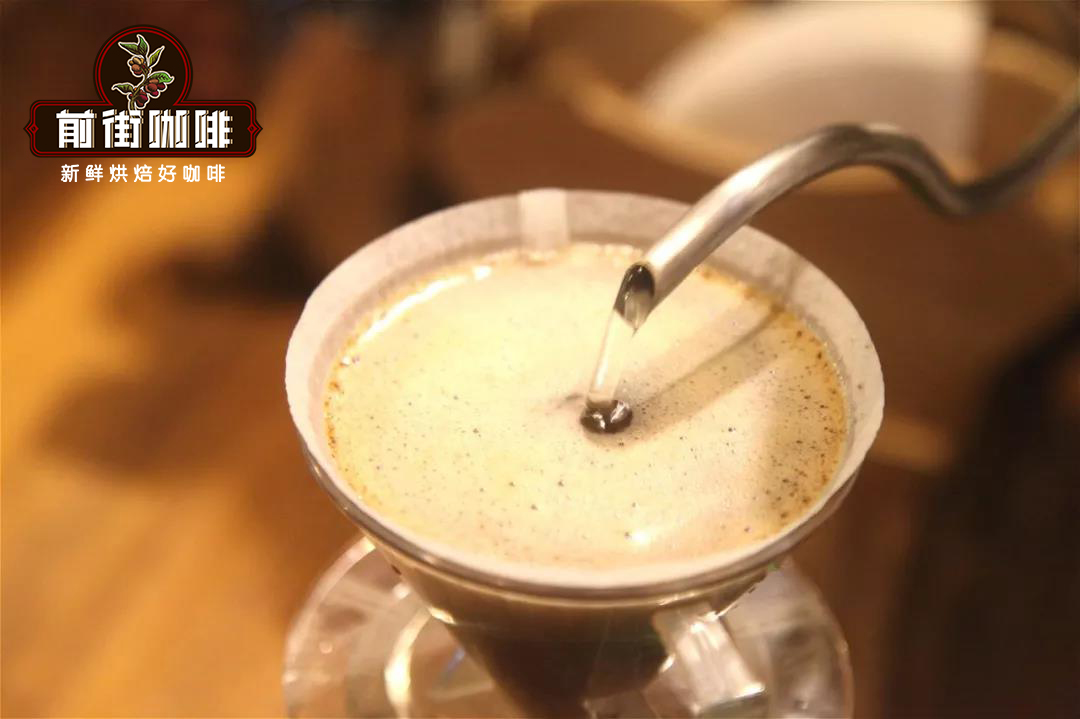
Start from the center and pour in small circles to push the bed up, letting fine particles cling to the filter wall so they do not settle at the bottom and block drainage. You can see tiny foam being washed out. Pour this stage until the scale reads 150 grams.
4. Final water pour:
When the water level drops to 1/2, pour the final stage. Use medium flow to circle quickly and create a vortex that "activates" the bed and forces flavour compounds out. Pour until 225 grams, then stop. Remove the dripper once the coffee has drained into the server. Total extraction time is 1 minute and 44 seconds.
Once brewed, you can feel a slight rum aroma. Though it lacks some of the tropical fruit aroma and acidity, it brings a very rich rum fermentation sensation. The liquor-filled chocolate flavour on entry is still intense, and the sweetness in the finish is pleasing too.
Coffee should of course be enjoyed fresh, but if you happen to have beans that are not very fresh, this method will brew them well.
For more specialty coffee beans, please add the private WeChat FrontStreet Coffee (FrontStreet Coffee), WeChat ID: kaixinguoguo0925
FrontStreet Coffee Recommendation
Freshness matters most for the coffees whose charm is aroma, and a medium roast is the sweet spot for keeping a bean drinkable across its whole window. During roasting, three things decide the final flavour and all three have to be kept in balance: acidity, sweetness and bitterness. The darker the roast, the more bitter and the heavier the body; the lighter the roast, the more acidic and the lighter the body. For anyone chasing a balanced cup, medium-roasted beans are the natural place to start.
If you dislike both acidity and bitterness, FrontStreet Brazil Queen's Estate is the one to buy. It comes from Brazil, the world's largest coffee-producing country, and is the distinctive local Yellow Bourbon variety — clean and sweet, and after a medium roast it shows cream, peanut, chocolate, toasted bread and sugarcane aromas and sweetness. It brews as pour-over and works equally well in a moka pot or on an espresso machine.
FrontStreet Strawberry Candy leans sweeter. It combines two well-known Central and South American origins — a honey-processed Costa Rican coffee and a washed Panamanian Gesha — and is roasted medium to draw out both the orange-blossom honey sweetness and the round body. It suits cold brew, pour-over and espresso. FrontStreet 2013 Natural Typica is the Chinese specialty option, carrying the orthodox Yunnan small-seed profile with soft nut, brown sugar, black tea and dried apricot notes under a medium roast; it works for pour-over, cold brew and filter machines. And for the classic balanced cup, FrontStreet Jamaica Blue Mountain No.1 is roasted medium because that is what fuses its acidity, bitterness, sweetness and body into one elegant whole — chocolate, roasted nut, cream and caramel from the first sip.
Important Notice :
FrontStreet Coffee is a long-established specialty coffee roaster in Guangzhou China, selling freshly roasted beans from its own farm in Yunnan as well as dozens of carefully selected single-origin beans from around the world for both pour-over and espresso. The products deliver consistently excellent quality and great value, with shipping within 24 hours. Guangzhou's FrontStreet Coffee shop is recommended by many coffee lovers, and the beans are now available online at the Tmall 。
FrontStreet Coffee has moved to a new address:
FrontStreet Coffee Address: 315,Donghua East Road,GuangZhou
Tel:020 38364473
 Scan and follow the En Gafei WeChat official account. Please indicate that the reprint comes from "En Gafei".