What Are Brazilian Coffee Beans? What Are the Flavor Characteristics of Brazilian Coffee? Is Pour-Over Brazilian Coffee Delicious?

As the world's largest coffee producer, coffee matters to Brazil the way tea matters to tea-drinking cultures. You may see single-origin Brazilian coffee less often on menus, since it is so widely used in espresso blends - but FrontStreet Coffee's Cerrado from the daily bean series and the Yellow Bourbon from Queen's Farm on the single-origin list are both very popular!
That heavy use in espresso blends has everything to do with the flavor profile. When someone asks FrontStreet Coffee for a coffee that is neither acidic nor bitter, Brazilian coffee is the immediate recommendation. So what does Brazilian coffee taste like? Broadly speaking, beans from the Americas offer balanced flavors with nutty, caramel, chocolate, and peanut notes - rich and smooth. On first sip you may notice a pronounced roasted-peanut character, and the overall profile is very balanced, which is exactly why Brazilian beans anchor so many blends. For anyone who dislikes sharp acidity and harsh bitterness, Brazilian coffee is an excellent choice!

The Legendary Story of Brazilian Coffee
Let's look at the legendary history behind the world's largest coffee-producing nation:
Brazilian coffee has a genuinely romantic origin story. According to FrontStreet Coffee's research, coffee arrived in Brazil in the 1720s from French Guiana. A Portuguese officer, Francisco Palheta, won the heart of the governor's wife in Cayenne - then the capital of French Guiana - and successfully smuggled coffee seeds across the border into Brazil. From there, coffee adapted quickly, spreading from the north down to São Paulo state in the southeast and Paraná in the south. These areas sit at slightly higher latitudes and suffer winter frosts, which once caused devastating losses for coffee farmers.
Between 1970 and 1980, Brazilian farmers opened up the warmer Minas region and Bahia to the north of São Paulo state. There, winters are warm and frost-free, and to this day Minas has become one of Brazil's principal specialty coffee regions.

Before 1990, the Brazilian government kept strict control over the coffee industry, mixing harsh interference with price protections. The state maintained minimum-price guarantees for farmers, which led to chronic overproduction.
Since 1990 and the opening of the free market, the old "Brazilian Coffee Institute" (IBC) was replaced by a non-investment administrative body operating on a non-intervention policy, letting producers and exporters negotiate directly. Exporter activities are supervised under government legislation, and legitimate exporters are registered with the relevant departments. From three hundred years ago to today, coffee has become Brazil's most important economic mainstay, and Brazil its largest producer.
Brazilian Coffee Regions
Altitude and flavor go hand in hand - Panama Geisha is the classic example of how higher altitude and harsher environments produce more remarkable flavors. Compared with other Central and South American producers, Brazil's altitude is noticeably lower. The terrain is flat and monotonous, lacking microclimates, and cultivation favors unshaded (full-sun) growing. All of this shaped Brazil's distinctive soft-bean profile: low acidity, heavy nutty notes, sweet chocolate aromatics with excellent body, though with a slight woody, earthy edge - and without prominent floral or citrus tones. Simply put, Brazilian coffee is light, balanced, and lacks the wild, uplifting acidity and citrus character typical of African beans.

Brazilian coffee is concentrated in the central and southern parts of the country, spread across 7 states and roughly 14 growing regions: South Minas, Minas Mountains (Matas de Minas), Chapada de Minas, Mogiana, Centro-Oeste de São Paulo, Montanhas do Espírito Santo, Conilon Capixaba, Cerrado, Planalto da Bahia, Atlantic Baiano, Paraná, Rondônia, and more. The most representative of these is undoubtedly the Cerrado. It is fair to say that South Minas and Cerrado have contributed immeasurably to the rise of Brazilian coffee.
South Minas (Sul de Minas)
With elevations from 700m to 1200m, this hilly region is Brazil's oldest coffee-producing area. Rising labor costs mean most harvesting is now mechanized, making it also the earliest commercialized coffee region, home to many large exporters. South Minas earned its specialty status largely thanks to terrain and climate: altitudes above 1100 meters, varied topography, distinct wet and dry seasons, significant day-night temperature swings, and diverse microclimates - conditions ideal for Bourbon and Yellow Bourbon.

Cerrado
The Cerrado lies in the mountainous southern edge of the "Cerrado grassland climate zone" of central Brazil. The vast grassland itself occupies about 22% of Brazil's total land area, deep in the interior; "Cerrado" is Portuguese for "closed land." It originates in Mato Grosso state in the southwest and extends through central-west Minas into western Bahia. The Cerrado Coffee Region proper refers to the strip where the grassland enters Minas state, on plateaus at elevations of 850∼1200 meters - distinct in Brazil's regional classification from South Minas (Sul de Minas), which also lies in Minas state. The flat, open grassland terrain is especially suited to large estates, combined with distinct wet and dry seasons and a cooler plateau climate.
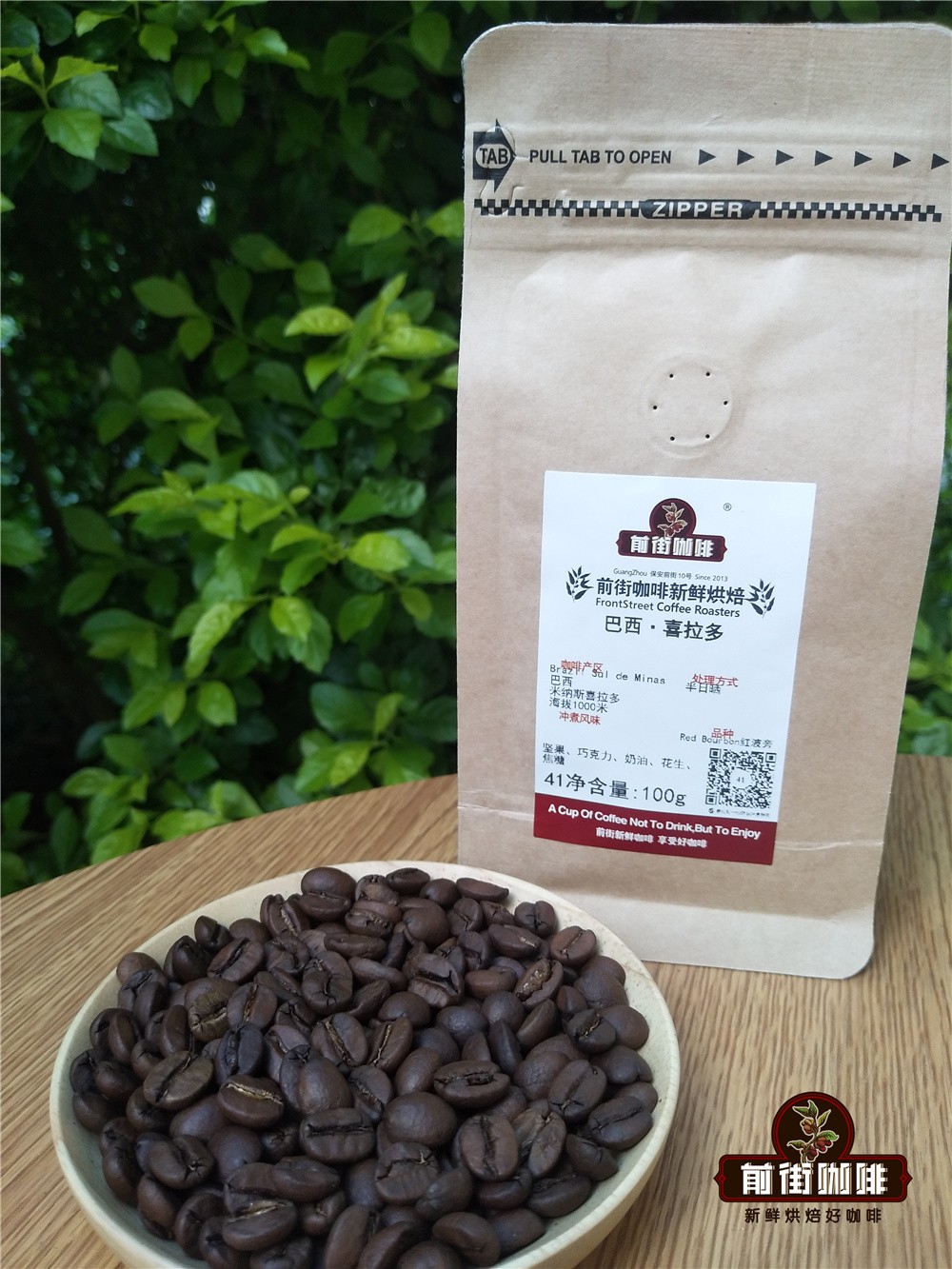
When FrontStreet Coffee speaks of the Cerrado coffee region, we do not mean the entire grassland, but only the cultivation zones above 1000 meters in central-west Minas state - only those areas earn the name. This is the essence of the Cerrado: high altitude and fertile soil capable of producing sweet, full-bodied specialty beans with high cleanliness. FrontStreet Coffee finds coffee from this zone richly flavored and free of earthy taints.
FrontStreet Coffee's daily bean series includes a FrontStreet Brazil coffee that comes from the Cerrado region.
Mogiana
This area sits very close to southern Minas. Coffee grows among shrubs, grassland, and other vegetation. Many farming families work here - some running traditional large farms, others small-scale modern operations. The combination of modern technique and mountain coffee culture produces beans of exceptional quality.
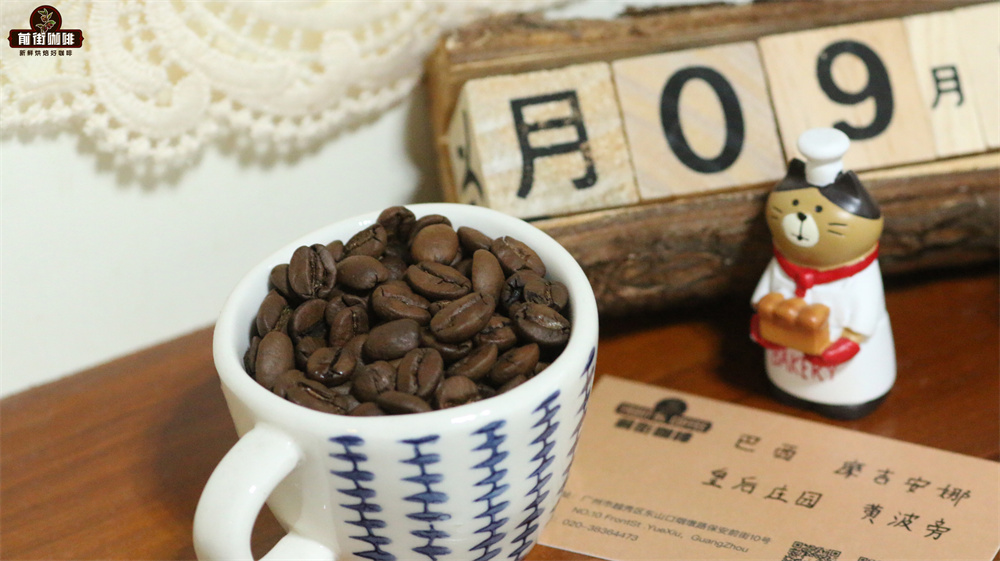
Currently, FrontStreet Coffee carries two Brazilian beans in-store: Red Bourbon from the Cerrado region and Yellow Bourbon from Mogiana.
Brazilian Coffee Varieties
With so many varieties come different flavors. When you see FrontStreet Coffee's Brazilian packaging marked "Variety: Red Bourbon," you might wonder what that is. Ethiopia is the coffee gene bank, home to countless varieties - many unreleased officially and labeled simply as local landraces. But what are Red Bourbon and Yellow Bourbon? FrontStreet Coffee explains:
Red Bourbon
Red Bourbon is a sub-variety descended from a Typica mutation, and together with Typica it ranks among the oldest coffee varieties in existence. It typically bears red fruit, hence the name. There are also Yellow Bourbon and Pink Bourbon offshoots. On a Red Bourbon tree, after flowering the cherry color runs green → light yellow → light orange → mature red → darker red when fully ripe. Its flavor offers excellent aroma with bright acidity, and in tasting it can even show wine-like traits. Red Bourbon is currently the most widely planted variety in Brazil's coffee regions.

FrontStreet Coffee's Brazilian daily bean is of the Red Bourbon variety.
Yellow Bourbon
Yellow Bourbon is also a genetic mutation of Bourbon, long prized among varieties for its high yield and quality. It is a variant unique to São Paulo state: unlike Red Bourbon, whose cherries turn red when ripe, Yellow Bourbon cherries turn orange-yellow. Because it is grown at very high altitudes, its flavor is exceptional.
Yellow Bourbon typically shows nutty and chocolate notes, with balanced, smooth acidity and a clean, restrained bitterness - an overall bright and refreshing cup.

The FrontStreet Brazil Queen's Farm coffee on FrontStreet Coffee's bean board is of the Yellow Bourbon variety.
Brazilian Coffee Processing Methods
You know washed and natural processing - but have you heard of pulped natural? FrontStreet Coffee often notes that flavor depends not only on variety and climate but on processing, which in turn depends on local conditions. Brazil originally relied mainly on natural processing, a sensible choice given the relatively dry climate. But natural processing is rough: it can easily lend Brazilian beans woody flavors, and in rainy weather the beans risk molding, leaving producers helpless. Brazil therefore created its own method - pulped natural - which dramatically shortens drying time.

Pulped Natural Processing Steps:
First the skin and pulp of the cherries are removed. Ripe pulp comes off easily, while unripe green skins are difficult, so a secondary screening standardizes cherry ripeness. Pulped natural lets the producer control the fermentation of the beans with their mucilage intact after depulping - something traditional methods cannot see or manage. Crucially, pulped natural omits the "tank fermentation and rinsing" stage of washed processing, and without that fermentation step the flavor is entirely different.
Compared with natural processing, FrontStreet Coffee finds pulped natural markedly cleaner and riper in the cup. FrontStreet Coffee's Brazilian Cerrado daily bean uses the pulped natural process.

FrontStreet Coffee's Brewing Recommendations:
On brewing, FrontStreet Coffee has always held that bean freshness is decisive - fresh beans let you experience coffee's full flavor to the greatest extent. Beans shipped by FrontStreet Coffee are roasted within 5 days of dispatch, because freshness profoundly affects flavor. Our roasting philosophy is "Freshly Roasted Good Coffee," ensuring every order arrives as fresh as possible. The resting period is about 4-7 days, so by the time coffee reaches customers it is at peak flavor.
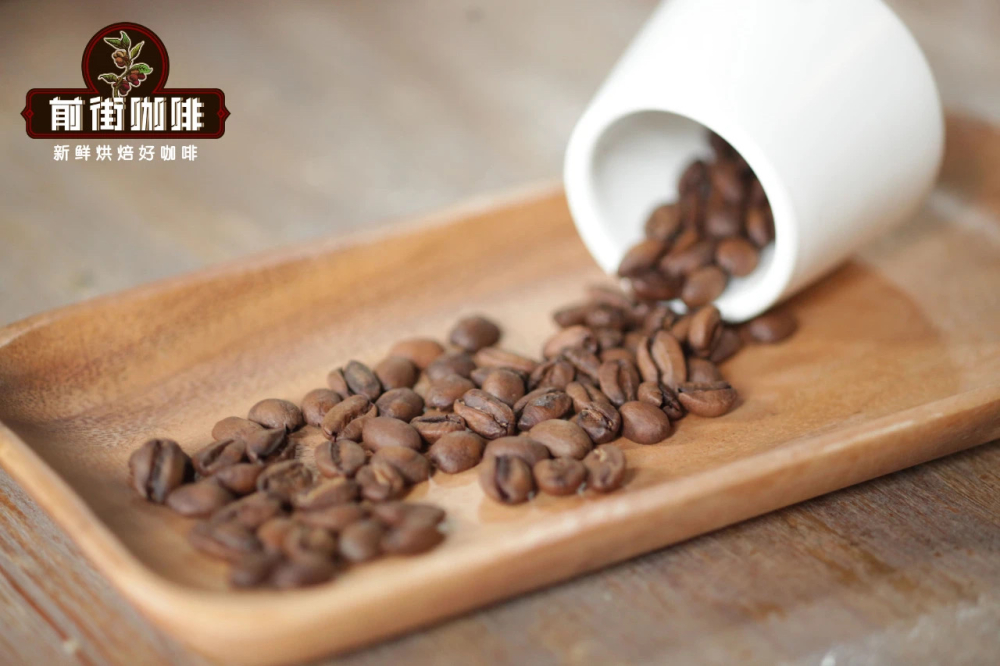
Some customers do need their beans ground in advance, and that is fine - with one caveat: pre-ground coffee needs no resting, because during transit the pressure of carbon dioxide buildup in the packaging helps mellow the flavor, so you can brew it immediately on arrival. But ground coffee must be brewed promptly - grounds oxidize quickly in air, and the flavor dissipates fast. FrontStreet Coffee therefore recommends buying whole beans and grinding fresh before each brew.
FrontStreet Coffee's Brewing Parameters for Brazilian Coffee:
FrontStreet Coffee uses: a KONO dripper, 88°C water, a 1:15 coffee-to-water ratio, 15g of coffee, and a grind size set to a 75% pass rate on the #20 standard sieve.
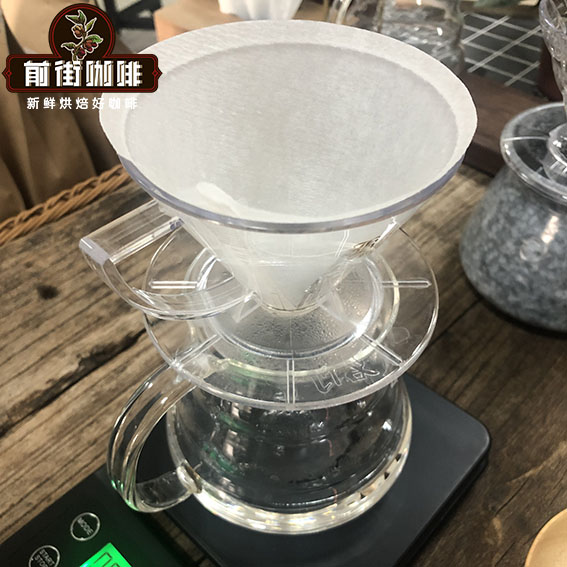
Brew with segmented extraction: bloom with twice the coffee weight in water - that is, 30g of water for 30 seconds. Pour up to 125g, pause, then continue to 225g and stop. Remove the dripper once the water has fully drained. Timing starts from the first pour, with a total extraction time of 2'00". Give the whole cup a gentle swirl, then divide it into cups for tasting.

FrontStreet Brazil Pulped Natural Cerrado Coffee Flavor:
Noticeable sweetness on entry, with a subtle lemon note, rich nutty flavors, and distinct dark chocolate in the finish - the overall experience is remarkably rounded.
FrontStreet Brazil Queen's Farm Natural Yellow Bourbon Coffee Flavor:
A balanced mouthfeel with almond and cocoa as the main notes, highlighting cane-sugar sweetness - a coffee of good fullness and abundant sweetness.
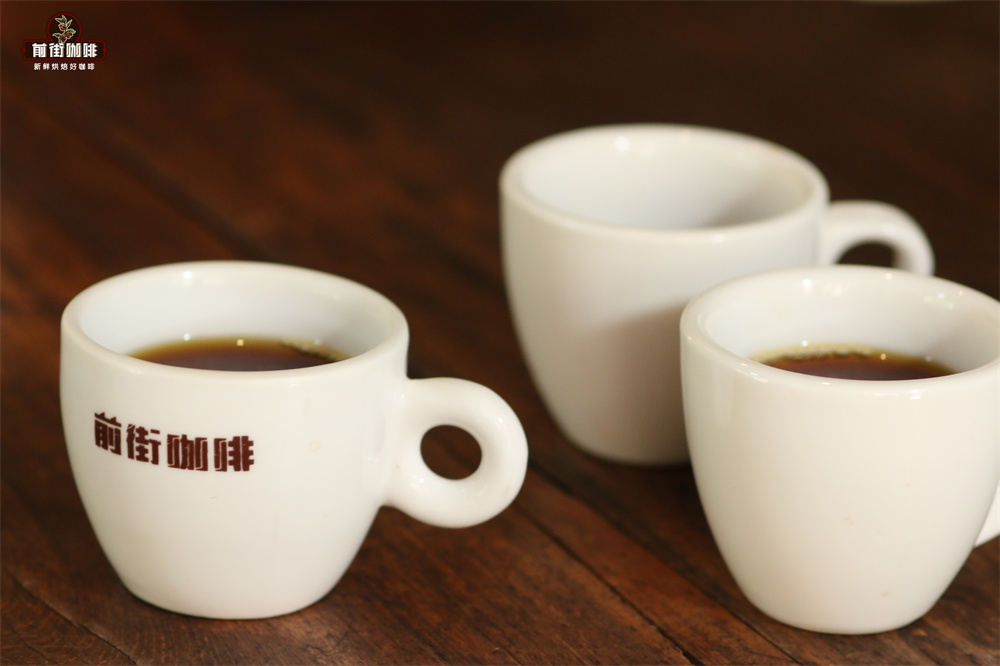
Is Brazilian coffee good? FrontStreet Coffee believes it comes down to personal taste - everyone's palate differs. But Brazilian coffee's balanced profile is genuinely appealing. And if it is not to your liking, try FrontStreet Coffee's Ethiopian Yirgacheffe with its fresh, bright florals and fruit, or FrontStreet Coffee's Colombian coffee with its nutty, dark chocolate, and soft fruit acidity!
FrontStreet Coffee Recommendation
For a first taste of Brazil, start with FrontStreet Coffee's pulped natural Cerrado Red Bourbon - a classic Brazilian single origin that, at a medium roast, shows creamed peanut, toasted bread, caramel, and hazelnut aromas with a rounded, gently bitter, non-acidic cup that works beautifully as pour-over, moka pot, or espresso SOE. For something rarer, the FrontStreet Yellow Bourbon from Queen's Farm in Mogiana, grown on fertile red volcanic soil, offers a clean fruit character with cane-sugar sweetness and chocolate that no other region quite matches.
Important Notice :
FrontStreet Coffee is a long-established specialty coffee roaster in Guangzhou China, selling freshly roasted beans from its own farm in Yunnan as well as dozens of carefully selected single-origin beans from around the world for both pour-over and espresso. The products deliver consistently excellent quality and great value, with shipping within 24 hours. Guangzhou's FrontStreet Coffee shop is recommended by many coffee lovers, and the beans are now available online at the Tmall 。
FrontStreet Coffee has moved to a new address:
FrontStreet Coffee Address: 315,Donghua East Road,GuangZhou
Tel:020 38364473
 Scan and follow the En Gafei WeChat official account. Please indicate that the reprint comes from "En Gafei".