Flavor Differences Between Light, Medium, and Dark Roast Arabica Specialty Coffee Beans

FrontStreet Coffee believes different roast levels produce different flavor profiles, but many people share a misconception: is it enough to simply roast coffee beans to a certain color? Of course not. Coffee flavor is not just about roast level; it also involves the overall characteristics of origin, variety, and altitude. FrontStreet Coffee feels that every coffee bean has an ideal roast curve suited to it. Beans are forgiving, but only when roasted until their recognizable characteristics emerge do regional flavors come through. This is FrontStreet Coffee's roasting philosophy: considering only roast level is not enough.
Light Roast Coffee
Characteristics: Light roast coffee appears light brown with no oil on the bean surface. The beans are hard, with bright acidity, rich body, and vibrant flavors.
Flavor: Coffees with fruity and floral notes are typically light roasts. When beans undergo proper growing, processing, and roasting, they can produce a wide range of flavors, aromas, and aftertastes.
However, if roasting doesn't penetrate to the bean's center, grassy and herbal flavors may emerge, which some people find unappealing.
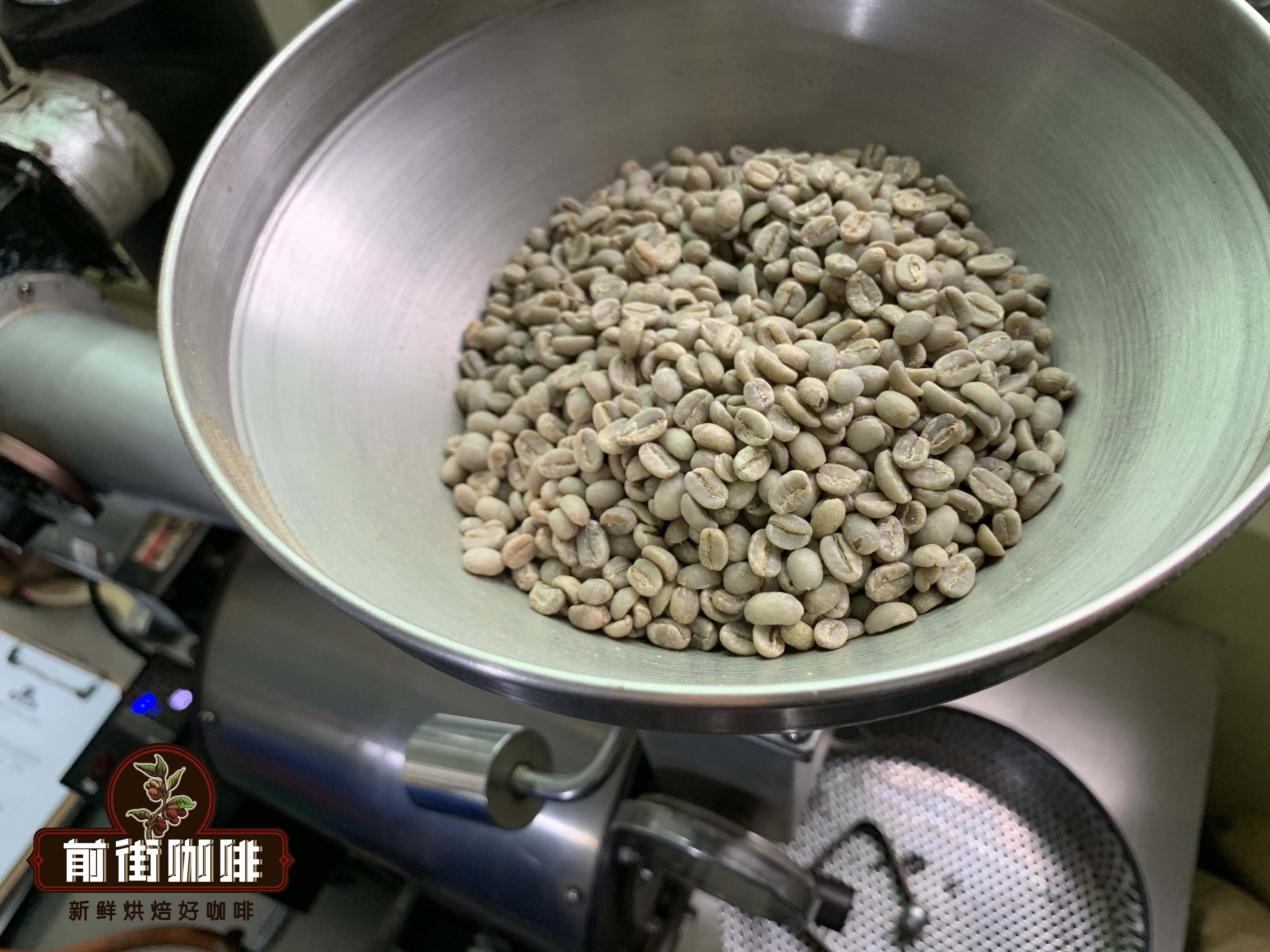
Light roast is beloved in the specialty coffee industry for its ability to bring more varied, vibrant, and unique flavors to coffee. More than other roasting methods, it highlights the unique characteristics of a coffee's origin.
Stage: Light roast coffee typically reaches internal temperatures of 170-200°C. These beans barely reach what we call "first crack," the stage when steam inside the bean breaks through the outer layer, producing a cracking sound.
Other names for light roast include cinnamon roast and light roast.
FrontStreet Coffee takes Ethiopia's FrontStreet Yirgacheffe Red Cherry Project coffee beans as an example. Through pour-over brewing, one can discover its fruit acidity is relatively bright and light.
Origin: Yirgacheffe Estate, Altlan | Altitude: 1850-2050m | Variety: Local heirloom varieties | Processing: Natural processing method

Dripper: Hario V60 | Water Temperature: 90℃ | Dose: 15g | Ratio: 1:15 | Grind Size: BG#5F (80% pass-through on China standard #20 sieve)
FrontStreet Coffee uses segmented extraction, blooming with 30g of water for 30 seconds. When pouring in a small circular motion to 125g, create a segment. Continue pouring to 225g when the water level drops and is about to expose the coffee bed, then stop pouring. Remove the dripper when the water level drops and is about to expose the coffee bed (timing starts from bloom). Extraction time is 2'00".

Flavor Description
Berries, cream, honey, citrus, a juice-like mouthfeel, bright acidity.
Medium Roast Coffee
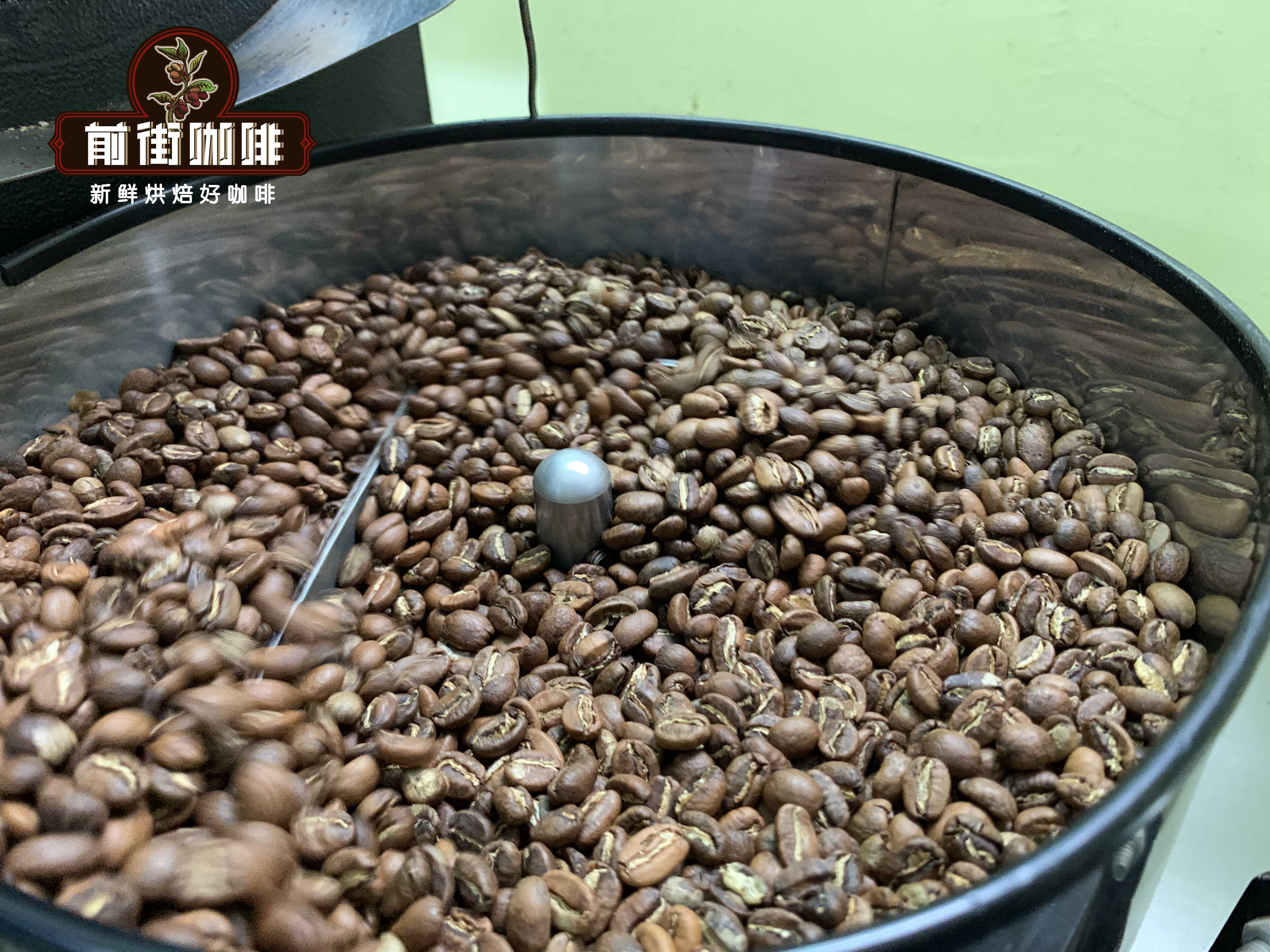
Characteristics: Medium roast coffee is brown with small amounts of oil appearing on the bean surface. These coffees have some acidity and red-wine flavors, with a rounded mouthfeel.
Flavor: Roasting to this level preserves many of coffee's unique flavors. Heat begins to penetrate the beans, initiating caramelization reactions that create sweetness. As a result, characteristics are more balanced, richer than light roast and sweeter, though some acidic, fresh flavors may disappear.

This is a roast level preferred by many roasters. FrontStreet Coffee believes it is more approachable for general consumers, with balanced acidity and bitterness while still showcasing coffee's natural flavors.
Stage: Medium roast temperatures can reach 200-215°C. The roasting temperature is slightly higher, right as the first crack sounds begin.
Other names include medium roast, full city roast, and city roast.
FrontStreet Coffee uses the FrontStreet Brazil Queen Estate coffee beans from its menu as an example. Through pour-over brewing, one can discover its fruit acidity is gentle, with prominent nutty and chocolate flavors.
Origin: Mogiana Estate, Queen Estate, São Paulo State | Altitude: 1400-1950m | Variety: Yellow Bourbon | Processing: Natural processing method

Dripper: Kono | Water Temperature: 88℃ | Dose: 15g | Ratio: 1:15 | Grind Size: BG#5I (70-75% pass-through on China standard #20 sieve)
Reason for choosing the Kono dripper: the Kono dripper has few ribs and they sit at the bottom, and the filter paper fits tightly against the dripper, which restricts airflow and increases contact time between water and coffee grounds, allowing full extraction and enhancing body. It suits medium-dark roast beans such as FrontStreet Brazil Queen Estate, FrontStreet Jamaica Blue Mountain, and FrontStreet Golden Mandheling.
FrontStreet Coffee uses segmented extraction, blooming with 30g of water for 30 seconds. When pouring in a small circular motion to 125g, create a segment. Continue pouring to 225g when the water level drops and is about to expose the coffee bed, then stop pouring. Remove the dripper when the water level drops and is about to expose the coffee bed (timing starts from bloom). Extraction time is 2'00".

Flavor Description
Noticeable sweetness with a subtle lemon aroma, rich nutty flavors, and distinct dark chocolate notes in the finish. The overall impression is rather rounded.
Dark Roast Coffee
Characteristics: Dark roast coffee is deep brown with a rich oil surface, low acidity, and heavy red-wine flavors, presenting more bitter and full-bodied tastes.
Flavor: Coffee roasted to this level generally shows little origin character, but that doesn't mean it tastes bad. Some coffees are very suitable for dark roasting and develop characteristic flavors of chocolate, nuts, and caramel.
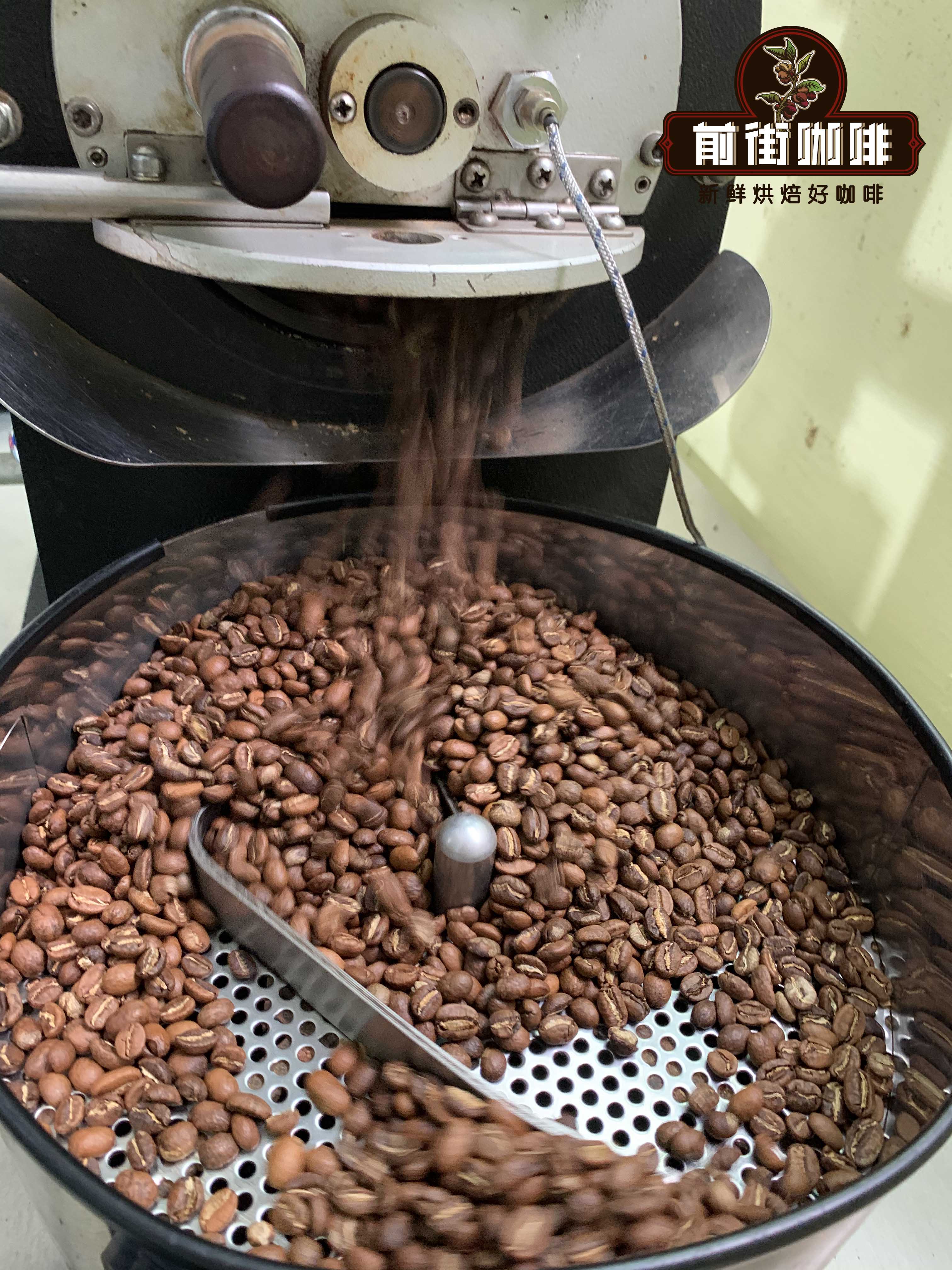
The difference between light and dark roast is very obvious. FrontStreet Coffee strongly recommends trying both extremes to truly experience the contrast.
Professional coffee roasters rarely carry more than one or two dark roast products. If there isn't much flavor difference between beans, dark roast merely increases uniformity, which is rather meaningless, since even beginners can achieve it.
Dark roast coffee held a dominant position before the specialty coffee concept emerged. An important reason was that earlier coffee cultivation techniques were relatively backward and bean quality itself was poor. Dark roasting was used to eliminate the less desirable flavors of low-grade coffee, but that is no longer necessary. Increasingly strict screening and rating systems now allow roasters to work with professional-grade beans.
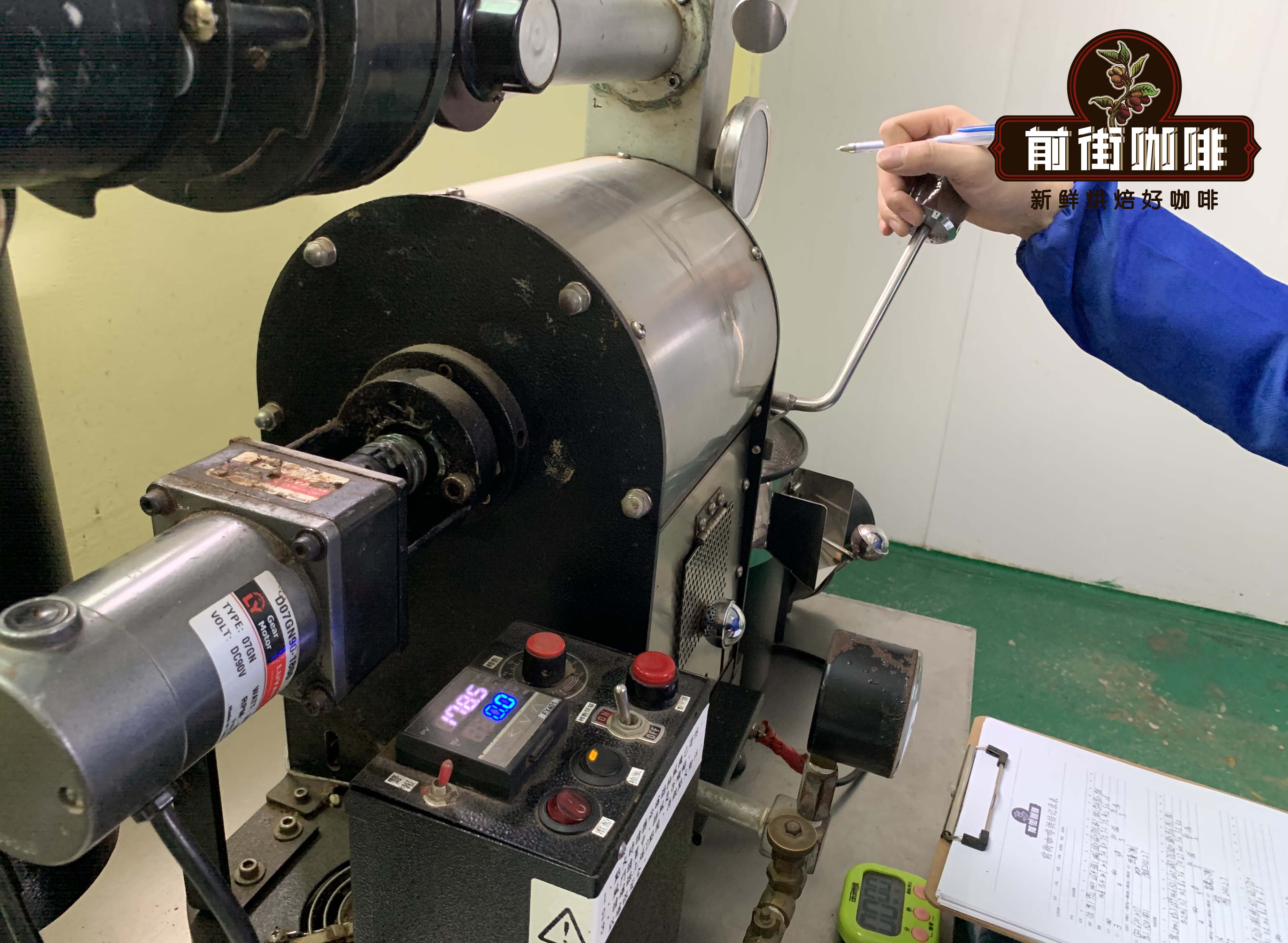
Now, professional roasters' goal is not to roast away bad flavors, but to push deeper, darker, and better-tasting coffee based on specific bean characteristics.
Stage: Dark roast coffee reaches 220-225°C during roasting. If not micro-roasted, it usually reaches "second crack."
Other names include full city roast, French roast, and Italian roast.
FrontStreet Coffee uses the FrontStreet Indonesia Golden Mandheling coffee beans from its menu as an example. Through pour-over brewing, one can discover its fruit acidity is basically gone, with rich nutty and chocolate flavors and prominent sweetness.
Origin: PWN Company, Sumatra | Altitude: 1100-1600m | Variety: Ateng | Processing: Wet-hulled processing method

Dripper: Kono | Water Temperature: 88℃ | Dose: 15g | Ratio: 1:15 | Grind Size: BG#6K (70-75% pass-through on China standard #20 sieve)
Reason for choosing the Kono dripper: the Kono dripper has few ribs and they sit at the bottom, and the filter paper fits tightly against the dripper, which restricts airflow and increases contact time between water and coffee grounds, allowing full extraction and enhancing body.
FrontStreet Coffee uses segmented extraction, blooming with 30g of water for 30 seconds. When pouring in a small circular motion to 125g, create a segment. Continue pouring to 225g when the water level drops and is about to expose the coffee bed, then stop pouring. Remove the dripper when the water level drops and is about to expose the coffee bed (timing starts from bloom). Extraction time is 2'00".

Flavor Description
Multi-layered, rich and clean, with high balance, a strong woody fragrance, rich malt and caramel aromas, fruity notes, and a persistent finish.
FrontStreet Coffee Recommendation
To taste a roast level at its most expressive, start with the light end. FrontStreet Coffee's naturally processed Huakui from Ethiopia shows cream strawberry, mango, jackfruit, citrus, and blueberry, a ripe tropical-fruit character that light roasting preserves beautifully.
For the balanced middle ground, FrontStreet Coffee's Brazil Queen Estate is a rare Yellow Bourbon from Mogiana, roasted to highlight clean sugarcane sweetness with cream, peanut, toasted bread, and chocolate notes. At the dark end, FrontStreet Coffee's Jamaica Blue Mountain No.1 brings the classic balance of cream, caramel, chocolate, nuts, honey, and light fruit.
Important Notice :
FrontStreet Coffee is a long-established specialty coffee roaster in Guangzhou China, selling freshly roasted beans from its own farm in Yunnan as well as dozens of carefully selected single-origin beans from around the world for both pour-over and espresso. The products deliver consistently excellent quality and great value, with shipping within 24 hours. Guangzhou's FrontStreet Coffee shop is recommended by many coffee lovers, and the beans are now available online at the Tmall 。
FrontStreet Coffee has moved to a new address:
FrontStreet Coffee Address: 315,Donghua East Road,GuangZhou
Tel:020 38364473
 Scan and follow the En Gafei WeChat official account. Please indicate that the reprint comes from "En Gafei".