Washed Yirgacheffe Kochere Coffee Bean Flavor Profile & Yirgacheffe Brewing Methods
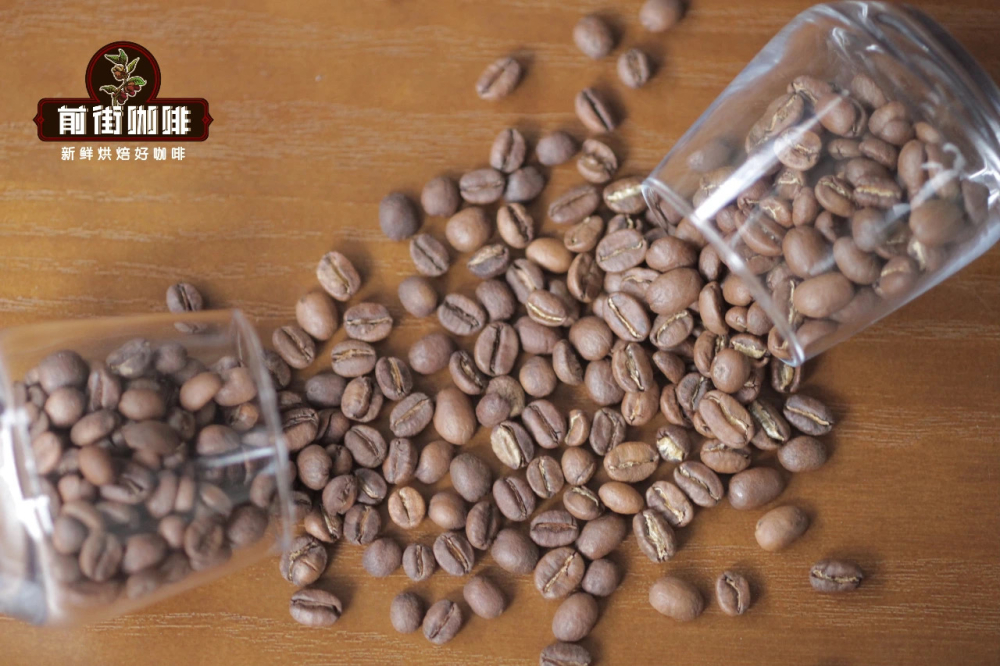
Ethiopian coffee beans are highly favored by coffee enthusiasts for their complex, varied flavors, which come from extremely diverse ancient native varieties and multiple processing methods such as natural and washed. When it comes to Ethiopian coffee beans, many people are used to calling them Yirgacheffe. Indeed, Yirgacheffe's fresh, clean coffee flavor has been the gateway coffee that introduced many enthusiasts to the world of coffee. Washed Yirgacheffe is clean and refreshing with bright acidity, while natural Yirgacheffe is clean and smooth with a hint of fermented sweetness. When friends come to FrontStreet Coffee unsure of what to try, the barista often starts with beans from the Yirgacheffe region. In this article, FrontStreet Coffee discusses washed Yirgacheffe coffee beans.
Yirgacheffe is a Small Town
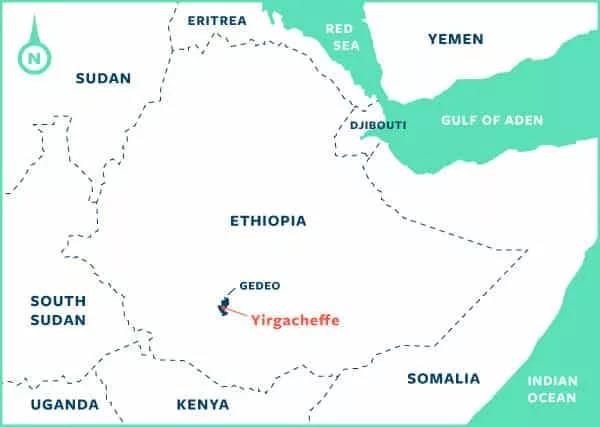
Yirgacheffe sits on the eastern edge of the East African Rift Valley, with complex topographical divisions and an altitude of 1800-2000m. To the west lies Lake Abaya, which has been a wetland since ancient times with abundant water sources, providing excellent resources for Yirgacheffe's washing stations. Yirgacheffe is part of the Sidamo region but was separated from it because of its unique flavor profile. Besides Yirgacheffe town, the surrounding area includes sub-regions such as Wenago and Kochere.
FrontStreet Coffee believes that what is known as "Yirgacheffe flavor" refers to rich citrus and lemon acidity, an intense jasmine aroma, and a light, elegant mouthfeel with tea-like notes, tasting like refreshing, clean lemon tea. Traditional Yirgacheffe coffee beans used natural processing, but early natural-processed beans were often dried directly on the ground and inevitably picked up earthy flavors, dust and other undesirable notes. Because of a lack of proper screening, the quality of those natural beans was generally average. In 1972, Ethiopia introduced washing technology from Central and South America to improve coffee quality, which made the jasmine fragrance and citrus-lemon aroma of Yirgacheffe beans clearer and brighter, elevating it to become one of the representatives of world specialty coffee.
Washed Processing Method
The washed method removes impurities (stones or debris) and defective beans through each step, resulting in a uniform appearance of green beans, which is generally considered high quality and commands higher prices than natural-processed coffee. However, the more detailed the process division, the more procedures are required for operation and hygiene management, increasing risk, so washed processing does not necessarily equal high quality. The biggest disadvantage of washed coffee is that during fermentation, beans are easily tainted by fermentation odors. Some coffee experts point out that one fermented bean can ruin 50 grams of beans. Beans get tainted with fermentation odor mostly because fermentation tanks lack proper management and maintenance. Coffee beans with mucilage still attached to the parchment can be soaked in fermentation tanks overnight to remove the mucilage, but if the microorganisms in the tank change, the beans can pick up a fermentation odor.
The Washed Process Steps
Bean Selection: Harvested fruits are placed in water-filled tanks and soaked for about 24 hours. During this time, mature fruits sink, while unripe and overripe fruits float and can be removed.
Pulping: Machines remove the skin and pulp, leaving only coffee beans wrapped in parchment. At this point the beans still have a layer of mucilage on the outside, and the washing process is designed to clean it off.
Fermentation: The mucilage has strong adhesion and is not easy to remove. It must be placed in tanks for about 18-36 hours to ferment and decompose. There are two fermentation methods: wet fermentation and dry fermentation. As the names suggest, the former involves adding water, while the latter does not.
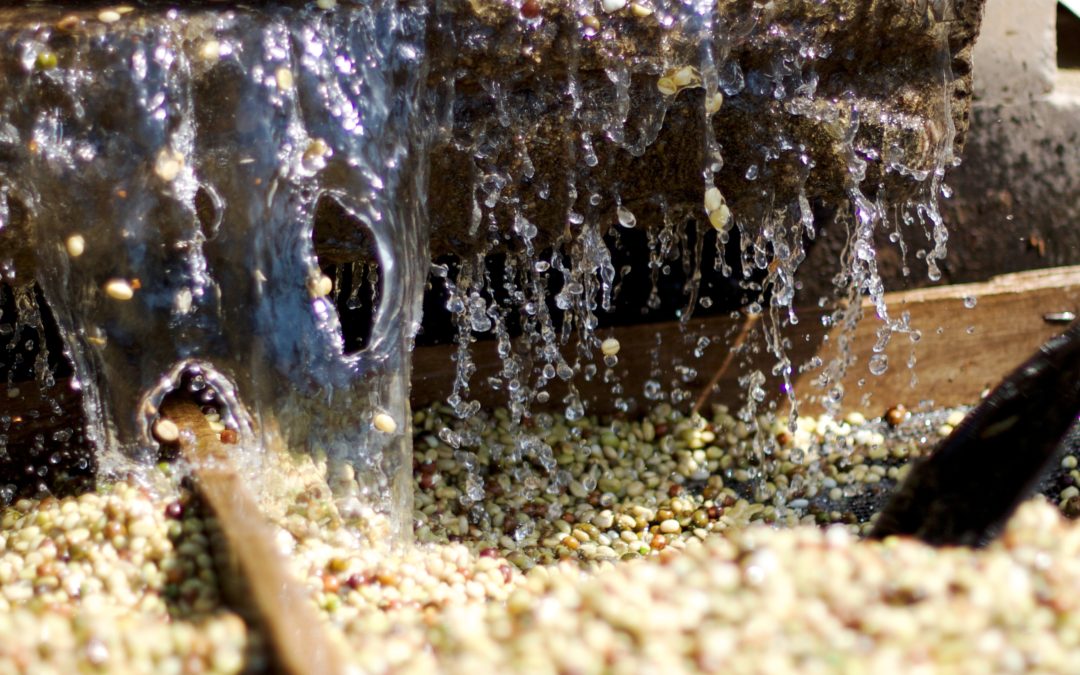
During fermentation, the seeds and internal pulp undergo special changes, which is the step in the washed method that most significantly affects coffee flavor. Some farms add hot water or enzymes to speed up fermentation, which negatively affects bean quality and is not welcomed by specialty coffee enthusiasts.
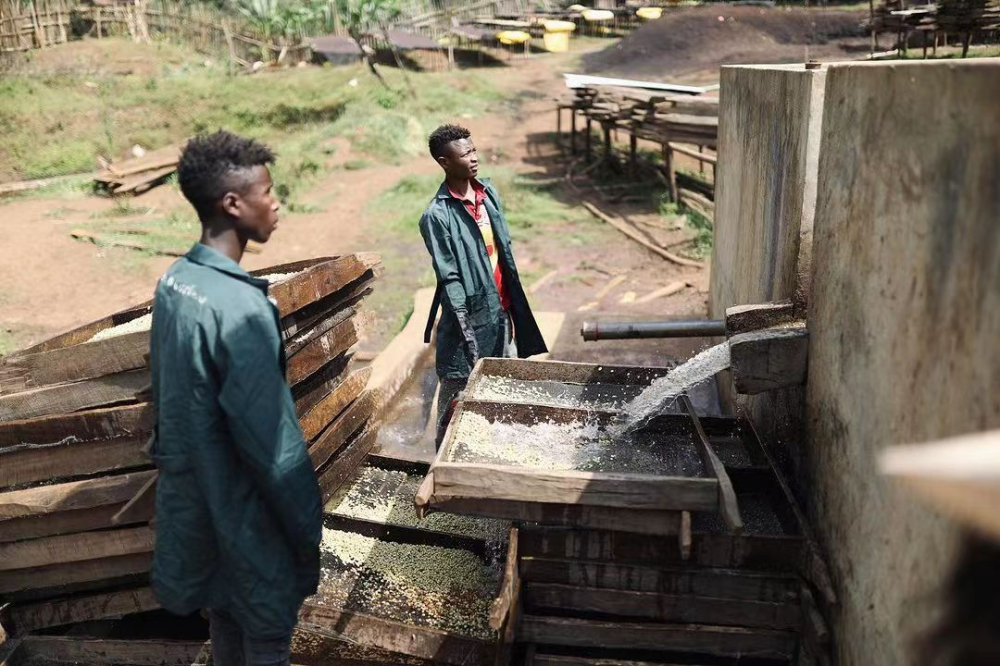
Washing: Farms using the washed method must build washing tanks and have access to a continuous supply of fresh water. During processing, the fermented beans are placed in the tanks and moved back and forth, using friction between beans and the power of flowing water to wash them until they are smooth and clean.
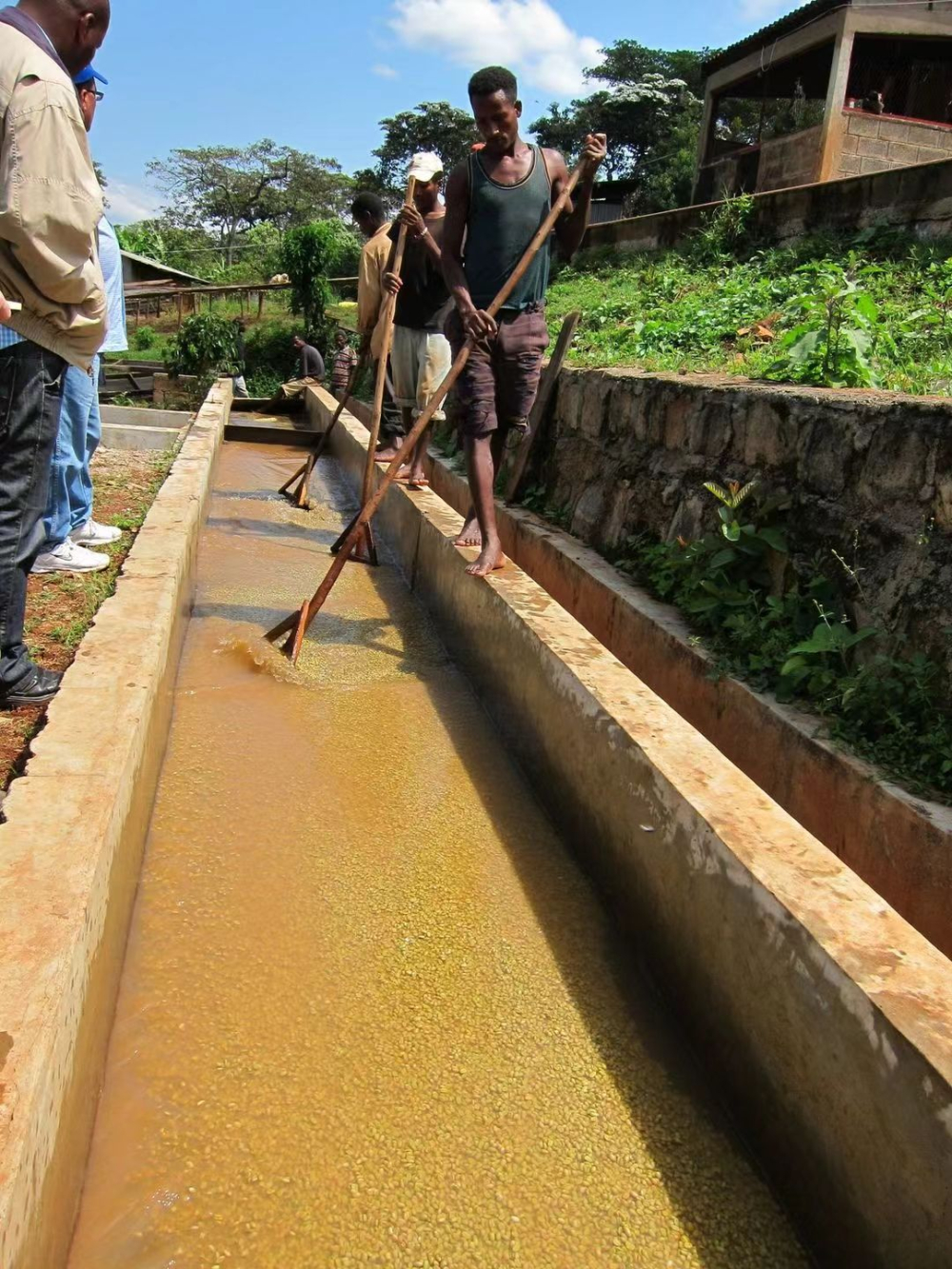
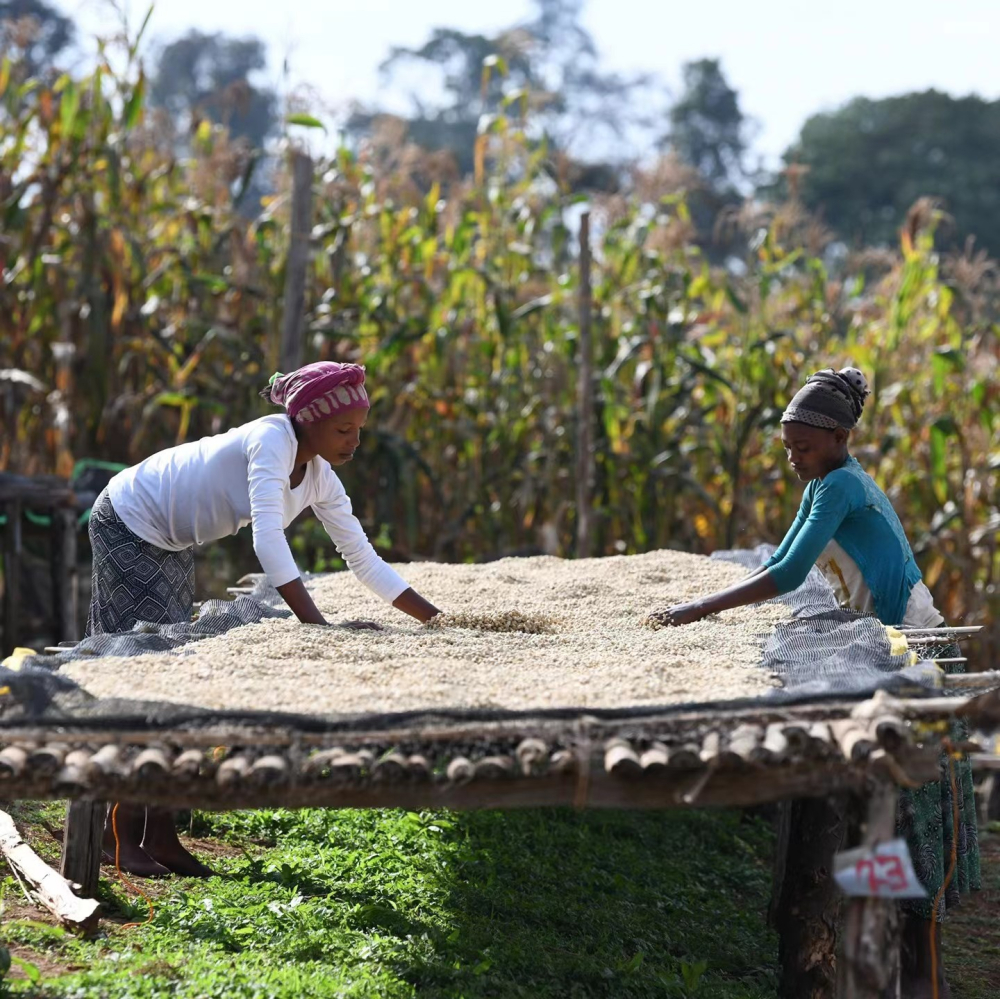
Drying: After washing, the coffee beans are still inside the parchment with a moisture content of 50%. They must be dried to reduce moisture content to 12%, otherwise they will continue to ferment and become moldy and spoiled. The better processing method is sun-drying, which takes 1-3 weeks but produces exceptional flavor and is quite popular. Some places also use machine drying, which significantly shortens processing time but produces inferior flavor compared with sun-dried coffee.
Hulling: After drying is complete, the beans can be stored in warehouses or sent to factories for hulling to remove the parchment and silver skin.
Because FrontStreet Coffee finds that washed processing better reflects the clean mouthfeel and pure flavor presentation of coffee, it uses washed beans from specific growing regions as a reference when analyzing their specific flavors. For beginners who haven't tried Yirgacheffe, FrontStreet Coffee first recommends FrontStreet Coffee's washed Yirgacheffe, which helps form an understanding of the regional flavor. Later, when trying Yirgacheffe with other processing methods such as natural and honey, they will have a direction for comparison.
Yirgacheffe Washed Coffee Bean Grading
Before the establishment of the Ethiopia Commodity Exchange (ECX), Ethiopian coffee export grades were set by the CLU (Cupping and Liquoring Unit) under the Ministry of Agriculture, based primarily on the number of defective beans in 300g samples. The grading standards are shown in the table below.
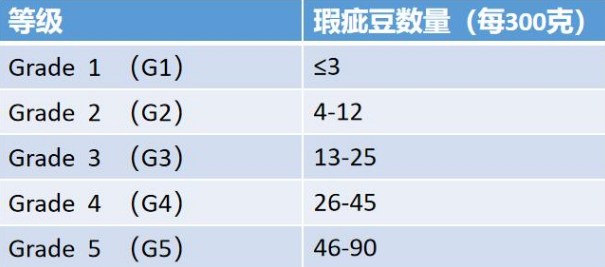
Generally, washed-processed beans are graded G1-G2. Because of technical issues with natural processing at the time, natural-processed beans had more defects and were generally graded G3-G5. With improvements in natural processing technology, current natural-processed beans can also achieve G1-G2 grades.
FrontStreet Coffee's washed Yirgacheffe coffee beans include FrontStreet Coffee Yirgacheffe Gedeb Cooperative, FrontStreet Coffee Yirgacheffe Kochere, and FrontStreet Coffee Washed Yirgacheffe Daily Bean.
FrontStreet Coffee · Ethiopia Yirgacheffe Gedeb Cooperative Coffee Beans
Region: Yirgacheffe, Gedeo Zone
Altitude: 1900-2300m
Variety: Heirloom
Processing: Washed processing method
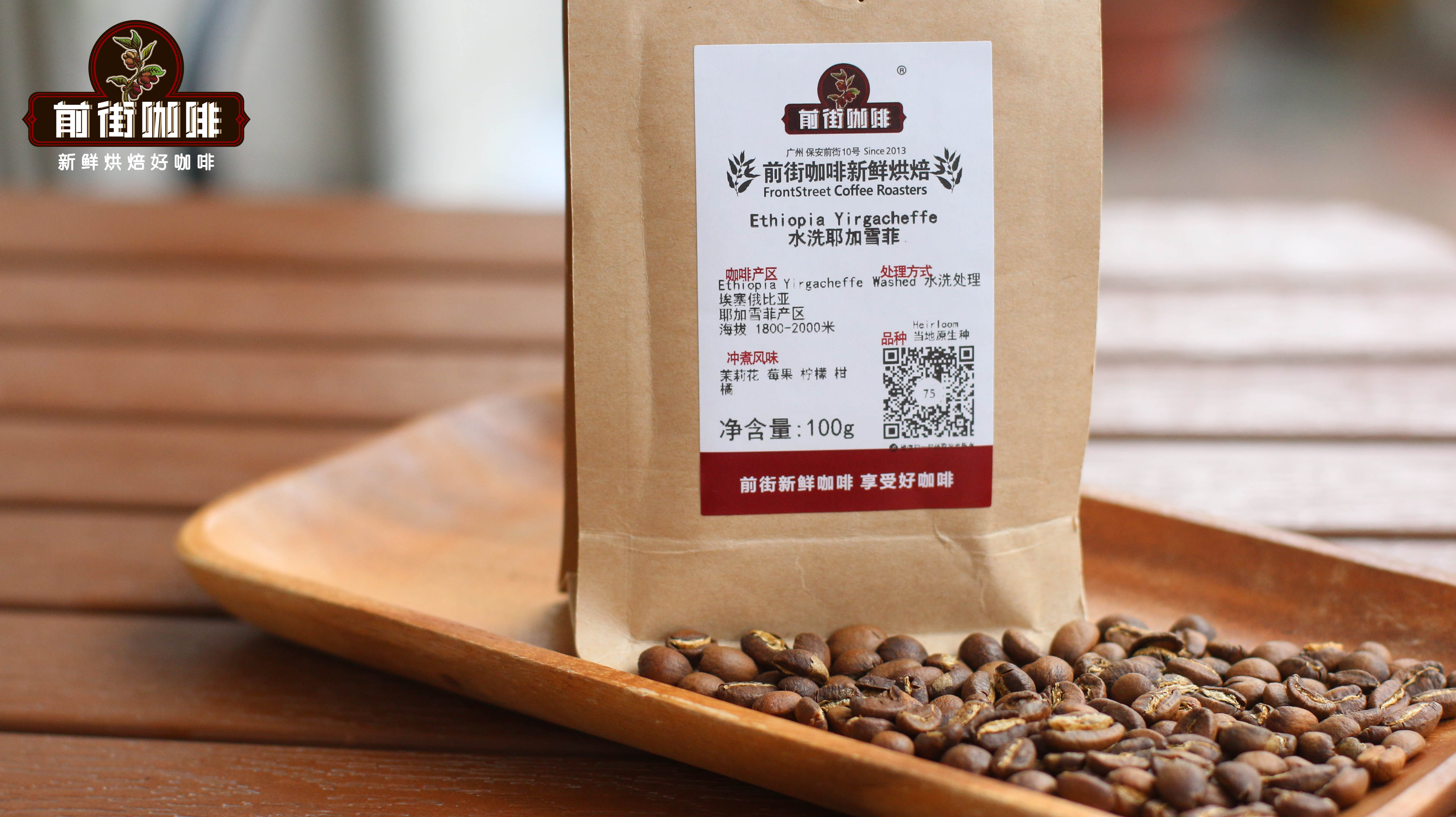
FrontStreet Coffee · Ethiopia Washed Yirgacheffe Daily Bean
Altitude: 1800-2000 meters
Variety: Local heirloom varieties
Processing: Washed processing method
Many friends unfamiliar with FrontStreet Coffee may have misconceptions about the Daily Bean series, perhaps thinking that the term "Daily Bean" exists only to satisfy the curiosity of people who don't know coffee well. Sometimes large online discounts make people worry about whether FrontStreet Coffee's beans are of poor quality or have messy flavors. FrontStreet Coffee's Daily Bean series is actually the "face" of coffee beans from the major producing regions: the Daily Bean's regional basic flavors have higher recognition, while the beans remain affordable and high-value. FrontStreet Coffee launched the FrontStreet Daily Bean series so that all enthusiasts can experience the most representative coffee flavors of each region at the lowest possible price.
How Does FrontStreet Coffee Brew FrontStreet Coffee's Washed Yirgacheffe Coffee Beans?
FrontStreet Coffee's roasters use a medium-light roast to preserve the bright citrus acidity and floral characteristics of FrontStreet Coffee's washed Yirgacheffe coffee. For brewing medium-light roast beans, we recommend 90-91°C water. Higher water temperatures can extract aromatic compounds and acidity from light-roast beans. Because medium-light beans are denser, raising the water temperature improves extraction efficiency and avoids sharp acidity. The V60 conical filter has a larger opening and unique spiral ribbing that lets air escape more easily, improving extraction quality. The mouthfeel might not be as full-bodied, but its high concentration of sweet and sour flavors with a distinct aroma is one of its major characteristics.
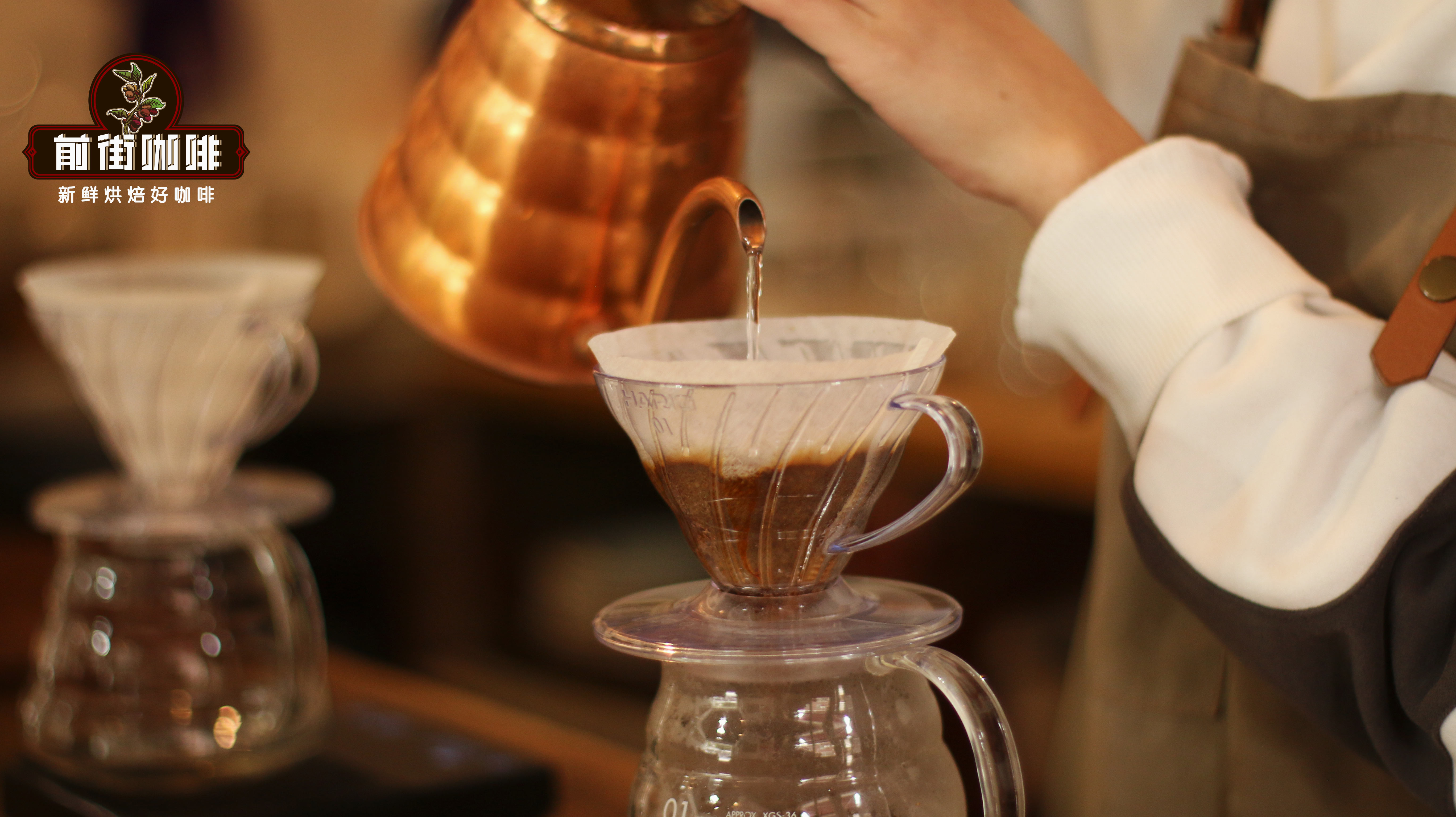
Brewing Parameters
Filter: V60
Water Temperature: 90-91°C
Coffee Dose: 15g
Coffee-to-Water Ratio: 1:15
Grind Size: Fine sugar size (80% passes through a #20 sieve)
FrontStreet Coffee Brewing Method: First, pour 30g of water for a 30-second bloom. Then pour 95g more (the scale shows around 125g), completing the pour in about 1 minute. When the water level drops to 2/3 of the coffee bed, pour the remaining 100g (the scale shows around 225g), completing the pour in about 1 minute 35 seconds. The drip completes at 2 minutes 4 seconds; remove the filter and extraction is complete.
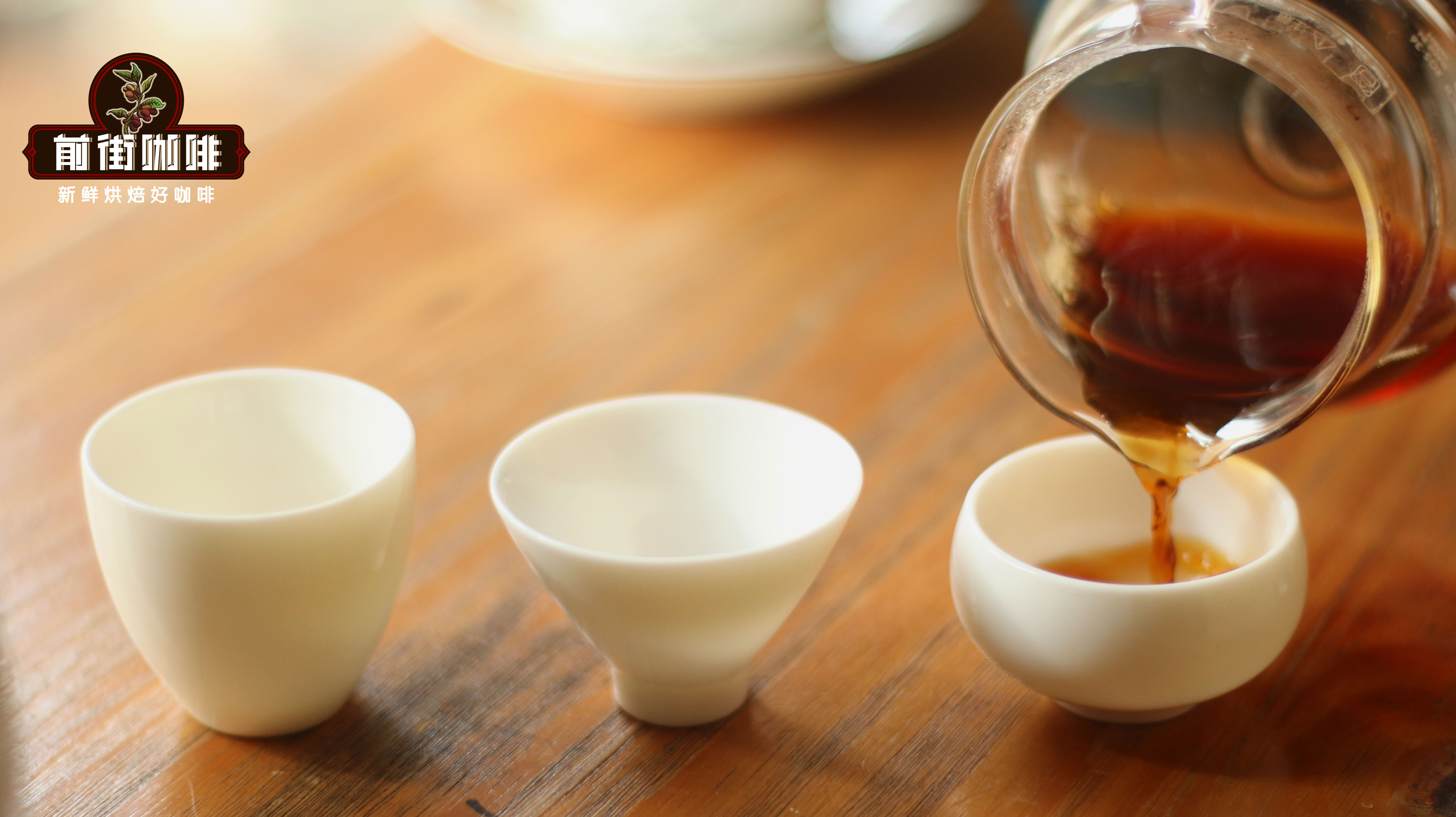
Brewing Flavor Profiles
FrontStreet Coffee Yirgacheffe Kochere Coffee: Initial notes of lemon, plum and Tieguanyin oolong tea, with distinct caramel notes as the temperature changes, bright acidity and a noticeable aftertaste.
FrontStreet Coffee Yirgacheffe Gedeb Cooperative Coffee: Initial notes of citrus and black tea, with cream, caramel and almond notes as the temperature changes, plus a noticeable sweet aftertaste and a clean, sweet mouthfeel.
FrontStreet Coffee Washed Yirgacheffe Coffee: Jasmine aroma, berry juice notes, lemon and citrus acidity, overall bright, clean and refreshing.
FrontStreet Coffee Recommendation
If this article has you curious about washed Yirgacheffe, FrontStreet Coffee's own lineup is the easiest way in. FrontStreet Washed Yirgacheffe Daily Bean is the friendly introduction, with jasmine florals, bright citrus and lemon acidity and a tea-like body, at a price that makes it an ideal first specialty coffee. To step up to a named cooperative, FrontStreet Gedingding Cooperative comes from the Gedeo Zone at 1900-2300 meters and shows citrus, lemon and refined white florals in a very clean, delicate cup. For a natural-process comparison, FrontStreet Sun-dried Red Cherry is made only from fully ripe cherries dried on raised beds for three to five weeks and adds berry juice, honeyed sweetness and a creamy smoothness on top of the classic Yirgacheffe character.
FrontStreet Coffee brews washed Yirgacheffe as pour-over with a V60, a fine-sugar grind size with about 80% passing a #20 sieve, 15g of coffee and a 1:15 ratio. Use 90-91°C water, bloom with 30g for 30 seconds, then pour to roughly 125g and finish at 225g, aiming for a total extraction around 2 minutes 4 seconds; that keeps the jasmine, lemon and clean sweetness bright and clear in the cup.
Important Notice :
FrontStreet Coffee is a long-established specialty coffee roaster in Guangzhou China, selling freshly roasted beans from its own farm in Yunnan as well as dozens of carefully selected single-origin beans from around the world for both pour-over and espresso. The products deliver consistently excellent quality and great value, with shipping within 24 hours. Guangzhou's FrontStreet Coffee shop is recommended by many coffee lovers, and the beans are now available online at the Tmall 。
FrontStreet Coffee has moved to a new address:
FrontStreet Coffee Address: 315,Donghua East Road,GuangZhou
Tel:020 38364473
 Scan and follow the En Gafei WeChat official account. Please indicate that the reprint comes from "En Gafei".