Flavor Profile of Ethiopia Guji Flower Queen Coffee Beans - Story and Characteristics of Hand-Poured Sun-Dried Flower Queen Coffee
The Challenge of Flavor Consistency in Coffee
Logically, a good coffee should taste stable from year to year. Yet FrontStreet Coffee has talked with plenty of drinkers who ask why a coffee tastes different from the previous vintage. Has the processing method changed, or is the shift simply the work of the natural environment? Environmental factors can move the flavor of a cup, and no coffee bean's character stays perfectly frozen in time.
Case Study: The Evolution of Flower Queen Coffee
Take the recent Flower Queen lots as an example. Flower Queen won wide praise for its vivid strawberry-cream flavor, and FrontStreet Coffee has since received letters from many of its fans asking why this year's version tastes different, or no longer seems like Flower Queen at all. The explanation is fairly simple, and it applies well beyond Flower Queen: most coffees shift a little in flavor every year. Coffee is an agricultural product, and during growing and nurturing, climate, soil, fertilizer, and annual rainfall all nudge the flavor one way or another. In the natural world, human control is limited and the variables are simply too many.
That is the problem every specialty coffee shop has to face, and it is why FrontStreet Coffee continuously cups every bean that reaches its shelf. Cupping is a relatively simple way to detect whether a coffee's flavor has drifted or whether it is still representative enough to earn a place on the menu.
Exploring Sidamo's Flower Queen Coffee
Sidamo is well known in Ethiopia and is one of the country's famous specialty coffee areas. The Yirgacheffe and Guji regions that drinkers hear about so often became independent from Sidamo precisely because of their distinctive regional flavors. As FrontStreet Coffee understands it, the common processing method for Sidamo beans is natural, and this year's FrontStreet Flower Queen is also natural processed.
Natural and washed coffees each have their own strengths. If you prefer a cleaner mouthfeel and brighter acidity, you will likely favor washed coffee. In Africa, regions such as Ethiopia's Yirgacheffe often use the washed method; FrontStreet Coffee's Gedingding coffee is washed, for instance. East African countries such as Tanzania, with their higher annual rainfall, also commonly wash their coffee. Tanzania's Kilimanjaro coffee, for example, shows acidity that is less fresh and racy than Kenya's, leaning instead toward lemon and a gentler overall feel.
Sidamo's use of the ancient natural method gives the cup more body and a less bright acidity than a washed coffee. Where Yirgacheffe brings bright lemon and citrus, the acidity of a natural Sidamo is better described in berry terms.
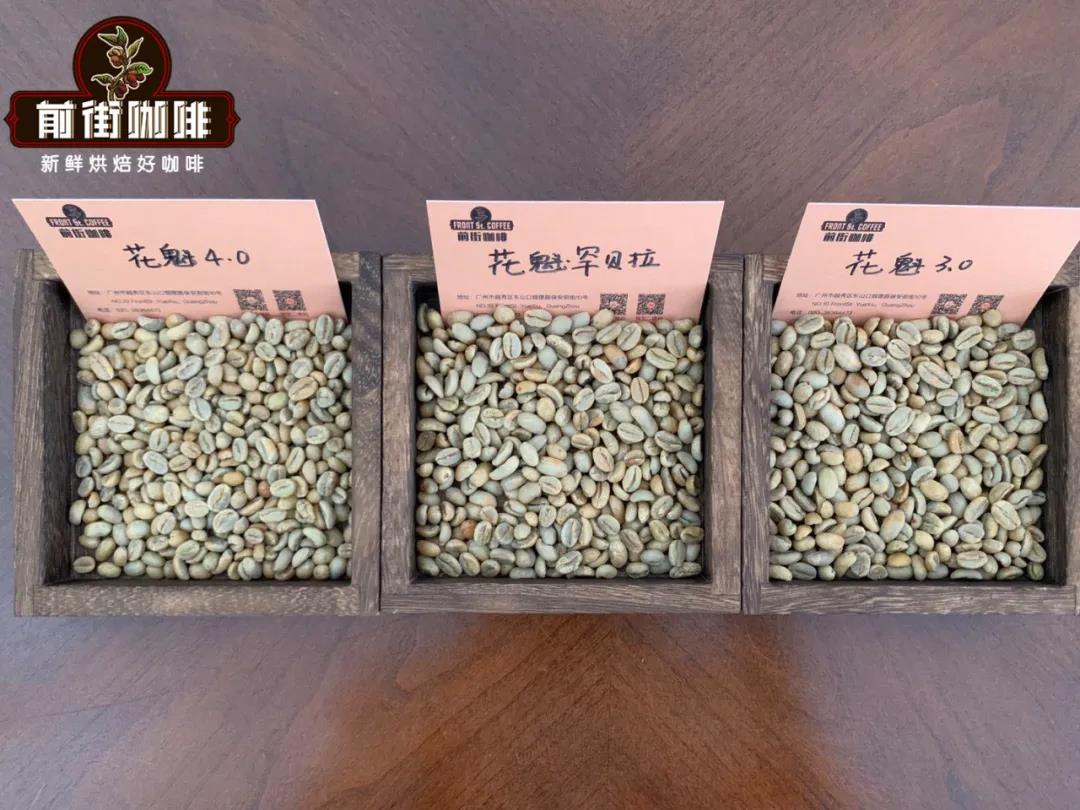
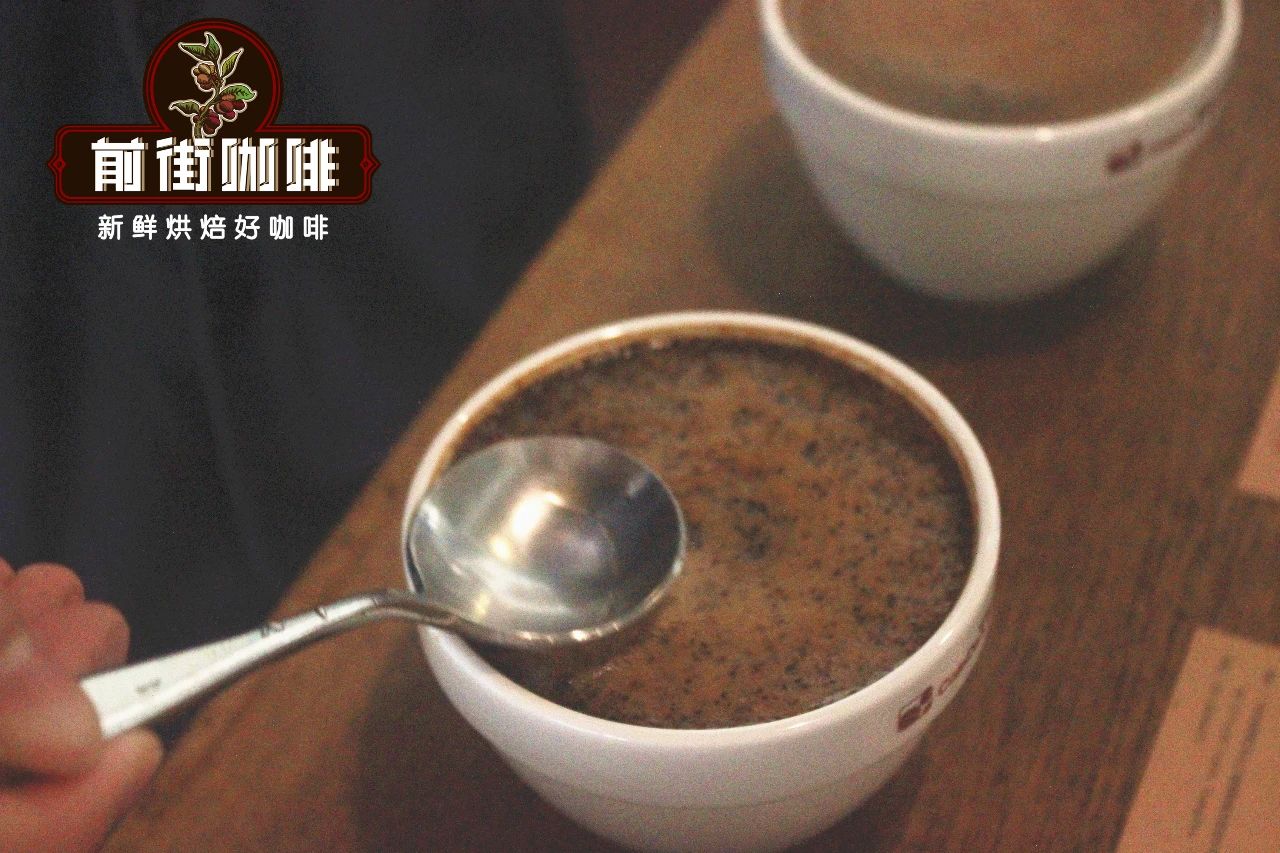
FrontStreet Coffee has cupped several Flower Queen batches. The lots on the table included Flower Queen G1, Flower Queen 2.0, Flower Queen 3.0, Flower Queen 3.1, and Flower Queen 4.0. The barista used a standard 200 ml cupping bowl, a grind that reached 70%-75% retention on a #20 standard sieve, 11.3 g of coffee, and water at 94°C. The grounds were sniffed dry first, then water was added to fill the bowl to confirm the wet aroma, and after 4 minutes the crust was broken and the grounds removed for evaluation.
Cupping Results and Flavor Profiles
Across the table, each Flower Queen batch was slightly inconsistent on its own but pointed in a similar overall direction. Flower Queen G1 had a smooth mouthfeel with a fermented wine aroma and acidity leaning toward passion fruit, a very classic Flower Queen profile. Flower Queen 2.0 was cleaner overall, with more berry-like acidity, some nutty aroma, and rich layers. Flower Queen 3.0 showed a light strawberry jam flavor with black tea astringency and a less noticeable sweetness. Flower Queen 3.1 opened with a rich floral aroma, flavors leaning toward cream and tropical fruit, a caramel aftertaste, and a persistent sweet return. Flower Queen 4.0 brought citrus acidity, a full-bodied berry juice quality, black tea notes, and lasting sweetness.
The Origin and Naming of Flower Queen
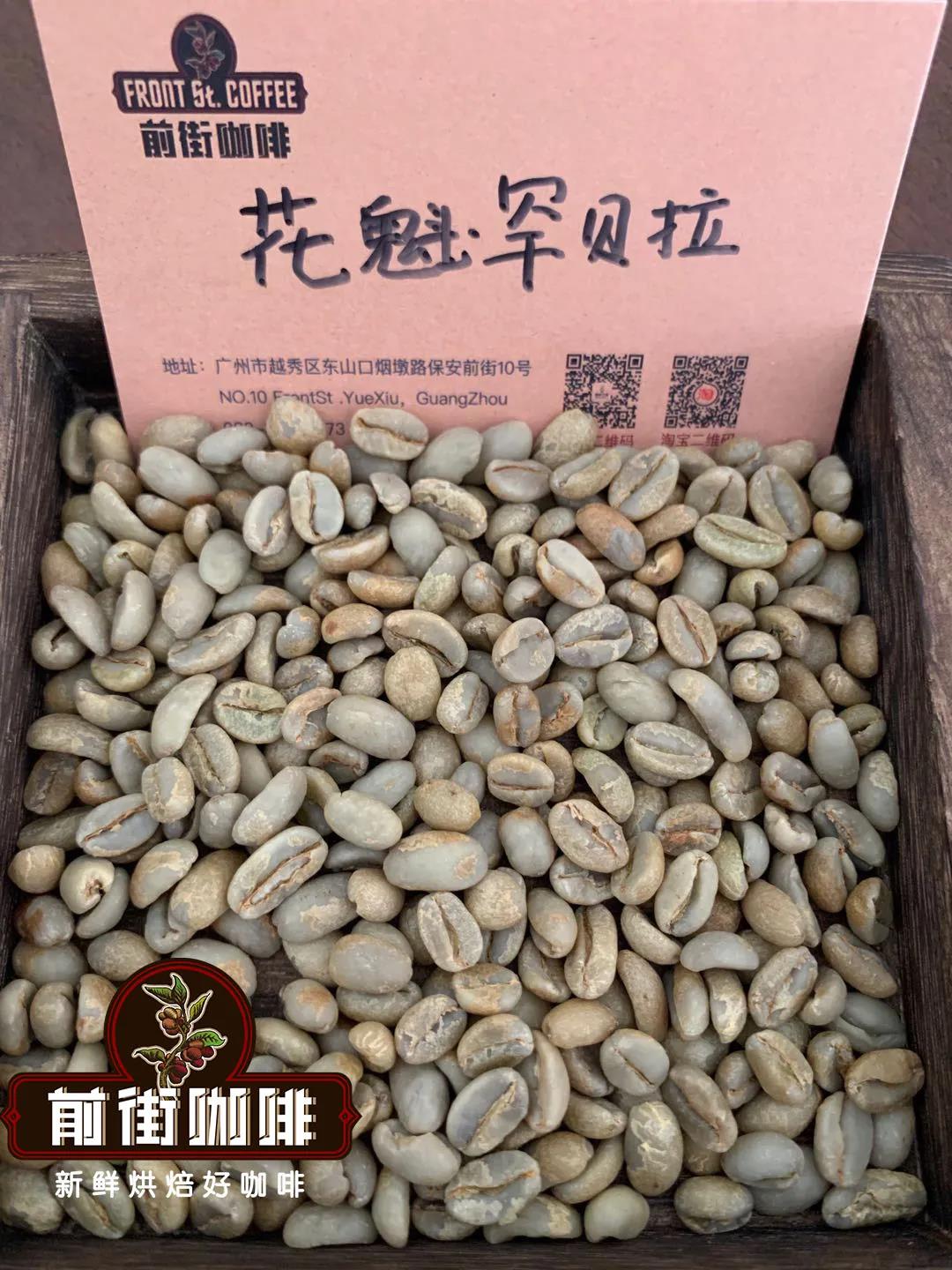
You may wonder why a single Flower Queen coffee comes in so many versions. The answer is that these lots come from different estates and processing plants. Only natural-processed coffee from the "Buku Abel" processing plant is called Flower Queen; coffee from other plants is named Flower Queen 2.0, 3.0, and 3.1. As for the name, its English name is Hambella, and Chinese green-bean suppliers coined the market name Flower Queen from its rich strawberry-cream flavor and their hopes for the lot, hoping that as processing techniques became more refined, this coffee could shine and stand on equal footing with the dominant Geisha.
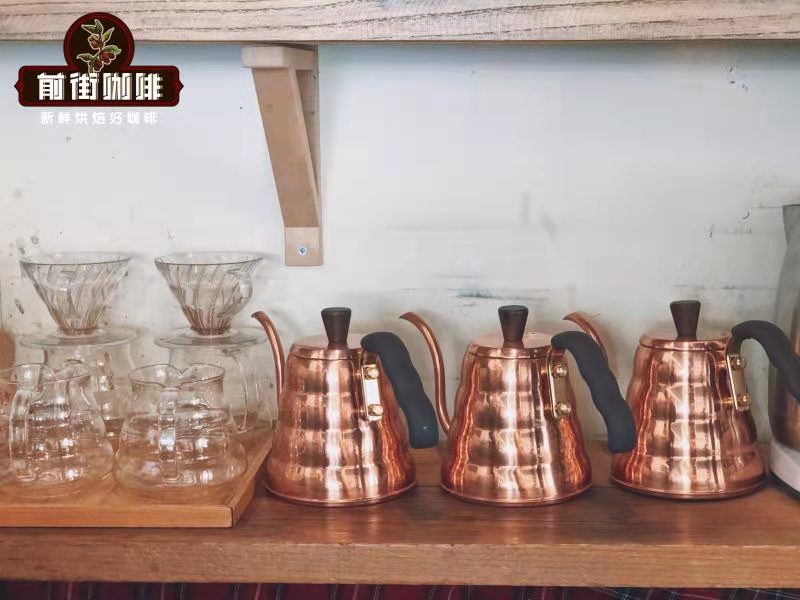
To pull out the full layered complexity of these beans, FrontStreet Coffee brews Flower Queen with a higher water temperature and a finer grind, and to avoid over-extraction at that temperature it uses fast-flow drippers such as the V60. The V60 has a 60-degree conical shape, and that angle concentrates the coffee bed so the stream naturally converges toward the center during pouring, giving water and grounds enough contact time to extract a balanced liquid. The ribs on the inner wall spiral clockwise from bottom to top, leaving room between paper and dripper for good flow, and combined with the large single hole at the base, drainage is faster than in many other drippers. FrontStreet Coffee's parameters are a V60 dripper, 90°C water, a 1:15 ratio, 15 g of coffee, and a grind of 80% retention on the China #20 standard sieve.

Brewing Methods and Flavor Variations
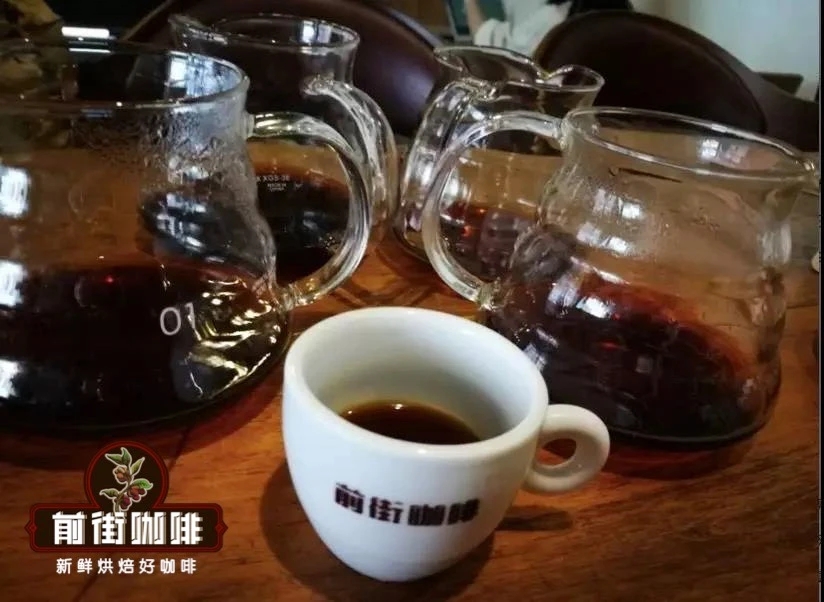
Of course, you can brew this coffee in other drippers too, whether a V60, a trapezoidal dripper, or a flat-bottom dripper. FrontStreet Coffee has tried the same beans in different equipment using its usual staged extraction. Bloom with twice the weight of the grounds, meaning 30 g of water for 30 seconds, then make a small circular pour up to 125 g and pause. When the water level drops and the bed is about to be exposed, continue pouring to 225 g and stop; total extraction time, including the bloom, is 2 minutes.
In a V60, the coffee smells distinctly of melon, enters with a gentle jackfruit-like acidity, then opens into strawberry-berry flavors in the middle, with a sugarcane sweetness in the aftertaste and fairly rich layers. In a flat-bottom dripper, the entry is smooth, with prominent fermented berry and passion fruit; once the temperature drops, strawberry-like sweet-and-sour notes appear and the overall cup is well balanced. In a trapezoidal dripper, passion fruit and strawberry acidity lead, a peach-like sweetness shows up in the finish, and the body is round, full, and thick. The choice of dripper clearly matters, so FrontStreet Coffee suggests picking the one that matches your own taste.
FrontStreet Coffee Recommendation
If the strawberry-cream character of Flower Queen is what you are after, FrontStreet Sun-Dried Flower Queen is the direct match. It comes from the Hambella area of Guji in Sidamo, where the farm covers 200 hectares and uses the traditional natural method. To keep the drying fruit from molding or picking up earthy off-notes, workers spread the ripe cherries on raised beds for 21 days, turning them constantly for even drying and removing any defective or moldy beans by hand every three to five days. Once the skins harden, a huller removes them, and a final sort follows to chase a flawless cup. Because the fruit and skin stay on through drying, a medium-light roast delivers a light fermented wine note, florals, citrus, and mango, with a dense, complex body, honey sweetness, a cocoa edge, and a touch of spice on a long finish.
For a washed counterpart with the same region's clarity, FrontStreet Yirgacheffe Gedingding Cooperative shows jasmine florals and bright citrus and lemon acidity over a clean, tea-like body, a medium-light roast adding green tea and honey notes. It is the natural pairing to a natural-processed Flower Queen and a fine way to see how processing shapes the same origin.
And for a berry-forward natural Ethiopian, FrontStreet Sun-Dried Red Cherry from Yirgacheffe uses only fully ripe red cherries, dried on raised beds for three to five weeks with turning every two to three hours early on. The result keeps the classic Yirgacheffe citrus and berry-juice character, with honey sweetness and a creamy smoothness.
Important Notice :
FrontStreet Coffee is a long-established specialty coffee roaster in Guangzhou China, selling freshly roasted beans from its own farm in Yunnan as well as dozens of carefully selected single-origin beans from around the world for both pour-over and espresso. The products deliver consistently excellent quality and great value, with shipping within 24 hours. Guangzhou's FrontStreet Coffee shop is recommended by many coffee lovers, and the beans are now available online at the Tmall 。
FrontStreet Coffee has moved to a new address:
FrontStreet Coffee Address: 315,Donghua East Road,GuangZhou
Tel:020 38364473
 Scan and follow the En Gafei WeChat official account. Please indicate that the reprint comes from "En Gafei".