Introduction to Yunnan Baoshan Catimor Coffee Varieties: Brewing Flavor Description of Yunnan Red Cherry Natural Process Catimor
For professional coffee knowledge exchange and more coffee bean information, please follow Coffee Workshop (WeChat official account: cafe_style).
Readers of FrontStreet Coffee's articles know that FrontStreet Coffee has devoted itself to Yunnan coffee in recent years, leading the cultivation of Typica variety beans. The goal is to improve Yunnan coffee's flavor at the source, so that in the future the Yunnan coffee people drink tastes of the land itself rather than masking the bean's flaws through special processing. Yunnan small-bean coffee is currently dominated by the Catimor variety, and Yunnan's rainy climate means most of it is washed. FrontStreet Coffee recently acquired a sun-dried Yunnan small-bean coffee. Next, FrontStreet Coffee will cup, roast, and brew it to see how the flavor performs.
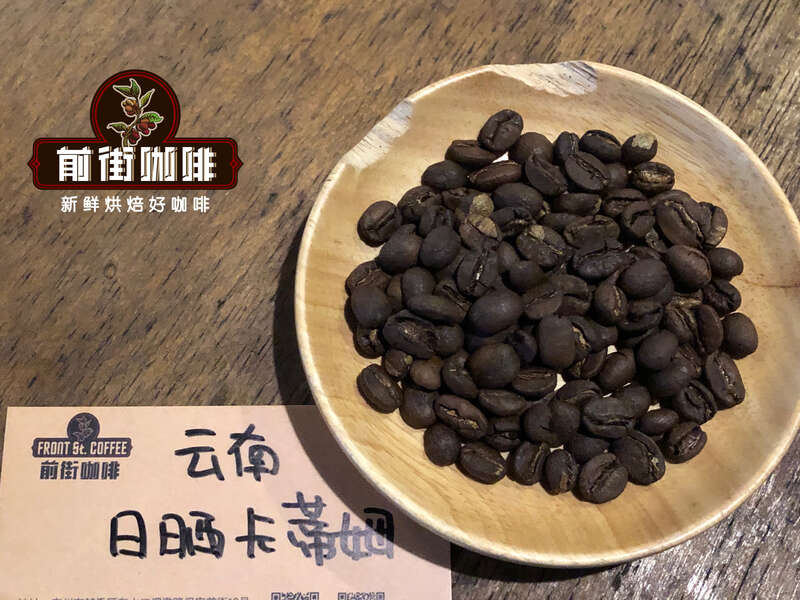
FrontStreet Coffee - Yunnan Sun-Dried Catimor Coffee Beans
Origin: Baoshan, Yunnan, China
Altitude: 1450-1550m
Processing: Red Cherry Sun-Dried
Variety: Catimor
The Baoshan Coffee Growing Region
As one of the three major small-bean coffee regions in Yunnan, Baoshan is a pioneer in the cultivation and processing of small-bean coffee in China. It has a long history of small-bean cultivation and rich experience dating back to the mid-1950s; research shows the oldest coffee trees are already over 60 years old. Since 1952, Baoshan City in Yunnan has been engaged in large-scale coffee cultivation for nearly 60 years. The unique natural conditions of the Nujiang River and Kuhe River basins within its territory, combined with cultivation techniques built up over many years and the care of countless farming households and technicians, have earned Baoshan coffee a high reputation in the international market for its distinctive quality.
The Development History of the Baoshan Coffee Industry
First Phase: In the 1950s, Baoshan small-bean coffee was successfully promoted and cultivated on a large scale in Lujiangba, and by 1960 the city's coffee area had reached nearly 10,000 mu.
Second Phase: In the early to mid-1960s, market and disease pressures caused cultivation to shrink, and by the late 1970s the city's coffee area had dropped to only 0.3 mu.
Third Phase: In the late 1980s, with the United Nations Development Programme's assistance projects in Yunnan and the participation of international professional coffee production groups, prices rose, reaching up to 30 yuan/kg. Baoshan coffee started up again, and by 1997 the city's coffee area reached nearly 30,000 mu.
Fourth Phase: Since the implementation of the Yunnan Provincial Biological Resources Development Project, the Baoshan coffee industry has developed rapidly.
The Catimor Coffee Variety
In 1959, the Portuguese moved the Bourbon mutant variety Caturra from Brazil to East Timor and crossed it with Timor Hybrid, which carries Robusta lineage, successfully creating Catimor, a variety with excellent disease resistance and productivity. As leaf rust spread through coffee-producing countries, and with the help of international organizations, producing countries vigorously promoted Catimor to resist leaf rust and raise productivity.
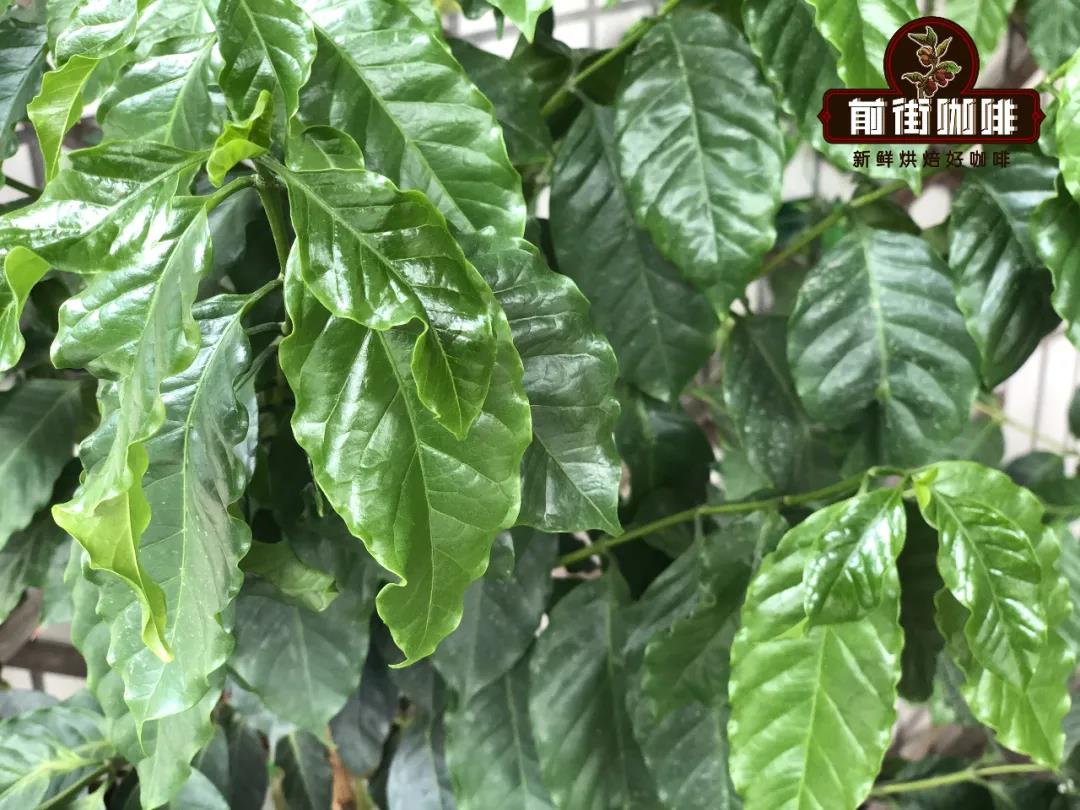
Catimor is a hybrid of Arabica and Robusta. Robusta has good leaf rust resistance, rich oils, high yield, and is easy to cultivate. After crossing with Arabica Typica, Catimor acquired 25% Robusta genes, which improved its leaf rust resistance while keeping the rich oils and folding in some of Typica's flavor. That is why most Yunnan estates began planting Catimor on a large scale, while Typica's cultivation range began to shrink.
Red Cherry Sun-Dried Processing
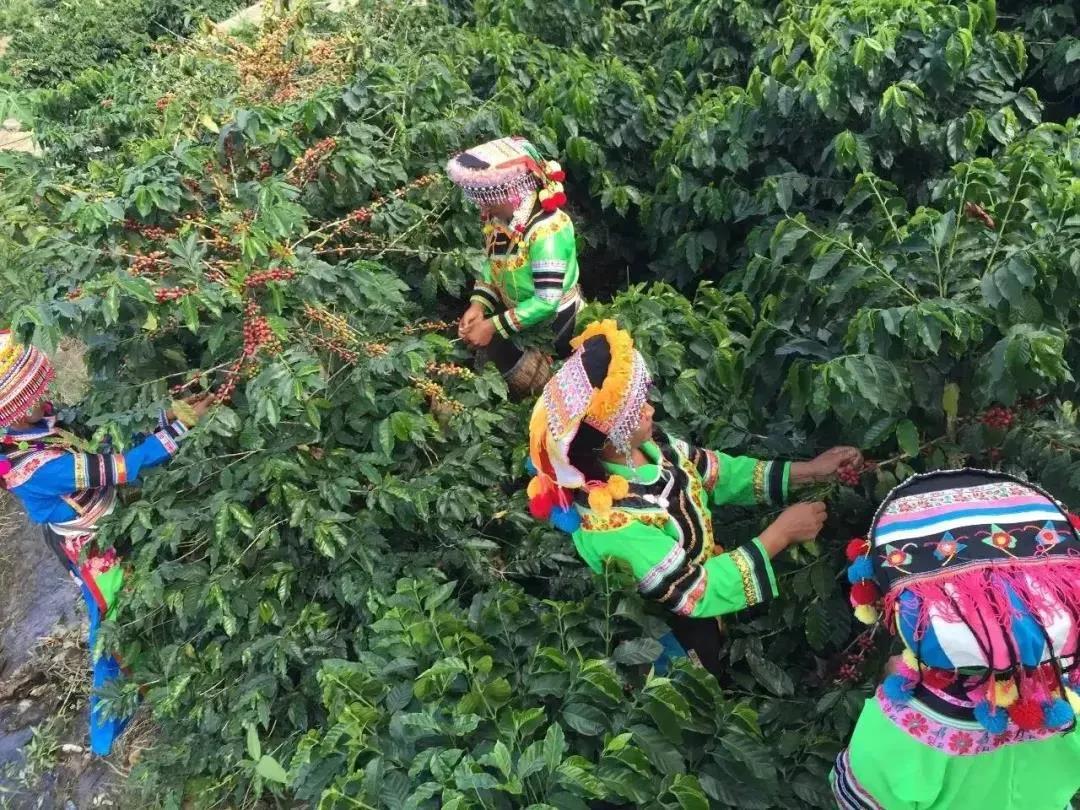
Red cherries are fully ripe coffee fruits. During harvest, farmers pick only the ripe red fruit, placing them into baskets one by one. The harvested fruit is uniform in size, similar in ripeness, and free of other impurities. During processing, defective beans and immature or overripe fruits are first removed by hand. The red cherries are then spread evenly on raised wooden frames or full trellises for sun-drying, which avoids the risk of the beans picking up foreign odors from the ground.
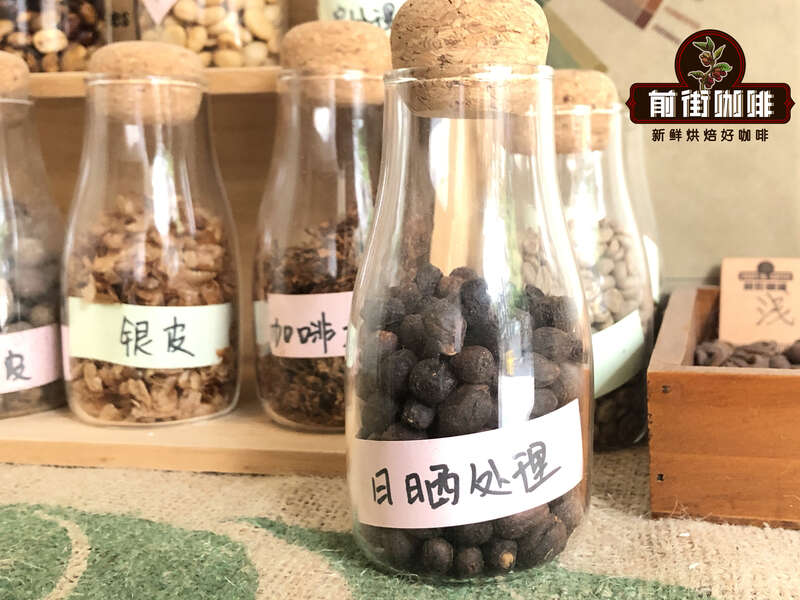
During sun-drying, the fruit is turned constantly to ensure even drying and uniform moisture loss; every three to five days the farmers manually remove defective and moldy beans. Once the fruit skin has dried hard, a hulling machine removes it. After the green beans are obtained, one final screening is done in pursuit of perfect flavor. FrontStreet Coffee believes sun-drying naturally enhances the sweetness of the beans: by harvesting and selecting fully ripe fruit, the sugar content in the pulp is higher, so red cherry sun-dried coffee is sweeter than coffee processed by ordinary sun-drying, and the taste is fuller and more substantial.
FrontStreet Coffee Roasting Recommendations
Roasting Machine: Yangjia 800N (300g batch size)
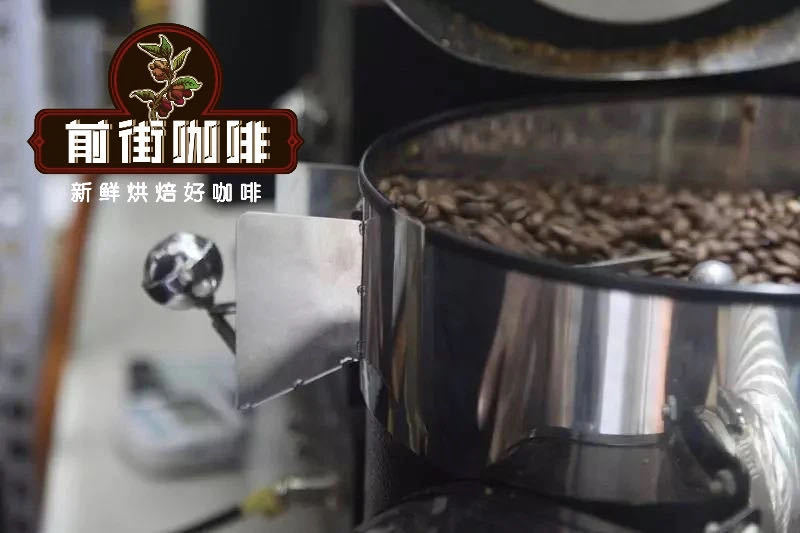
Preheat the roaster to 165°C, set heat to 130 and the air damper to 3; the return temperature comes at 1'32", when the roaster temperature reaches 128°C, open the air damper to 4 while keeping the heat unchanged; when the temperature reaches 153°C the bean surface turns yellow, the grassy smell disappears completely, and dehydration begins. When the temperature reaches 157°C, adjust the heat to 100 and leave the damper unchanged; at 9'00" ugly wrinkles and black spots appear on the bean surface, and the toast aroma clearly shifts to coffee aroma, which can be taken as the prelude to first crack. Listen carefully for first crack, which begins at 10'06". Open the air damper fully, develop for 3 minutes after first crack, and discharge at 198.5°C.
FrontStreet Coffee Cupping Report
FrontStreet Coffee cups within 8-24 hours after roasting the sample. Baristas typically use 200ml ceramic cups. The cupping water temperature is 94°C. Grind size is controlled to 70%-75% pass-through on a #20 standard sieve (0.85mm). Ratio: 11g of grounds to 200ml of hot water, or 1:18.18, so the extracted concentration falls within the golden cup range of 1.15%-1.35%, with a 4-minute steep. The entry shows red berry acidity, nutty and herbal plant aromas, a smooth entry, nuts and chocolate in the mid-palate, a caramel-sweet finish, medium body, and a full mouthfeel.
FrontStreet Coffee Brewing Experience
Dripper: V60
Dose: 15g
Water Temperature: 90°C
Grind Size: 80% pass-through on the #20 standard sieve
Water-to-Coffee Ratio: 1:15
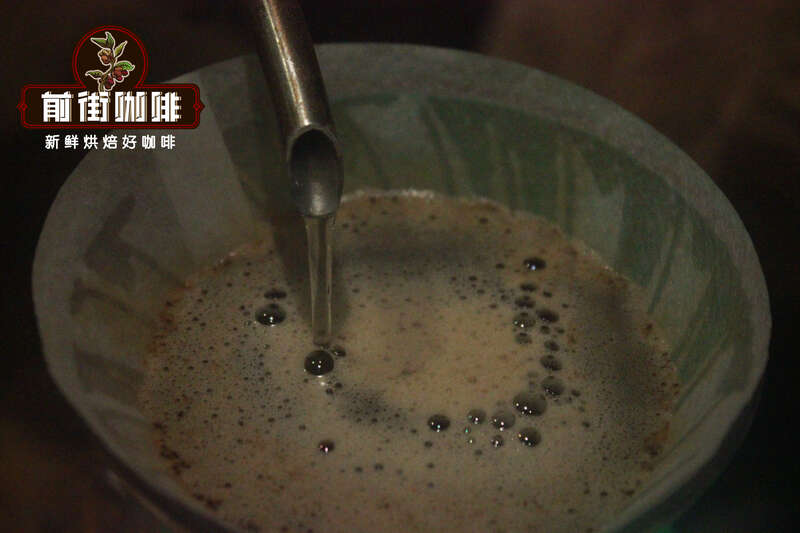
FrontStreet Brewing Method: 30g of water for the bloom, with a 30-second bloom time. The first pour goes to 125g and stops, using a vertical stream and a slow, small circular motion; the second pour goes to 225g, with the stream and circling slightly faster to prevent fine particles from clogging the filter and causing over-extraction. Timing starts from the bloom; extraction time is 2 minutes.
Brewing Flavor: The entry reveals red berry juice, nuts, cocoa, and licorice aroma, with caramel-like sweetness in the aftertaste, a full body, and a substantial, smooth texture.
For more specialty coffee beans, please add FrontStreet Coffee's private WeChat account: kaixinguoguo0925
FrontStreet Coffee Recommendation
To taste Yunnan without the fruity overlay of a sun-dried lot, start with FrontStreet Coffee's Yunnan small-bean coffee from Baoshan. It is washed and medium roasted, which highlights a gentle caramel note while keeping some acidity, so the region's own character comes through as soft nut, chocolate, and a light plum-like tartness at a friendly price. It is the coffee many drinkers meet first when they begin exploring China's Yunnan.
If you want a clearer, more layered Yunnan cup, step up to the 2013 Yunnan sun-dried Typica. Typica is one of the oldest and purest Arabica varieties, and the farm's sun-dried processing gives it a heavier body, stronger sweet-and-tart balance, and notes of citrus, berries, a touch of fermented wine, caramel sweetness, and a creamy finish. For a Yunnan-flavored espresso instead, FrontStreet Coffee's Black Cocoa Blend pairs Yunnan small-bean with Brazil Cerrado: Brazil supplies the mixed-nut aroma and balanced body, Yunnan supplies chocolate and citrus, and the result is a balanced Americano with nut and brown-sugar sweetness, or a latte with almond and cream smoothness.
Important Notice :
FrontStreet Coffee is a long-established specialty coffee roaster in Guangzhou China, selling freshly roasted beans from its own farm in Yunnan as well as dozens of carefully selected single-origin beans from around the world for both pour-over and espresso. The products deliver consistently excellent quality and great value, with shipping within 24 hours. Guangzhou's FrontStreet Coffee shop is recommended by many coffee lovers, and the beans are now available online at the Tmall 。
FrontStreet Coffee has moved to a new address:
FrontStreet Coffee Address: 315,Donghua East Road,GuangZhou
Tel:020 38364473
 Scan and follow the En Gafei WeChat official account. Please indicate that the reprint comes from "En Gafei".