What are the Taste and Flavor Differences Between Robusta and Arabica Coffee Beans? What are the Characteristics of Robusta Coffee Beans and Are They Good to Drink?
There are three main coffee varieties: Arabica, Robusta, and Liberica. The most common by far are Arabica and Robusta, and Arabica alone accounts for 70%-80% of production.
Robusta differs from Arabica. Because Arabica carries elegant flavors, its beans are widely loved. Robusta, by contrast, has less elegant flavors and a stronger bitterness, so its beans are mostly used for making instant coffee.
Robusta production makes up about 20%-30% of the world's total coffee output. Yet coffee farmers do not lavish the same care on Robusta as they do on Arabica in growing and processing. For the same reason, many specialty coffee enthusiasts, put off by Robusta's poor flavor reputation, pay it no attention at all.
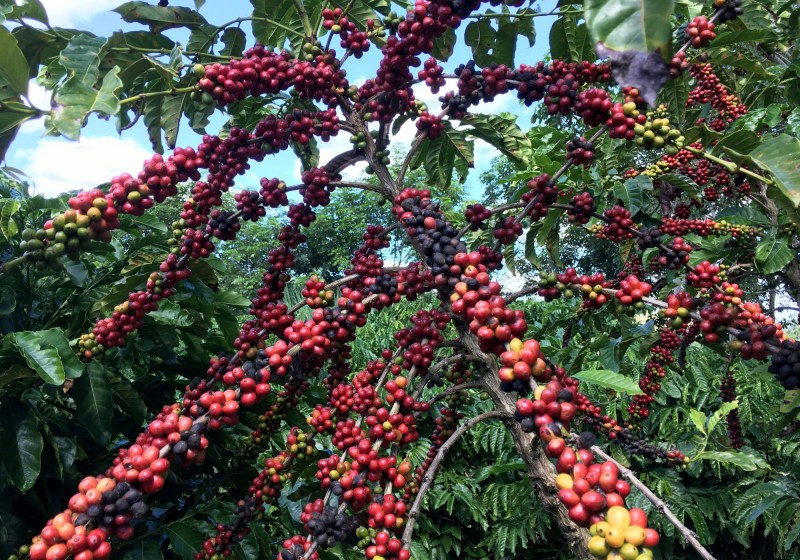
Robusta coffee beans originated in the Congo region of West Africa and belong to the Canephora species, also known as the Congo species.
Like Arabica, Robusta grows within the coffee belt between the Tropic of Cancer and the Tropic of Capricorn. Its growing conditions, however, are far less demanding than Arabica's. Robusta tolerates low-altitude, high-temperature areas, grows faster than Arabica, withstands extreme weather well, resists some coffee pests and diseases, yields heavily, and never asks too much of the farmer.
Appearance
Robusta coffee beans have one bean per fruit. They are relatively round and C-shaped, with an I-shaped center line, and the raw beans are yellowish-brown.
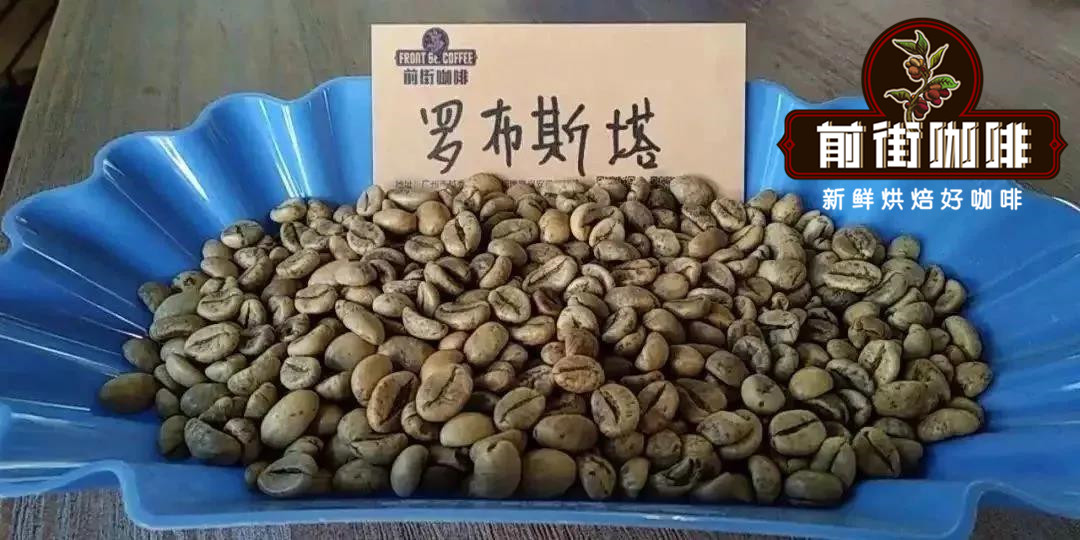
Arabica coffee beans typically have two beans per fruit. They are long-oval and flatter than Robusta, with an S-shaped or C-shaped center line.
Flavor
Robusta typically shows earthy notes (some call it a burnt-rubber flavor), with stronger bitterness and lower acidity. It has a higher caffeine content, around 1.6% to 2.4%, and less fat and sugar, which makes it taste more bitter and intense. Those who like the aroma love it; those who don't say it smells like rubber.
Arabica, meanwhile, has more complex flavors, far milder bitterness than Robusta, stronger acidity, and a silkier mouthfeel. Its flavor shifts with the growing environment, too: Indonesian beans tend toward herbal spice notes, while African beans are known for bright acidity.
Composition
Compared with Arabica, Robusta beans contain higher levels of caffeine, amino acids, and chlorogenic acid. Robusta's chlorogenic acid content is about 7% to 10%, which makes the plant less susceptible to pests and climate stress. Robusta beans also carry 60% more oil than Arabica beans. Chlorogenic acid readily produces astringency, so the lower chlorogenic acid in Arabica is good for quality development. Since many aromatic volatile compounds attach to oils and are released during brewing, oils help explain the flavor-quality differences between Arabica and Robusta, especially in espresso.
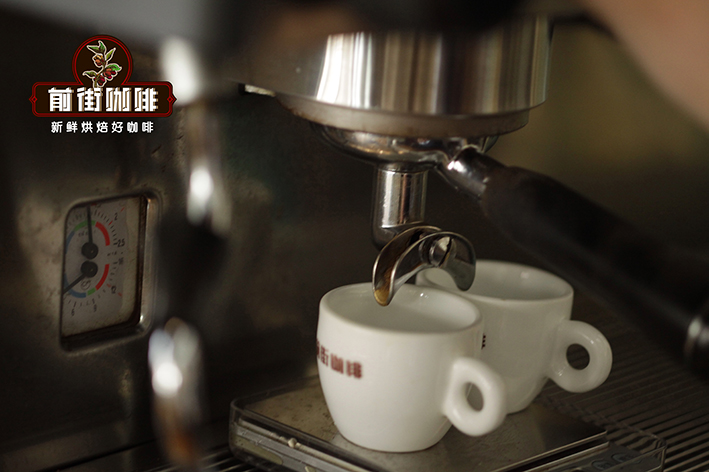
Given how many negative flavor reviews Robusta receives, why do we still find Robusta beans outside of instant coffee?
Robusta is cheaper than Arabica, so it is commonly blended into instant coffee to cut production costs. In blended beans, though, cost reduction is not the main reason it appears. Robusta shows up in espresso blends mainly to increase the body of the extract and to obtain a rich crema. In espresso blends, Robusta beans typically account for 5%-15%, and sometimes more than 25%.
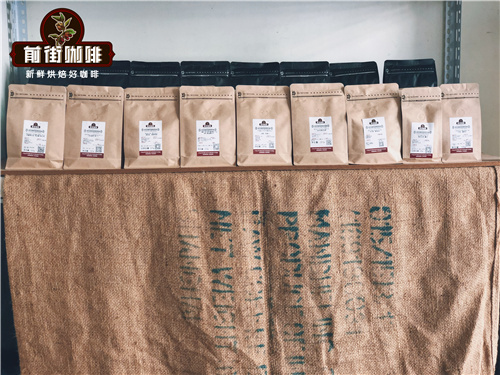
One of the espresso blends on FrontStreet Coffee's bean list contains 10% Robusta.
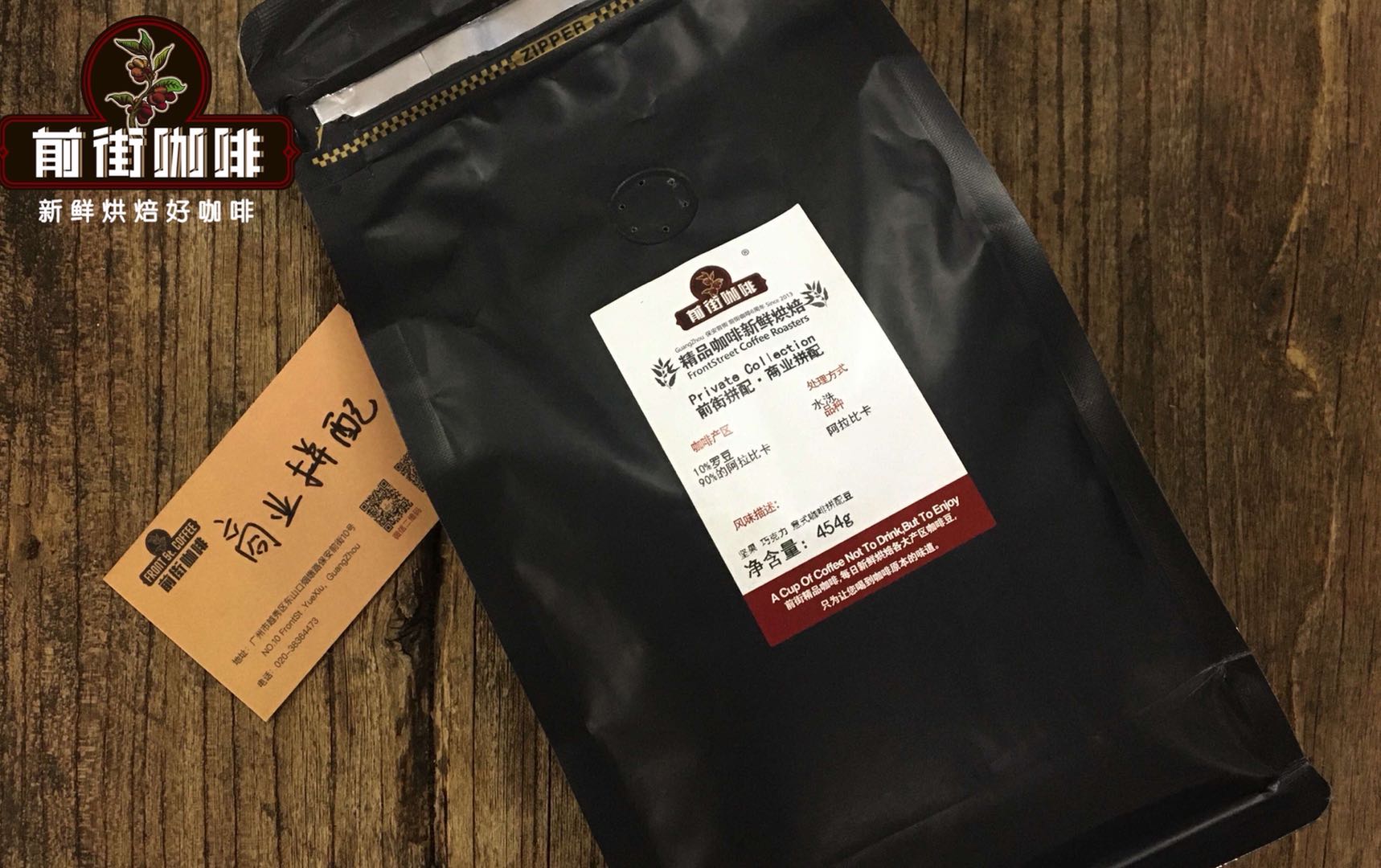
FrontStreet Coffee's Commercial Blend uses 90% Arabica beans (30% Colombian and 60% Brazilian) and 10% Robusta beans, blended raw and then roasted together to a medium-dark level.
In flavor, FrontStreet Coffee's Commercial Blend is far less refined than the Sunflower Warm Sunshine blend, but it still makes a good-tasting coffee. Pulled as espresso, the Robusta gives it a richer crema and a more classic flavor, with caramel sweetness, nutty and cocoa-like notes, dark chocolate, a balance of sweet and sour, a slight bitterness, and a persistent aftertaste.
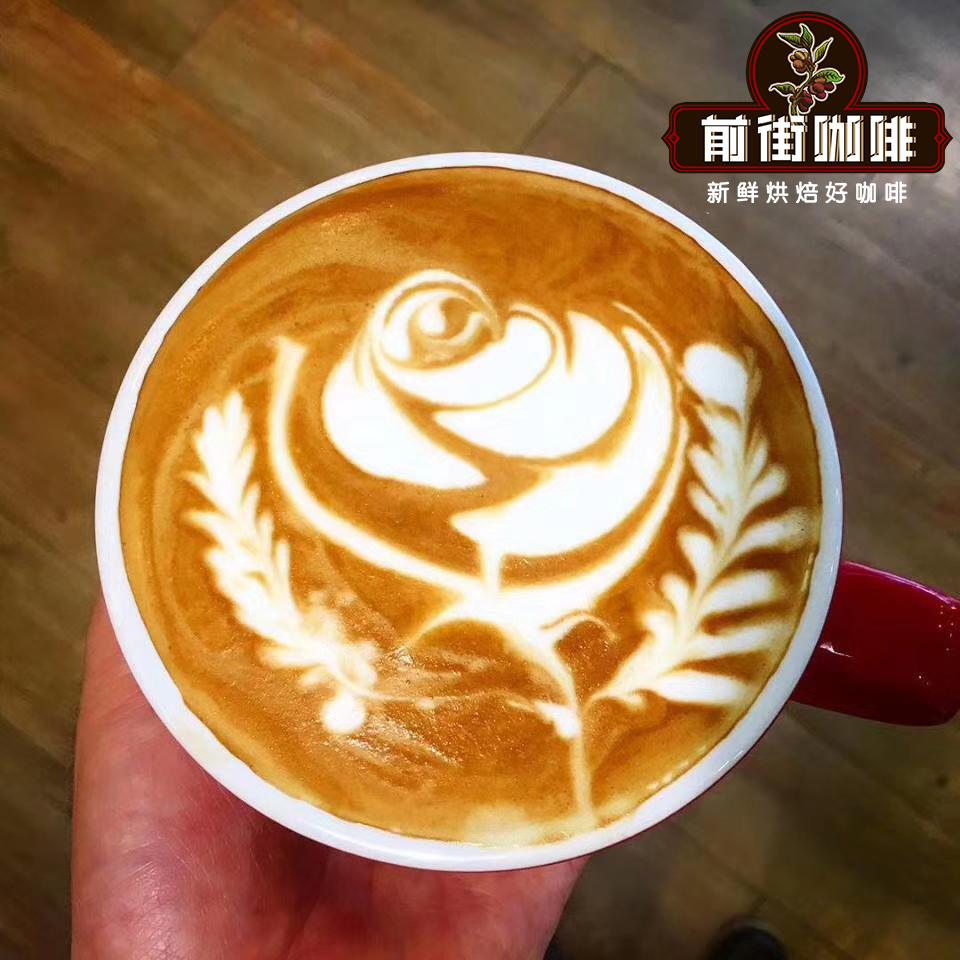
FrontStreet Coffee's Sunflower Warm Sunshine blend, on the other hand, uses 70% Honduras Sherry and 30% Yirgacheffe Natural Red Cherry. After FrontStreet Coffee's careful blending, it extracts a coarse espresso with obvious fruit acidity, a light berry aroma, and rich whiskey and chocolate flavors.
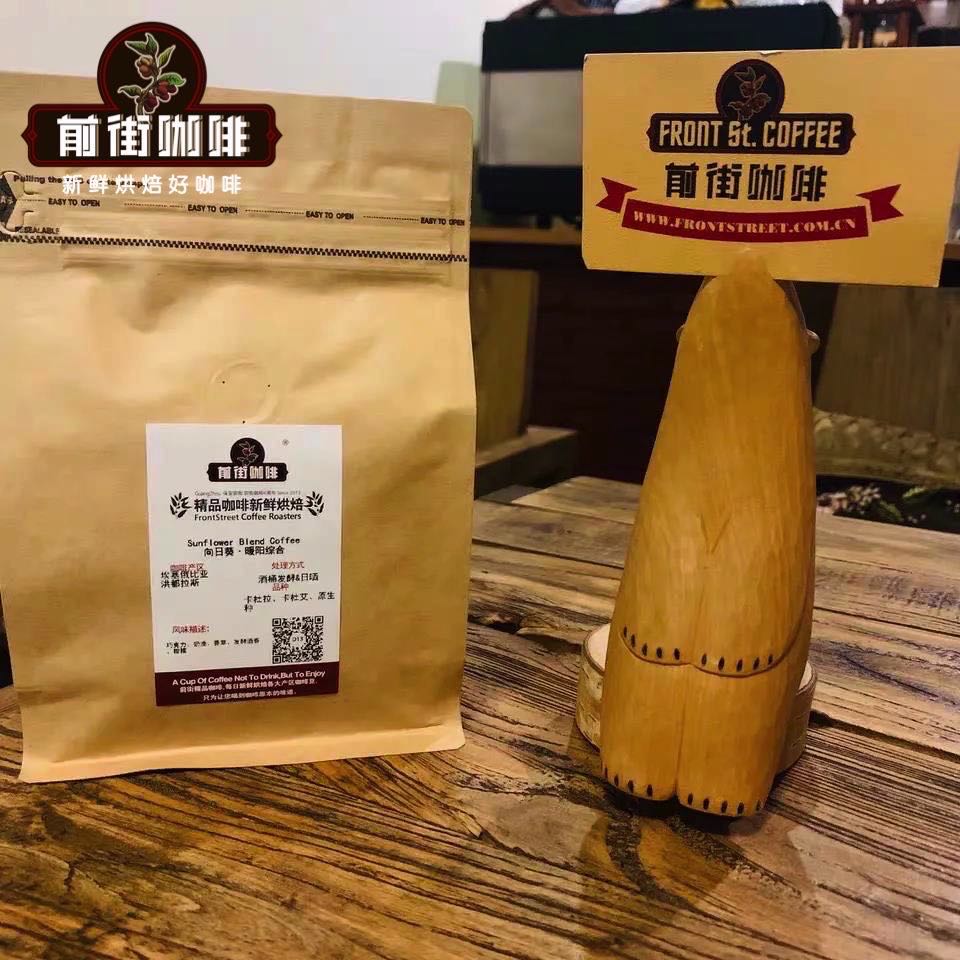
FrontStreet Coffee Sunflower Warm Sunshine Blend
Region: Honduras & Ethiopia
Varieties: Native, Caturra, Catuai
Processing: Washed & Natural
Because FrontStreet Coffee's Sunflower Warm Sunshine blend contains no Robusta, its bitterness is not as pronounced as FrontStreet Coffee's Commercial Blend's.
Robusta vs. Arabica: Which is better?
Many specialty coffee enthusiasts, after some time in the scene, come to believe that Arabica is superior to Robusta. That is not really the case. Some high-quality Robusta beans can cost far more than certain Arabica beans, and they are not inferior in flavor.
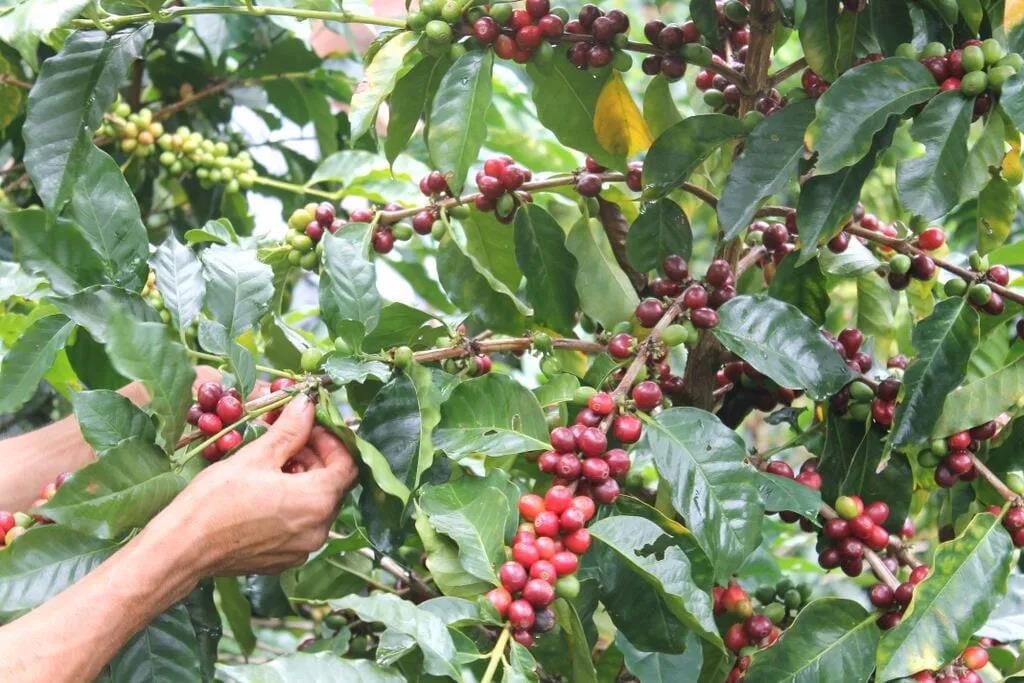
Take specialty Robusta. India's "Kaapi Royal" Robusta has changed people's perception of the bean to some extent; anyone who tastes it is surprised by how clean the flavor is. Though Robusta naturally lacks the elegant aromatic qualities of Arabica, it offers a thicker, more stable mouthfeel and strong walnut, peanut, hazelnut, and wheat flavors that recall peanut butter and hazelnut jam.
Hybrid coffee variety of Robusta and Arabica: Catimor
In 1959, the Portuguese transplanted Brazilian Caturra to East Timor, where it was hybridized with the local Timor variety carrying Robusta genes, producing the Catimor coffee variety. Later, as coffee leaf rust spread worldwide, international organizations helped promote Catimor heavily for its strong resistance to the disease.
Catimor carries genes from both Arabica and Robusta and combines some of the best qualities of each. It resists leaf rust strongly, yields heavily, and, in flavor, brings some of the rich mouthfeel of Typica native varieties along with a generous crema. FrontStreet Coffee's Yunnan Small Bean Red Cherry is a case in point.
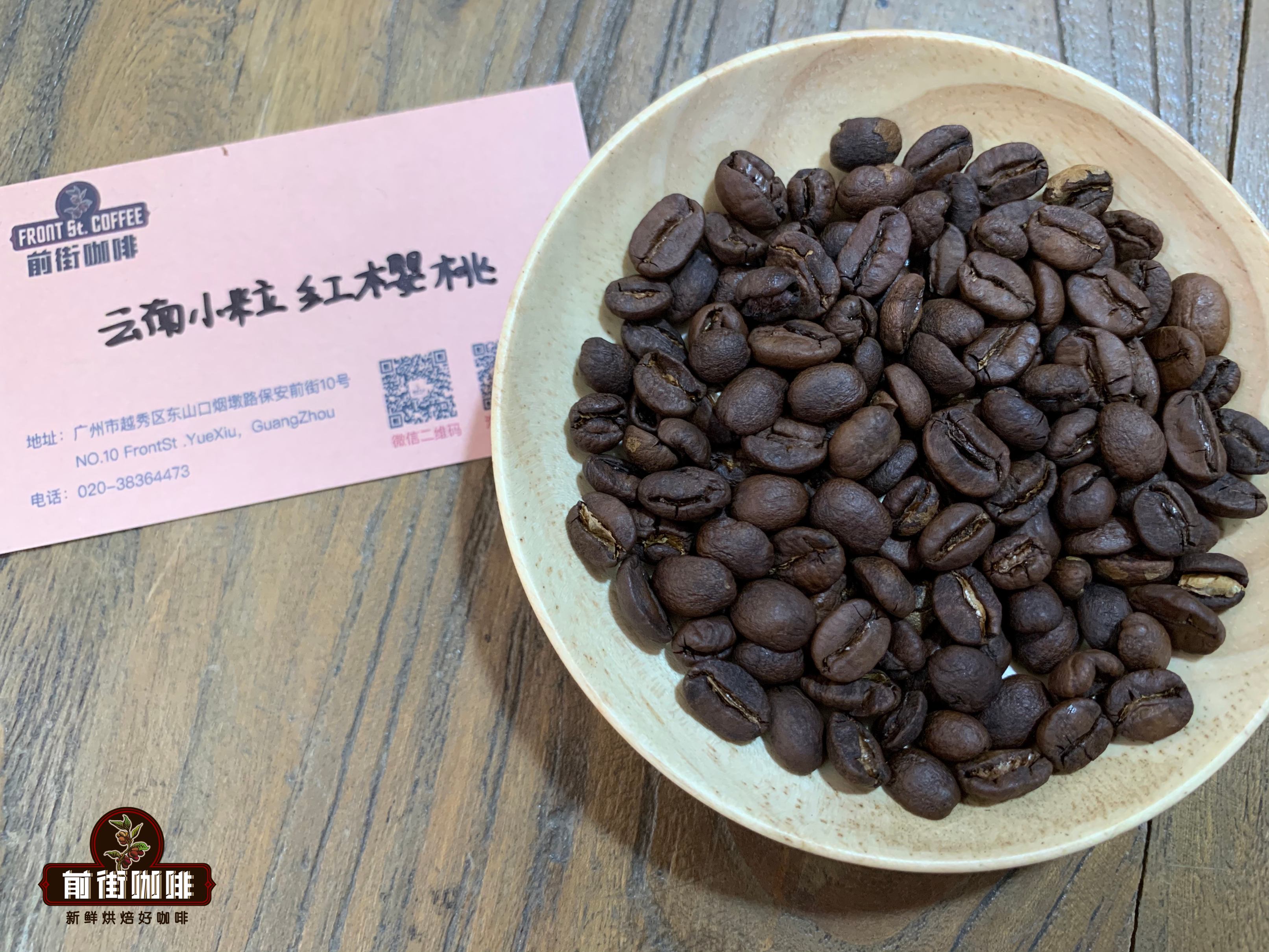
FrontStreet Coffee Yunnan Small Bean Red Cherry
Region: Baoshan, Yunnan, China
Altitude: 1450m-1550m
Variety: Catimor
Processing: Red Cherry Natural
FrontStreet Coffee Brewing Suggestions
FrontStreet Coffee suggests these brewing parameters: a Kono dripper, 88°C water, a 15g dose, a 1:15 coffee-to-water ratio, and a grind size of EK43s #11 (a 70-75% pass-through rate on the China standard #20 sieve).
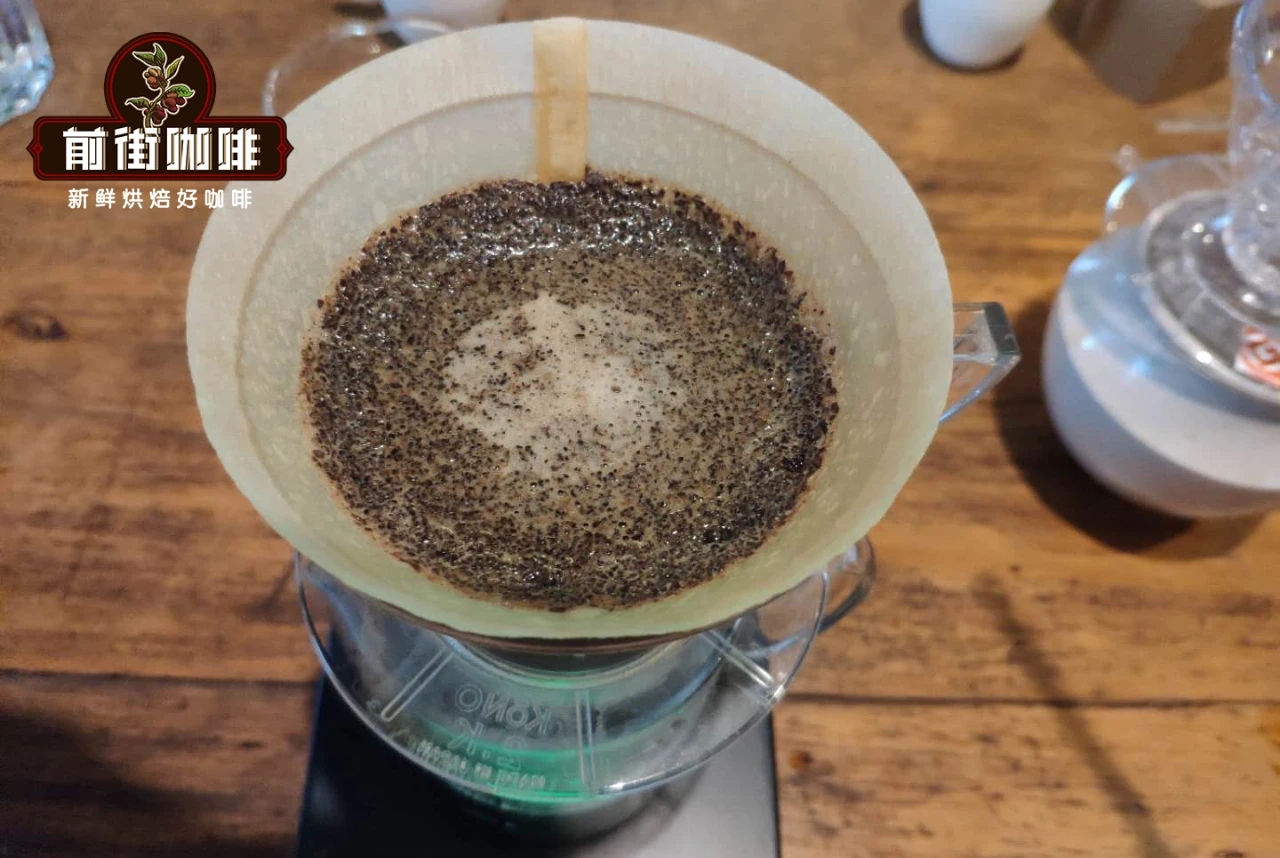
FrontStreet Coffee uses a segmented pour. Bloom with 30g of water for 30 seconds, then pour in a small circular motion up to 125g before the first segment ends. When the water level drops and is about to expose the coffee bed, continue pouring to 225g and stop. When the level drops again and the bed is nearly exposed, remove the dripper. Timing starts from the bloom, and the total extraction time is 2'00".
Flavor Description
The entry shows the soft acidity of red berries, with obvious nutty and chocolate notes, a hint of spice, and a caramel-like sweetness in the aftertaste.
FrontStreet Coffee Recommendation
If reading this has you leaning toward the Arabica side, FrontStreet's lineup shows just how varied the species can be. FrontStreet Huakui, an heirloom variety from Ethiopia processed naturally, is a benchmark for ripe tropical fruit, pouring with cream strawberry, mango, jackfruit, citrus, and blueberry notes, the same lush berry character that won first place at that year's TOH green-bean competition. For the washed side of Ethiopia, FrontStreet Yirgacheffe Gudingding delivers an elegant G1 cup of white florals, citrus, orange, and green tea.
At the opposite extreme sits FrontStreet Panama Red Label Geisha, grown at the famed Emerald Estate in the Boquete area of Chiriqui Province, where volcanic soil, old forest, and year-round mist produce a cup of jasmine florals, citrus, peach, and creamy-smooth acidity that finishes with oolong-like sweetness. And for something unmistakably classic, FrontStreet Jamaica Blue Mountain No. 1 is a Typica that balances acidity, sweetness, bitterness, and aroma as few coffees can. Whichever direction you choose, Arabica's range is exactly what makes the category worth exploring.
Important Notice :
FrontStreet Coffee is a long-established specialty coffee roaster in Guangzhou China, selling freshly roasted beans from its own farm in Yunnan as well as dozens of carefully selected single-origin beans from around the world for both pour-over and espresso. The products deliver consistently excellent quality and great value, with shipping within 24 hours. Guangzhou's FrontStreet Coffee shop is recommended by many coffee lovers, and the beans are now available online at the Tmall 。
FrontStreet Coffee has moved to a new address:
FrontStreet Coffee Address: 315,Donghua East Road,GuangZhou
Tel:020 38364473
 Scan and follow the En Gafei WeChat official account. Please indicate that the reprint comes from "En Gafei".