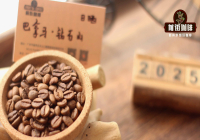
What are the specific flavor characteristics of Honduras coffee?
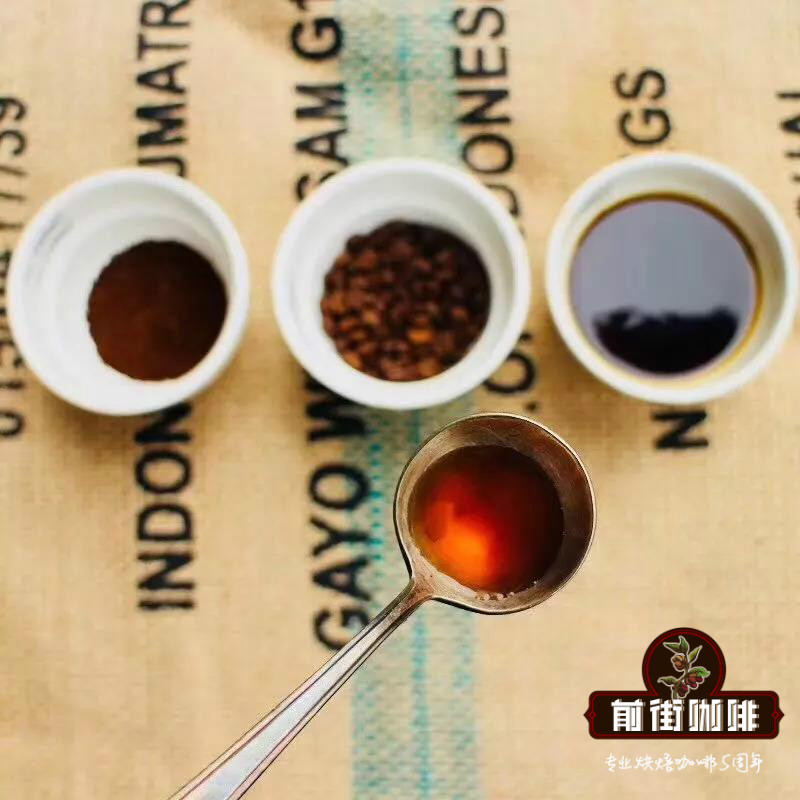
Honduras Sweet Orange Estate
Honduras is located in central Central America, bordered by the Caribbean Sea to the north, the Pacific Ocean to the south, Guatemala to the west, El Salvador to the southwest, and Nicaragua to the southeast. With an area of 112,492 square kilometers and a coastline of approximately 1,033 kilometers, the entire territory consists of mountains except for the coastal plains. The northwestern part reaches an altitude of 3,000 meters, while the southern part also exceeds 2,400 meters. The country's main rivers include the Coco, Patuca, and Ulua; rivers originating in the inland mountains crisscross the land and flow into both oceans. Between the mountain ranges, many basins and valleys have formed - the larger basins include the Siria and Repaguanle basins, and the main valleys include the Comayagua and Hamastlan valleys.
The country can be divided into four natural geographic regions: the eastern lowlands, the northern coastal alluvial plains, the central highlands, and the Pacific coastal lowlands. Coastal islands are scattered throughout, with the main ones being the Bay Islands and the Tigre Islands in the Gulf of Fonseca. Honduras has complex terrain and diverse climates: the coastal plains have a tropical rainforest climate with an average annual temperature of 31 degrees C, while the mountainous regions have a subtropical forest climate with an average annual temperature of 23 degrees C and a rainy season from June to November.
For coffee production, Honduras's geographical conditions are no less favorable than those of neighboring producers such as Guatemala and Nicaragua. Honduras has 280,000 hectares of coffee plantations, mainly small farms - most smaller than 3.5 hectares - and these plantations account for sixty percent of the country's total coffee production. Because the growing areas are in mountainous regions, the cherries are hand-picked and then carefully processed to produce higher-quality beans. Honduras harvests three million bags of coffee annually, supplying abundant, high-quality coffee to the market, and has become one of the world's top ten coffee-exporting countries.
Catuai Coffee Variety
Catuai is very popular among farmers due to its high yield. Similar to Caturra, it has short plants and suits intensive cultivation. It has relatively good resistance to natural disasters, especially wind and rain. It inherits Caturra's low plant height while overcoming the shortcomings of Mundo Novo. Another advantage is its solid fruit set, which is not easily shed in strong winds, compensating for the delicate nature of Arabica cherries. After its official release in the 1970s, it was promoted across Central America and widely cultivated in Guatemala, Honduras, and Panama, as well as its country of origin, Brazil. Considering flavor alone, under the right terroir and processing, Catuai can show quite wonderful flavor characteristics.
Honduras El Naranjo Coffee Information
Country: Honduras
Region: Marcala
Altitude: 1,425 meters
Variety: Catuai
Processing: Washed
Flavor: This washed-processed bean has dry aromas of spices and roasted peanuts, giving it an elegant acidity. It offers soft citrus acidity with flavors of orange, melon, cream, nuts, and dark chocolate, plus a Sunkist-like sweetness in the finish.
FrontStreet Coffee's Recommended Brewing Method
Recommended Brewing Method: Pour-over
Dripper: V60
Grind Size: 3.5 (Japan Fuji R440)
Water Temperature: 89±1 degrees C
Brewing Process:
• 30g water for bloom, bloom time 30s
• Segmented: pour water to 120g, pause, then slowly pour to 225g
• That is 30-120-225g
The goal is for all the grounds layered in the dripper to be evenly soaked with hot water (rather than repeatedly extracting only a small portion of the bed), avoiding sour and astringent flavors caused by uneven extraction and achieving a full, balanced, mellow, sweet, and rich cup. The water column should have penetrating power, shaped wide at the top and narrow at the bottom - the stream from the spout should start wide and end in a sharp point.
Other Drip Brewing Recommendations:
• French press: recommended grind size 3.5-4, water temperature 86-88 degrees C
• Aeropress: recommended grind size 2.5, water temperature 86-88 degrees C
The dry aroma carries notes of spices, roasted peanuts, and chocolate. The wet aroma has a hint of herbal fragrance. Upon entry, you can clearly perceive orange peel, nuts, and cream, somewhat reminiscent of a cup of lemon tea.

FrontStreet Coffee Recommendation
If El Naranjo's sweet, orange-toned cup appeals to you, FrontStreet Coffee has several other high-sweetness coffees worth trying. The FrontStreet Costa Rica Black Honey comes from a country famous for honey processing: the cherries are depulped but the sugar-rich mucilage is left intact for sun drying, and with black honey retaining the most mucilage and the deepest fermentation, the sweetness is the highest of all honey styles. Best at a medium-light roast, it shows sweet florals, grape, sweet orange, and liqueur chocolate.
For naturally sweet espresso-style drinking, the FrontStreet Brazil Queen Estate is roasted medium and delivers roasted-peanut and dark chocolate aromas followed by a lingering sweetness and smooth crema - wonderful in Americanos and lattes. The Linea Estate Sidra, meanwhile, offers grape, apricot, passion fruit, and fruit-candy sweetness with a winey finish at a medium-light roast, making a refreshingly grape-juice-like iced Americano - ideal for anyone who loves intense fruit character but not bitterness.
Important Notice :
FrontStreet Coffee is a long-established specialty coffee roaster in Guangzhou China, selling freshly roasted beans from its own farm in Yunnan as well as dozens of carefully selected single-origin beans from around the world for both pour-over and espresso. The products deliver consistently excellent quality and great value, with shipping within 24 hours. Guangzhou's FrontStreet Coffee shop is recommended by many coffee lovers, and the beans are now available online at the Tmall 。
FrontStreet Coffee has moved to a new address:
FrontStreet Coffee Address: 315,Donghua East Road,GuangZhou
Tel:020 38364473
 Scan and follow the En Gafei WeChat official account. Please indicate that the reprint comes from "En Gafei".