Characteristics of Light Roast Geisha Coffee: What Roast Level Makes Geisha Coffee Beans Taste Best

An Introduction to Geisha Coffee
With its delicate floral acidity and fruit notes, Geisha has shaken up coffee judging and steered the course of specialty coffee for nearly 18 years since it rose to fame. The variety takes its English name, Geisha, from a transliteration that sounds like Japan's geisha—a name many baristas dislike, feeling the coffee should not be tied to that image. More and more people therefore prefer the alternative spelling "Gesha," which is closer to the variety's origins. Geisha began as a low-yielding variety with modest disease resistance, and high growing and management demands have kept its price high.
Panama Geisha comes from South America yet tastes nothing like other South American beans; it resembles Ethiopian coffee but with a richer, thicker body. If Ethiopian coffee is a cup of floral tea, Panama Geisha is a cup of fruit juice—sweeter and more balanced. Geisha was originally brought from Ethiopia, and Panama's particular microclimate turned it into something unique and unequaled.

Origin and History
Geisha is a variety from the Kaffa forest region of Gesha, Ethiopia. In 1931, a British citizen sent these beans, along with various other native coffee varieties, to Kenya under the name Gesha. In 1936 it reached Uganda and Tanzania, and in 1953 it was brought to Costa Rica and archived under the code T2722. Panama introduced the variety in the 1970s, when Mr. Francisco Serracin of the Pichilla farm brought it over from Costa Rica.
Compared with other varieties, Geisha's most striking trait is its extremely low yield. Morphologically it has long internodes on the branches, wide spacing between nodes, and few flowers and fruits—yet good disease resistance. That is why, when it first arrived in Panama, it was kept for research. Around 2000, the owner of Panama's Hacienda La Esmeralda noticed the variety carried a distinctive fragrance, as captivating as perfume, and separated it for entry in the 2004 BOP (Best of Panama) competition, where it won the championship.
How Geisha Changed Coffee's Flavor Preferences
Before Geisha was recognized worldwide, the coffee everyone chased was rich and mellow. After Geisha, people began to pursue distinct acidity and a fresh mouthfeel. Roasting styles shifted too, from dark roasts toward light roasts that preserve more of the bean's acidity.
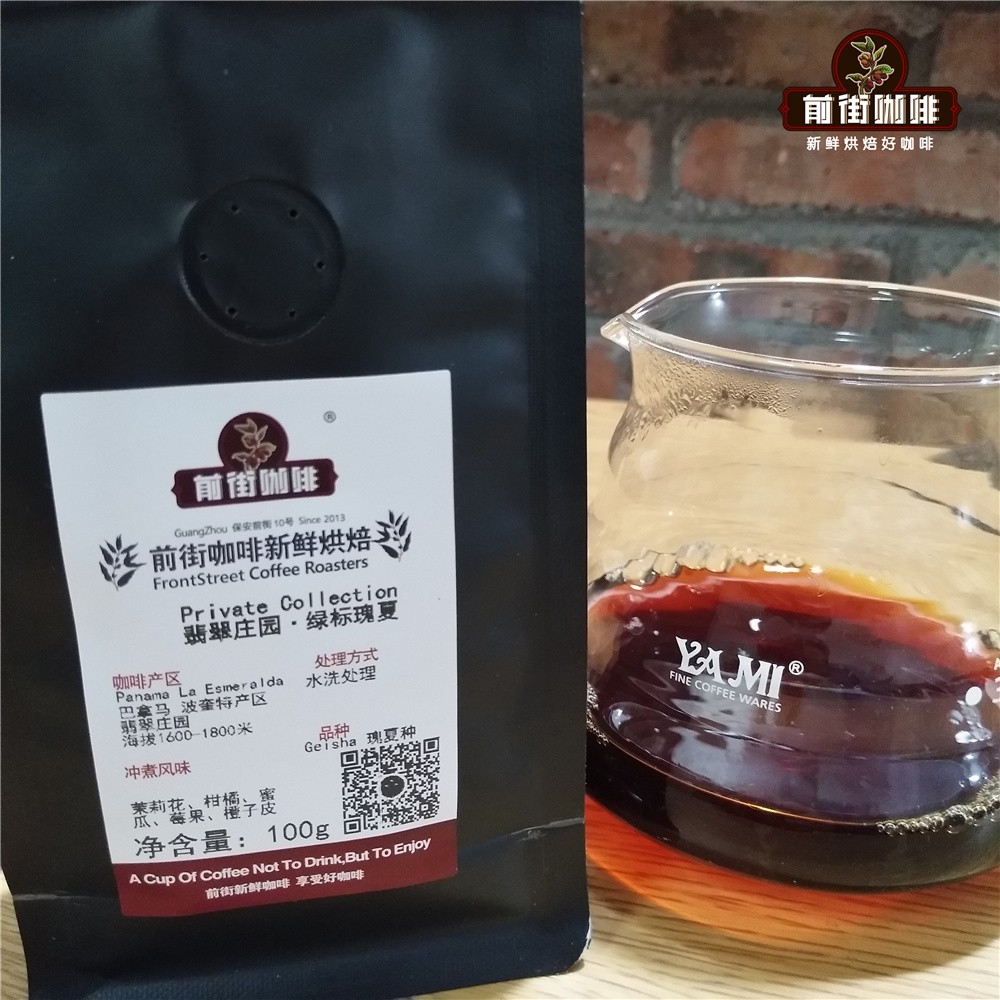
There is a saying in the coffee industry: 60% of a cup's flavor comes from the raw beans, 30% from roasting, and 10% from brewing. Beyond origin character, a bean's flavor has to be drawn out through roasting. When a batch arrives, FrontStreet Coffee's roasters first learn from the packaging where the beans come from, which variety they are, their altitude, their prominent flavors, and other details. They then fine-tune along the roasting curve used for that producing region, and cup the result to select the profile that suits that particular bean—so everyone can taste it at its best.
Lightly roasted beans are more acidic, with more floral notes and lemon-like acidity, as in Ethiopian coffee; medium-light roasts are more balanced, with some nuttiness and soft fruit acidity, as in Costa Rican coffee; dark roasts are more bitter, with nut, peanut, and caramel flavors, as in Brazilian and Mandheling coffee.

Roasting Geisha Coffee
So should Geisha be lightly roasted or medium-dark roasted?
First, Geisha raw beans have a very beautiful blue-green color with a jade-like warmth. They smell of fresh grass, peaches, and berries, and carry the distinctive milky sweetness of oolong tea that most beans lack. Aroma and flavor often call for associative thinking, but that light tea-like fragrance is something anyone can clearly perceive.
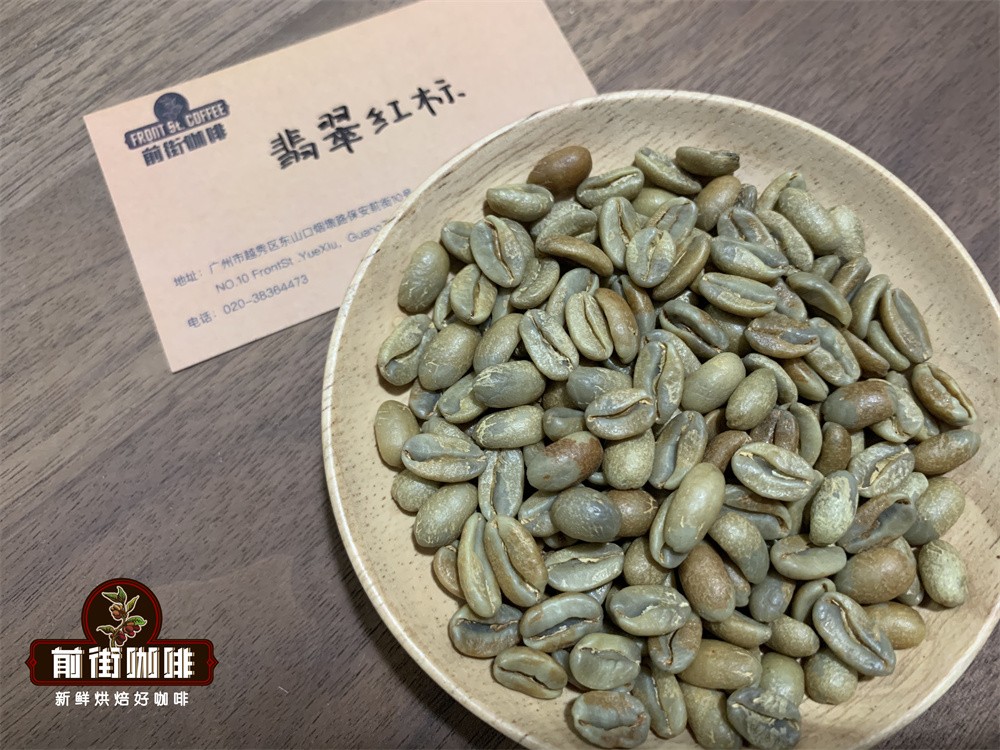
To highlight this bean's character and aroma, the roast level should approach the second crack. Approaching the second crack—and the first pop of the second crack—are the levels commonly used, because they bring out the bean's inherent qualities. Too light a roast can produce off-flavors; too deep a roast can damage the floral aroma and fruit acidity. All of this should, of course, be adjusted to the bean's characteristics and the roaster's understanding of it.
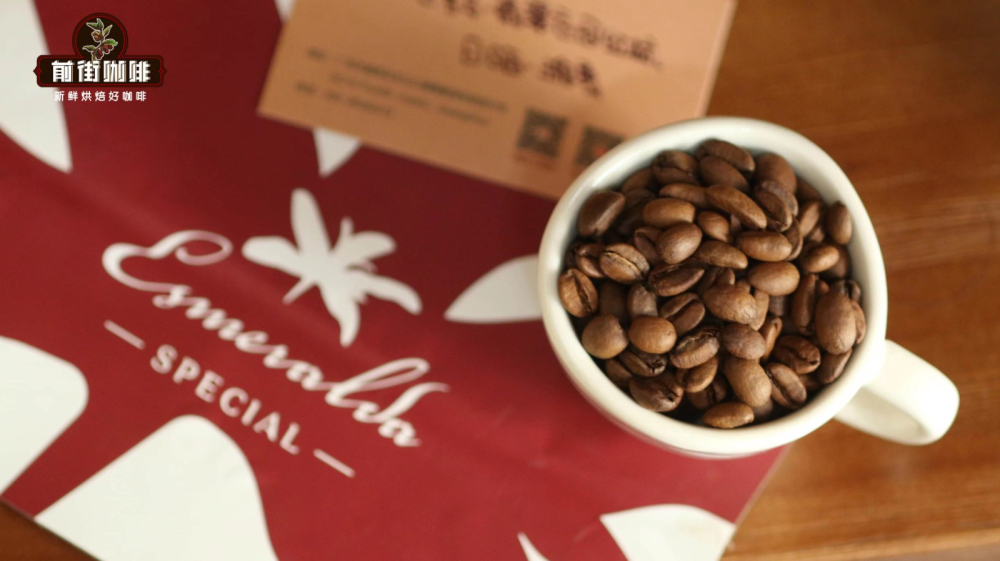
Roasted Geisha beans look somewhat "wrinkled." Those "sexy wrinkles" are meant to highlight the bean's original flavor and fruit acidity. If the raw beans are not of high quality, however, they may yield off-flavors such as rotten, earthy notes, grassy flavors, and astringency—flavors a roaster works to avoid. Well-roasted Geisha has a captivating lemon-citrus aroma and an ultra-sweet honey-cream flavor.
FrontStreet Coffee believes a qualified roaster, like a tea master, can read the raw bean's origin, estate, and variety—and, through sight, touch, and smell, judge how it should be roasted to best present its inherent flavors. Roasters can certainly roast with a distinctive style of their own, just as not all Pu'er tea tastes the same (quite apart from age, people discuss which workshop made it) and not all Wuyi Mountain tea is one flavor either. A roaster can therefore express a personal style through different roasting curves and machine craft.
FrontStreet Coffee's Roasting Approach
So how do you roast a batch of Geisha?
Fully expressing Geisha's personality takes considerable effort. Geisha is generally grown at high altitudes above 1,500 meters. We received beans with a hardness reading of 1,700 and high density, plump and medium-sized, with thick, long bodies that taper at both ends.

To highlight this bean's character and aroma, FrontStreet Coffee uses a light roast—a level that brings out the bean's inherent qualities, where too deep a roast would damage the floral aroma and fruit acidity. Again, this is adjusted to the bean and to the roaster's understanding of it. During roasting, the Geisha curve should not run too long, or the flavor turns dull. After the first crack, the temperature should not climb too much. Geisha beans taper at both ends and are prone to black scorch marks, so a rise of 4 degrees or less is preferable. A light roast brings out more of the tea-rose aroma.
Cupping and Flavor Comparison
We ran cupping comparisons to see how the flavors would differ:
[Curve 1] Bright citrus and lime acidity, with obvious jasmine and chamomile florals, finishing with cream, sugarcane sweetness, and green tea aroma.
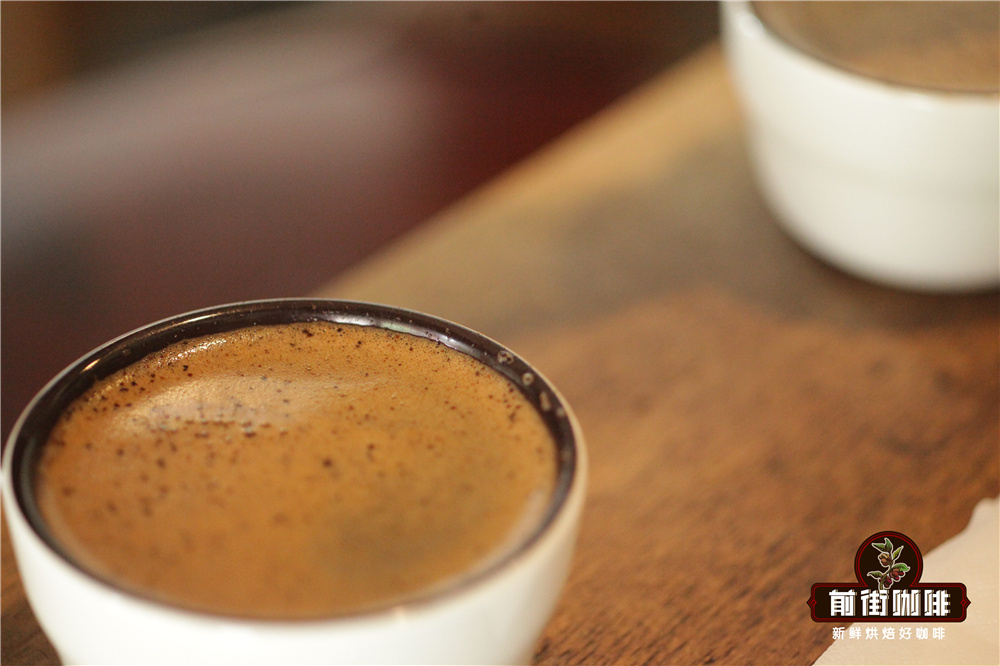
[Curve 2] Obvious sweetness, with caramel, chocolate, bergamot, and sweet orange flavors.
Pour-over comparison:
[Curve 1] Obvious chamomile and jasmine florals, bright fruit acidity, and a sweet-sour lemon, citrus, and bergamot entry. The middle brings honey and maple sweetness, and the finish is a fresh green tea aroma with a lasting sugarcane aftertaste. On the whole, a relatively refreshing cup.
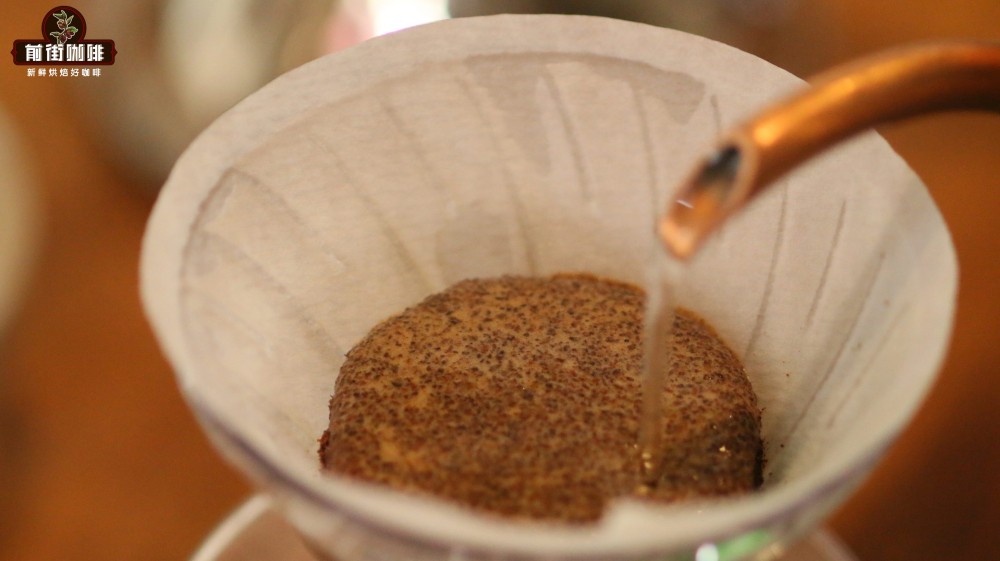
[Curve 2] Obvious caramel and chocolate sweetness at entry, with an oolong tea aroma. As the temperature drops slightly, a light orange and bergamot softness appears in the finish. The overall mouthfeel is rich and smooth.
Conclusion
After comparing the two roast levels, FrontStreet Coffee finds that lightly roasted Geisha has a more obvious aroma and richer layers, with a fresher overall profile, while medium-dark Geisha has a richer mouthfeel, more obvious sweetness, and fruit acidity that tends toward softness. Medium-dark Geisha does not taste bad, but because the variety itself is rich in floral and fruit aromas, roasting it too deeply with a longer development easily loses much of its unique character, making it more balanced and more focused on sweetness. To preserve those floral and fruit aromas, FrontStreet Coffee therefore chooses to shorten development time, retaining more of the aromatics and expressing Geisha's signature flavors.
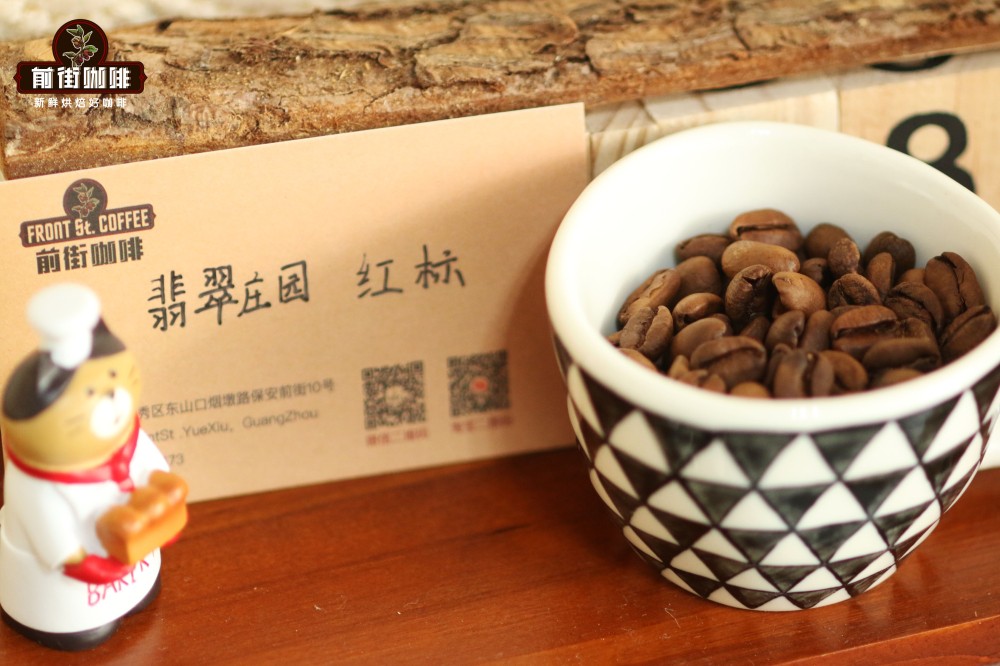
As noted earlier, a bean's flavor can change with the roaster, but FrontStreet Coffee believes it is best to roast within the basic premise of the coffee's origin flavor. For example: could you roast Mandheling to be acidic? Friends familiar with coffee would call that abnormal, because everyone knows Mandheling for its herbal, silky, nutty notes—a flavor everyone describes as bitter. If it suddenly turned acidic, that would definitely not be normal.
Brewing Recommendations
FrontStreet Coffee's brewing parameters:
FrontStreet Coffee frequently brews with KONO and V60 drippers. KONO drippers are typically used for medium-dark roasted beans, better preserving richness; V60 drippers suit light or medium-light roasts, giving a richer mouthfeel. FrontStreet Coffee often reaches for a V60 with Geisha, because its 60-degree angle and spiral ribs let the brewer fully extract the coffee by controlling water flow and pour frequency, while the large drainage hole guards against over-extraction. The V60 body has guide ribs connecting top and bottom and a large central hole that speeds up flow, and the spiral exhaust groove lengthens the water's path, increasing contact time between grounds and hot water. Each stream converges along the grooves toward the filter's center, concentrating pressure on the bed and extracting a coffee with more layers.
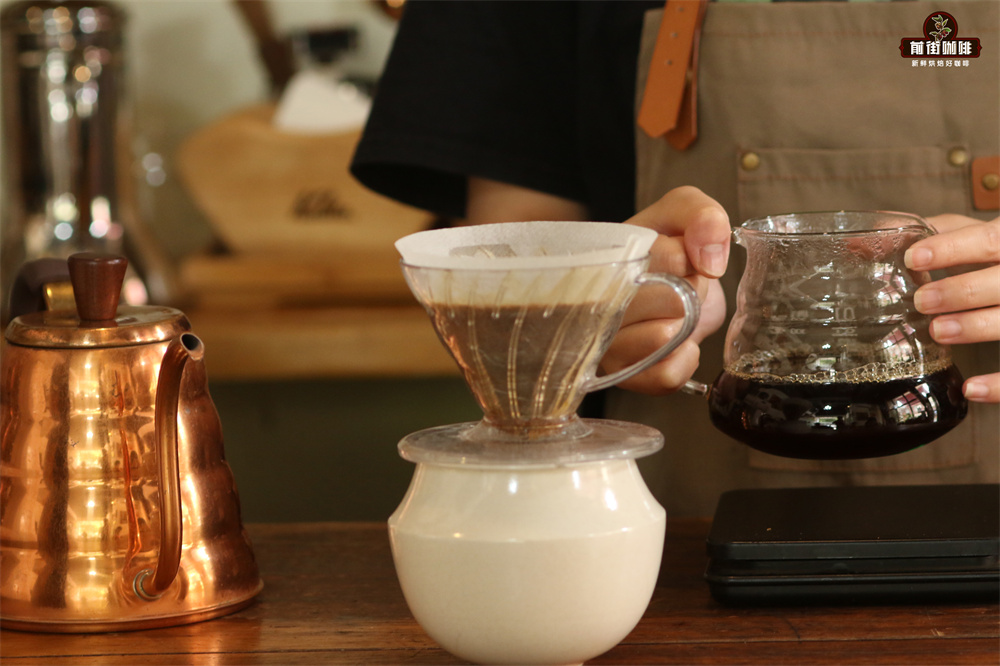
Dripper: V60. Water temperature: 91-92°C. Dose: 15g. Ratio: 1:15. Grind size: fine sugar size (80% through a #20 sieve).
[Panama Washed Boquete Geisha Coffee Flavor Characteristics]: Clear citrus, lemon, and bergamot acidity, with a creamy, smooth mouthfeel and a finish of green tea and honey sweetness.
FrontStreet Coffee's Freshness Philosophy
FrontStreet Coffee's brewing suggestions:
When it comes to brewing, FrontStreet Coffee has always held that the freshness of the beans has a great deal to do with the flavor in the cup. FrontStreet Coffee therefore ships beans roasted within 5 days. Its roasting philosophy is "freshly roasted good coffee," ensuring every customer who orders receives the freshest coffee on arrival. The resting period is about 4-7 days, so by the time the coffee reaches a customer it is at peak flavor.

For friends who need ground coffee, FrontStreet Coffee kindly notes: once beans are pre-ground they no longer need a resting period, because during transport the pressure of carbon dioxide in the package also helps round out the flavor—so you can brew a cup the moment the grounds arrive. Grounds do need to be brewed promptly, though, since they oxidize quickly in air and the flavor dissipates relatively fast, leaving a duller cup. FrontStreet Coffee therefore suggests buying whole beans and grinding fresh for each brew to taste the coffee at its best.
FrontStreet Coffee Recommendation
If you want a Geisha that is both delicious and reasonably priced, it helps to know the range first. FrontStreet Coffee's line begins with the Esmeralda estate in Panama, whose Geisha is divided into Red Label and Green Label. FrontStreet Emerald Red Label, formally "Esmeralda Special," grows at 1,600-1,800 meters; every lot must cup above 90 points and carries its own number, with all the beans in a lot coming from a single small plot—FrontStreet's Red Label, for instance, comes from the Halimiyo plot—so buyers can pick a lot to match a particular flavor preference. FrontStreet Green Label, originally "Private Collection" and nicknamed for its green brand label, does not emphasize detailed plot information the way Red Label does, instead blending lots from several plots to express the estate's signature high-altitude Geisha character; it is essentially a Geisha without a single-plot designation, priced more accessibly, which makes FrontStreet Emerald Green Label very good value.
For a first taste of the much-talked-about Geisha profile, FrontStreet usually points newcomers to FrontStreet Boquete Geisha from Panama—an entry-level Geisha that lets you drink the classic orange-blossom and honey character of high-quality Panamanian Geisha at a friendly price, with its oolong-tea feel, delicate fruit acidity, and clearly defined layers. Ethiopia, coffee's birthplace, is represented by Geisha Village, which keeps a strict grading system. Geisha Village grows three Geisha varieties—Gori Gesha, Geisha 1931, and Illubabor Forest—and grades them as Gold Label RARITIES, Red Label GROWERS RESERVE, Green Label SINGLE-TERROIR, and CHAKA lots, in addition to separating varieties. FrontStreet Geisha Village Gold Label is the Geisha 1931 variety and accounts for 10% of the village's total output; a top-tier coffee beyond the auctions, it is frequently chosen by competition baristas, and FrontStreet's Gold Label lot is processed as a refined natural, offering complex, layered flavors that charm from dry aroma through sip, body, and aftertaste.
FrontStreet Geisha Village Red Label is the Gori Gesha variety and accounts for 15% of production; scoring 88 or above on the SCA 100-point scale, it is the estate's single-terroir series, so every lot is fully traceable, down to the farm-block name, variety, and processing date. FrontStreet also offers the rare single-variety FrontStreet Grana Geisha, from the Genlana Gesha farm in Ethiopia's Yirgacheffe area, at the junction of the Kochere and Grana Abaya regions. The Grana processing station was founded in 2014 by Mr. Israel Degefa, and the surrounding coffee-growing area covers as many as 700 hectares, much of it uncultivated, with fertile soil and shade trees throughout. Grown in that fertile, well-shaded environment, this native Ethiopian Geisha shows especially varied layers: fully ripe cherries are picked by hand and dried on raised beds for 14-20 days depending on the weather. Best roasted medium-light, it pours a bright citrus acidity, an elegant ginger-flower aroma, and the full sweetness of ripe fruit, with a delicate, silky mouthfeel and the refined finish that marks the Geisha variety.
Important Notice :
FrontStreet Coffee is a long-established specialty coffee roaster in Guangzhou China, selling freshly roasted beans from its own farm in Yunnan as well as dozens of carefully selected single-origin beans from around the world for both pour-over and espresso. The products deliver consistently excellent quality and great value, with shipping within 24 hours. Guangzhou's FrontStreet Coffee shop is recommended by many coffee lovers, and the beans are now available online at the Tmall 。
FrontStreet Coffee has moved to a new address:
FrontStreet Coffee Address: 315,Donghua East Road,GuangZhou
Tel:020 38364473
 Scan and follow the En Gafei WeChat official account. Please indicate that the reprint comes from "En Gafei".