What Are the Differences in Taste and Flavor Between Arabica and Robusta Coffee Beans? Which Type Do Coffee Experts Typically Drink?
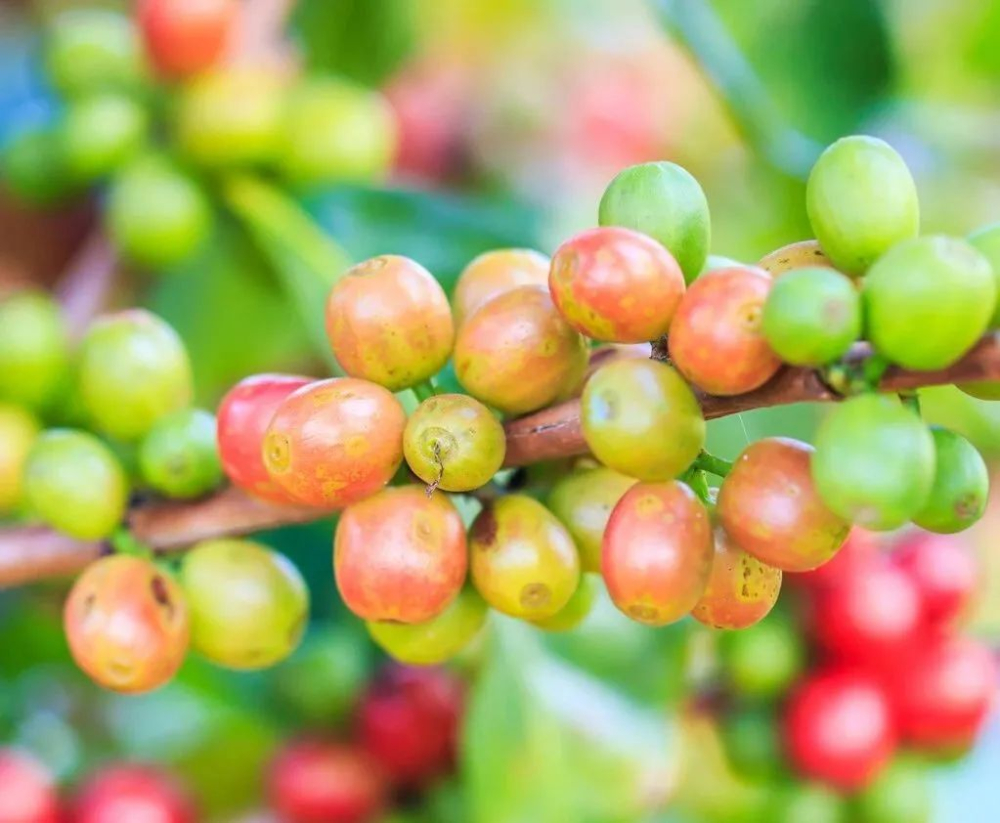
If you are familiar with coffee, you probably know that it divides roughly into two types: Arabica and Robusta. Most of the coffee we encounter in cafes is Arabica. But why is Arabica so favored, and what exactly separates it from Robusta?
Better Flavor of Arabica
As the two most common varieties on the market, Arabica belongs to the small-seeded species and Robusta to the medium-seeded species.
Robusta originated in the Congo in Africa and accounts for 30% of world coffee production. Its name means "tough," and indeed the tree resists pests and disease well, survives in almost any soil, and can even grow wild. It can therefore be cultivated in hot regions, grows quickly, and is easy to farm, which gives it a low price. It has a strong bitter taste and rich extracted oils and is mainly used in blends or as the main raw material for instant coffee.

Arabica is a representative variety originating from Ethiopia and accounts for 70-75% of world coffee production. Arabica cultivation demands very strict conditions and high soil standards, needing frost-free highlands at 800-2,200 meters. The higher the altitude, the more pronounced the temperature difference, which slows cherry maturation and allows better accumulation of flavor compounds and a fuller aroma. The microclimates of the various growing regions give Arabica diverse growing conditions and unique flavor profiles.
Higher Caffeine Content in Robusta
Arabica has less caffeine, about 0.9% to 1.2%; its fat content is 60% higher than Robusta's, and its sugar content is twice as high. Arabica therefore tastes relatively sweet and gentle, with a slight fruit acidity. The bitterness we taste in coffee comes mainly from chlorogenic acid. Compared with Arabica, Robusta has higher caffeine, amino acid, and chlorogenic acid content, so it naturally lacks Arabica's ethereal fragrance and instead offers a richer, deeper mouthfeel with notes of walnut, peanut, hazelnut, wheat, and grain, and even pungent earthy tones.
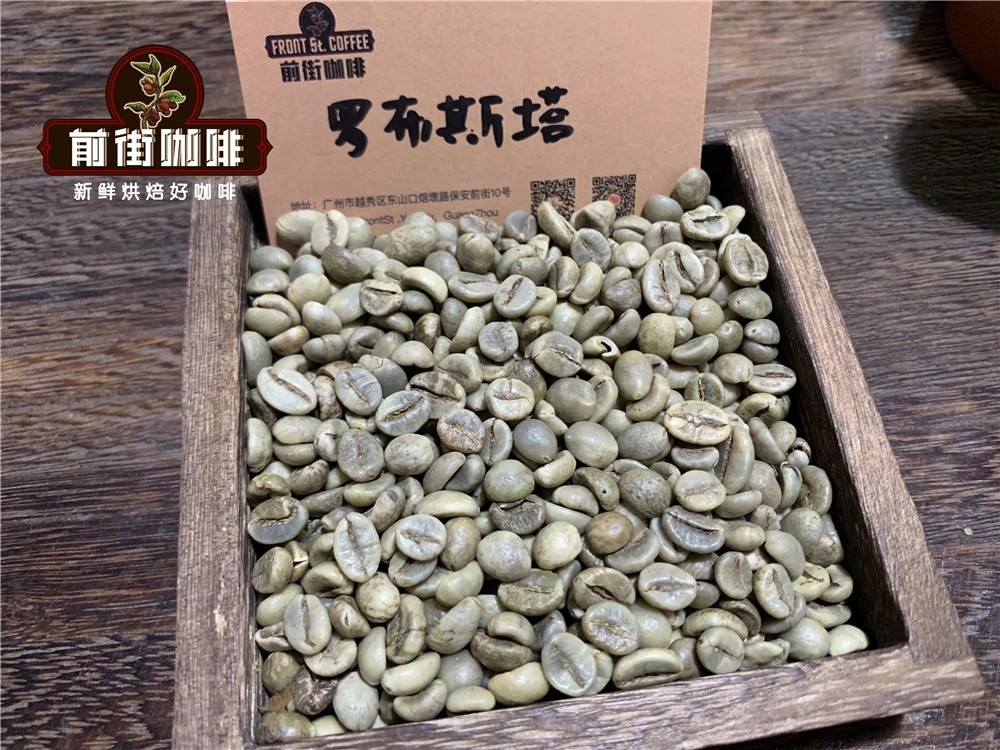
Besides being an antioxidant, chlorogenic acid is an important component for resisting pests, so Robusta grown at low altitude avoids damage from most insects. To express diverse flavors, Arabica must be planted in suitable high-altitude environments. The higher the altitude, the more susceptible coffee is to pests and climate pressure, and higher-altitude plants generally yield fewer fruits and ripen more slowly. High-quality Arabica requires more manual management and harvesting, raising production costs.
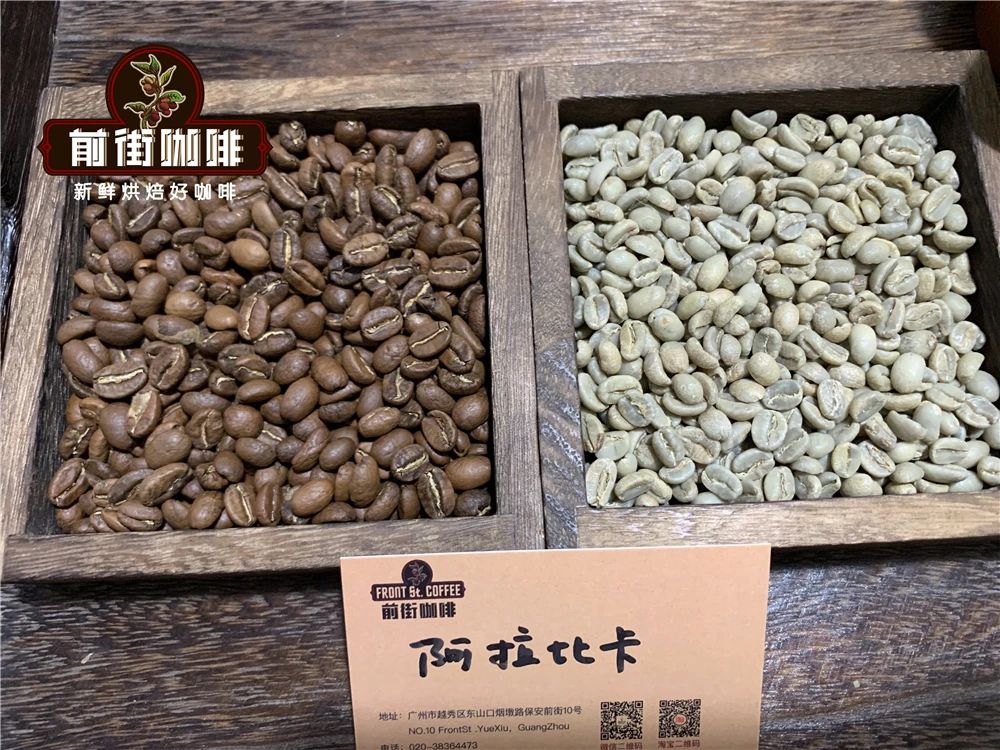
Why Are Arabica Coffee Beans More Popular?
FrontStreet Coffee has also catalogued many Arabica varieties, each with its own flavor profile and pleasant acidity and aroma. Many of the single-origin pour-over coffees on FrontStreet Coffee's menu are Arabica, showing that people prefer its pure flavors over Robusta's.
Compared with the strong-tasting Robusta, Arabica has less caffeine and twice the sugar, making it smoother, sweeter, and richer in acidic fragrance. As specialty coffee culture spreads, drinkers demand more of taste, mouthfeel, and quality, so only high-quality Arabica fully meets the market. FrontStreet Coffee adds, though, that although Robusta is less accepted, high-quality batches exist, such as India's "Kaapi Royale" Robusta, cultivated with meticulous planting and management, which presents a rich mouthfeel and clear cleanliness.
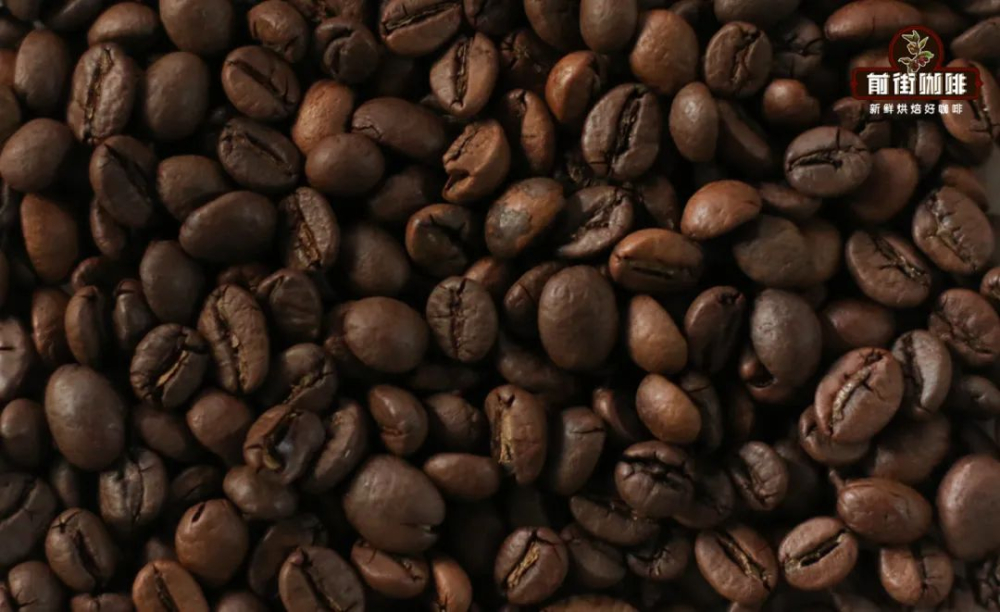
Arabica Coffee Recommendations
As a major category, Arabica can be divided into nearly 3,000 varieties, all descended from Ethiopia's oldest native varieties, Typica and Bourbon, after being planted in South America or Asia. As an agricultural product, coffee flavor is always closely tied to variety, climate, altitude, soil, and management, a natural and true expression of the variety and local terroir. Here FrontStreet Coffee selects several representative varieties to help you understand Arabica.
Jamaica's Typica
The oldest native variety from Ethiopia, discovered around the 15th to 16th centuries. Typica's traits include taller trees with bronze-colored top leaves, and beans that are larger, longer, and pointed at both ends, somewhat egg-like. Typica coffee often has citrus acidity with a sweet aftertaste, praised by many as an elegant, clean bean. Unfortunately, its low yield and poor resistance to leaf rust have led farmers to replace it with more robust varieties.
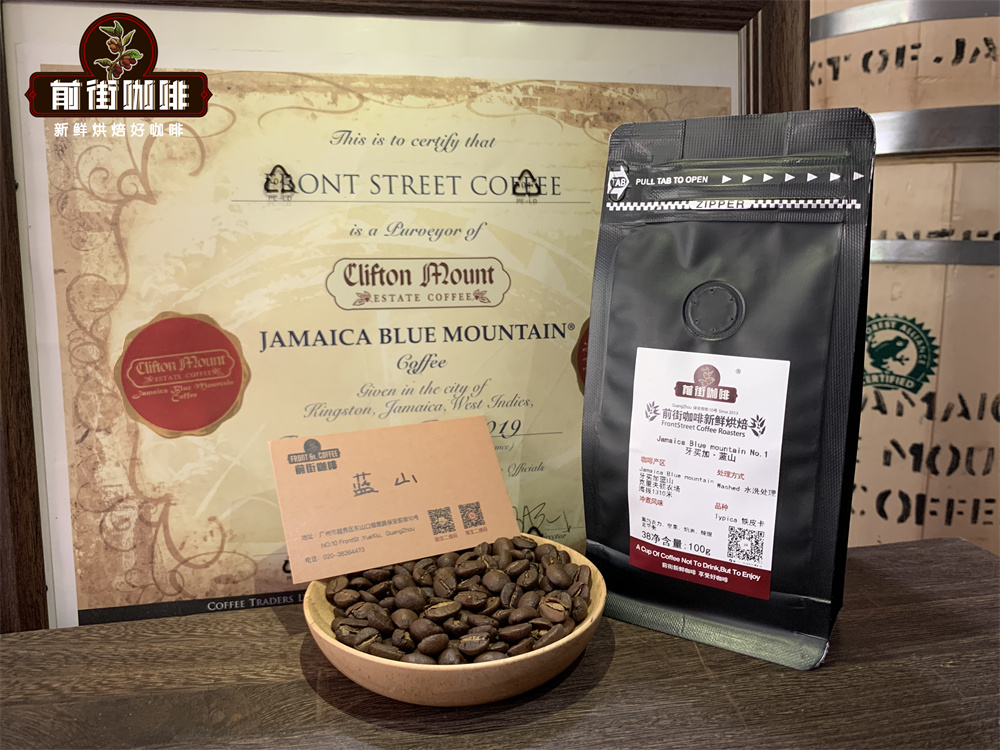
Typica was introduced by Sir Nicholas Lawes in the 18th century and soon spread to the Blue Mountains, with a history of over two hundred years. Blue Mountain Typica has adapted to the local island tropical rainforest climate, evolving stronger disease resistance, particularly much stronger resistance to coffee berry disease than typical Typica. FrontStreet Coffee believes Blue Mountain's exquisite, clean flavor is inseparable from Jamaica's insistence on careful Typica cultivation, which let the variety integrate into the local terroir; the Blue Mountains' excellent terroir and microclimate also deserve credit. FrontStreet Coffee uses a medium-dark roast to present the coffee's chocolate and nutty aromas while preserving soft acidity and sweetness, for a balanced overall mouthfeel.
Panama's Geisha
Anyone who drinks pour-over has likely heard of Panama Geisha, which has become a symbol of contemporary specialty coffee thanks to its stunning aroma. The Geisha variety derives from Typica and also originates from Ethiopia, the birthplace of coffee.
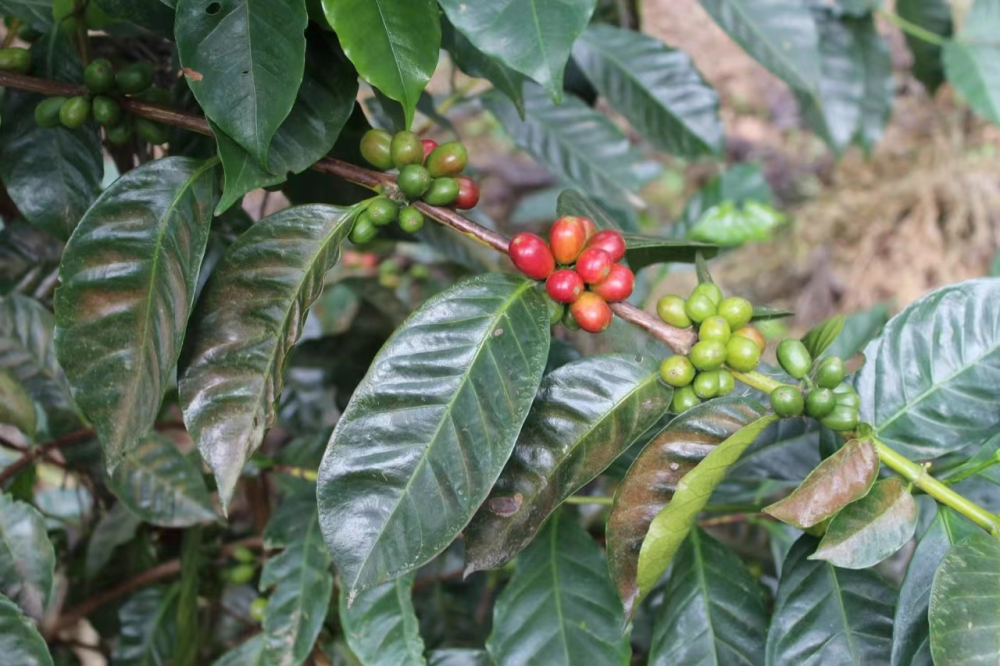
Geisha is very particular about its environment, requiring high altitude, fertile soil, clouds or plant shade, and no direct strong sunlight. The owner of Hacienda La Esmeralda has said the estate needs many shade trees to protect the delicate Geisha, and traditional pruning must be used during initial planting or the plants easily die. Geisha planted higher up takes longer to ripen and shows more complex, unique flavors. Unlike other varieties, the Geisha tree's leaf system is very thin, so photosynthesis is inefficient, and its root system is fragile, absorbing water and nutrients slowly, which keeps yields very low. Combined with the high-altitude environment, fruit ripens relatively late.
Today Geisha is grown in many regions and is the new king of specialty coffee, with higher quality in Latin American countries such as Panama, Guatemala, and Colombia. Panama Geisha stands out especially. When it comes to Geisha, the most popular on FrontStreet Coffee's menu is naturally the renowned coffee from Hacienda La Esmeralda, divided by character into Red Label Geisha, Green Label Geisha, and Volcanic Geisha. High-quality Geisha has a striking fragrance of rose, citrus, berries, and honey, loved by many enthusiasts.
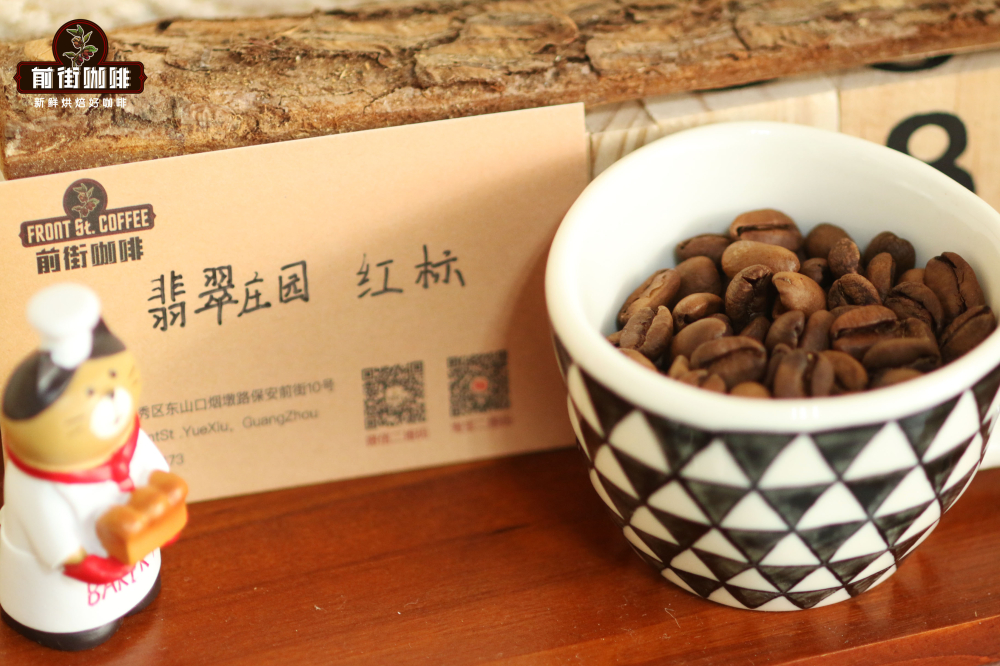
Brazil's Red Bourbon
Bourbon arose from a natural mutation of Typica, with the bean shape changing from slender and pointed to round. It was first discovered on Bourbon Island (Réunion) off the east coast of Africa. In 1715, after France transplanted round beans from Mocha, Yemen to the island (renamed Réunion after the French Revolution), the variety was named Bourbon, and round Bourbon beans were introduced to Brazil for cultivation in 1727.
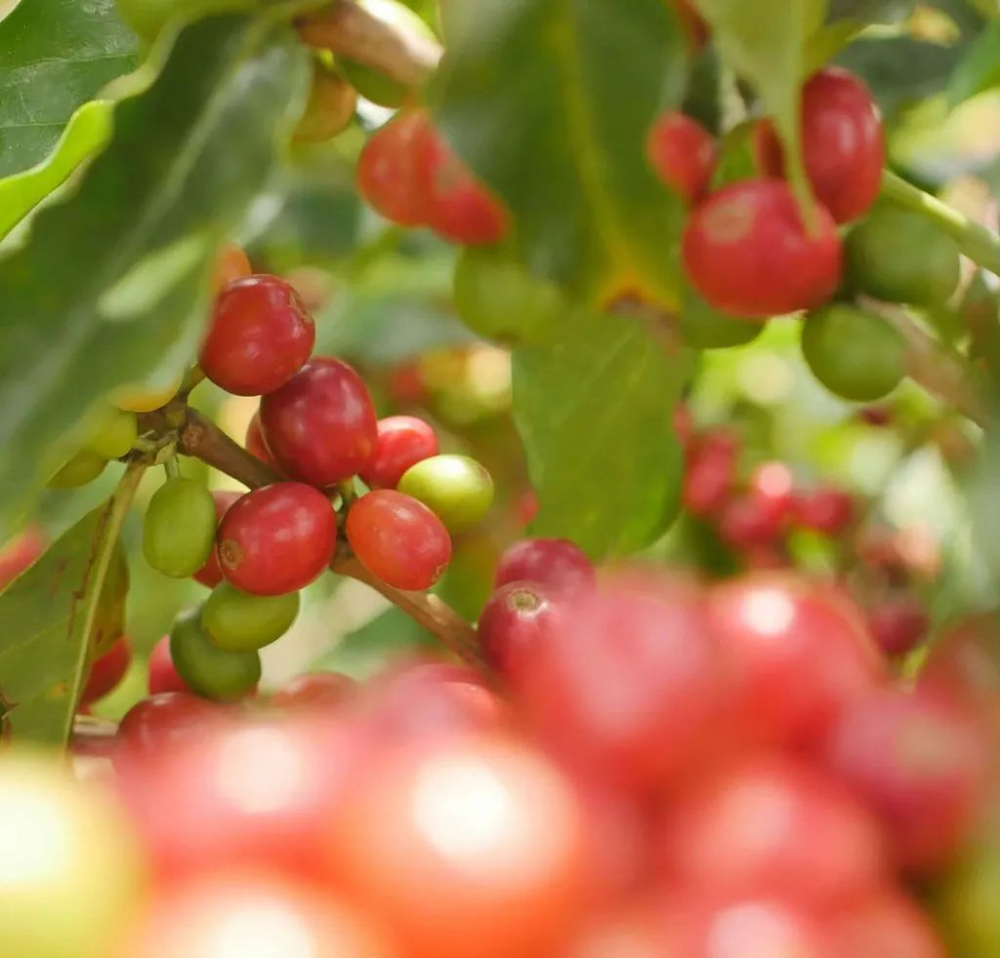
Although its yield is not high, Bourbon resists leaf rust better than the relatively weak Typica. Bourbon grown at high altitude has rich, delicate flavors, a strong aroma, and gentle acidity. Generally the cherries change from green to light yellow, orange-yellow, red, and finally fully ripe dark red, which is what we call Red Bourbon.
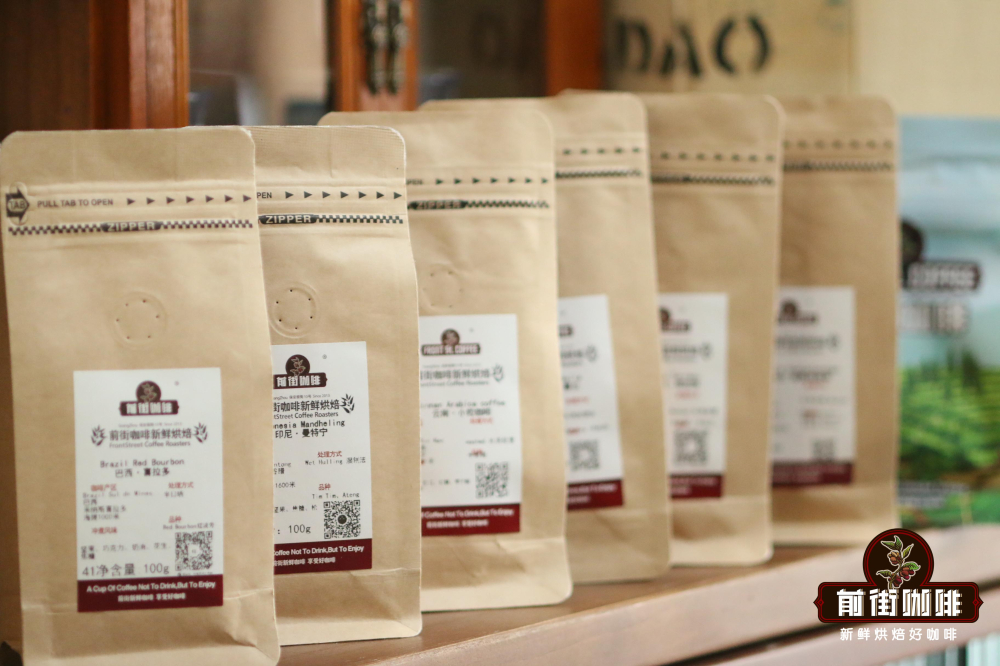
Most Brazilian coffee has low acidity, and combined with a rich aroma it is extremely smooth to drink with a pleasant aftertaste. FrontStreet Coffee selected a pulped natural Red Bourbon as Brazil's representative, with coffee flavors of distinct nuts and chocolate, moderate caramel sweetness, and a smooth, balanced mouthfeel, and added it to the daily bean series. FrontStreet Coffee's daily beans represent each major producing region and present its basic flavors, so beginners can learn each region's base profile and then explore according to preference.
Colombia's Caturra
Caturra is a natural mutation of Bourbon, discovered in Brazil in 1937. The tree is relatively short with low disease resistance, but because it can be densely planted and bears fruit at a higher rate, its yield beats varieties such as Bourbon, and it is widely planted in Central America. In flavor, Caturra has bright acidity and a mouthfeel full of fruit, presenting chocolate and nutty sweetness after a medium-dark roast, and it is a frequent champion in coffee competitions.

Many beans on FrontStreet Coffee's menu contain the Caturra variety. To understand its flavor, FrontStreet Coffee recommends Colombia daily beans, selected from washed Caturra with exceptionally high cleanliness; FrontStreet Coffee aims to highlight the classic Colombian profile, using a medium-dark roast to present nut, dark chocolate, and caramel aromas.
Ethiopia Heirloom Varieties
Those who often drink Ethiopian coffee may have noticed that the variety is always listed as local heirloom or Heirloom. In the dictionary, heirloom means valuable property passed down through generations, which suggests that for Ethiopians coffee is an irreplaceable treasure.
This is because Ethiopia's original forests hold numerous coffee varieties with countless genetic types, making identification very difficult, and the local government also hopes to protect these varieties from public disclosure, so "Heirloom" is used to group them. Yirgacheffe varieties are local heirlooms, with small beans of varying size and shape, mostly rounded and between 14-15 mesh. Many of FrontStreet Coffee's Ethiopian coffees are heirloom varieties, such as Yirgacheffe Gudingding Cooperative, Natural Red Cherry, and Sidamo Guji, often showing elegant floral and fruit flavors in cupping.
FrontStreet Coffee Recommendation
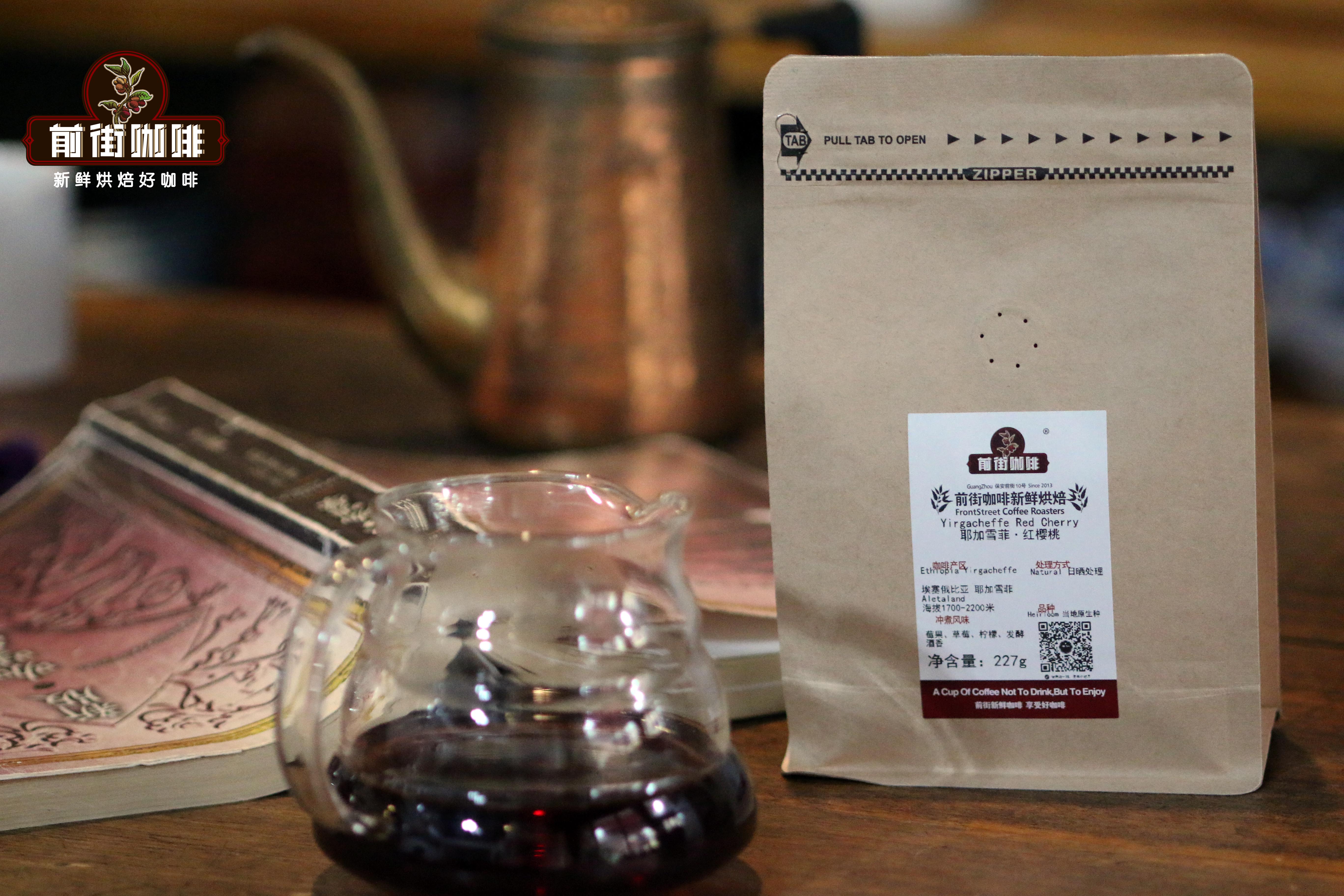
For a first taste of heirloom Arabica, FrontStreet Coffee's washed Yirgacheffe is the entry point: it shows clear jasmine florals and bright citrus acidity, a light, elegant, tea-like body that drinks like a clean lemon tea. FrontStreet Gudingding Cooperative, from Gudingding village at the southeastern edge of Yirgacheffe, in the Worka area, was originally part of the Worka Cooperative under the YCFCU and became a single-origin lot as traceability gained importance; stripping the fruit before drying makes its inherent aroma clearer, giving citrus and lemon character and elegant white florals.
For natural-process heirloom character, FrontStreet Sun-Dried Red Cherry uses only sound, fully ripe fruit dried in the sun for two weeks until the sugars and essence soak into the bean and moisture falls to 12%, after which the hardened fruit, mucilage, and parchment are removed and the beans are sorted by density and color, then hand-picked again, giving a clean, captivating fruit aroma of peach, cocoa, honey, and lemon. FrontStreet Sun-Dried Huakui, from the Hambella area of Guji in Sidamo, is a 200-hectare farm using traditional sun-drying; the ripe cherries are dried on raised beds for 21 days, turned constantly, and hand-sorted every three to five days to remove defects, and a medium-light roast yields a light fermentation wine aroma, florals, citrus, and mango with a dense body and long finish.
Two more heirloom lots round out the range: FrontStreet Hambela 74158 from the Hambela processing station, built mainly on disease-resistant JARC 74-series varieties, has a small bean and a striking floral-fruit aroma, with sweet notes of perfumed lemon, strawberry, and star fruit before a faint floral note emerges. FrontStreet Kaffa Forest represents wild coffee, grown in shaded forest at 1,400-2,100 meters with red soil and abundant rain; a medium-light roast gives clear white florals, bright lemon acidity, sweet orange and bergamot, and a green-tea-like finish with a hint of melon and nut.
Important Notice :
FrontStreet Coffee is a long-established specialty coffee roaster in Guangzhou China, selling freshly roasted beans from its own farm in Yunnan as well as dozens of carefully selected single-origin beans from around the world for both pour-over and espresso. The products deliver consistently excellent quality and great value, with shipping within 24 hours. Guangzhou's FrontStreet Coffee shop is recommended by many coffee lovers, and the beans are now available online at the Tmall 。
FrontStreet Coffee has moved to a new address:
FrontStreet Coffee Address: 315,Donghua East Road,GuangZhou
Tel:020 38364473
 Scan and follow the En Gafei WeChat official account. Please indicate that the reprint comes from "En Gafei".