Costa Rica Honey Process Coffee Beans Flavor Characteristics & Story | Honey Process Coffee Taste Profile

Ask which country grows the best honey-processed coffee and Costa Rica takes the crown without argument. As the birthplace of honey processing, its techniques have been refined over decades. In this article, FrontStreet Coffee shares the story and flavor characteristics of Costa Rican honey-processed coffee — and how the beans taste once brewed.
Origin of Costa Rican Coffee Honey Processing
Honey processing was developed by Costa Rican coffee farmers out of necessity. Most of the country's coffee grows on steep mountains with poor transport links, and when cherries were hauled down to washing stations at the foot of the hills, many arrived damaged — cutting yields and incomes. Honey processing was the answer.

There was a second pressure, as FrontStreet Coffee understands it: few green-bean buyers would climb into the mountains for quality cherries, so the farmers lacked sales channels, and those who did come paid exploitative, rock-bottom prices. Distrustful of the buyers, mountain farmers invented honey processing so they could sell processed beans directly and keep more of the income.
Today, thanks to its excellent cup performance, honey processing is used across the Central American coffee belt. Costa Rica itself has developed many refinements — FrontStreet Coffee's Musician Series, for example, includes the FrontStreet Coffee Bach and Mozart beans, made with raisin honey processing and anaerobic honey processing respectively.
What is Honey Processing?
Honey processing — Honey Process, or Miel Process — removes the skin and pulp, then dries the beans with the mucilage still attached to the parchment.
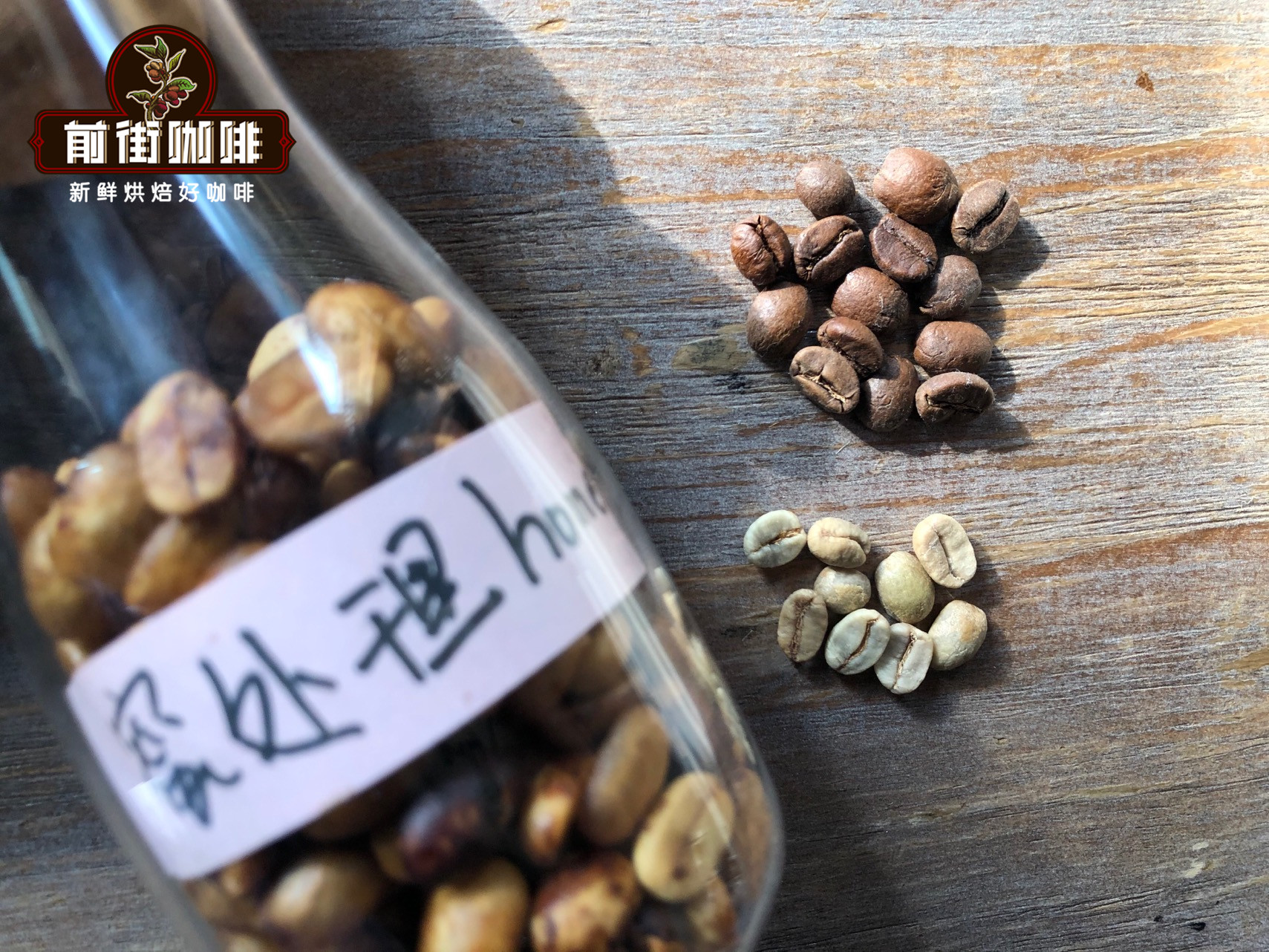
Coffee processing falls mainly into washed and natural camps. Natural drying dries the whole cherry after harvest; washed processing removes the pulp and strips the mucilage by fermentation. Honey processing sits between the two. Despite the name, no honey is involved and the coffee doesn't taste of honey: during drying, the moisture in the mucilage coating the bean evaporates until the layer becomes as viscous as honey — hence the name.
Honey Processing Method Steps
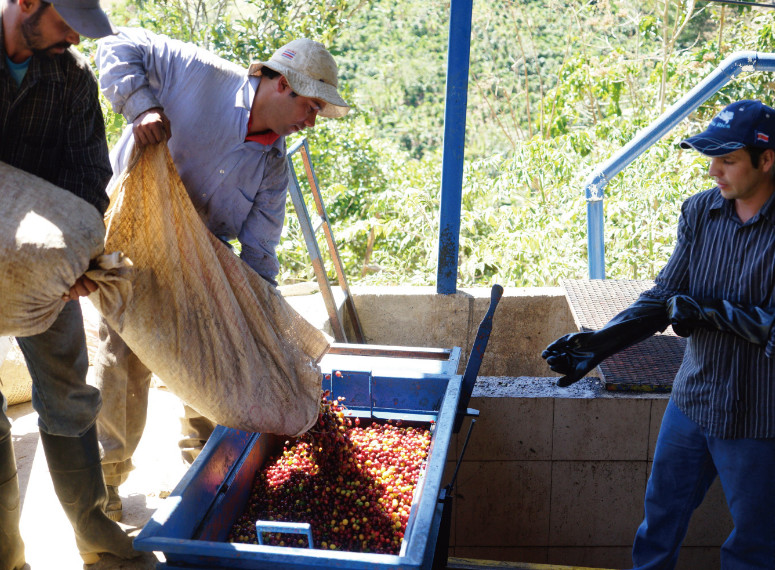
As in washed processing, all cherries are first floated in water to remove floaters and defective fruit, keeping only good cherries.
The selected cherries are dried on raised beds for at least three days, reducing their moisture to 20%.
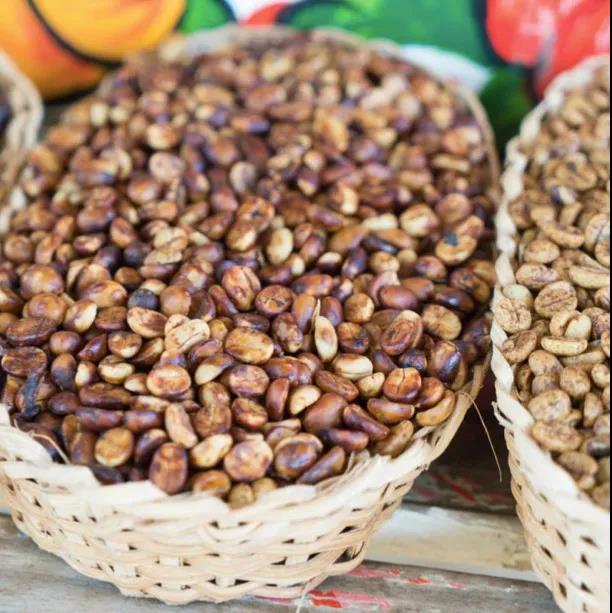
The dried cherries then go through a depulper to remove skin and pulp while leaving the mucilage. This is why honey-processed coffee is sweet: the mucilage is the sugariest part of the cherry.
The beans, mucilage intact, are dried until moisture reaches 11%, at which point they can be warehoused.
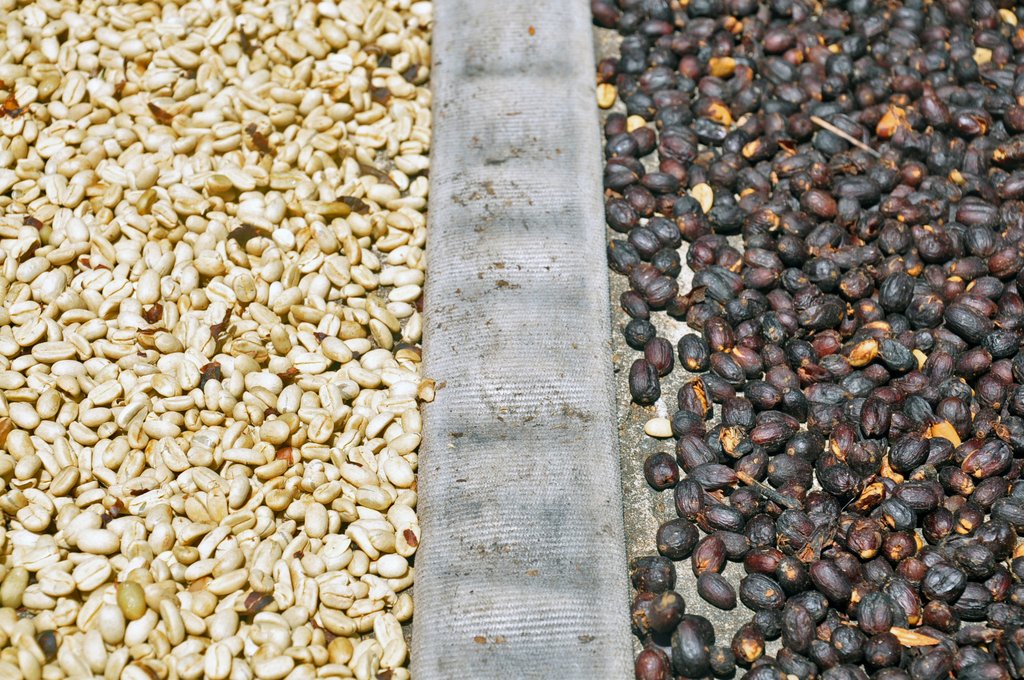
Honey processing is also graded by how much mucilage is retained. Beans with 40% of the mucilage removed are called yellow honey; 25% removed, red honey; and beans that retain 100% of the mucilage are classified as black honey.
Honey-processed parchment demands great care during drying. Because so much sticky mucilage remains, the beans must be turned constantly to prevent mold and over-fermentation.
Advantages and Disadvantages of Honey Processing
Advantages: As an improvement on natural processing, the pulp is removed at the start, so there are no mold problems; and it needs little fresh water, keeping costs low.
Disadvantages: Of all the processing methods, it is arguably the most complex and labor-intensive.
Honey Processing Flavor
Done well, honey processing raises sweetness while lowering perceived acidity, and the aroma becomes more delicate. Done poorly, it produces an unpleasant vinegar tang with pungent onion- or garlic-like notes. Even a well-executed lot keeps some earthiness, a less clean aftertaste, and more stray flavors than a typical washed coffee — which is why, overall, honey processing carries far higher risk than washed methods.
Honey processing further divides into yellow, red, and black honey. What sets them apart? FrontStreet Coffee explains below.
What is the Difference Between Yellow, Red, and Black Honey?
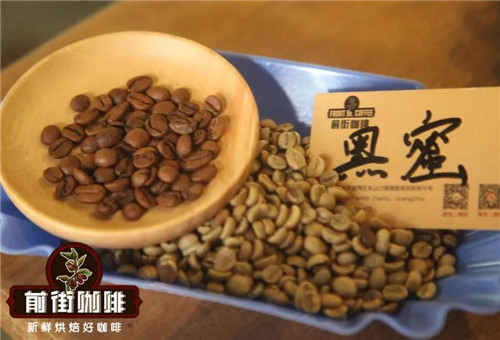
Black Honey: Almost no mucilage is removed, so drying takes the longest — at least 14 continuous days. To keep the drying from running too fast, covers are used to block the harshest sunlight, allowing the sugars to convert more completely.
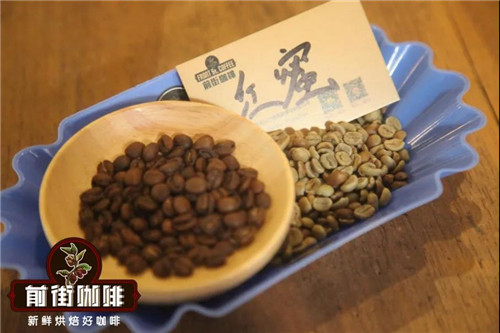
Red Honey: 25% of the mucilage is removed (practices vary by estate), then sun-dried about 12 days, sometimes under shade covers. The coffee is turned several times a day — though less often than yellow honey.
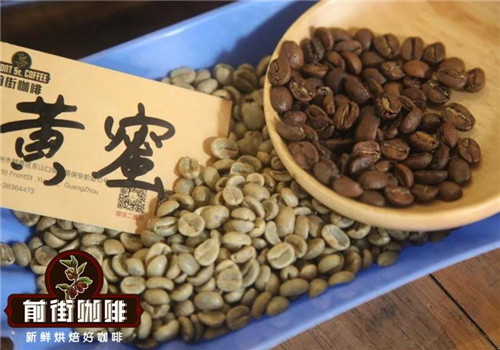
Yellow Honey: 40% of the mucilage is removed, then dried under maximum sunlight for about 8 days, with the coffee on racks turned once every hour.
So from yellow to black honey, drying time lengthens and management tightens. If forced to pick a best, FrontStreet Coffee would choose black honey: it retains the most mucilage and therefore gives the richest, most intense cup.
Yellow and red honey exist because farmers must weigh cost against price; offering consumers several tiers is simply good business.
Why Are Honey-Processed Coffee Beans So Popular?
As noted above, honey-processed beans show outstanding sweetness — a sweetness that overturns the "coffee is bitter" assumption for many newcomers, which makes the style hugely popular with people just getting into specialty beans. Many of the newer enzymatic processing methods were inspired by honey processing in pursuit of even sweeter cups.
Moreover, black honey — the sweetest and finest of the three grades — demands the strictest processing discipline, which means the beans arrive with dependable quality. Coffee lovers are happy to pay for that combination of flavor and consistency: another reason for the style's popularity.
Next, FrontStreet Coffee introduces some popular Costa Rican honey-processed coffees from its own lineup.

FrontStreet Coffee · Costa Rican Musician Series Mozart Coffee Beans
- Country: Costa Rica
- Region: Tarrazú
- Altitude: 1800m
- Variety: H1
- Processing: Raisin Honey
- Flavor: Raisin acidity, berries, floral notes, fermented wine aroma
Mozart the prodigy epitomized classical splendor, and the splendor of FrontStreet Coffee's Mozart beans lies in elegant floral aromas — white-flower notes like orange blossom — that emerge even during brewing. The "magnificent" taste comes from abundant dark berries, raisins, and a trace of red berry; in mid-to-late sips there is gentle plum acidity and a gummy-bear sweetness, and even cooled the cup keeps its florals and sweetness. A genuinely distinctive flavor.

FrontStreet Coffee · Costa Rican Musician Series Bach Coffee Beans
- Country: Costa Rica
- Region: Tarrazú
- Altitude: 1950m
- Variety: H1
- Processing: Raisin Honey
- Flavor: Fermented wine aroma, berries, fruit tea notes
Bach's music is intricate, layered, and rigorously ordered — and so is this cup. The FrontStreet Coffee Bach bean opens with dry aromas of strawberry, blackberry, and raisin, and releases waves of fruit during brewing. The first sip brings clear floral-fruit aromatics and an intense sweet-sour play; mid-to-late notes carry a slight winey character like red wine. As it cools, candied-fruit sweetness develops and the wine note deepens, even suggesting plum wine. Every sip feels steeped in the grandeur and rigor of Baroque aesthetics.
Both honey-processed coffees come from the Canet Estate in Costa Rica's Tarrazú region. The estate owner loves music, so the beans are named for musicians, each with its own flavor signature. Curious readers should try both — and here are FrontStreet Coffee's pour-over parameters for them.
FrontStreet Coffee Costa Rican Coffee Bean Brewing Recommendations
- Dripper: Hario V60 #01
- Dose: 15g
- Ratio: 1:15
- Water Temperature: 90°C
- Grind Size: Medium-fine grind (81% pass-through rate on Chinese standard #20 sieve)

FrontStreet Coffee brewing technique: segmented pouring.
First pour 30 g of water to swell the bed into a "hamburger" shape and bloom for 30 s. For the second pour, use a steady, medium-fine flow in circles, reaching 125 g by 55 s, then stop and wait for the level to drop to two-thirds of the bed before the third pour. Continue with a flat flow until 1 minute 55 seconds.

FrontStreet Coffee Costa Rican Bach brewing flavor: hot, it shows grape-like sweet-sourness and winey fermentation; as it cools, red-berry juiciness and rose fragrance emerge, with a caramel-sweet finish.
FrontStreet Coffee Costa Rican Mozart brewing flavor: berries and fermented aroma, with raisin and sweet orange on entry; as the temperature falls, the wine note and osmanthus fragrance grow more pronounced.
These are the pour-over parameters FrontStreet Coffee recommends for its Costa Rican beans — we hope they help you brew each coffee's true flavor at home.
For more specialty coffee beans, please add FrontStreet Coffee on private WeChat, WeChat ID: kaixinguoguo0925
FrontStreet Coffee Recommendation
Honey processing did not appear from nowhere: its ancestor is the pulped-natural method, in which the cherry skin is removed before drying — shortening drying time while preventing the off-flavors of uncontrolled fermentation. FrontStreet Coffee's Brazilian Cerrado is a classic pulped-natural coffee with unmistakable cream, peanut, nut, and chocolate flavors. Brazil's success inspired Costa Rica, which refined the method by controlling mucilage retention and drying time, splitting it into the black, red, yellow, and white honey grades we know today.
At the deepest end sits black honey — almost no mucilage removed, dried at least two weeks under covers that slow the sun and let sugars convert fully, with constant turning to prevent uneven fermentation. FrontStreet Coffee's Costa Rican Blackberry uses exactly this process, then a medium-light roast: ground, it releases a rush of fresh flowers, and in the cup shows grape, berry, and ripe blackberry flavors unlike anything a washed coffee delivers.
For something even more adventurous, the raisin honey process pre-dries whole cherries on raised beds for at least three days before depulping, keeping 100% of the mucilage with zero water — harder to manage even than black honey, and rewarding the effort with a richer dried-fruit sweetness. FrontStreet Coffee's Mozart bean is the benchmark: brewed as pour-over, cold brew, or moka pot, it gives osmanthus, pineapple, and raisin aromas in every method.
If you want both the Geisha florals and honey sweetness in one bag, try FrontStreet Coffee's Strawberry Candy Geisha blend: Panama Geisha supplies its classic orange-blossom honeyed character, while the Costa Rican component — raisin honey processed with full mucilage — adds grape and dried-blueberry fragrance, soft fruit acidity, an almond finish, and obvious sweetness. Pick your tier of honey, black to white, and every cup will show why Costa Rica still owns this style.
Important Notice :
FrontStreet Coffee is a long-established specialty coffee roaster in Guangzhou China, selling freshly roasted beans from its own farm in Yunnan as well as dozens of carefully selected single-origin beans from around the world for both pour-over and espresso. The products deliver consistently excellent quality and great value, with shipping within 24 hours. Guangzhou's FrontStreet Coffee shop is recommended by many coffee lovers, and the beans are now available online at the Tmall 。
FrontStreet Coffee has moved to a new address:
FrontStreet Coffee Address: 315,Donghua East Road,GuangZhou
Tel:020 38364473
 Scan and follow the En Gafei WeChat official account. Please indicate that the reprint comes from "En Gafei".