The Development Status and Derivatives of Robusta Coffee Beans
If you drink coffee regularly, you have probably heard of Robusta, perhaps even by its nickname, "Robusta beans." Despite that fame, it is often dismissed as poor quality or unpleasant, while drinkers gravitate to another well-known variety, Arabica. Why is that? In this article, FrontStreet Coffee walks through the variety that has always carried a stigma.
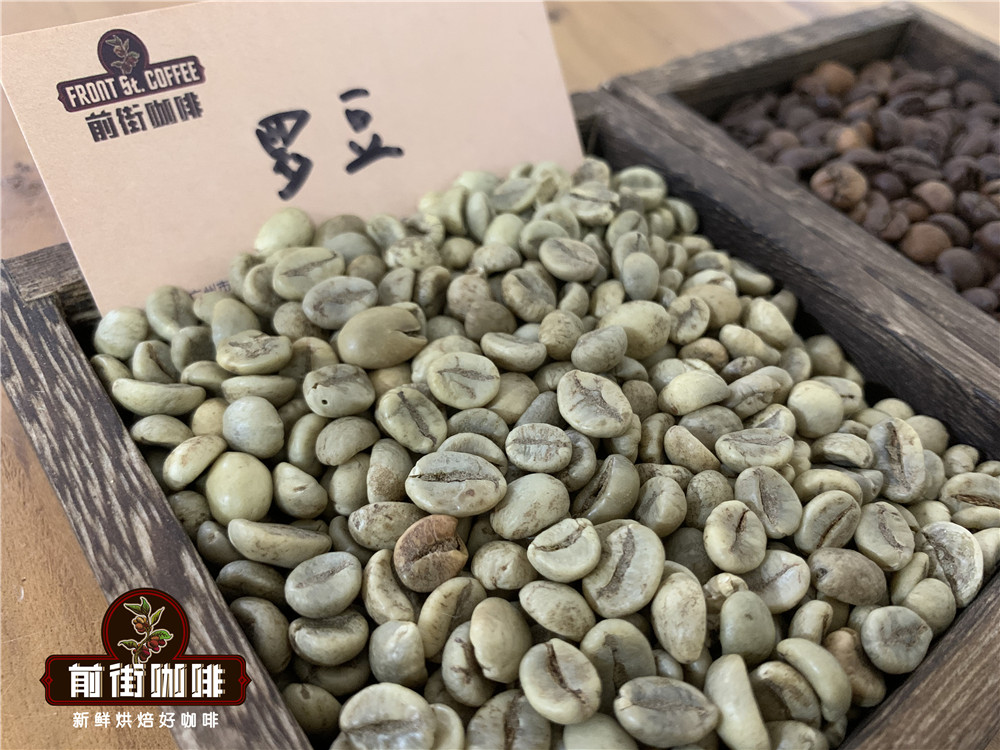
The Origins of Robusta
Robusta, with the Latin scientific name "Coffee Robusta Linden," is one of the principal coffee varieties cultivated worldwide and an important raw material for many of today's most popular coffee products.
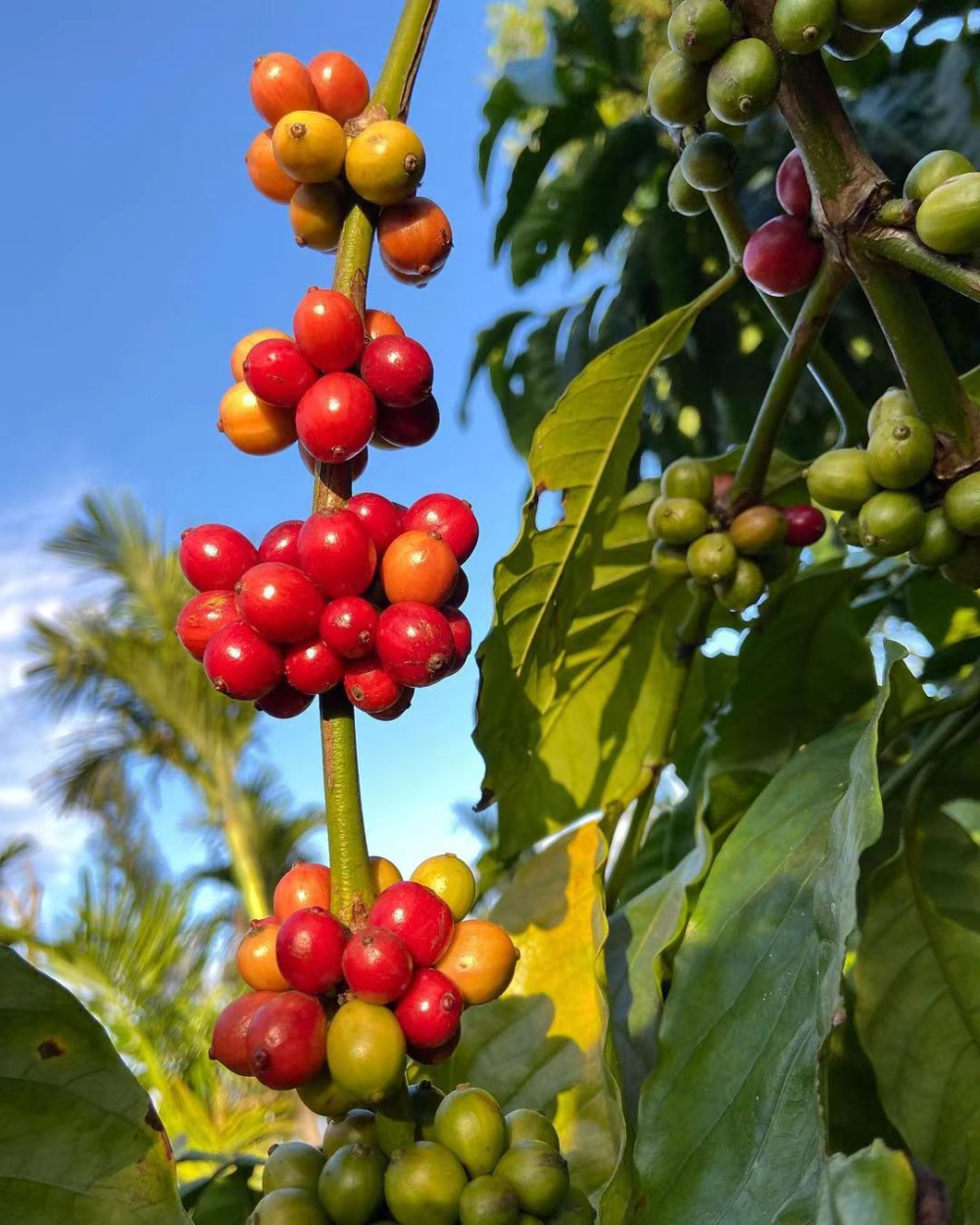
In the late nineteenth century, coffee leaf rust, a natural enemy of the coffee tree, withered and even killed Arabica plants in large areas. Farmers tried planting Liberica to solve the problem, but the yield was too low and the flavor was heavy with a strong smoky note that the public found hard to accept, so it drew little attention. Later, people discovered Robusta. FrontStreet Coffee has learned that Robusta originated in the areas around Uganda and Congo in Africa. The variety resists pests and disease well, adapts easily to its growing environment, and grows quickly, which has made it a favorite among farmers.
Biological Characteristics
Biologically, Robusta belongs to the species Coffea canephora, also known as the Congo species or medium-fruit coffee. Just as we often hear about Geisha, which belongs to the Arabica species, only Robusta within Coffea canephora has been promoted for commercial cultivation, so Robusta has become nearly synonymous with the whole Coffea canephora line. Timor and Catimor, varieties derived from natural hybridization between Robusta and Arabica, are now widely cultivated and classified under the broader Arabica category.
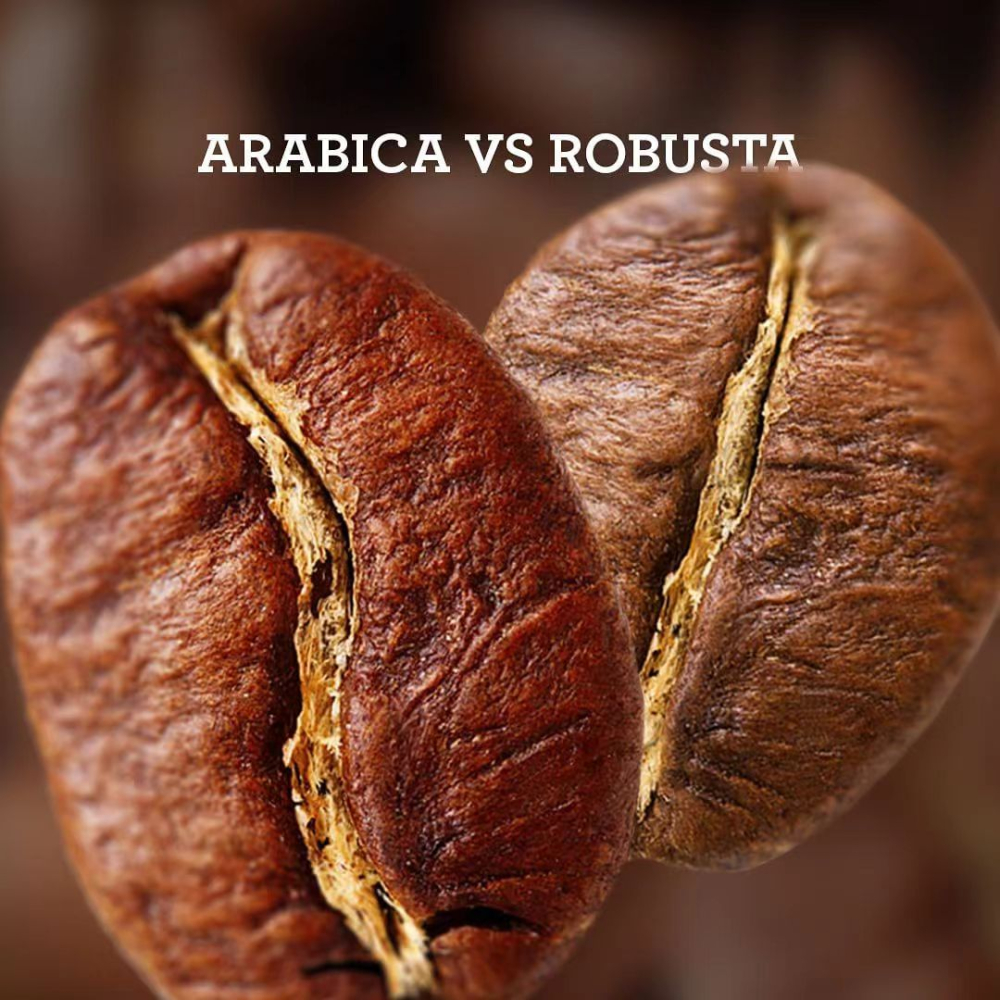
In cultivation, Robusta trees tolerate heat, cold, drought, and humidity, with extremely high survival rates. Their caffeine content is high (1.7%-3.0%), about twice that of Arabica. Caffeine acts as a natural pesticide for the plant, protecting Robusta from most insect damage. A single Robusta plant yields a large crop of fruit, which is slightly rounder and smaller than Arabica fruit. The beans are flat and round with a straight groove down the center.
Advantages and Disadvantages
Because Robusta is tough, high-yielding, fast-maturing, and highly adaptable, it can generally be planted on low-altitude plains and managed and harvested by machine. Production costs are therefore lower, making it well suited to commercial mass production, and its selling price is naturally cheaper. The vast majority of coffee grown in Hainan, China, for example, is Robusta. Yet despite these advantages, why do people still look down on the variety and even on the hybrids derived from Robusta and Arabica?
Scientific testing has found that Robusta beans contain very high levels of chlorogenic acid and lower sugar content. Chlorogenic acid is the source of bitterness in coffee, while sucrose is the precursor to the aromatic substances we perceive in the cup. Robusta therefore tends to have low acidity, a mellow, deeper bitterness, and a flavor profile of walnuts, peanuts, hazelnuts, barley tea, and grains. When not processed properly, it can also show strong, earthy, rubbery notes, the defects everyone calls "Robusta flavor."
Applications in Coffee Culture
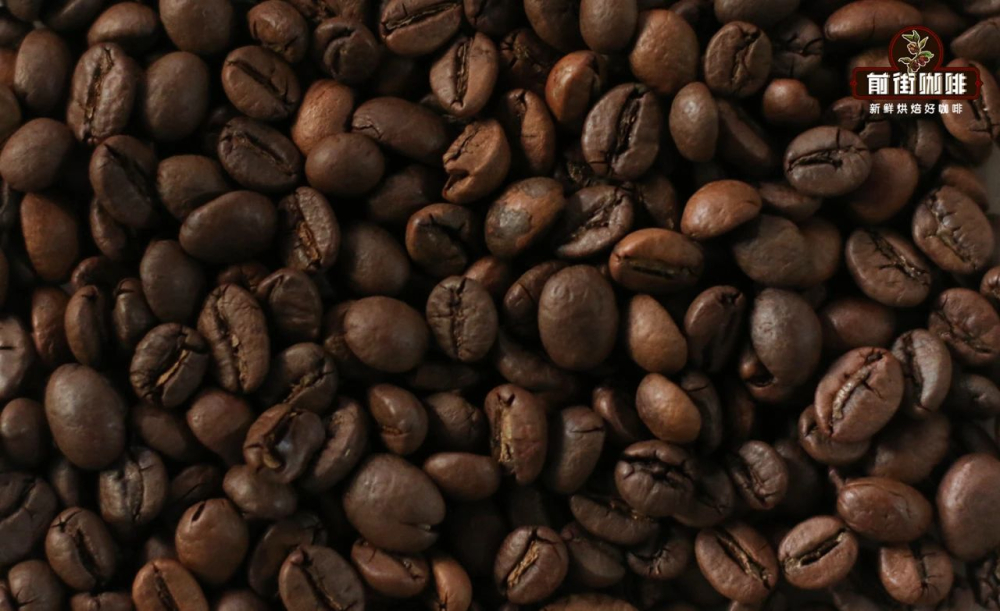
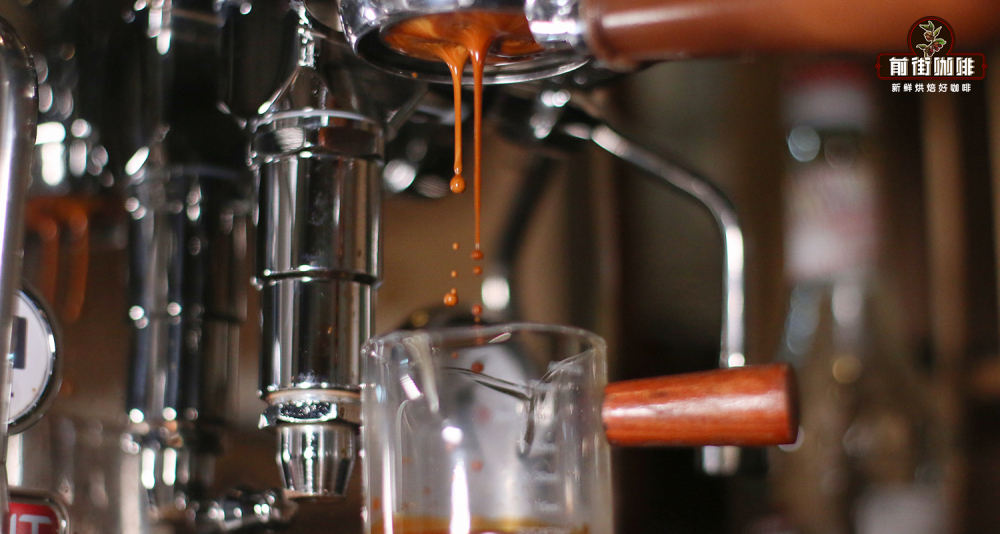
Deep-roasted Robusta beans accumulate a large amount of gas, which releases rich crema when extracted as espresso, and their solid texture gives the cup more mellow aroma. Traditional coffee flavors lean toward strong bitterness and body with little acidity, which aligns with the character of deep-roasted Robusta. That is also why Robusta continues to survive in today's specialty coffee era. In Italy, for example, locals pursue the strong taste and rich crema of coffee, and many coffee shops add a measured proportion of Robusta to their espresso blends, enriching the crema while enhancing the "coffee flavor."
FrontStreet Coffee's Perspective
By now you may, like FrontStreet Coffee, want to taste Robusta for yourself. However, top-quality Robusta requires more investment in production and commands a high price, and the overall flavor of Robusta beans is rich and intense, which is not within everyone's range. FrontStreet Coffee suggests starting with an espresso blend that contains Robusta.
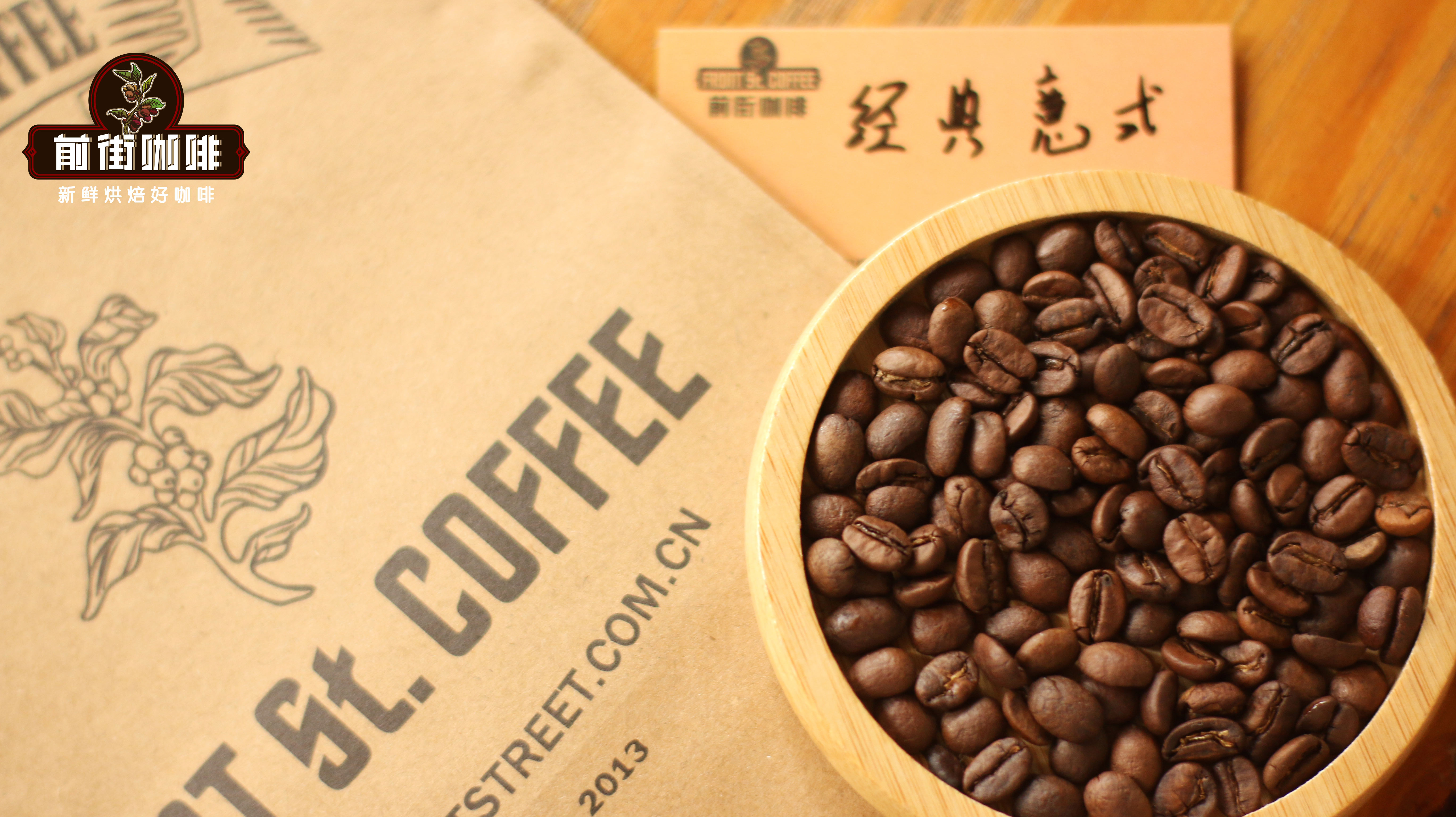
As noted above, deep-roasted Robusta produces abundant crema during extraction. To deliver rich, aromatic crema in its two espresso blends, FrontStreet Coffee has added 10% washed Robusta, combined with Colombian washed coffee (30%) and Brazilian natural process coffee (60%) to form its commercial blend. The resulting espresso has abundant golden crema and a nutty aroma. On the palate you taste the fragrant bitterness of coffee, but more prominent is a creamy, full-bodied texture. After swallowing, the bitterness fades and a lingering fragrance remains.
FrontStreet Coffee Recommendation
If Robusta represents one end of the coffee spectrum, where flavor is deep, bitter, and body-led, Geisha sits at the opposite end, prized for perfume-like florals and vivid fruit. FrontStreet Coffee carries several Geisha lots for drinkers who want to explore that direction.
Among them, the Esmeralda Red Label and Green Label Geishas show the classic Panama profile. The Red Label is grown at 1,600-1,800 meters, and every lot must cup above 90 points, with each lot carrying its own number and coming from a single plot. The Green Label, or Private Collection, blends lots from several plots to express the estate's signature high-altitude Geisha character, and it is the more affordable of the two. FrontStreet Coffee also offers a Boquete Geisha grown at 1,600 meters on fertile volcanic soil, an entry-level way to taste the orange-blossom and honey character of Panama, with jasmine, green tea, honey, citrus, and orange in the cup.
Brewed alongside a Robusta blend, these Geisha lots make the contrast obvious. FrontStreet Coffee suggests a medium-light roast, a 1:16 ratio with 15g of coffee, a V60, and water at about 91 degrees, since a hard, dense Geisha bean benefits from a slightly finer grind to avoid clogging the dripper.
Important Notice :
FrontStreet Coffee is a long-established specialty coffee roaster in Guangzhou China, selling freshly roasted beans from its own farm in Yunnan as well as dozens of carefully selected single-origin beans from around the world for both pour-over and espresso. The products deliver consistently excellent quality and great value, with shipping within 24 hours. Guangzhou's FrontStreet Coffee shop is recommended by many coffee lovers, and the beans are now available online at the Tmall 。
FrontStreet Coffee has moved to a new address:
FrontStreet Coffee Address: 315,Donghua East Road,GuangZhou
Tel:020 38364473
 Scan and follow the En Gafei WeChat official account. Please indicate that the reprint comes from "En Gafei".