A Cup of Costa Rica Canet Musician Series - Bach, Filled with Rice Wine Aroma
Costa Rica Canet Musician Bach
FrontStreet Coffee · Costa Rica Canet Musician Series Bach
Coffee Profile
Country: Costa Rica
Region: Tarrazu
Altitude: 1,950M
Processing Method: Raisin Honey Process
Grade: SHB
Variety: Caturra
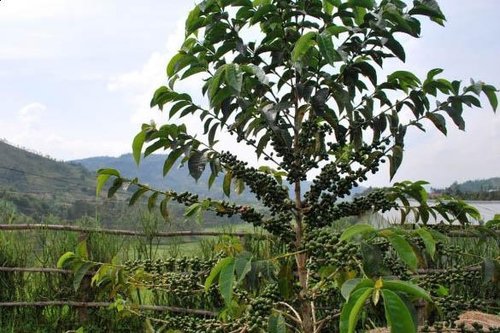
The Costa Rican Terroir
Located on the Central American isthmus, Costa Rica benefits from the climate-moderating effects of Pacific and Atlantic currents and sea breezes. The country is dotted with towering volcanoes reaching 2,000 meters, allowing coffee cherries to mature slowly in fertile volcanic-ash soil and cool high-altitude air, developing beans with complete, rich flavors.
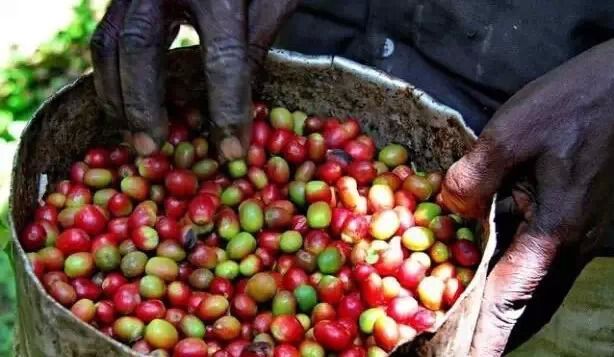
Costa Rica has two distinct seasons: the dry season from December to April, which coincides with harvest, and the rainy season from May to November. In recent years many micro-mills have been established. They require only 5% of the water consumed by traditional washed mills and need neither large water tanks nor extensive drying patios, so the investment is comparatively small. Honey-processed coffee - lower in acidity, more complex, and richly sweet - has become one of the most sought-after commodities in the coffee world in recent years.
Tarrazu Region
Coffee cultivation in Costa Rica began some two hundred years ago, first planted on the slopes of the Poas and Barva volcanoes - the area we now call the Central Valley. Today Costa Rica has eight main producing regions: West Valley, Central Valley, Tarrazu, Tres Rios, Orosi, Brunca, Turrialba, and Guanacaste.
Tarrazu is one of the country's primary coffee-producing areas, with a long history of coffee production, the favor of the British royal family, and even praise in papal speeches.
Canet Estate
Canet Estate sits in the highest-altitude part of Tarrazu, in Costa Rica's most intensive fruit-growing zone. The estate primarily grows passion fruit, and its coffee output is quite scarce: the trees occupy only one specific area and receive special care. All cherries are hand-picked at full red maturity, then pass through an additional screening after harvest and before processing to remove under-ripe or over-ripe fruit.
Processing Method
Raisin Honey Process
This method preserves 100% of the fruit mucilage and uses zero water, which makes honey processing harder and demands strict timing. On harvest day, the cherries are poured into large tanks: mature, full fruit sinks to the bottom, while underdeveloped or overripe fruit floats and must be removed. The selected cherries dry on raised beds for at least three days; then the skins are removed, the mucilage retained, and drying continues. At this stage, weather is the deciding factor between success and failure.
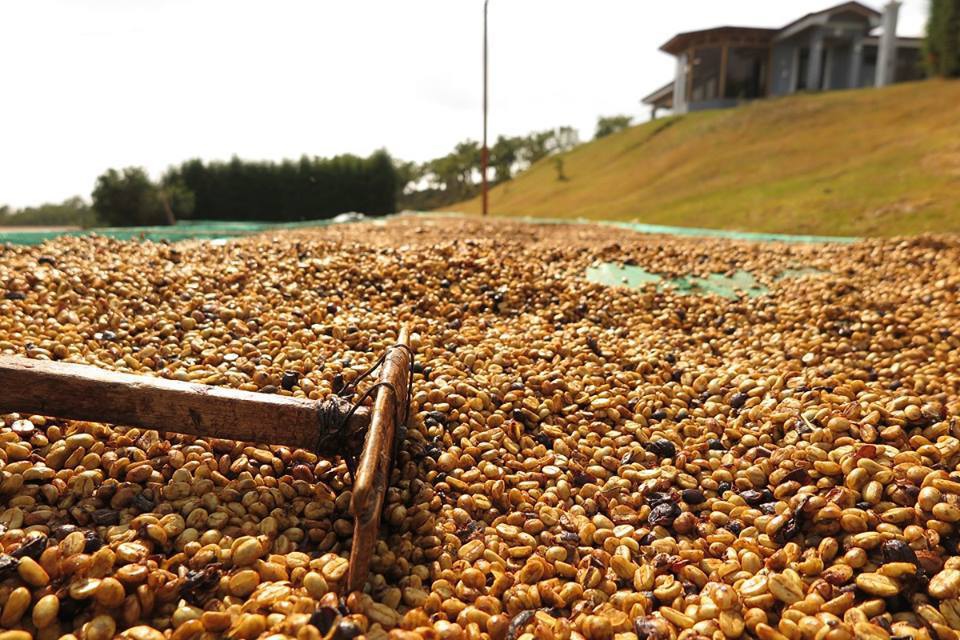
During drying the cherries must be turned constantly for even moisture loss - but the turning frequency must be carefully judged: slow enough to dry gradually for proper fermentation, yet not so slow that the fruit over-ferments.
Green Bean Analysis
Caturra Variety
Caturra is a fairly common variety among American coffees, especially in Central America.
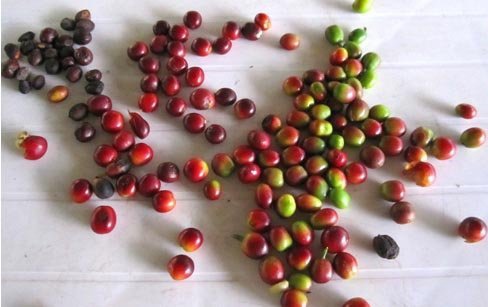
Caturra is a Bourbon mutation discovered in Brazil in 1937. It out-yields Bourbon and resists disease better, and its shorter stature makes picking easier. Highly adaptable and shade-tolerant of full sun - hence the nickname "Sun Coffee" - Caturra grows happily from 700 meters up to 1,700 meters. As always, the higher the altitude the better the flavor, though yields fall accordingly - the fate of specialty beans.
The green beans are yellowish-green, typical of honey-processed coffee, and smell of fresh citrus with a light fermented-fruit fragrance.
Roasting Analysis
Roaster: Yangjia 800N semi-direct heat (300g batch size)
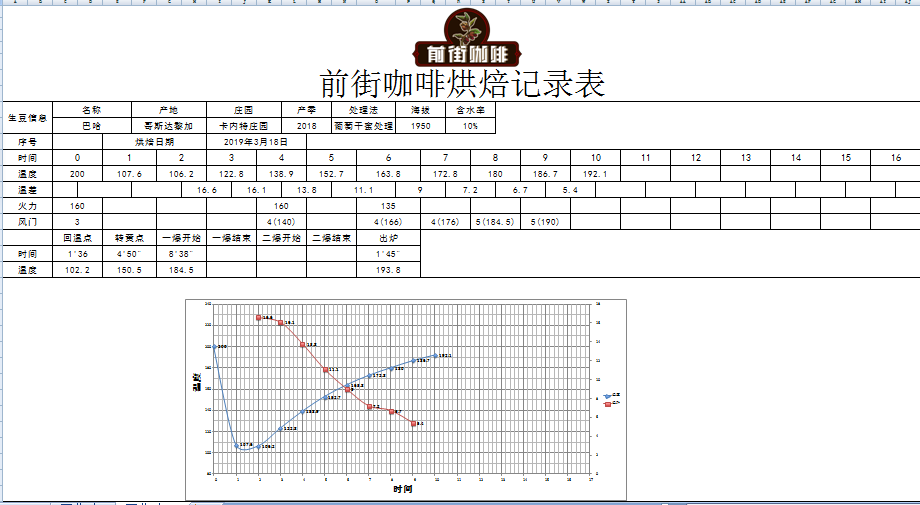
Preheat to 200°C and charge the beans. Set heat to 160 and the damper to 3. Turning point at 1'36"; maintain heat. At 140°C, keep heat at 160 and open the damper to 4. At 4'50" the beans turn yellow, the grassy aroma disappears, and the drying phase closes; at 166°C, reduce heat to 135 with the damper at 4.
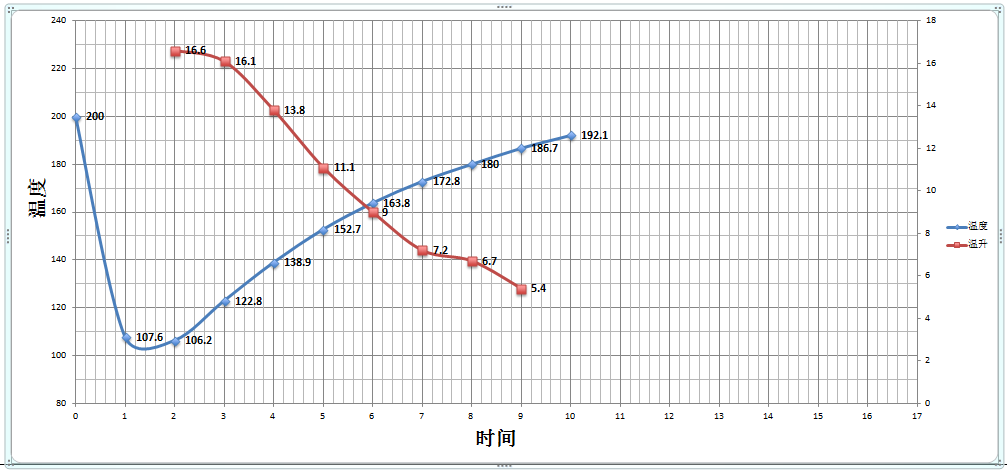
At 8'05" drying is complete: wrinkles and dark spots appear on the bean surface and the toast smell turns to coffee aroma - the prelude to first crack. Listen closely. First crack begins at 8'38"; open the damper fully to 5 and keep the heat unchanged. Development after first crack is 1'45", dropping the beans at 193.8°C.
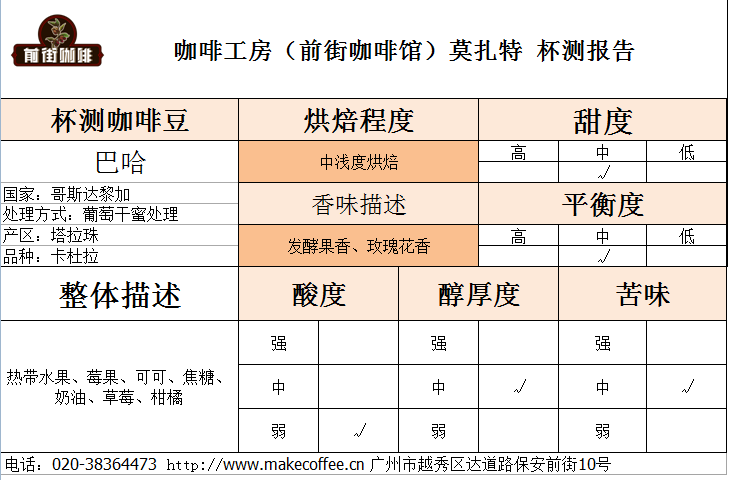
Cupping notes: rose floral, berries, cream, cocoa, caramel, fermented aroma, tropical fruits
Brewing Recommendations
Recommended brewing method: Pour-over

Parameters: V60 / 1:15 / 90°C / Grind size BG 5R (58% pass-through rate on the Chinese standard #20 sieve) / Brew time 2 minutes
Technique: Bloom with 30g of water for 30 seconds. Pour slowly in the center to 125g in stages. When the water level drops and is about to expose the coffee bed, open the flow slightly and pour to 225g to finish.
Flavor Profile: FrontStreet Coffee Costa Rica Bach
It smells of rice-wine fermentation, with the sweet-tart character of ripe tropical fruit and berries in the sip. Expect nut, cocoa, and cream flavors, caramel sweetness in the aftertaste, and a light floral note in the finish.
END
FrontStreet Coffee Recommendation
If you enjoy this Musician Series Bach, explore more of Costa Rica's honey-processed gems. FrontStreet's Costa Rica Mozart uses the innovative raisin honey process: the cherries pre-dry on raised beds for at least three days before the skin and pulp are removed, with 100% of the mucilage retained - harder to execute even than black honey, demanding strict timing, and repaying the effort with richer hot-fruit sweetness. Brew it any way you like - pour-over, cold brew, or moka pot - and you'll find osmanthus, pineapple, and raisin aromas. FrontStreet's Costa Rica Blackberry goes further with true black honey: almost no mucilage is removed, drying lasts at least two weeks under shade covers to convert the sugars fully, and the medium-light roast yields grapes, berries, and ripe blackberry over a dense floral fragrance.
For a Gesha twist on the same honey heritage, the FrontStreet Strawberry Candy Gesha Blend pairs Panama Gesha with Costa Rica raisin-honey coffee - the Gesha contributes classic orange-blossom and honeyed notes while the Costa Rican side brings grape, dried blueberry, soft fruit acidity, and an almond finish with pronounced sweetness.
Important Notice :
FrontStreet Coffee is a long-established specialty coffee roaster in Guangzhou China, selling freshly roasted beans from its own farm in Yunnan as well as dozens of carefully selected single-origin beans from around the world for both pour-over and espresso. The products deliver consistently excellent quality and great value, with shipping within 24 hours. Guangzhou's FrontStreet Coffee shop is recommended by many coffee lovers, and the beans are now available online at the Tmall 。
FrontStreet Coffee has moved to a new address:
FrontStreet Coffee Address: 315,Donghua East Road,GuangZhou
Tel:020 38364473
 Scan and follow the En Gafei WeChat official account. Please indicate that the reprint comes from "En Gafei".