What Are Single-Origin Coffee Beans: How to Distinguish Between Single-Origin and Espresso Coffee Characteristics
Before specialty pour-over took off, most people understood coffee as coffee with milk. As knowledge grew, drinkers began to recognize espresso blends and single-origin beans. At some point, though, single-origin coffee started being treated as automatically better than blends, and ordering SOE in a cafe became a point of pride.
Understanding SOE and Single-Origin Coffee
SOE stands for Single Origin Espresso -- espresso made from a single-origin coffee. Most people have tried pour-over, and each single-origin pour-over has its own character, such as the small-tomato acidity of FrontStreet Coffee's Kenya coffee or the rich nutty notes of FrontStreet Coffee's Brazil Cerrado Red Bourbon.
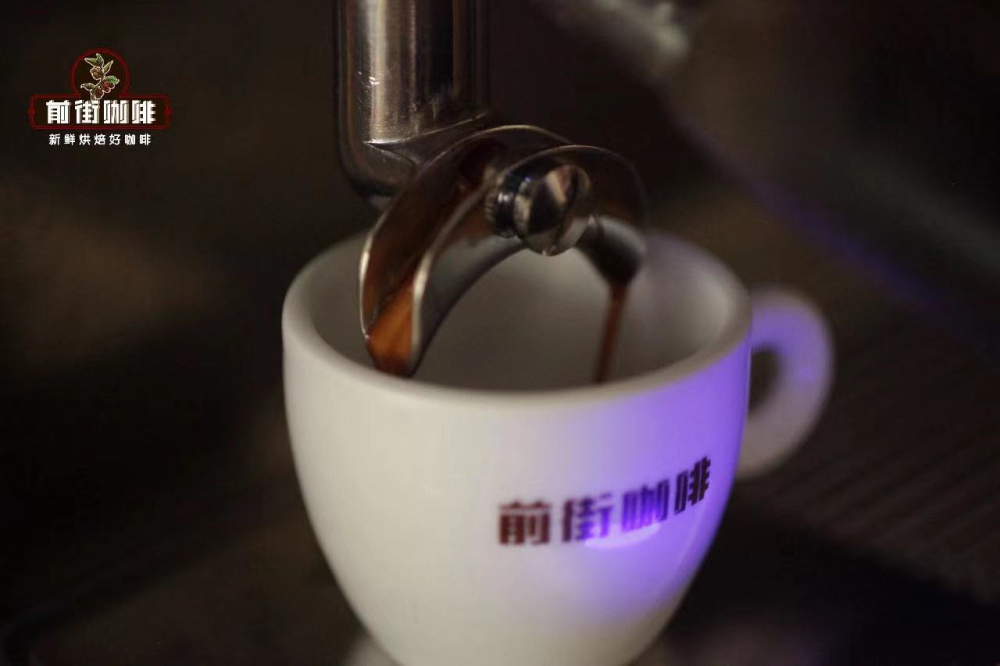
Making espresso means forcing near-boiling water through grounds as fine as flour under extremely high pressure, pulling a rich coffee liquid out in a short time. The high pressure, high temperature, and fine grind extract more flavor compounds from the beans. Pour-over beans, by contrast, are matched to specific roast curves and brewing parameters so that regional terroir and processing method combine into a distinctive profile, and they are typically roasted to a lighter degree. Put them under espresso's relatively extreme extraction parameters and some of that flavor expression becomes exaggerated, turning into sharp acidity.
There is also a practical problem: making SOE means a different grind size for each bean, with brewing temperature and other parameters shifting accordingly. Ambient temperature and humidity also affect the grind significantly, so the final result is inconsistent. That is why FrontStreet Coffee's shops do not offer SOE.
FrontStreet Coffee's Espresso Blend
Instead, FrontStreet Coffee uses a carefully built blend -- FrontStreet Sunflower Warm Sunshine -- for espresso. Wine-like aromas are uncommon in espresso, and in milk coffee a suitable level of acidity brings out the sweetness of the milk, so the shop's daily-use Sunflower Warm Sunshine Blend is 70% FrontStreet Honduras Sherry beans blended with 30% FrontStreet Ethiopia Natural Red Cherry beans.

FrontStreet Honduras Sherry beans are refined-washed after harvest, then fermented at low temperature in sherry whiskey barrels for 30 to 40 days and finally shade-dried. Anyone who knows whiskey knows how much the barrel matters: port barrels bring savory notes, while sherry barrels give more fruit and honey sweetness. FrontStreet Honduras Sherry carries the same character as sherry-barrel whiskey -- sweet and delicious, lending whiskey aromas along with rich vanilla and cream to the espresso.
The 30% FrontStreet Ethiopia Natural Red Cherry is a natural-process coffee from the Red Cherry Project in Ethiopia's Yirgacheffe region. It contributes bright African acidity to the Sunflower Warm Sunshine blend and does a great deal to lift the sweetness of milk coffee.
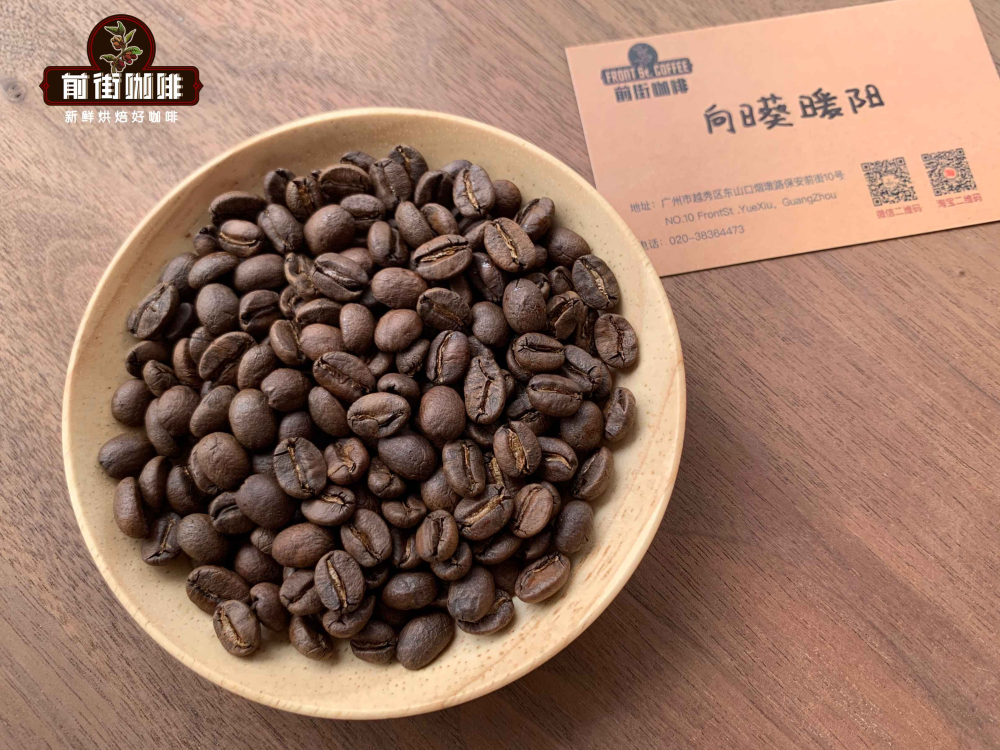
FrontStreet Coffee - Sunflower Warm Sunshine Espresso Blend
Origin: Honduras & Ethiopia
Varieties: Caturra, Catuai, Pacas, Local Native Varieties
Processing: Washed & Natural
Many drinkers, on learning the formula, think about buying FrontStreet Honduras Sherry pour-over beans and FrontStreet Ethiopia Natural Red Cherry pour-over beans and blending them at home. That does not work. Even if you do it, you will not reproduce the taste of Sunflower Warm Sunshine, because the roast level and roast curve are completely different for a different brewing method and set of parameters. The result can easily be bitter, astringent, and hard to swallow.
Misconceptions About Single-Origin Coffee
Single-origin coffee is widely misunderstood. Take FrontStreet Coffee's Panama Natural Flower Butterfly as an example.
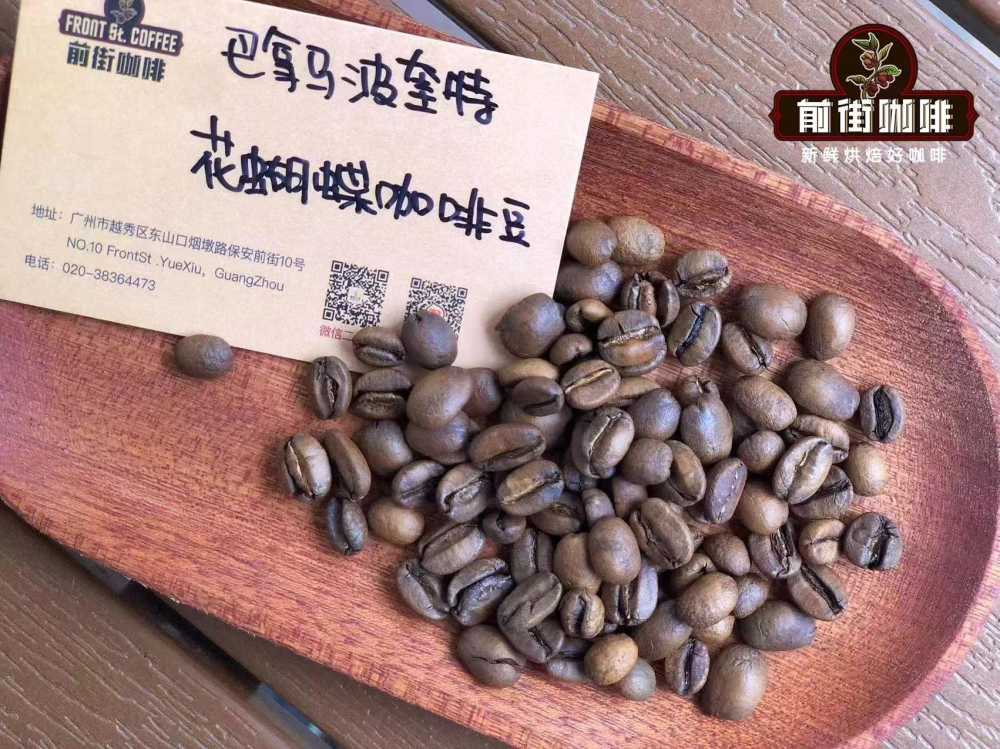
FrontStreet Coffee - Panama Natural Flower Butterfly Coffee Beans
Origin: Panama Boquete Region
Altitude: 1600 meters
Varieties: 70% Geisha, Caturra, Catuai
Processing: Natural Process
Many people hear "single-origin" and assume it means single-variety. Flower Butterfly contains three varieties, so they conclude it cannot be single-origin. That is incorrect. Although Flower Butterfly contains Geisha, Caturra, and Catuai, every bean comes from the same origin and the same region, which is what makes it a single-origin coffee.
There are various reasons for blending different varieties from one region. Sometimes it is for a more balanced profile. FrontStreet's Panama Flower Butterfly is a product of the farm's own history: in the early planting years, Geisha, Caturra, and Catuai trees were mixed together for yield. For convenience, farmers did sort the three varieties at picking, but they were mixed again for export processing, with the aim of expressing a rich, mellow cup.
So the meaning of single-origin coffee is coffee from a single origin or a single region -- not necessarily a single variety.
Brewing Recommendations
If you want to taste the wine-like aromas of FrontStreet's Sunflower Warm Sunshine espresso blend at home without committing to large amounts of espresso, this blend is the answer. When FrontStreet developed the formula, they already had in mind drinkers who want both espresso and pour-over but do not go through much espresso. Sunflower Warm Sunshine works for pour-over as well.
Because FrontStreet roasts Sunflower Warm Sunshine medium-dark, FrontStreet Coffee suggests 88C water, a KONO dripper, and a medium-coarse grind size.
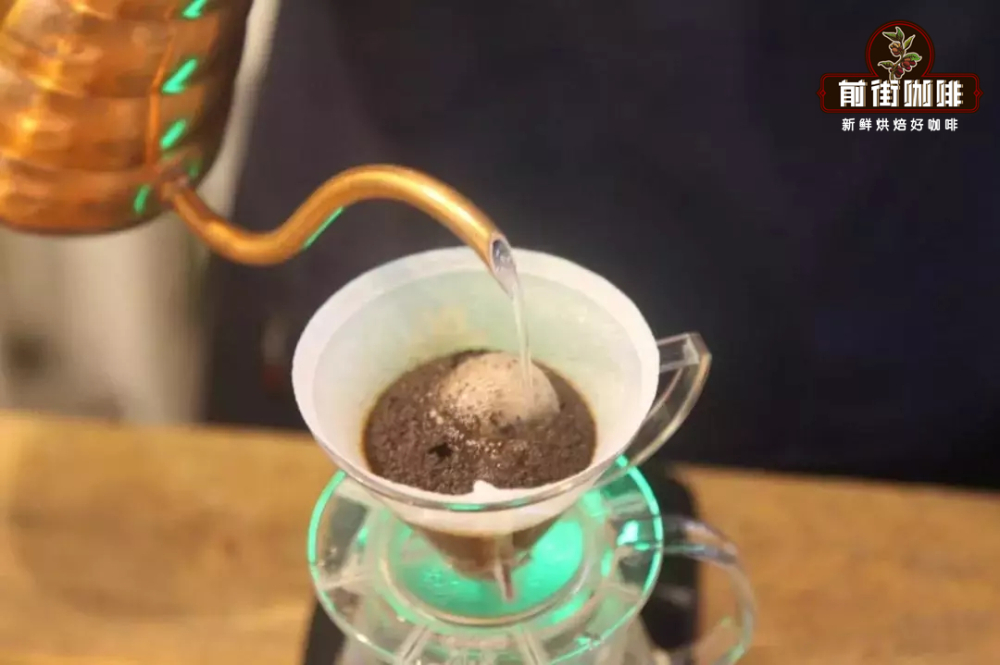
Brewing Parameters:
Dripper: KONO Dripper
Water Temperature: 88C
Coffee Amount: 15 grams
Coffee-to-Water Ratio: 1:15
Grind Size: 70% pass-through rate on China #20 sieve
First, pour 30g of water to wet the grounds and let them bloom for 30 seconds. Continue with a small stream from the center, circling slowly to 125g. When the water level in the dripper drops to just above the coffee bed, continue pouring to 225g. Total extraction time should be around 2 minutes.
FrontStreet Coffee Recommendation
Brazil is the backbone of most espresso blends, and it earns the spot. Its low acidity and balanced, approachable cup make it easy to work with, which is why FrontStreet Coffee's Cerrado Red Bourbon -- a classic Brazilian single origin, roasted medium -- shows cream peanut, toast, caramel, and hazelnut aromas with a round body, low acidity, and a slight bitter edge. It handles pour-over, moka pot, SOE, siphon, and French press.
If you want a sweeter, rarer Brazilian, try FrontStreet Coffee's Queen Estate Yellow Bourbon from Mogiana, grown on fertile red volcanic soil. The rare yellow Bourbon mutation gives a cleaner fruit character with a sugarcane sweetness plus fruit and chocolate notes that other regions do not deliver.
Brazilian beans also sit at the center of FrontStreet Coffee's espresso blends -- the Classic Blend, Specialty Blend, Dark Cocoa Blend, and Commercial Blend all use them. Brazil contributes chocolate and cream aromas and a soft sweet-bitter balance, and that balance is what makes extraction stable. Whether you are pulling shots or brewing the blend as pour-over at 88C, it is a forgiving place to start.
Important Notice :
FrontStreet Coffee is a long-established specialty coffee roaster in Guangzhou China, selling freshly roasted beans from its own farm in Yunnan as well as dozens of carefully selected single-origin beans from around the world for both pour-over and espresso. The products deliver consistently excellent quality and great value, with shipping within 24 hours. Guangzhou's FrontStreet Coffee shop is recommended by many coffee lovers, and the beans are now available online at the Tmall 。
FrontStreet Coffee has moved to a new address:
FrontStreet Coffee Address: 315,Donghua East Road,GuangZhou
Tel:020 38364473
 Scan and follow the En Gafei WeChat official account. Please indicate that the reprint comes from "En Gafei".