Introduction to Indonesian Mandheling Coffee Bean Varieties and Characteristics | Correct Brewing Methods and Flavor Profile Description for Golden Mandheling Coffee
The Diverse World of Mandheling Coffee at FrontStreet Coffee
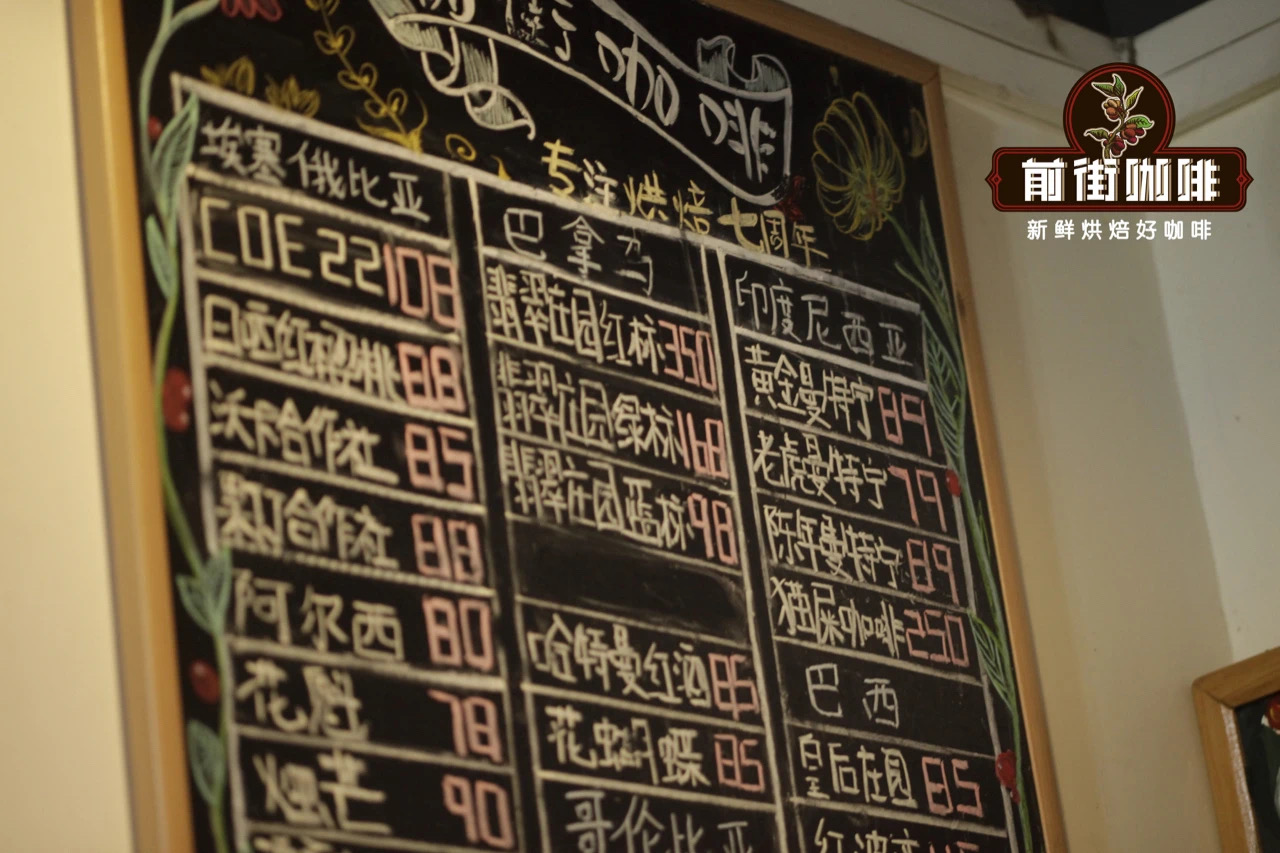
Regular customers of FrontStreet Coffee may have noticed that the menu carries nearly 50 different coffees, each a carefully selected bean that showcases a distinct growing region. Among these, the Mandheling selections draw particular attention — many visitors are surprised to discover, "There are this many kinds of Mandheling?"
Indeed, FrontStreet Coffee offers five distinct Mandhelings: Gold Mandheling, Tiger Mandheling, Aged Mandheling, Wahana Estate Natural Mandheling, and Lintong Mandheling. All belong to the Mandheling family, but each has its subtle differences. For example, the 2020 harvest of the PWN Gold Mandheling uses the Ateng variety (the local name for Catimor), while the other four are Typica. Compared with the other four, the PWN Gold Mandheling offers a cleaner flavor profile — lacking the typical earthy notes of regular Mandheling and showing a more pronounced sweet aftertaste.
Catimor Coffee Varieties
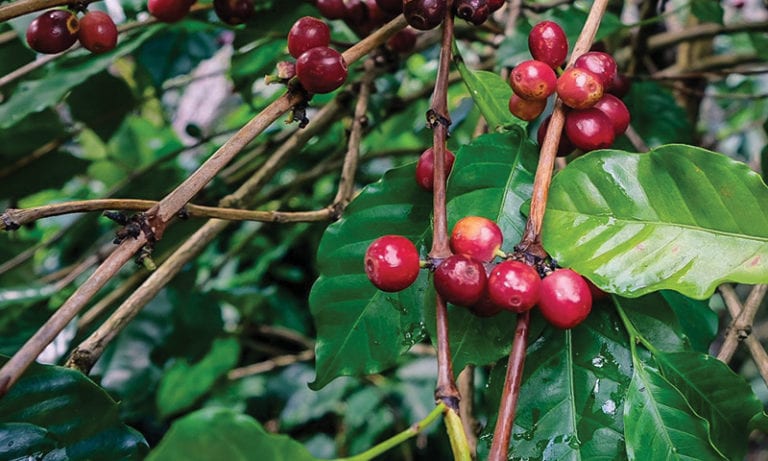
Catimor is a group of pure-line coffee cultivars originating from a hybrid between Timor (Timor Hybrid: a natural cross between Arabica and Robusta) and Caturra. It delivers high productivity and resists coffee leaf rust and Coffee Berry Disease (CBD). One of the first widely used Catimor varieties was CR (Costa Rica) 95, released around 1995; others include Catimor 129 and Catimor F6. Because of its high yield, relatively low altitude requirements, and good pest and leaf rust resistance, it is widely grown across Central and South America and Asia. But since Catimor carries Robusta genes, it remains controversial — some believe its flavor is inferior to most Arabica coffees. FrontStreet Coffee believes variety does influence flavor, but human factors matter too: picking, sorting, and processing.
The Authenticity of Gold Mandheling
Take FrontStreet Coffee's PWN Gold Mandheling as an example. All of it comes from the PWN (Pawani) green bean company. Since "Gold Mandheling" is a registered trademark of PWN, strictly speaking only Gold Mandheling from PWN counts as the genuine article. Every bag FrontStreet Coffee sells comes with PWN's factory certificate and green bean bags printed with the PWN logo, so customers can buy with confidence. Because PWN's annual Gold Mandheling production is limited, some vendors pass ordinary Mandheling off as Gold Mandheling. If you can't tell them apart, ask the seller for the PWN factory certificate and photos of the green bean bags bearing the PWN logo.
Typica Coffee Heritage
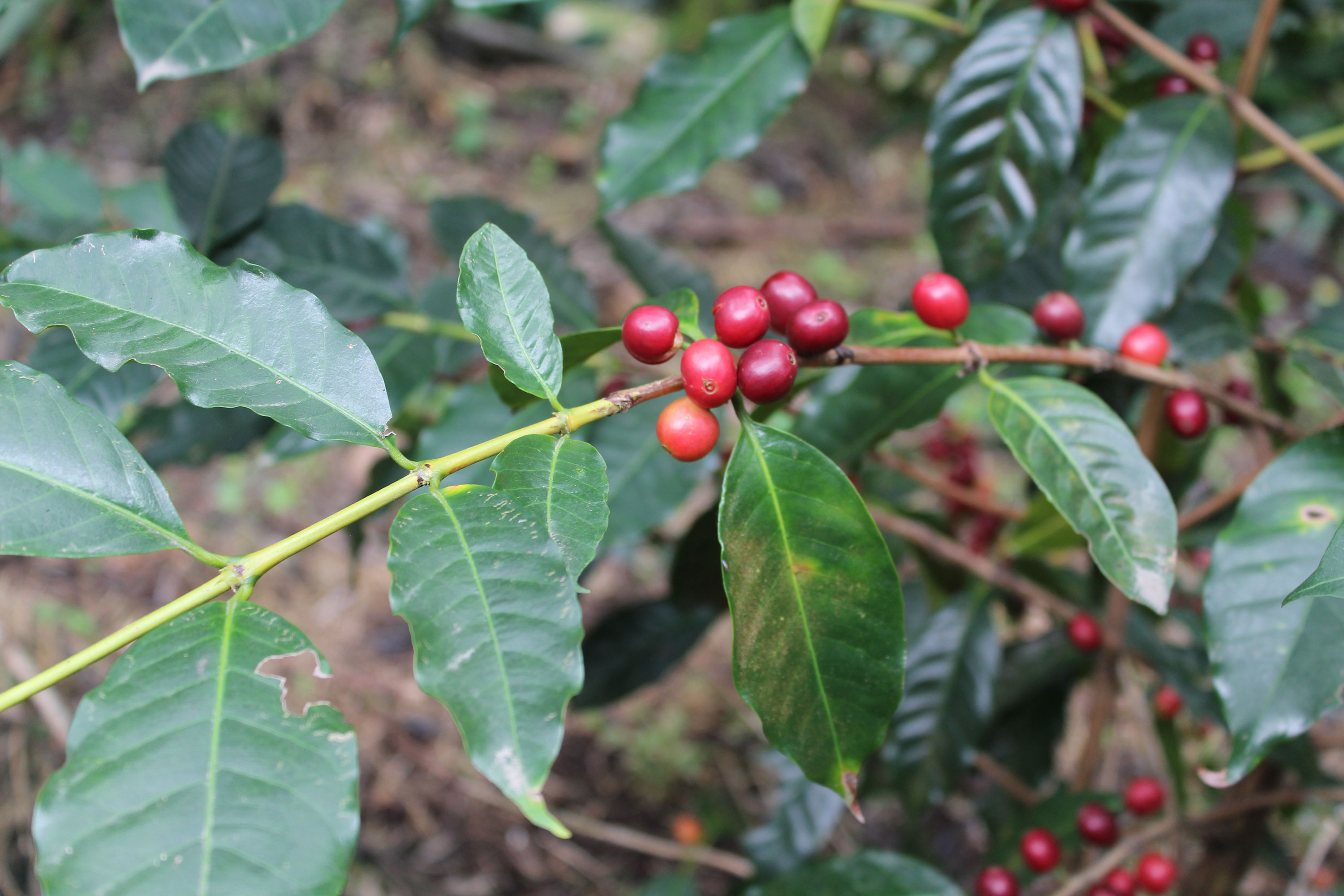
Typica is one of the most iconic coffee varieties in the world. It traces back to Ethiopia, the birthplace of Arabica coffee, and is essential to understanding the coffee we drink today. Typica cups at an exceptionally high level — elegant and refined, with complex floral and fruit flavors. Its history begins in southwestern Ethiopia like all other Arabica. Arabica reached Yemen between the 15th and 16th centuries, and India by 1700. The seeds sent to the Malabar Coast of India and to Java, Indonesia, are what we now know as Typica.
Later, a global leaf rust epidemic swept Indonesia and nearly wiped out the original Typica plants. To save the country's coffee industry, the government introduced various replacement varieties. The most widely cultivated today is called Ateng — in fact Catimor. Because it was first planted in the central Aceh region, all coffee spread from that area is called Ateng (an abbreviation of Central Aceh).
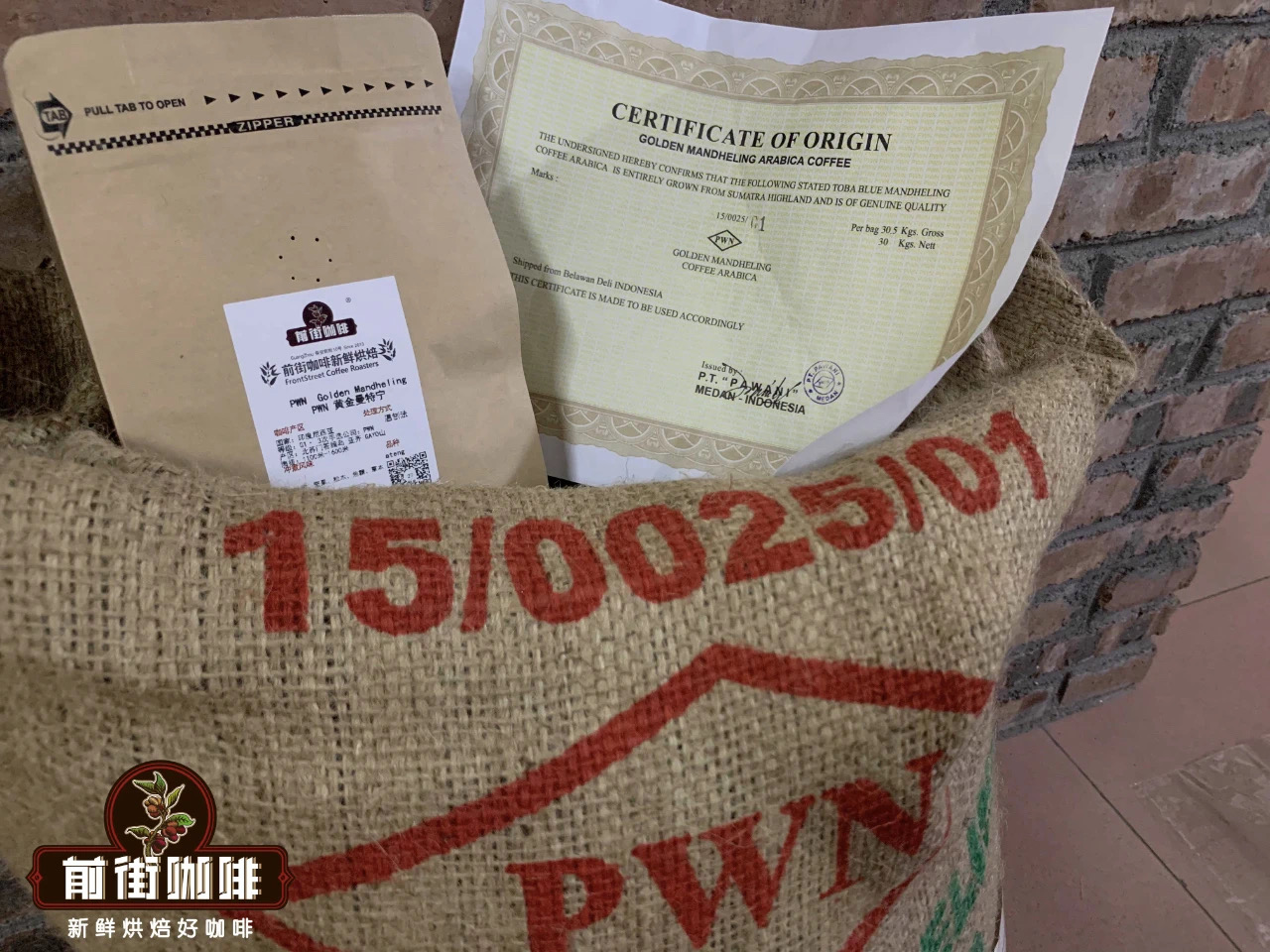
Aceh Gayo Coffee Region
Today FrontStreet Coffee's PWN Gold Mandheling uses Ateng beans from the Aceh Gayo Mountain region. Aceh sits at the northernmost tip of Sumatra, and since peace returned to the province, external trade has resumed. Coffee merchants found that quality there outshines even the Lake Toba region, so many top Mandheling beans now come from Aceh.
The Origin of the Mandheling Name
While most coffees are named after their growing region or country, Mandheling is named after the Mandailing people, who traditionally grow and process these beans. During World War II, a Japanese soldier stationed in Sumatra asked a local where his coffee came from. The man, misunderstanding the question as being about his ethnicity, replied: "Mandailing." When this sensational coffee later reached Japan, the pronunciation morphed "Mandailing" into "Mandheling" — and the name stuck.
Mandheling Coffee Characteristics
Mandheling specifically refers to Arabica beans grown in northern Sumatra. The cup is smooth, rich, and full-bodied, with low acidity, exotic notes, and a distinct sweet aftertaste. Traditional Sumatran Mandheling also carries herbal flavors — inseparable from its unique processing method, Giling Basah (wet hulling), also known as "wet dehulling."
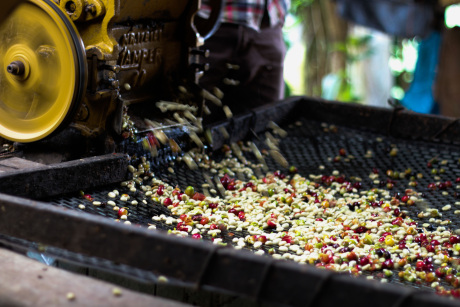
Giling Basah Processing Method
Most smallholder farmers in Sumatra, Sulawesi, Flores, and Papua use the Giling Basah process. Ripe cherries are harvested and run through locally made pulping machines that mechanically remove the outer skin. The mucilage-coated beans can be stored for up to a day, during which natural fermentation breaks down the sticky residue. The beans, still protected by their parchment shells (endocarp), are then washed before drying. Unlike traditional drying, where parchment coffee dries to about 12% moisture, in Giling Basah the beans are hulled at 30-35% moisture — still semi-wet — exposing the green beans directly to the air to speed up drying until they reach an exportable 12%. This process gives the beans a unique blue-green appearance and is believed to reduce acidity and increase body, creating the classic Indonesian flavor profile.
FrontStreet Coffee's Brewing Recommendations
To bring out the rich, smooth character of Mandheling, FrontStreet Coffee has developed a standard pour-over recipe:
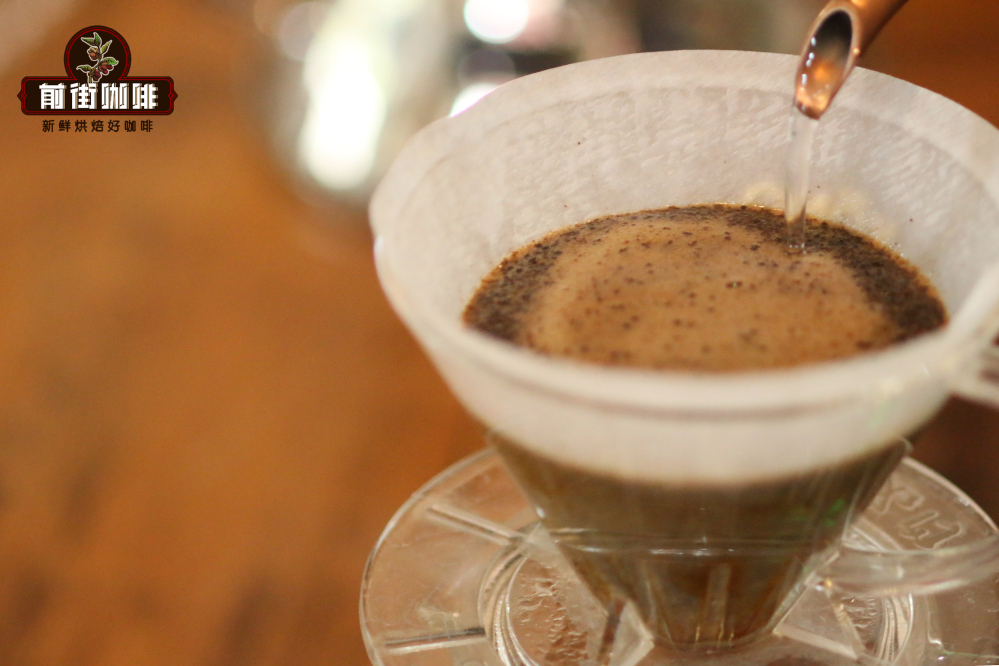
- Kono dripper
- 88°C water temperature
- 15g coffee dose
- 1:15 coffee-to-water ratio
- Medium-coarse grind (70% pass-through rate on China standard #20 sieve)
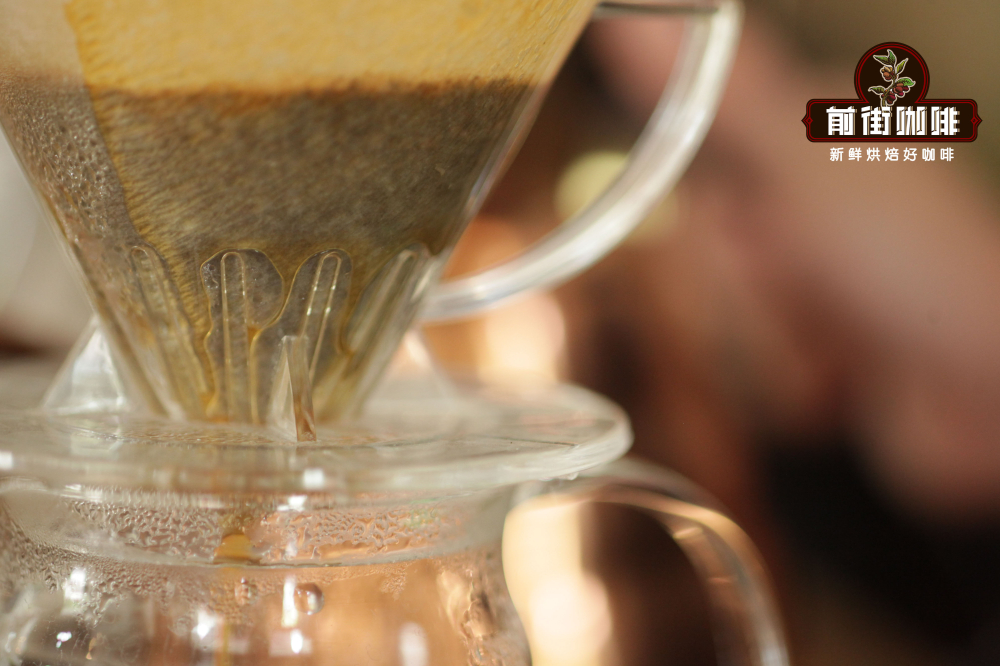
Loyal customers may know that mainstream brewing temperature recommendations run between 86-93°C — hotter for light roasts, cooler for dark. FrontStreet Coffee's Mandhelings are mostly dark roasted, with longer Maillard reactions and caramelization that destroy many small flavor molecules. Brewed with water above 90°C, they more easily extract bitter large-molecular compounds. So FrontStreet suggests water below 90°C, primarily to prevent over-extraction. The Kono dripper is chosen because its conical design distributes the grounds evenly and delivers very stable flow into the lower vessel. Note the Kono's shorter ribs at the bottom: during brewing, the filter paper above the ribs and in the grooves fits the wall more tightly, ultimately producing a richer cup.
Pouring method: First pour 30ml of water and bloom for 30 seconds. Second, pour 120ml in a circular motion. Third, pour another 75ml in circles, for a total extraction time of 2 minutes.
FrontStreet Coffee Recommendation
Among all Mandhelings, none satisfies detail-obsessed coffee lovers like Gold Mandheling, the flagship of top-grade Sumatran coffee. PWN applies extremely strict standards: based on beans of 18 mesh and above, every 300g green sample must contain fewer than 3 defective beans to meet the highest G1 grade, followed by three rounds of hand sorting that remove every flaw and lift both the cup's cleanliness and its sweetness. That rigor is exactly why FrontStreet PWN Gold Mandheling stands at the top of the Mandheling family — and why supply is limited.
Its pouring ritual rewards patience: 15g of coffee at a 1:15 ratio, water at 87-88°C, a coarse-sugar grind, and a three-stage pour — a 30ml bloom to wet the bed and degas, 100ml to lift the crema-like golden foam and raise the bed, then a final gentle 95ml centered pour that heightens sweetness. The finished cup shows a thick, syrupy body with caramel sweetness, chocolate, and nuts. If you'd rather chase the wilder side of Sumatra, the entry-level FrontStreet Lintong Mandheling from the traditional Lake Toba region keeps that earthy, herbal intensity — clove and woody aromatics, low acidity, and a strong, lasting sweetness.
Important Notice :
FrontStreet Coffee is a long-established specialty coffee roaster in Guangzhou China, selling freshly roasted beans from its own farm in Yunnan as well as dozens of carefully selected single-origin beans from around the world for both pour-over and espresso. The products deliver consistently excellent quality and great value, with shipping within 24 hours. Guangzhou's FrontStreet Coffee shop is recommended by many coffee lovers, and the beans are now available online at the Tmall 。
FrontStreet Coffee has moved to a new address:
FrontStreet Coffee Address: 315,Donghua East Road,GuangZhou
Tel:020 38364473
 Scan and follow the En Gafei WeChat official account. Please indicate that the reprint comes from "En Gafei".