The Origin of Kopi Luwak: The Tragic Story Behind Kopi Luwak Coffee and Its Flavor Description
What Is Kopi Luwak?
One of the world's most expensive coffees, Kopi Luwak—originally known as civet coffee—is produced in Indonesia. There may be plenty of coffees labeled Kopi Luwak on the market, but only the Indonesian original is the real thing. Kopi Luwak from other regions may simply be coffee with Kopi Luwak flavoring. Just like Blue Mountain coffee, there are many coffees on the market labeled as Blue Mountain.
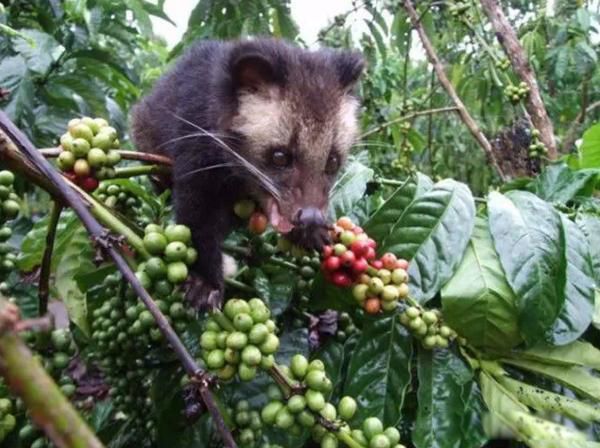
The Asian palm civet is an omnivorous wild animal native to Indonesia, known for its pointed snout and dark gray fur. It prefers to select mature, sweet, thoroughly red coffee cherries as its treat. When cherries pass through the civet's digestive tract, the pulp is digested while the hard, indigestible beans are excreted. The beans ferment naturally inside the animal, giving rise to the remarkable Kopi Luwak process: as the civet passes the beans, they come into contact with musk oil secreted by the reproductive organs and pick up an extra layer of flavor. Through this digestive journey the beans undergo a magical change, developing a unique flavor that is exceptionally aromatic and mellow, beyond comparison with other beans.
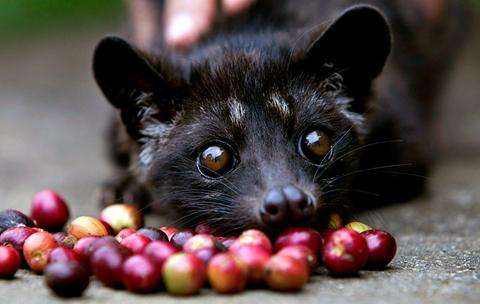
Civets are found across the Indochinese Peninsula, northeastern India, Bangladesh, Bhutan, Sikkim, Nepal, and Kashmir, but only the Sumatran civet is the Indonesian civet. They mainly inhabit tropical rainforest and subtropical evergreen broad-leaved forest edges, shrublands, and grasslands below 2100 meters altitude, choosing rock caves, soil burrows, or tree hollows as their habitat. The coffee varieties involved are predominantly Robusta, because civets are active in mid-to-low altitude areas; high-altitude Arabica Kopi Luwak is rare.
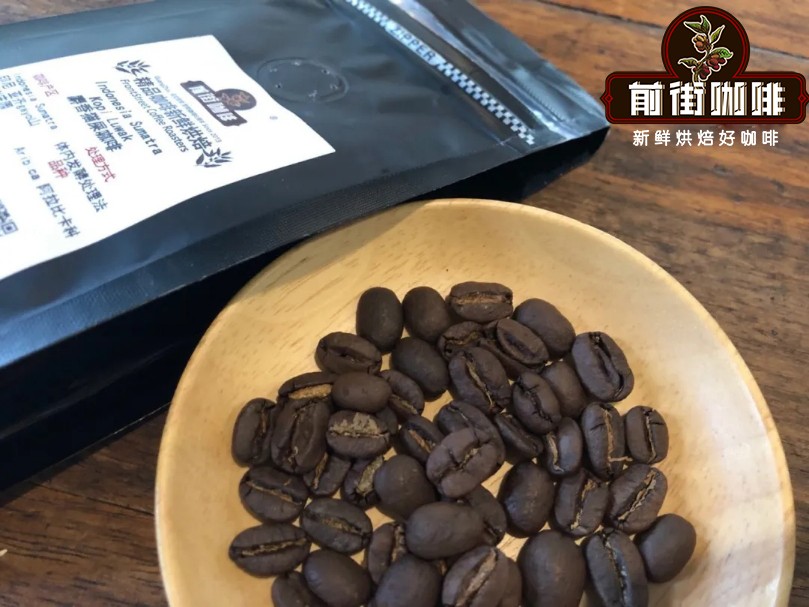
Indonesians discovered that beans fermented in the civet's digestive system were especially rich and mellow, so they began collecting civet droppings, filtering out the beans, and brewing them. Scarce production and a unique fermentation process make the flavor markedly different from ordinary coffee. Traditionally, cherries are processed by washing or sun-drying to remove the skin, pulp, and parchment before the bean is extracted; the Luwak, by contrast, uses natural fermentation inside its body to strip away those layers, producing a special taste.
What Does Kopi Luwak Taste Like?
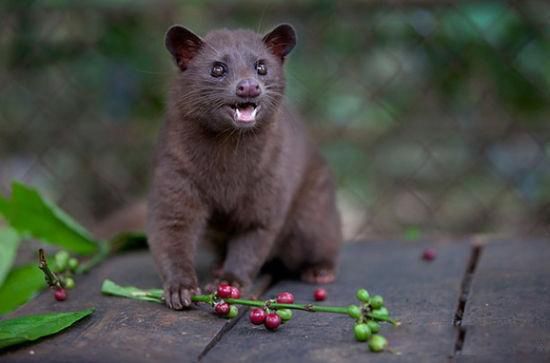
Civets have a varied diet: animal foods such as small mammals and birds, plus plant foods including the stems and leaves of nightshade plants, seeds from various figs, and fruits like trash berries and winter cherries. Civets digest plants poorly, so berries are more like dessert—meat is their main food. Because of this poor plant digestion, they mainly inhabit broad-leaved forests, shrublands, and agricultural areas across South and Southeast Asia. Those regions also happen to suit coffee trees, so many of the winter cherries civets eat are in fact coffee cherries. Civets can only digest the peel and pulp; the pit inside—the coffee bean—is eventually excreted. Since civets live in Indonesia's low-altitude areas, where the coffee grown is the lower-quality Robusta, Kopi Luwak carries the earthy, herbal flavors characteristic of Robusta. Combined with the special processing, the coffee has high viscosity, with a syrup-like mouthfeel that is rich and substantial.
The Evolution of Kopi Luwak
At first, locals gathered wild civet droppings from the forest, extracted the undigested seeds, and processed them into green beans. Limited production and a unique internal fermentation drew the attention of businessmen, who began capturing civets on a large scale for caged farming—so that civets, which should eat meat, were fed only coffee cherries, whose nutrients cannot keep them healthy. The argument made is that although the beans aren't digested, the highly corrosive digestive juices have already eaten into their surface, and those juices contain a special protease that breaks the bean's original protein chains down into short-chain peptides and amino acids. In fact, because the animals eat only coffee cherries over the long term, a civet may excrete the beans just one or two hours after eating. One or two hours in the stomach is not enough to produce the changes described above, and the bean is still the same bean that went in—even if the flavor changes, it is only by a tiny degree.
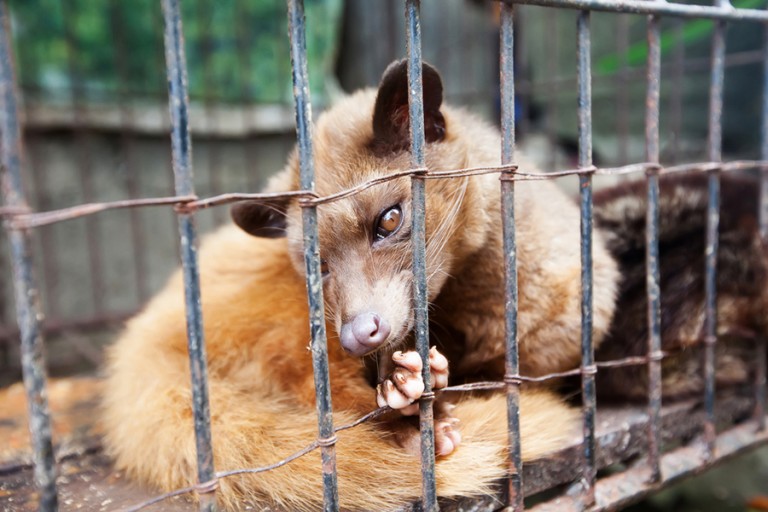
Civets are nocturnal animals that live in the jungle and eat sparingly. Beans from wild civets are extremely rare, so only artificial breeding yields more Kopi Luwak. Some unscrupulous suppliers keep the animals in narrow, dirty cages and force them to keep eating. They come to the brink of collapse—biting their companions, biting their own legs, passing blood, dying one after another.
The beans fed to captive civets are not screened, so there are no high-quality beans among them. As a result, the coffee inevitably tastes inferior to genuine Kopi Luwak. Many businesses still label their coffee Kopi Luwak regardless, which is why fakes are so common.
How Does FrontStreet Coffee Brew Kopi Luwak?
To better express the herbal notes and rich mouthfeel of Kopi Luwak, FrontStreet Coffee uses a medium-dark roast. Medium-dark beans generally have a higher dehydration rate, making them lighter in weight. During brewing, the grounds don't fully sink—water is absorbed the moment it's poured. Vigorous degassing forms bubbles around the grounds and creates channels, which persist longer with fresher beans and cause the water level to drop quickly. We tend to use a coarser stream and circle slowly. FrontStreet Coffee uses KONO drippers here, because they produce a rounder, mellower body and a more direct expression of flavor.
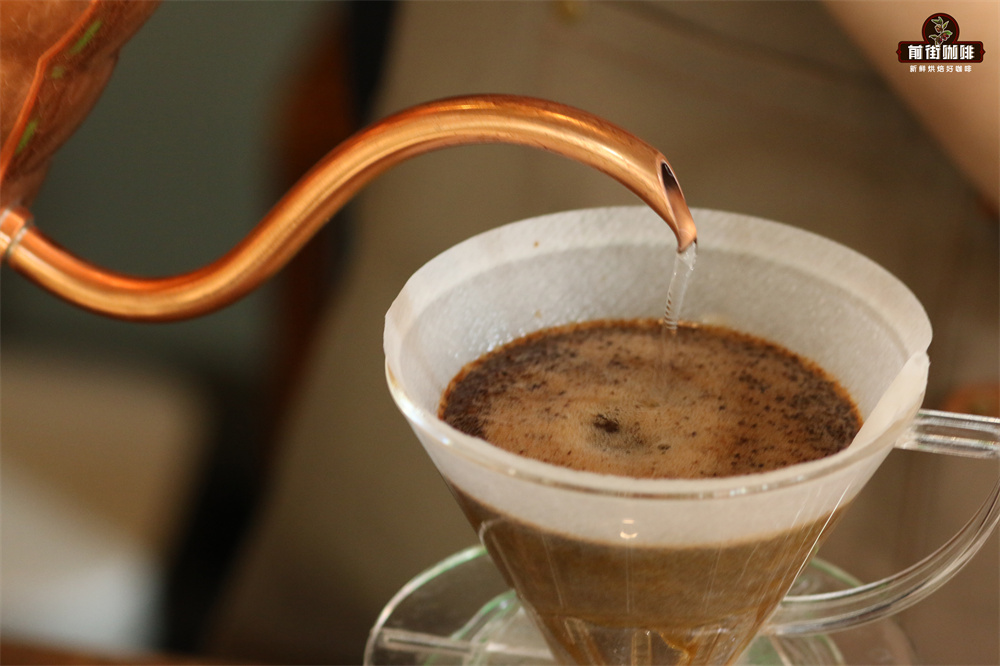
KONO dripper, 88°C water, 1:15 coffee-to-water ratio, 15g of grounds, grind size 75% pass-through rate on a #20 standard sieve, three-stage extraction.
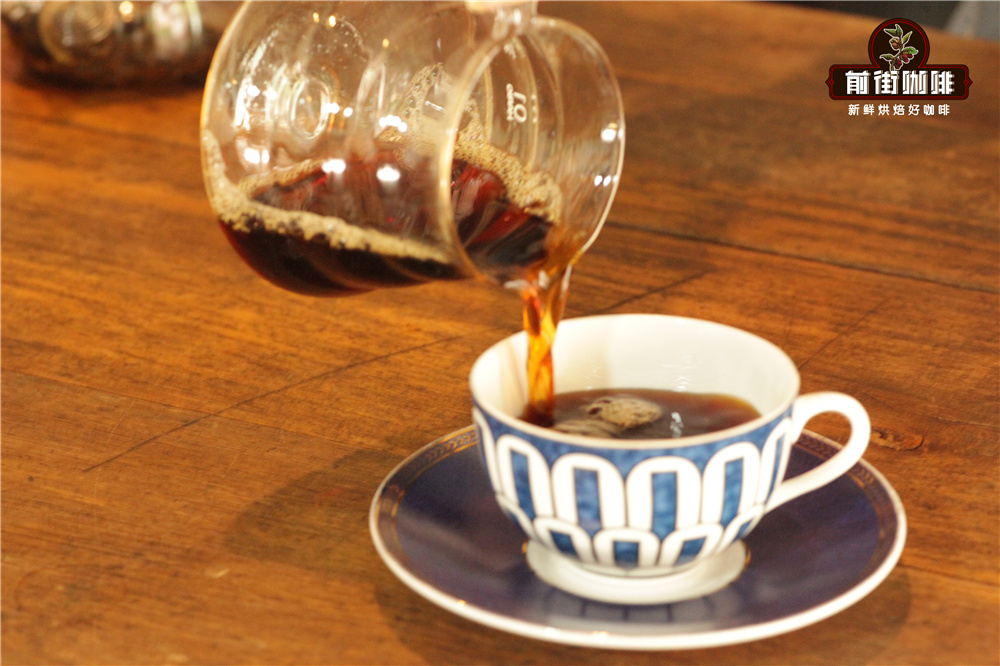
Using staged pours, bloom with twice the weight of the grounds in water—30g for 30 seconds. Blooming lets the grounds release trapped carbon dioxide, making the rest of the extraction more stable. Pour in small circles until you reach 125g, then continue to 225g and stop. Wait for the dripper to finish draining, then remove it. Timed from the start of pouring, extraction is 2'00". Then lift the cup, swirl it to mix, and pour out for tasting.
Kopi Luwak flavor characteristics: herbal, nutty, smooth mouthfeel, rich and mellow.
While genuine Kopi Luwak is quite good, FrontStreet Coffee really doesn't recommend drinking it anymore, because what you might get is not genuine Kopi Luwak but an artificially produced imitation. Captive farming is too cruel, and the taste isn't good either. In fact, FrontStreet Coffee believes Kopi Luwak is still just coffee, and all coffee has the same effects. FrontStreet Coffee carries over fifty single-origin coffees from around the world. Different varieties naturally offer different flavors—try more of them and you'll find other coffees are every bit as delicious. For example: Panama's Geisha coffee, Ethiopia's floral and fruity coffees, Indonesia's Mandheling, and so on.
FrontStreet Coffee's Brewing Suggestions
Variety matters, but freshness matters just as much. To brew a delicious cup, FrontStreet Coffee believes any brewing method demands fresh beans. FrontStreet Coffee has always held that bean freshness greatly affects flavor, so it ships beans roasted within 5 days. Its roasting philosophy is "Freshly Roasted Good Coffee," ensuring every customer who orders receives the freshest coffee. The resting period is around 4-7 days, so when the coffee arrives it's at its optimal flavor.
For those who need ground coffee, a friendly reminder: once beans are pre-ground, no further resting is needed, because the pressure of carbon dioxide inside the packaging during shipping also helps mellow the flavor, so you can brew a cup as soon as the ground coffee arrives. Ground coffee should be brewed promptly, though, as it oxidizes quickly in air and the flavor fades relatively fast. FrontStreet Coffee therefore recommends buying whole beans and grinding fresh before brewing to appreciate the coffee at its best.
FrontStreet Coffee Recommendation
If Kopi Luwak has you curious about the world's most storied coffees, FrontStreet Coffee's Jamaican flagship is a far better—and far more humane—place to start.
FrontStreet Jamaica Blue Mountain No. 1
Grown in the Blue Mountains and sourced from Clifton Estate through the Jamaica Coffee Board's designated export channel, shipped in the estate's own certified wooden barrels. FrontStreet roasts it medium-dark to bring forward nuts, dark chocolate, cream, and cocoa, with acidity and bitterness finely balanced, a full body, and a clean, lingering finish. It is remarkably versatile—pour-over, moka pot, or espresso—and holds up beautifully with milk. For a plunge into the "world's classic coffees" theme, this is the one.
Important Notice :
FrontStreet Coffee is a long-established specialty coffee roaster in Guangzhou China, selling freshly roasted beans from its own farm in Yunnan as well as dozens of carefully selected single-origin beans from around the world for both pour-over and espresso. The products deliver consistently excellent quality and great value, with shipping within 24 hours. Guangzhou's FrontStreet Coffee shop is recommended by many coffee lovers, and the beans are now available online at the Tmall 。
FrontStreet Coffee has moved to a new address:
FrontStreet Coffee Address: 315,Donghua East Road,GuangZhou
Tel:020 38364473
 Scan and follow the En Gafei WeChat official account. Please indicate that the reprint comes from "En Gafei".