This is a Fish Like No Other~
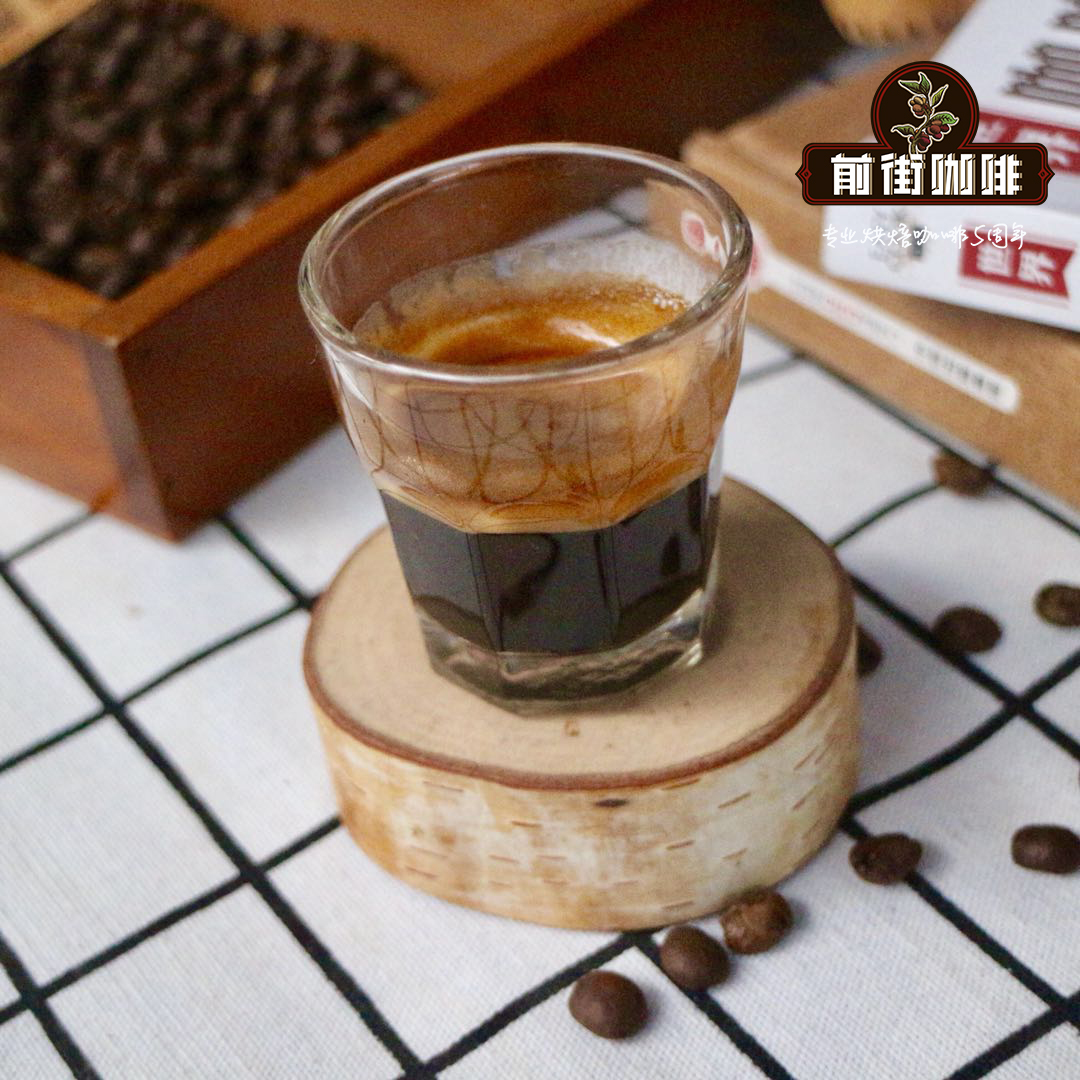
Kongyu AA Kenya Coffee
The cherries for this batch of Kongyu AA were harvested and processed by 250 farmers of the Kongyu processing station under the Kabare Farmers Cooperative Society. After being depulped, fermented, and washed with water from the nearby Kongyu River, the coffee is laid out on African drying beds to dry. Each season the farmers process nearly 300 tons of coffee cherries. Once processed, the coffee is sold through the weekly auction held every Wednesday in Nairobi, and once chosen by designated exporters it ships to consumer markets worldwide.
With previous Kenya coffees we particularly chased that angular, forceful, powerful fruit acidity — but this Kenya showed me a gentler side, like standing before the sea with a soft breeze blowing.
Detailed Specifications
Country: Kenya
Grade: AA
Region: Kirinyaga region
Altitude: 1550-1750 meters
Soil Type: Red phosphatic soil
Processing Method: Kenyan double-washed processing method
Varieties: SL 28, SL 34
Processing Station: Kongyu processing station
Producer: Kabare Cooperative Society
Flavor Profile: Grapefruit green tea, citrus, raspberry black plum
Kenya Coffee Background
Located in East Africa, Kenya is one of the major coffee-producing countries, with roughly six million people working in the coffee industry, mostly as smallholders and cooperatives.
Kenya's coffee trees grow mostly at altitudes between 1,400-2,000 meters, across regions including Ruiri, Thika, Kirinyaga, Mt. Kenya West, Nyeri, Kiambu, and Muranga — with the foothills of Mt. Kenya and the Aberdares as the principal areas.
Many Kenyan coffee regions work hard to preserve native forest ecosystems, protect natural gene banks, support the reproduction of wild coffee varieties, and nurture diverse coffee trees.
In 1930, Kenya's signature varieties SL28 and SL34, bred and named by the "Scott Laboratories," were born in exactly such a favorable environment.
According to the SL laboratory's botanists, SL28 and SL34 are genetic variants. SL28 carries mixed lineage from French mission stock, Mocha, and Yemen Typica, and its original purpose was to mass-produce beans combining high quality with disease and pest resistance.
Although SL28's yield later fell short of expectations, its copper-colored leaves and broad bean-shaped cherries deliver wonderful sweetness, balance, and complexity, with prominent citrus and black plum character. SL34 resembles SL28 in flavor, but beyond its complex acidity and lovely sweet finish, its mouthfeel is heavier and richer than SL28's — and cleaner. SL34 descends from French mission stock, Bourbon, and further Typica lines. Its bean appearance is similar to SL28's, but it copes better with sudden heavy rains. Together, these two varieties define the unmistakable Kenyan style: powerful, rich fruit acidity, a full mouthfeel, and beautiful balance.
Brewing Method
Hand-poured Kongyu: 15g of coffee, medium-fine grind (Fuji ghost-tooth blade at setting 3.5), V60 dripper, 91-93°C water. First pour 30g of water and bloom for 27 seconds, then pour to 105g and stop. Wait until the water level in the bed drops to half, then pour slowly to 225g. Avoid the tail end of the brew. Coffee-to-water ratio 1:15, total extraction time 2:00.
Flavor Description
Strong lemon and plum in both dry and wet aroma. At a light roast, the sip bursts with floral and lemon aromatics plus the sweet-tart juiciness of grapefruit green tea and citrus juice. Roasted slightly deeper, notes of honey and raspberry-black plum emerge, while the aftertaste carries the pleasant sweet-sour touch of green tea.
This coffee comes from the Kabare Cooperative Society's Kongyu processing station in Kirinyaga, processed by the Kenyan double-washed method. It grows on the eastern slopes of Mt. Kenya in Embu County at 1550-1750 meters, from the classic SL28 and SL34 varieties. Combined with the large day-night temperature swings and Kenya's red phosphatic soil, sweet-tart notes become the defining flavor tone of this coffee.
FrontStreet Coffee Recommendation
Washing is the traditional way of processing cherries with water: flotation, depulping, soaking and fermenting to remove the mucilage, rinsing or further soaking, then drying and hulling. The long soak drives chemical changes inside the bean and consumes much of its simple sugars while raising organic acids, so washed coffees keep more of the bean's own character while gaining bright fruit acidity and a clean, fresh cup.
Kenya is a master of this craft, and the FrontStreet Kenya Cherry Tomato is one of its best-known representatives. The double-washed process repeats the rinse-and-soak cycle before drying, coaxing the juice-like character to the extreme: cherry tomato, dried dark plum, snow pear, black plum, and golden sugar aromas in a sweet-tart, juicy cup that coffee enthusiasts adore.
Other washed classics worth trying from FrontStreet Coffee include the Yirgacheffe Worka Cooperative lot — a smallholder collective whose meticulous washing shows jasmine florals and bright citrus acidity with green tea and honey tones after a medium-light roast — and the Jamaica Blue Mountain No. 1, where washing was born of the island's short sunshine hours and guarantees a fragrant cup of hazelnut, cream, chocolate, and caramel with a perfectly even balance.
Important Notice :
FrontStreet Coffee is a long-established specialty coffee roaster in Guangzhou China, selling freshly roasted beans from its own farm in Yunnan as well as dozens of carefully selected single-origin beans from around the world for both pour-over and espresso. The products deliver consistently excellent quality and great value, with shipping within 24 hours. Guangzhou's FrontStreet Coffee shop is recommended by many coffee lovers, and the beans are now available online at the Tmall 。
FrontStreet Coffee has moved to a new address:
FrontStreet Coffee Address: 315,Donghua East Road,GuangZhou
Tel:020 38364473
 Scan and follow the En Gafei WeChat official account. Please indicate that the reprint comes from "En Gafei".