How to Choose Grind Size for AeroPress? AeroPress Coffee Brewing Methods?
After brewing pour-over coffee for a while, you sometimes want to try other methods. As it happens, I've lately taken an interest in the AeroPress, so I decided to brew a cup with one. But then a problem struck me: with an AeroPress, what grind size should I use? Grind size matters enormously to the cup, after all. So today I'll start by pinning down the right grind size for the AeroPress.
For today's experiment we're using these beans — FrontStreet Coffee Panama Elida Typica.
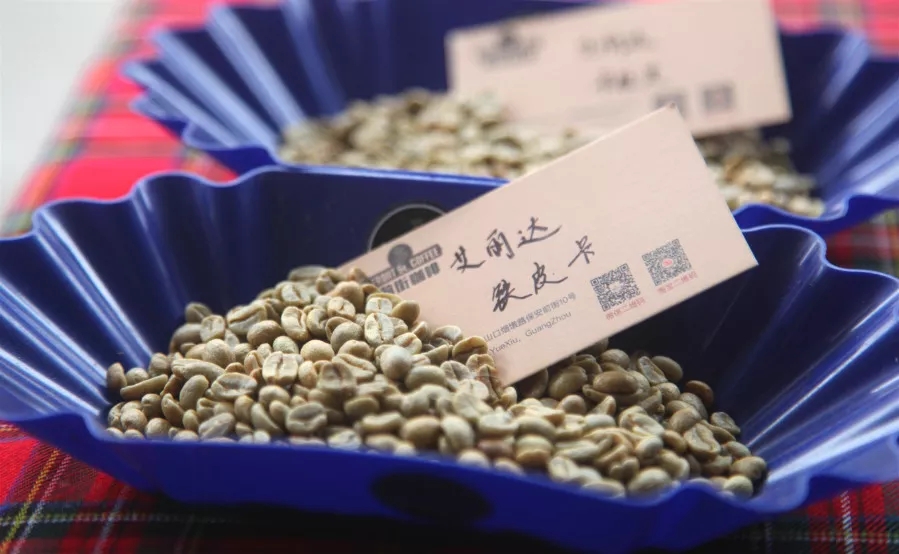
FrontStreet Coffee · Panama · Elida Estate
Region: Panama Boquete Region
Estate: Elida Estate
Altitude: 1850 meters
Variety: Typica
Processing: Natural
Roast Level: Light Roast
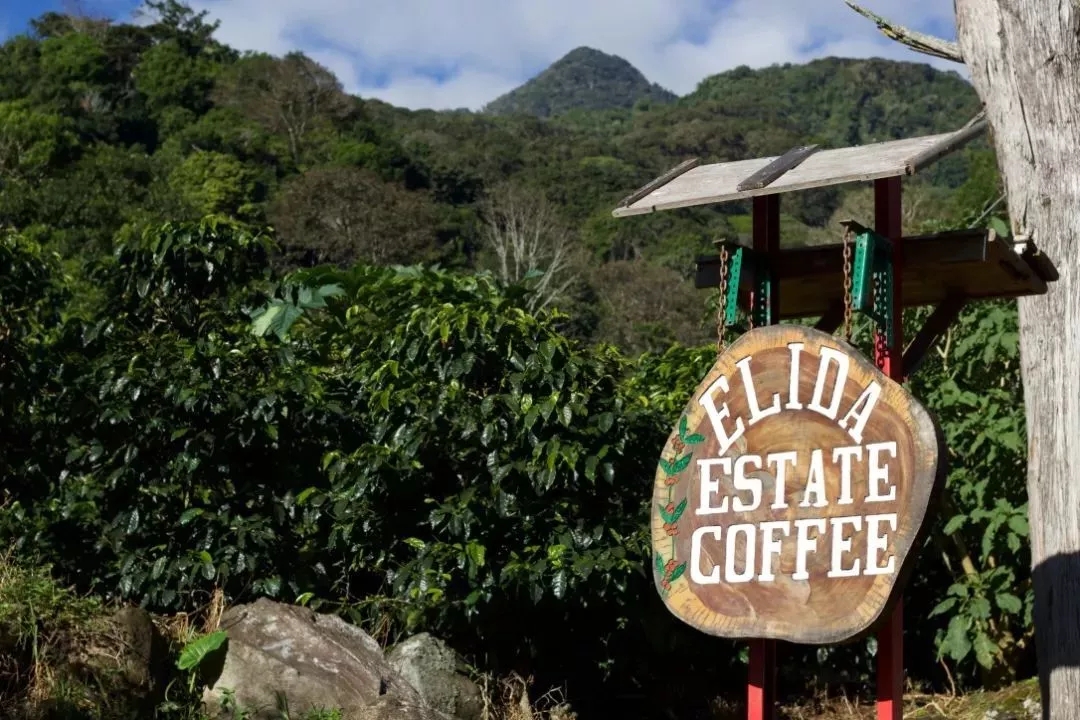
Panama's Elida Estate lies in Boquete, one of Panama's celebrated specialty coffee regions. Coffee there is grown at altitudes from 1,670 to 1,850 meters. At such heights the low temperatures delay the ripening of the coffee cherries by about a month, while the fertile volcanic soil supplies ample nutrients and the superb microclimate created by Barú Volcano lets Elida Estate post excellent cupping results year after year.
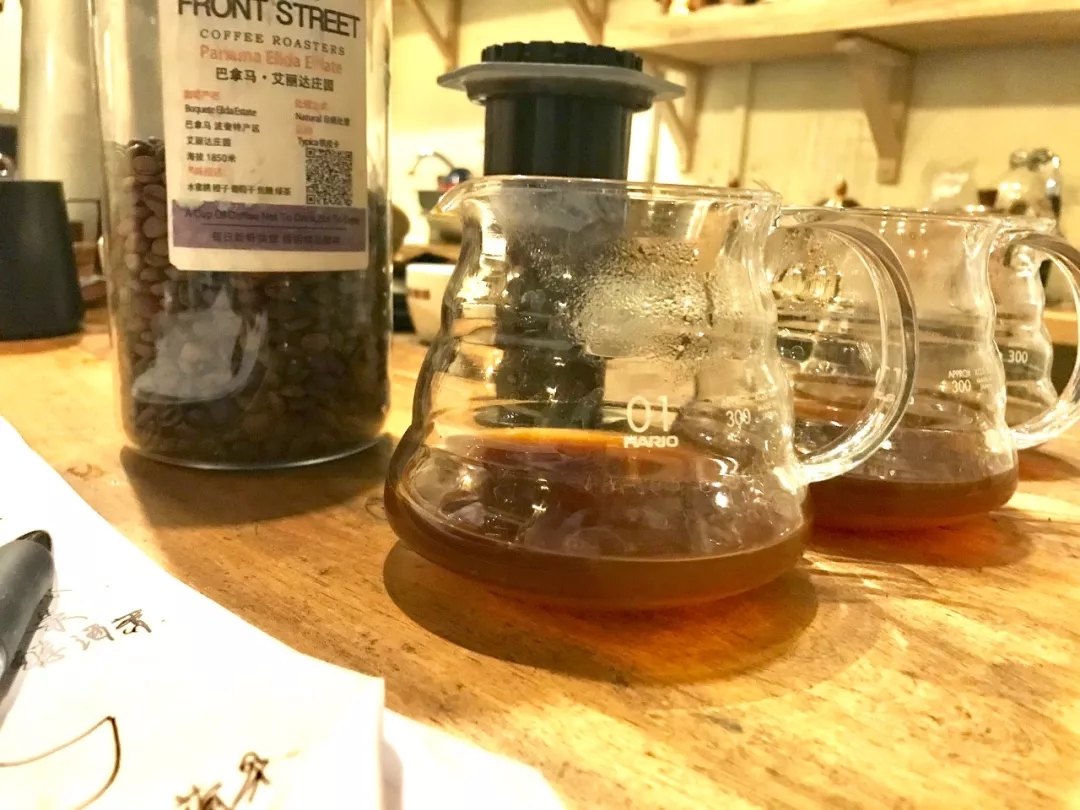
The three grind sizes tested this time were BG 5M (60% pass rate on a Chinese standard #20 sieve), BG 5R (58% pass rate on a Chinese standard #20 sieve), and BG 6M (47% pass rate on a Chinese standard #20 sieve), with all other parameters and technique kept essentially the same.
Parameters: 15g of coffee, water temperature 90°C, coffee-to-water ratio 1:15 (timing starts when water is added), extraction time: 2 minutes.
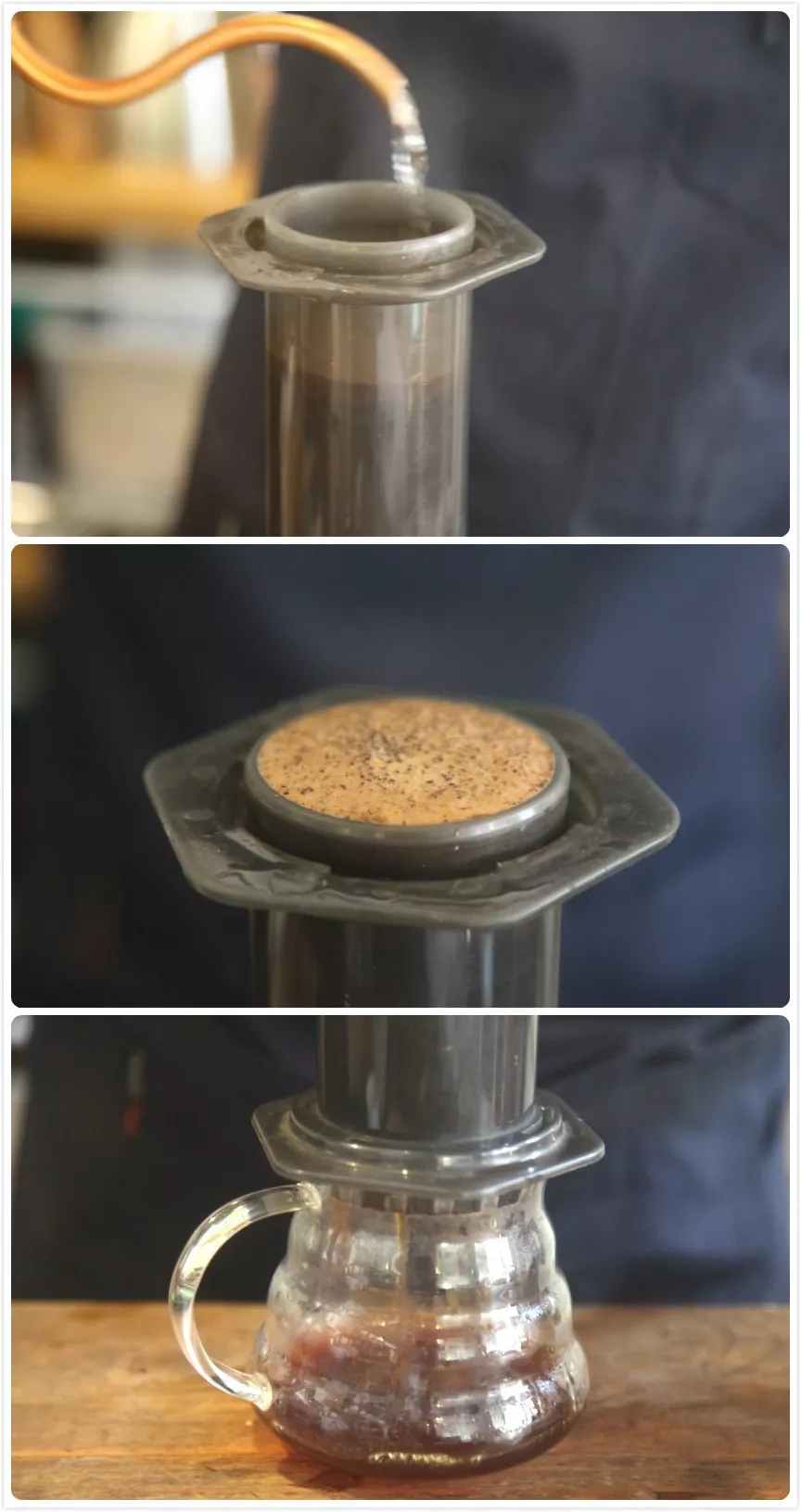
Technique: Pour water directly to 225g, stir at 1 minute, invert the AeroPress at 1 minute 30 seconds, and press the coffee out.
BG 5M
Flavor: Rich fermented fruit aroma, with blueberry and cocoa flavors and a genmaicha (brown rice tea) aftertaste. The overall impression is quite balanced but slightly muddied by impurities.
BG 5R
Flavor: The first sip brings starfruit and berry flavors, with a light fermented wine aroma and a genmaicha aftertaste. The overall flavor is clean and light.
BG 6M
Flavor: Carries a fermented fruit aroma, with slightly sharp acidity on the palate and flavors of berry, nectarine, lemon peel, and genmaicha. The overall impression is light.
Conclusion
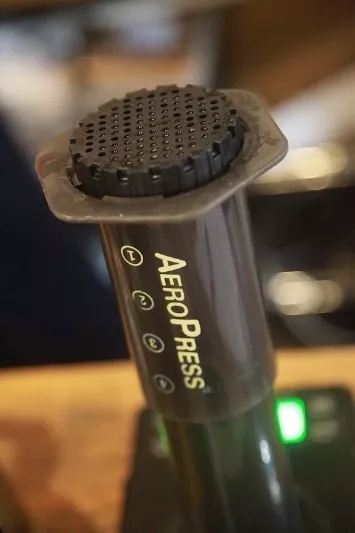
After comparing the three grind sizes, I found that among them BG 5R suits FrontStreet Coffee's Elida beans best — similar to the grind we normally use for pour-over.
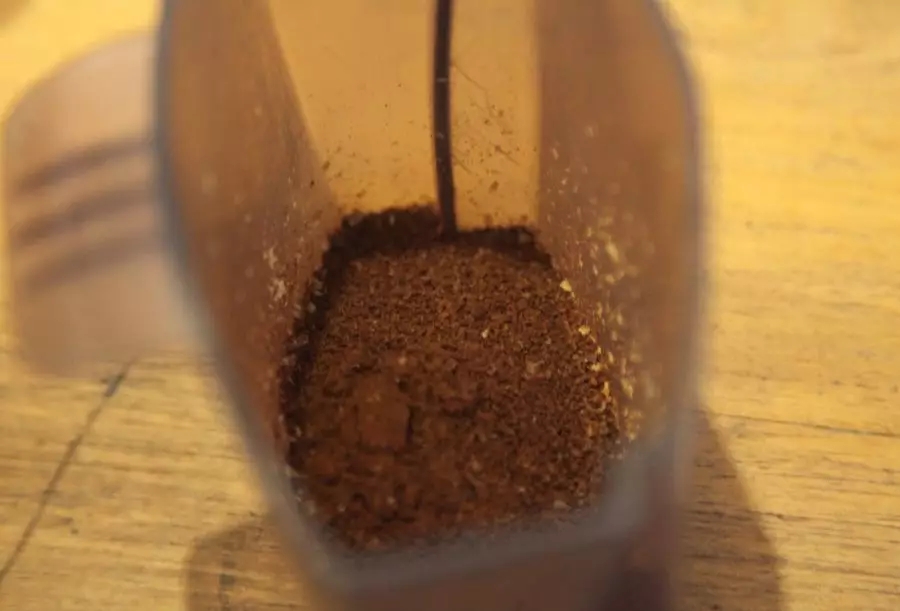
If the grind is too fine, it easily extracts impurities and leaves a fine-powder sensation in the mouth; if it is too coarse, it tends toward sharp acidity and may under-extract. BG 5R is a relatively moderate grind size, and the coffee it extracts performs in balance across both acidity and sweetness.
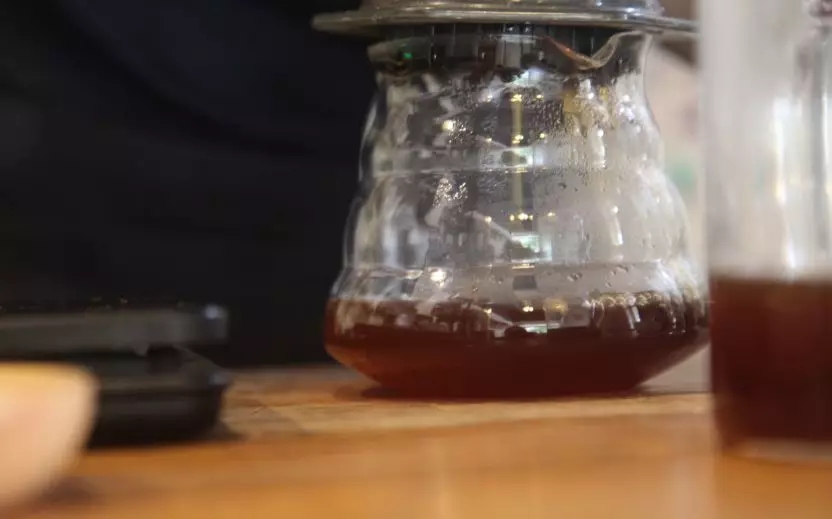
Brewed as a pour-over, this FrontStreet Coffee Elida shows distinct raisin sweetness with peach-like sweet-and-sour notes; made with the AeroPress, it comes across as more refreshing. Changing the extraction method really did give us a completely different experience.
Other AeroPress recipes can be paired with different grind sizes, of course. As for what those other methods are, we'll explore them another time. Enthusiasts who are curious can also experiment on their own and find the recipe that suits their taste.
FrontStreet Coffee Recommendation
Panama sits in Central America, and its coffee-growing areas lie in the west of the country — Boquet, Volcan, Santa Clara, and Piedra de Candela — of which Boquet and Volcan are the two specialty regions we hear about most. Both are in Chiriquí Province, squarely in the middle of the coffee belt, with fertile volcanic soil and ancient forest. For a first taste of Panamanian specialty coffee, our baristas suggest FrontStreet's Boquet Washed Geisha, an estate-level entry Geisha planted at 1,600 meters. Its fertile volcanic-ash soil feeds the coffee rich nutrients that turn into a full aroma; brewed, it shows the jasmine, green tea, honey, citrus, and orange notes that belong to Geisha. Cloud and mist often shroud the mountains of the Boquet region, keeping days humid and nights cool, and the higher the planting altitude, the longer the fruit matures and the more nutrients it takes in — which is why the flavors grow richer and more distinctive.
FrontStreet also carries Panama Washed Butterfly. Geisha is a rare wild variety and a perennial champion at the world's tasting competitions: its green beans are slender, and the roasted beans carry an unexpected citrus freshness with a finish full of florals and fruit sweetness. Butterfly shares half of that excellent Geisha lineage, composed of three varieties — Geisha, Caturra, and Catuai — grown in Boquete's Barú Volcano area. Panama's unusual microclimate brings plenty of rainfall and a wide day-night temperature swing here, and together with the region's characteristic volcanic-rock soil and careful harvesting and processing, this coffee performs impressively in overall body, citrus acidity, and Geisha's jasmine aroma. It is well suited to both pour-over and cold brew.
The famed Hacienda La Esmeralda is both the discoverer of Geisha's flavor and the promoter of Panamanian Geisha, and the range of Geisha it releases shows how much the estate values the variety and guarantees its quality. Having first found the beans with remarkable flavor, the estate cupped coffee from different parts of the farm to be precise about it, fixing planting plots by altitude and creating the Red Label, Green Label, and Blue Label Geisha grades we know today. For the highest-grade Geisha, choose FrontStreet's Esmeralda Red Label: it is harvested from a single plot of Geisha above 1,700 meters, its lots must cup at 91 or above, and it shows a refined orange-blossom honey character. Beyond Geisha, FrontStreet also offers Diamond Mountain from a star brand under Hacienda La Esmeralda, made mainly from Caturra and Catuai. Its green beans are picked from Jaramillo and Cañas Verdes, two of the estate's four independent farms, where volcanic soil is ideal for coffee and old-growth forest gives the trees ample shade. Those exceptional conditions give the green beans rich fruit aromatics and sweetness, making Diamond Mountain a popular independent brand alongside the estate's Geisha.
Important Notice :
FrontStreet Coffee is a long-established specialty coffee roaster in Guangzhou China, selling freshly roasted beans from its own farm in Yunnan as well as dozens of carefully selected single-origin beans from around the world for both pour-over and espresso. The products deliver consistently excellent quality and great value, with shipping within 24 hours. Guangzhou's FrontStreet Coffee shop is recommended by many coffee lovers, and the beans are now available online at the Tmall 。
FrontStreet Coffee has moved to a new address:
FrontStreet Coffee Address: 315,Donghua East Road,GuangZhou
Tel:020 38364473
 Scan and follow the En Gafei WeChat official account. Please indicate that the reprint comes from "En Gafei".