Flavor Characteristics and Taste Profile of Papua New Guinea Coffee Beans: Is the Bird of Paradise a Dark Roast?
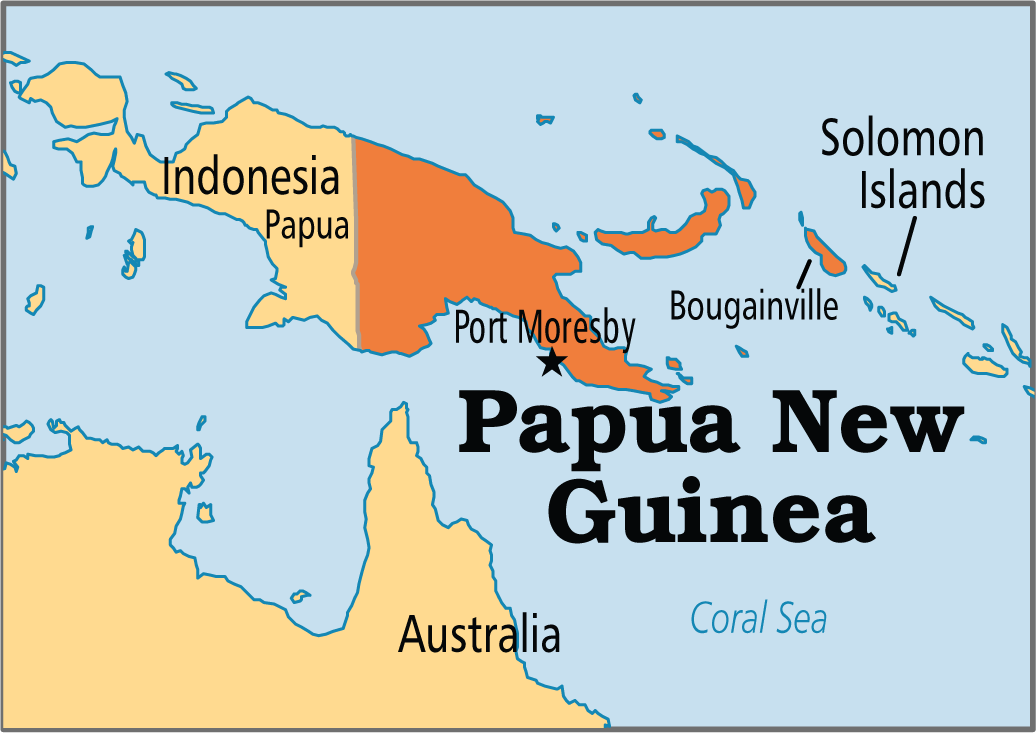
In recent years, Papua New Guinea has drawn significant attention from the coffee industry, and FrontStreet Coffee has introduced its own Papua New Guinea bean. What caught our eye most was the coffee from Paradise Bird Estate — chosen because its beans are consistently stable with prominent flavors, representing the baseline flavor profile of Papua New Guinea's growing regions.
Papua New Guinea's first Typica was introduced and cultivated from Jamaica's Blue Mountain, and thanks to its island-style growing environment, the origin is known as the "Little Blue Mountain." FrontStreet Coffee often uses that nickname when introducing Papua New Guinea coffee to customers — partly for historical reasons, and partly because "Little Blue Mountain" is simply far more memorable than "Papua New Guinea."

The Perfect Growing Environment
Variety, soil, altitude, and processing all shape coffee flavor — and among them, FrontStreet Coffee believes altitude matters most. Papua New Guinea has a classic island climate, lying between the equator and 10 degrees south latitude, with tropical rainforests, volcanoes, and highland terrain reaching 2,500 meters — a paradise for coffee. The south is plains and lowlands along the southeastern coast, the center is the central mountain range, and the north consists of several separate mountain ridges. The country boasts a rich, unique ecosystem of roughly 6,500 native plant species and 380 native bird species.
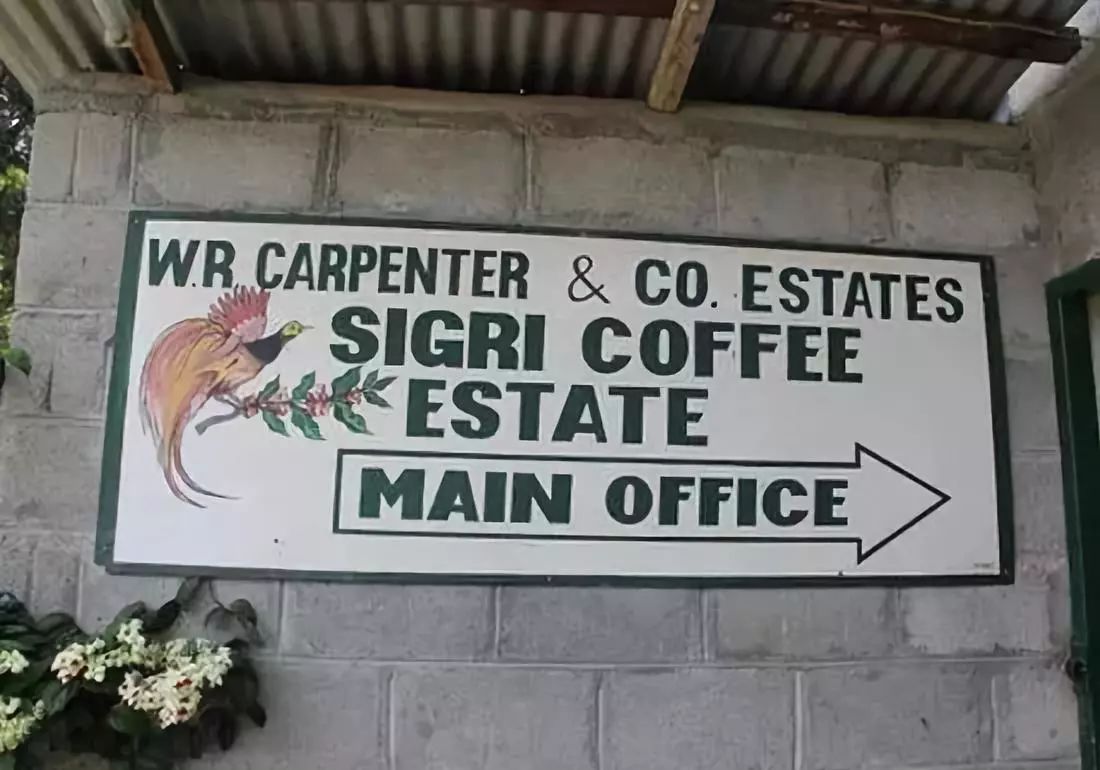
Most Papua New Guinean coffee is grown in the highlands, divided mainly between Eastern Highlands and Western Highlands provinces. In the Eastern Highlands, coffee is typically grown around Goroka and Kainantu, with the Arona and Purosa estates the most famous.
In the Western Highlands, coffee usually comes from the outer ring of Mount Hagen City. The Kimel Estate north of Mount Hagen produces high-quality beans, and the nearby Wahgi Valley is renowned for its ideal coffee climate and fertile volcanic soil — Paradise Bird Estate calls the Wahgi Valley home. Papua New Guinea's production isn't large, with 85% grown by smallholder farmers using washed processing. FrontStreet Coffee finds that Papua New Guinea's flavor avoids the heavy, earthy notes typical of Indonesian coffee, instead offering bright acidity and sweetness with floral and fruit aromas — closer to South American profiles.

Unique Processing Methods
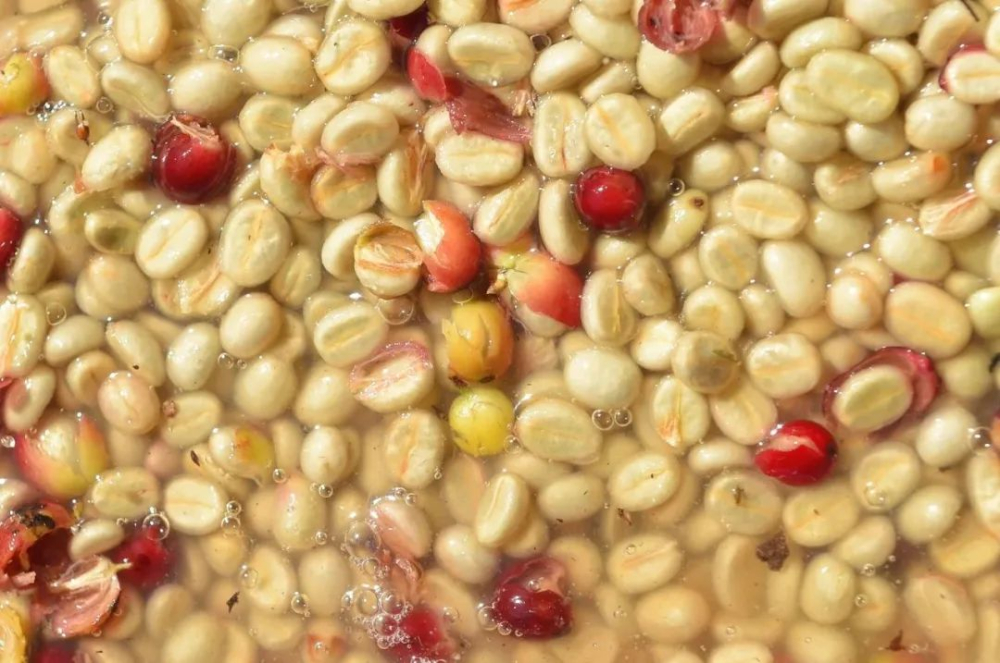
Papua New Guinea's washed processing differs from that of Central and South America: it uses a three-stage washed fermentation, with each soaking period lasting about 24 hours and the water changed to keep the flavor in check. After washing, the beans are hulled and then run through various grading processes. Within this grading system of strictly divided growing regions, the beans share one common trait: uniform size with minimal defects.
Another reason FrontStreet Coffee chose the Paradise Bird beans is our sourcing philosophy: every coffee we offer should have its own distinct character, and we avoid beans that taste like each other. The time we spend selecting beans and fine-tuning roast curves and parameters exists precisely because coffee beans may share similarities, but they must also stand on their own.
Paradise Bird Estate
Paradise Bird Estate was established in 1950 as a pioneer of the local coffee industry. It sits in the Wahgi Valley of Western Highlands Province on volcanic soil rich in minerals. The estate takes ecological protection seriously — refusing pesticides and insecticides and caring for the ecosystem and the birds around it. FrontStreet Coffee shares this sustainable philosophy, which both improves the environment and enhances bean quality.
Here is the basic information on this FrontStreet Papua New Guinea bean for your reference. To present its rich nutty notes while preserving the bright grapefruit acidity, FrontStreet Coffee roasts it medium-dark.
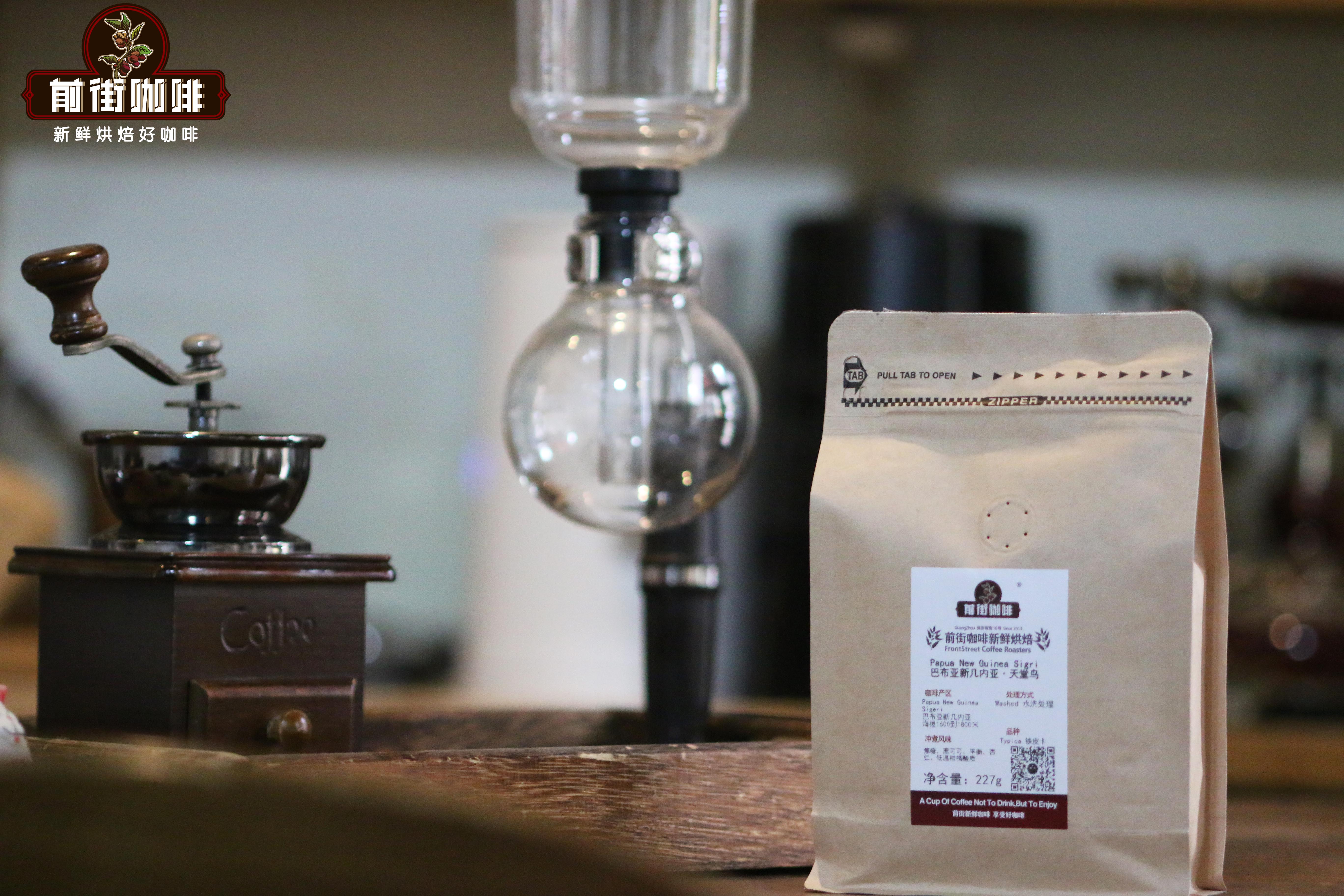
FrontStreet Coffee · Papua New Guinea Paradise Bird Coffee Bean
- Estate: Paradise Bird Estate
- Variety: Typica
- Grade: AA
- Altitude: 1,600–1,800 meters
- Processing Method: Washed
- Flavor: Toasted bread sweetness, nutty sweetness, a gentle fruit acidity with a good sense of layering, fruit-like aroma, a spicy aftertaste, and a rich, balanced mouthfeel.
FrontStreet Coffee Barista's Brewing Parameters and Suggestions for Paradise Bird
- Dripper: Kono dripper
- Water Temperature: 88°C
- Dose: 15 grams
- Coffee-to-Water Ratio: 1:15
- Grind Size: 70–75% passing through a #20 standard sieve

FrontStreet Coffee typically uses a KONO dripper for medium-dark roasts. The smooth curved surface of the KONO's upper section fits the filter paper well, and compared with a V60 its extraction leans toward immersion, raising overall concentration and enhancing body. Besides the KONO, the common Kalita trapezoidal dripper and slow-flowing flannel filters also suit this style.
Also, since medium-dark roasted beans have been developed further, their internal structure is more porous than light roast's — they absorb water more readily. To avoid over-extraction, FrontStreet Coffee uses a grind with 75% passing a #20 standard sieve and water at 88°C, paired with our customary three-stage pouring method.

In the first stage, gently pour 30 grams of water and bloom for 30 seconds. In the second stage, pour steadily in outward circles to about 125 grams. Wait for the liquid to drop to half, then pour the final stage to 225 grams. Once all the coffee has dripped through, total extraction time is generally around 2 minutes.
FrontStreet Coffee Recommendation
Papua New Guinea earned its "Little Blue Mountain" nickname because its first Typica came from Jamaica's Blue Mountain — and if you'd like to compare the two relatives side by side, FrontStreet Coffee's Jamaica Blue Mountain No.1 is the original. Grown from Typica transplanted from Martinique to Jamaica in the 1820s, it shows hazelnut, cream, chocolate, and caramel in a perfectly balanced cup where no single note dominates.
Authenticity matters with Blue Mountain: genuine beans carry Jamaican Coffee Industry Board certificates, ship in wooden barrels (traditionally 15kg, 45kg, or 70kg), and FrontStreet's Blue Mountain No.1 comes from the Rainforest Alliance certified Clifton Farm, with full traceability and export documents on display.
Both coffees are roasted to order within 5 days and rest 4–7 days before shipping, so they arrive at peak flavor. Whether you choose the original Blue Mountain or its Papua New Guinea descendant, you'll be tasting the same storied Typica lineage — one mellow and balanced, the other brighter, with grapefruit acidity and nutty sweetness.
Important Notice :
FrontStreet Coffee is a long-established specialty coffee roaster in Guangzhou China, selling freshly roasted beans from its own farm in Yunnan as well as dozens of carefully selected single-origin beans from around the world for both pour-over and espresso. The products deliver consistently excellent quality and great value, with shipping within 24 hours. Guangzhou's FrontStreet Coffee shop is recommended by many coffee lovers, and the beans are now available online at the Tmall 。
FrontStreet Coffee has moved to a new address:
FrontStreet Coffee Address: 315,Donghua East Road,GuangZhou
Tel:020 38364473
 Scan and follow the En Gafei WeChat official account. Please indicate that the reprint comes from "En Gafei".