Special Cold Brew Coffee Method - Cold Brew Coffee Features a Full-bodied, Smooth Taste Without Bitterness, With a Rounded Flavor
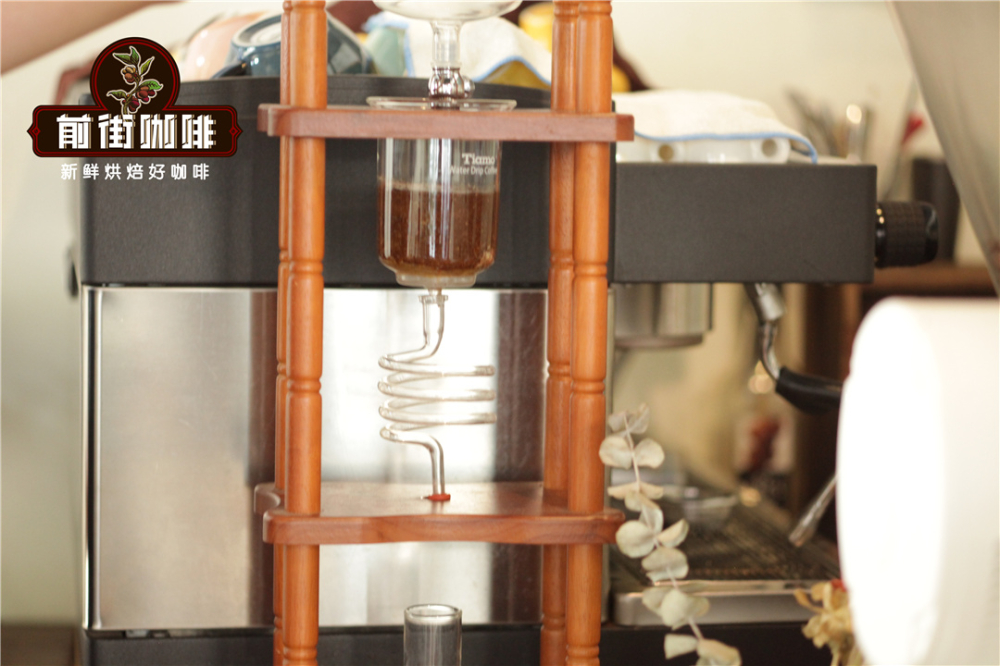
There are many ways to brew coffee, and cold drip is one of them. Cold drip coffee is also a type of iced coffee, and in summer iced coffee becomes a favorite among enthusiasts.
Cold drip coffee is not brewed with hot water but with low-temperature water, which makes it quite different from the usual pour-over. It is relatively simple but takes much longer. Finding a cup of cold drip coffee at a cafe can take some luck.

In 1699, during the Dutch colonial period in Indonesia, when the Dutch cultivated a great deal of coffee on Java, Dutch settlers there invented the method of making cold drip coffee. At the time they believed that coffee caused stomach discomfort through its acidity, and that making coffee with ice water reduced the acidity, which made it preferable to drink this way.
What is Cold Drip Coffee?
Cold drip coffee, also known as Dutch coffee, distilled coffee, or water-drop coffee, is called Dutch-style drip coffee. It relies on the natural affinity between coffee and water, primarily using condensed natural water pressure, taking about 8 hours to extract drop by drop. The defining feature of cold drip coffee is that it uses ice water, requiring longer at low temperature to dissolve the aromatic substances in the coffee. Water therefore drips slowly, drop by drop, through the grounds, much like a laboratory dropper. Traditional cold drip makers generally allow the speed of the drops to be controlled. Common iced coffee drippers consist of 3-4 layers of glass containers mounted on a wooden stand.

The Extraction Principle of Cold Drip Coffee
Pour-over uses a specified high temperature, time, and coffee-to-water ratio for brewing. It is simple and quick. High-temperature extraction can quickly draw out the flavor compounds, causing the tannic acid in coffee to break down quickly into pyrrolic acid and producing sour, sweet, and bitter tastes, which is what FrontStreet Coffee often calls the release of coffee flavor. The disadvantage of high-temperature extraction is that it easily releases the flavors completely, followed by the woody fiber flavors of the beans, the unpleasant tastes we commonly call off-flavors and woody notes.

Cold drip coffee, by contrast, is a coffee that develops over time. Different water temperatures produce different flavors, and at low temperature the astringent substances in coffee are less easily extracted. Using ice water for a long extraction and then refrigerating the result to ferment gives the slightly fermented cold drip a light fermentation aroma and a thicker mouthfeel. Because it is not extracted at high temperature, relatively fewer impurities are drawn from the coffee. Owing to the longer production time, the finished cold drip cannot be consumed immediately. Although the flavor molecules extracted at low temperature are fully released, they have not yet been properly expressed. When extraction is complete, the coffee should be placed in a sealed bottle and stored in the refrigerator for 12-24 hours, allowing carbon dioxide pressure to build up in the bottle and release the flavor molecules. That is the best time to taste it.

The caffeine content of cold drip coffee is slightly lower. For those sensitive to caffeine, FrontStreet Coffee suggests cold drip coffee: it is gentler on the stomach, lower in caffeine, and still offers rich layers of coffee flavor.
Making Cold Drip Coffee
Making cold drip coffee is similar to making siphon coffee. It requires specialized equipment: a cold drip pot.
Steps to Make Cold Drip Coffee:
1. A standard cold drip pot consists of three basic units: an upper pot, a middle pot, and a lower pot. The upper pot holds the ice-water mixture, and the middle pot is the coffee grounds cup. First, close the water control valve at the bottom of the upper pot and fill it with pure cold water or an ice-water mixture.
2. Place the clean lower pot under the middle pot to catch the extracted coffee liquid.
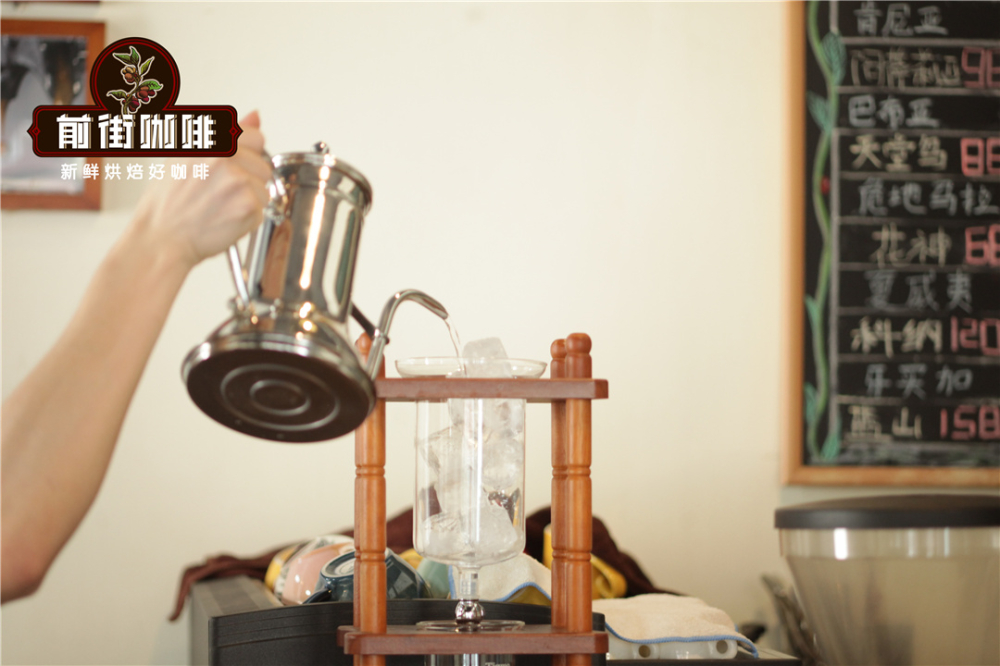
3. Place a filter paper flat at the bottom of the coffee grounds cup, add an appropriate amount of ground coffee, tap gently to level the grounds, then place another filter paper flat on top.
4. Open the water control valve at the bottom of the upper pot and adjust the dripping speed. Generally the speed is set at 40-50 drops per minute. To obtain 1000 ml of cold drip coffee takes 5 to 8 hours.
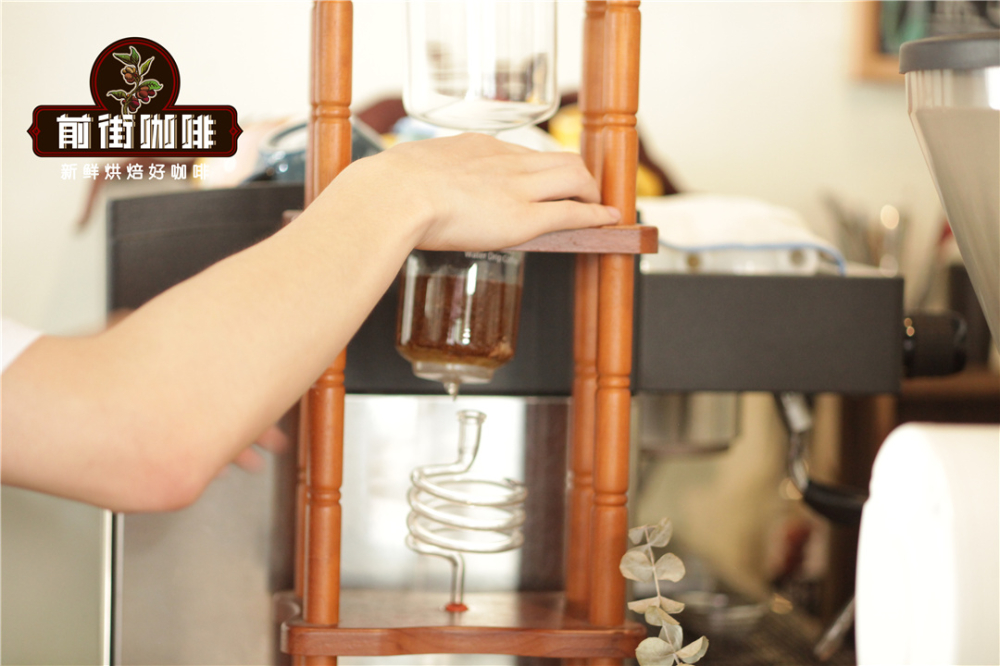
5. When the water in the upper pot is used up, remove the lower pot.
6. For the best flavor, bottle the extracted cold drip coffee and store it in the refrigerator. The coffee is at its best from day 3 to day 7, showing complex, elegant, wine-like flavors, which is how it earned the name "cold drip wine coffee." Its longest drinking period can approach half a month.
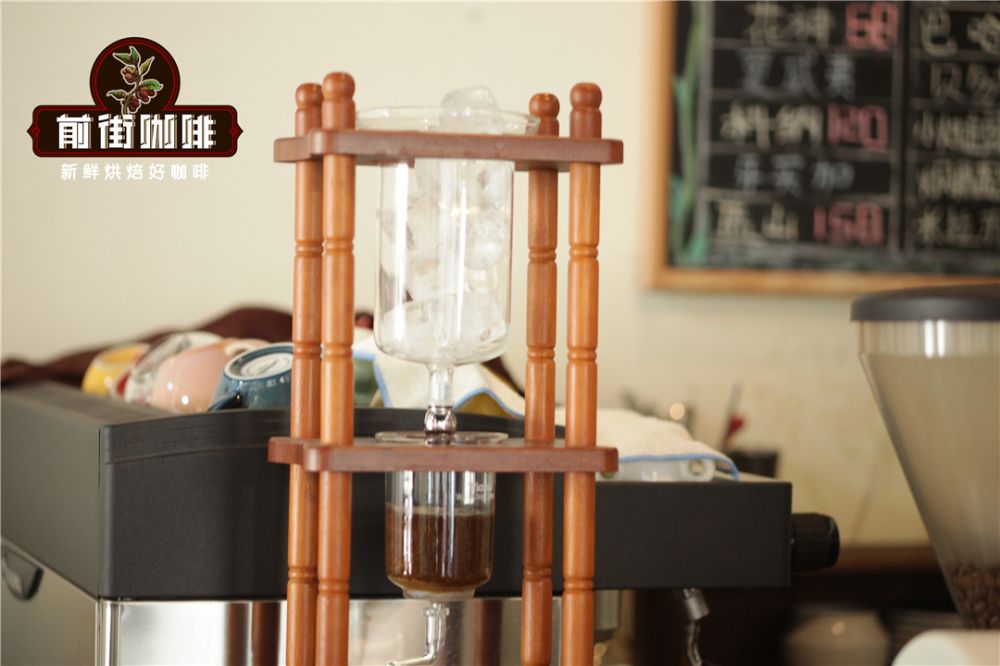
This does not mean it keeps indefinitely. FrontStreet Coffee does not recommend keeping cold drip coffee for a week, since bacteria in the air or the bottle make it hard to guarantee the condition of coffee stored too long. The recommended drinking period for cold drip coffee is within 72 hours. After 72 hours, do not feel it is wasteful to throw it away; drinking it may not be good for your health.
Cold Drip Coffee Recipes from FrontStreet Coffee
Here are some cold drip coffee recipes that FrontStreet Coffee often makes:
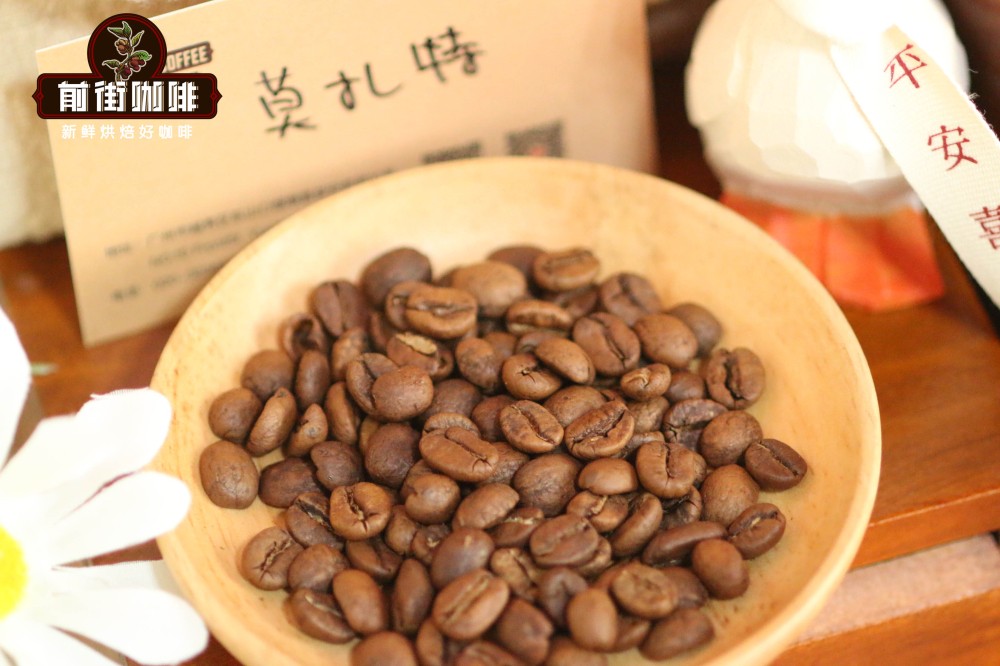
1. Deep Berry Type: 60g of Costa Rica Mozart. Mozart beans use anaerobic honey processing and have a very distinctive raisin aroma. Used for cold drip, they show very obvious blueberry, black grape, and wine fermentation flavors, with a refreshing mouthfeel and a lingering aroma.
2. Clean and Refreshing Type: 60g of Kenya Asalia. Asalia's acidity is very lively and overall it is like a glass of juice. Used for cold drip, it carries the fresh aroma of cherry tomatoes and grapefruit, with a refreshing, light acidity, very suitable for summer drinking.

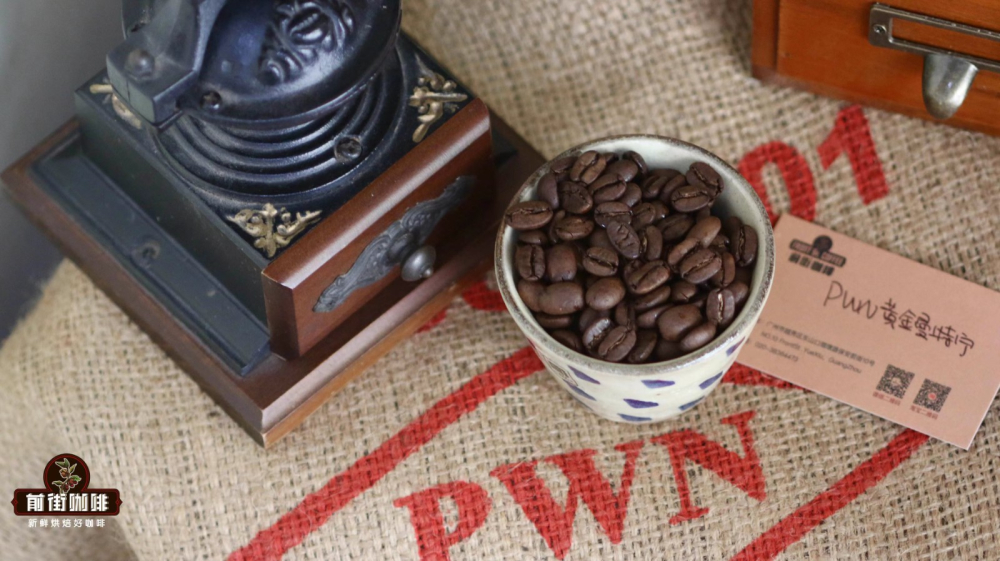
3. Sweet and Delicious Type: 60g of Indonesia Golden Mandheling. Few shops use dark roast coffee for cold drip. If you have not tried it, you might assume dark roast cold drip would be bitter, but that is not the case. Using FrontStreet Coffee's cold drip method and storing it in the refrigerator for 24 hours before adding ice cubes, Golden Mandheling cold drip comes out sweet, with a hint of chocolate bitterness, overall very transparent, and a rich fermentation aroma that feels comfortable.
Adjust the dripping speed, letting cold water drip slowly through and extracting at a low temperature of 5°C for 8 hours, allowing the original coffee flavor to reproduce naturally, which is truly praiseworthy.
Characteristics of Cold Drip Coffee
Advantages of water-drop coffee: not sour or astringent, gentle on the stomach, can be kept for up to a week (especially best on the third day), and lower in caffeine. Because the grounds are 100% soaked at low temperature, the extracted coffee tastes fragrant, smooth, and rich; the flavors it presents are outstanding. Especially in summer, or as a first cup in the morning, it refreshes you instantly.

FrontStreet Coffee Brewing Suggestions:
Whether pour-over, cold drip, or espresso, as long as it is a flavor you like, it is good coffee. FrontStreet Coffee believes that any brewing method requires fresh coffee beans. The freshness of the beans has a great bearing on flavor, so the beans shipped by FrontStreet Coffee are all roasted within 5 days. The principle behind FrontStreet Coffee's roasting is "freshly roasted good coffee," ensuring that every customer who places an order receives the freshest coffee. The resting period is about 4-7 days, so the coffee is at its best flavor when the customer receives it.

For those who need ground coffee, FrontStreet Coffee offers a reminder: if beans are ground in advance there is no need for a resting period, because during transport the pressure of carbon dioxide inside the package also mellows the flavor, so you can brew a cup immediately on receiving ground coffee. Ground coffee, however, needs to be brewed promptly, because it oxidizes quickly once exposed to air, meaning the flavor dissipates relatively fast and the coffee will not taste as good. FrontStreet Coffee therefore suggests buying whole beans and grinding fresh for each brew, so you can better taste the coffee's flavor.
FrontStreet Coffee Recommendation
FrontStreet Indonesia Mandheling. For a cold drip recipe that is sweet rather than bitter, FrontStreet Coffee suggests the Indonesia Mandheling, which the recipe above uses at 60g. Mandheling refers to the Arabica of Sumatra, grown mainly around the Lintong region near Lake Toba and processed by the local wet-hulled method. Because the beans are hulled while still half-dry, they pick up the herbal and spice character typical of the region.
Roasted medium-dark to bring out the classic profile, the cup is low in acidity and mellow, with rich aromas of caramel, dark chocolate, and toasted bread and a long, sweet finish. The PWN Golden Mandheling adds sandalwood, herbal, and spice notes, roasted hazelnut, caramel, and dark chocolate, with a clean body.
For cold drip, FrontStreet Coffee uses 60g of ground coffee and extracts at a low temperature of 5°C for 8 hours.
Important Notice :
FrontStreet Coffee is a long-established specialty coffee roaster in Guangzhou China, selling freshly roasted beans from its own farm in Yunnan as well as dozens of carefully selected single-origin beans from around the world for both pour-over and espresso. The products deliver consistently excellent quality and great value, with shipping within 24 hours. Guangzhou's FrontStreet Coffee shop is recommended by many coffee lovers, and the beans are now available online at the Tmall 。
FrontStreet Coffee has moved to a new address:
FrontStreet Coffee Address: 315,Donghua East Road,GuangZhou
Tel:020 38364473
 Scan and follow the En Gafei WeChat official account. Please indicate that the reprint comes from "En Gafei".