The Definition of Specialty Coffee - Flavor Characteristics and Varieties Introduction
In today's society everything seems to be moving toward premiumization. Whether it is food or drink, adding the word "specialty" sends the value skyrocketing. Whether it is truly worth it comes down to personal choice. As one of the world's three major beverages, coffee has its own unique history and culture and flourishes across the globe. Coffee has now become a contest between what we call specialty coffees. So what exactly is specialty coffee? FrontStreet Coffee would like to share some insights.
The Definition of Specialty Coffee
The term "Specialty Coffee" was first proposed by Erna Knustsen, known as the "godmother of specialty coffee," in 1974 in the "Tea & Coffee Trade Journal." She emphasized that "only in the most favorable microclimates and soil conditions can unique flavored specialty coffees be cultivated," aiming to distinguish them from the bulk commercial coffee traded on the New York futures exchange market.

The Five Pillars of Excellence
Specialty coffee is accomplished through the collaborative efforts of five related individuals who pursue quality throughout their lives. From start to finish these people maintain consistent excellent standards to ensure quality, making it their primary work objective, and all participants must work together - they are indispensable. They are the coffee farmers, green bean purchasers, roasters, baristas and consumers. Across the entire cycle from production to consumption, everyone must cooperate with excellent quality as their consistent goal to achieve the true essence of specialty coffee.
From Farm to Cup: The Quality Journey
Carefully selecting the most suitable varieties, planted in the altitude, climate and soil conditions most conducive to flavor development. Meticulous washed and natural processing, selecting flawless premium green beans, transported to customers with zero defects in transit. Through the masterful craftsmanship of roasters, bringing out the richest regional flavors, then using recognized extraction methods to brew delicious coffee.

Defining Excellence in Coffee
Specialty coffee is coffee that consumers drink with exceptional flavor, are willing to praise and feel satisfied by. Exceptional flavor means the coffee leaves a distinct impression, with bright, crisp acidity and a special character, while the aftertaste carries sweetness. The coffee itself must undergo consistent, strict production procedures, unified processes and rigorous quality management from green bean to cup - only coffee meeting these conditions qualifies as specialty coffee.
Case Study: FrontStreet Coffee's COE22
Take FrontStreet Coffee COE22 from the FrontStreet Coffee store menu as an example.
FrontStreet Coffee's COE22 comes from Arsi in the Yirgacheffe region of Ethiopia. The variety is one of Arabica's oldest - Typica - processed using the natural method.
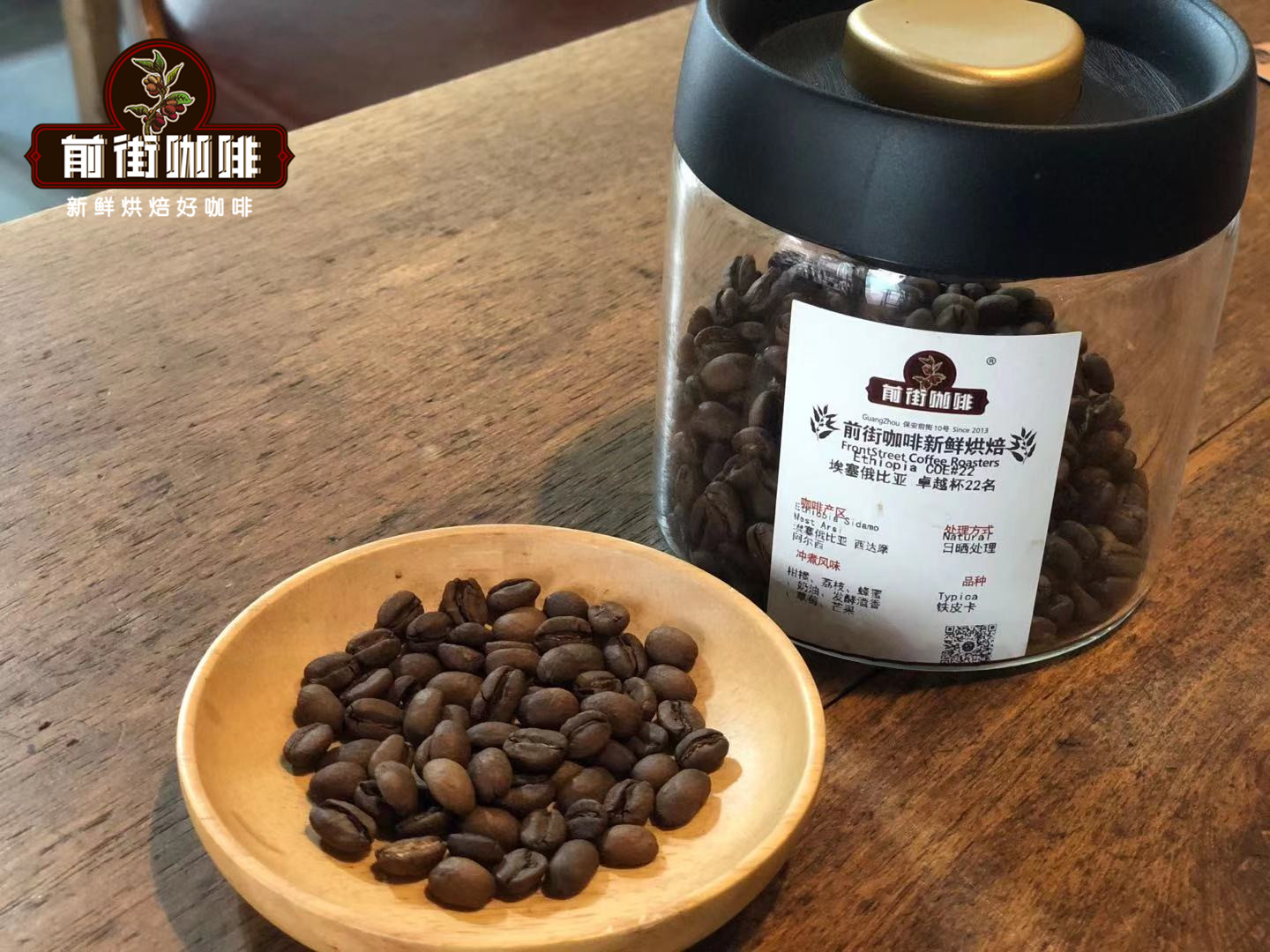
FrontStreet Coffee - Ethiopia Cup of Excellence 22nd Place (COE 22)
Region: Arsi, Yirgacheffe, Ethiopia
Grower: Adem Banta Sute
Variety: Typica
Processing: Natural Process
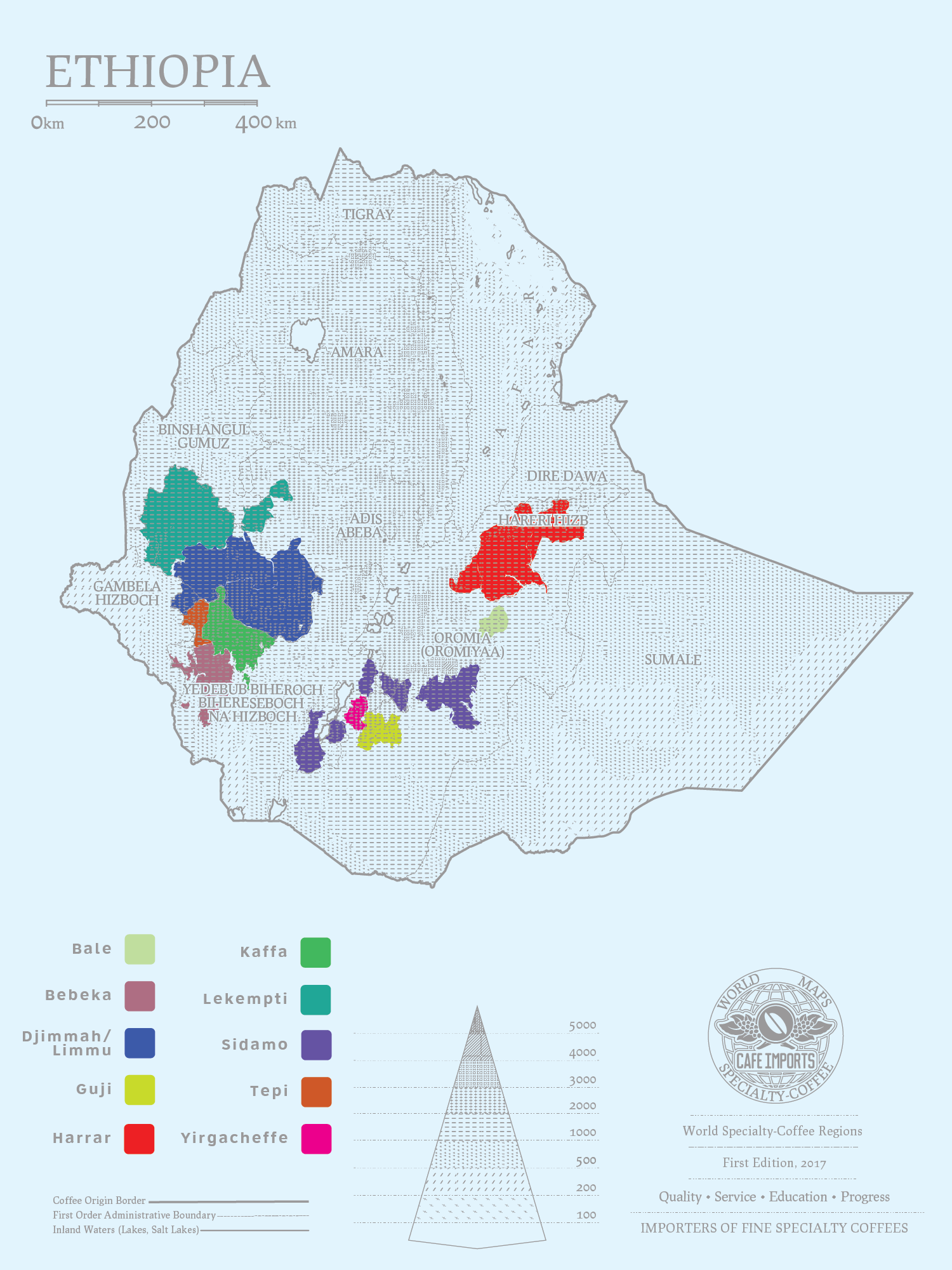
Ethiopia is widely known as the birthplace of coffee, and Arsi is located in West Arsi, between the famous Yirgacheffe coffee growing area and Hararghe, at an altitude of 1900-2200m, in the western part of the Yirgacheffe region. The area's name comes from a branch of the Oromo people who have long lived here.
The Grower's Story
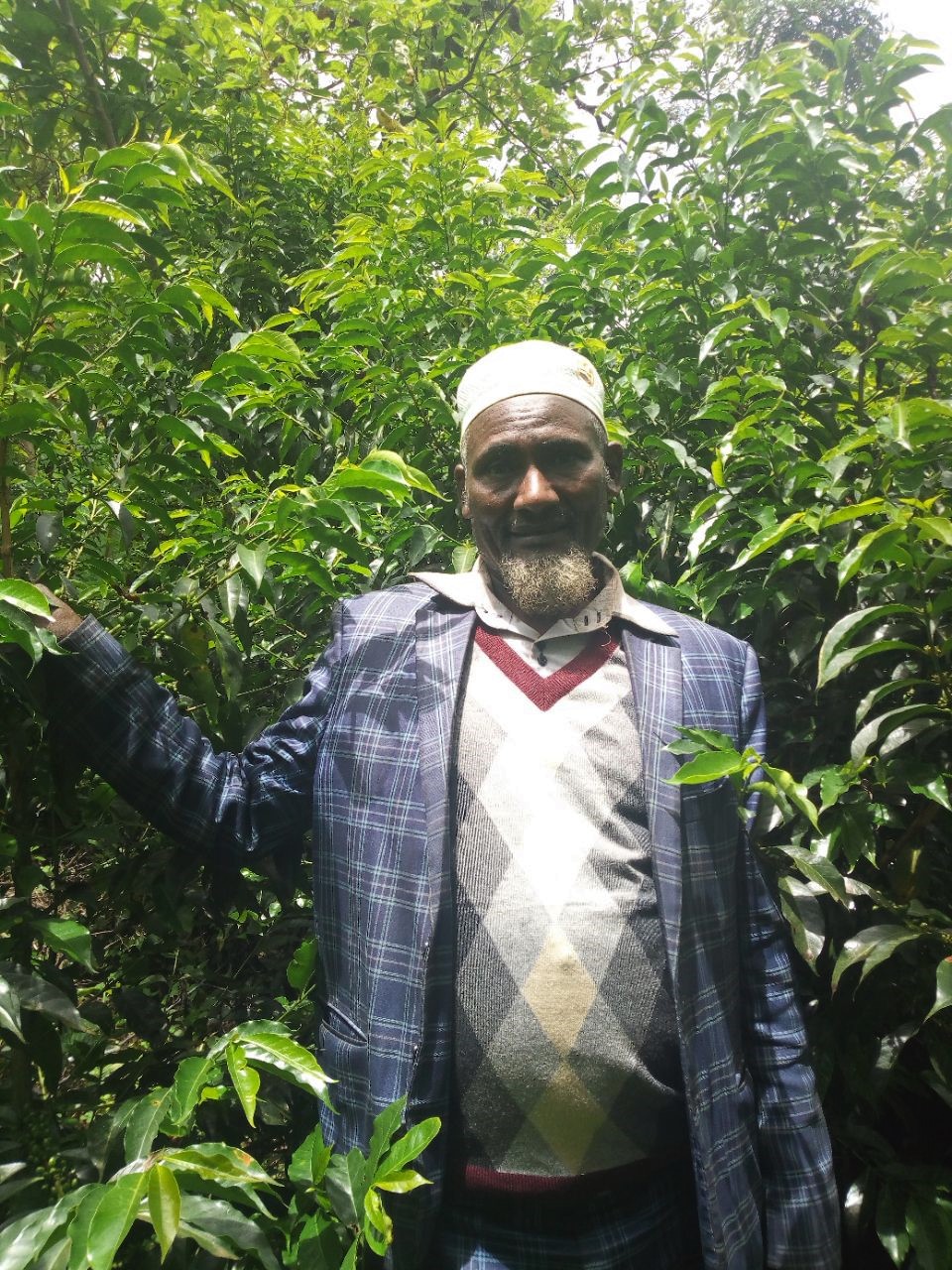
The grower of FrontStreet COE22, Adem Banta Sute, produced 4500 kilograms of coffee on his 6-hectare land. He describes himself this way: "I grew up on a coffee farm and have been farming my whole life. Getting recognition in this competition is a reward for my efforts."
Understanding the Typica Variety
Typica has bronze-colored young leaves and oval or slender pointed beans. It is elegant in flavor but physically weak, with poor disease resistance and low yield. Through cupping Typicas from different origins, FrontStreet Coffee has found that regardless of where it is grown, Typica carries its characteristic clean, elegant flavor, balanced characteristics and mouthfeel across coffee growing regions worldwide.

Natural Processing Excellence
This FrontStreet COE22 uses the natural processing method. In Ethiopia, over 70% of coffee cherries are processed naturally. Naturally processed coffee tends to have more sweetness and body than washed coffee.
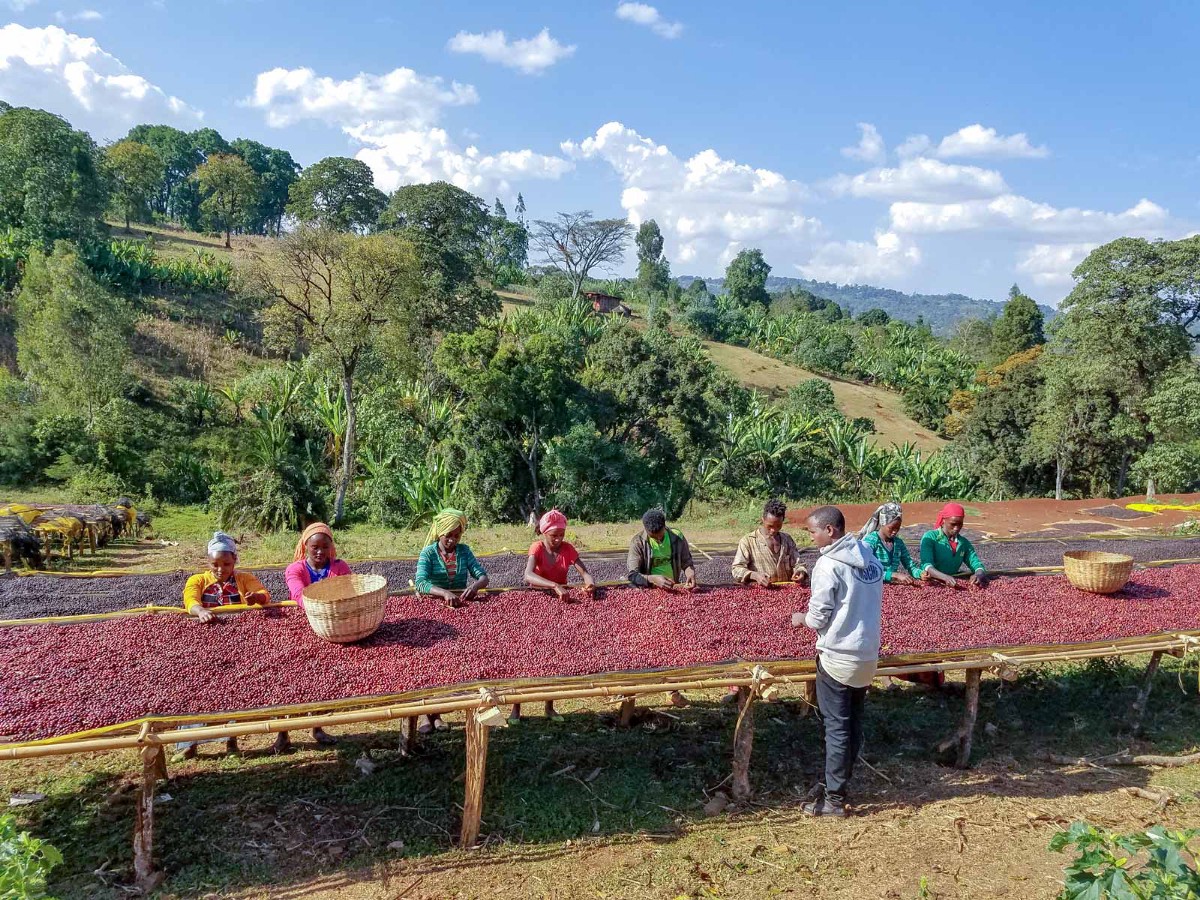
After harvesting, the grower Adem Banta Sute selected usable coffee cherries and kept the entire pulp and skin intact, placing the cherries on raised beds for natural processing. Before the moisture content drops to 25%, manual turning is required every 30 to 60 minutes to avoid unpleasant over-fermentation flavors. It is precisely this labor-intensive raised-bed drying, isolated from ground contact and preventing earthy off-flavors, that creates exceptionally clean fruit flavors. After more than two weeks of natural drying, the dark brown coffee cherries are professionally stored, waiting for full flavor development. Only before shipment are the beans removed from the cherries - the sweetness is imaginable.
FrontStreet Coffee's Brewing Method
Friends who have visited FrontStreet Coffee's store have varying degrees of understanding of specialty coffee, and those who come to taste coffee at FrontStreet Coffee can also observe the brewing techniques of FrontStreet Coffee's baristas.
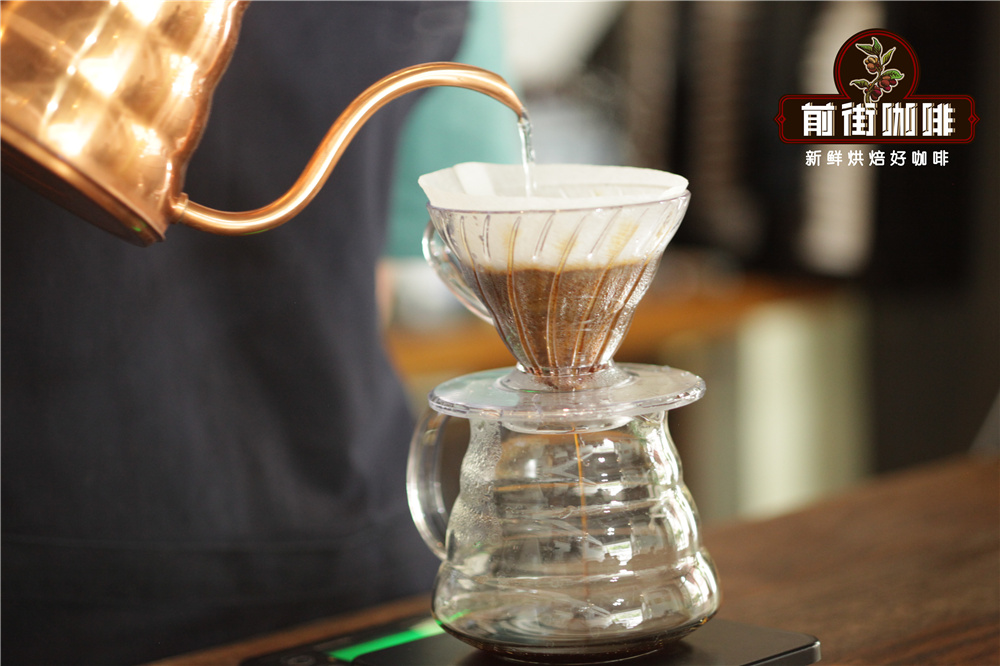
FrontStreet Coffee's brewing method: three-stage extraction. Use 30g of water for a 30-second bloom, then pour with a small water flow in circles to 125g for the segmentation. When the water level drops and is about to expose the coffee bed, continue pouring to 225g and stop. When the water level drops and is about to expose the coffee bed, remove the filter cup (timing starts from the bloom). Extraction time is 2'00".
Tasting Notes and Characteristics
The brewed flavor of this FrontStreet COE22 features citrus acidity, berry juice-like characteristics, creamy smoothness and a honey-like aftertaste.
The Seven-Three Principle
In Master Han Huaizong's book "Specialty Coffee Studies," it is mentioned that specialty coffee is seventy percent variety and thirty percent environment. For a deeper understanding of specialty coffee, FrontStreet Coffee has personally researched specialty coffee and established its own coffee estate in Lincang, Yunnan.
FrontStreet Coffee's Yunnan Estate
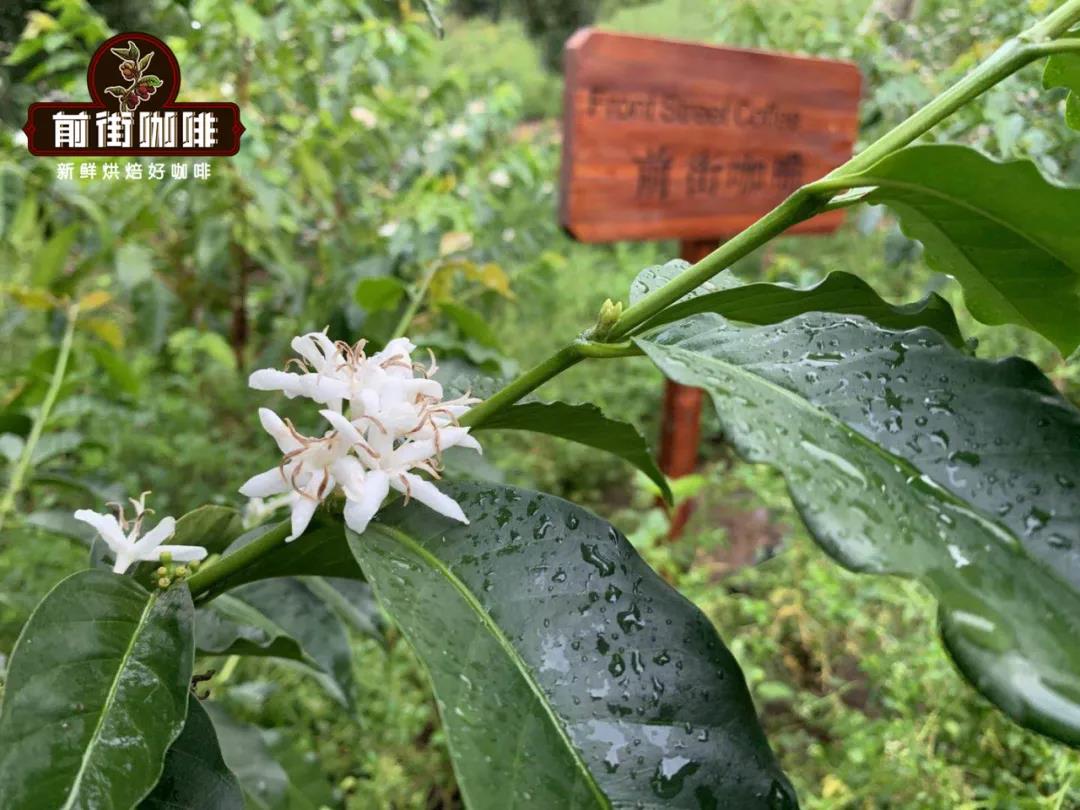
On FrontStreet Coffee's Yunnan estate, FrontStreet Coffee grows elegant-flavored Typica. The soil is fertile, in an area with sufficient rainfall and large day-night temperature differences. This altitude is suitable for growing Arabica varieties. The weather within the estate is variable - sunny one moment, overcast and rainy the next. It is precisely this microclimate that gives this FrontStreet Natural Typica its full flavor.

FrontStreet Coffee 2013 Yunnan Natural Typica Coffee Beans
Region: Lincang, Yunnan, China
Estate: FrontStreet Coffee Estate
Altitude: 1300m
Variety: Typica
Processing: Natural Process
Its brewed flavor features soft berry acidity, nutty flavors and a brown sugar-like aftertaste, with distinct tea-like characteristics.
FrontStreet Coffee Recommendation
Typica sits at the heart of this article, and the same variety is the soul of FrontStreet Coffee's 2013 Yunnan Natural Typica, a flagship Chinese specialty bean. Medium roasted to bring out its balanced, gentle nature, it shows soft nut, brown sugar, black tea and dried apricot notes, works well for pour-over, cold brew and drip machines, and offers outstanding value.
For a sweeter, more fruit-driven medium roast, try FrontStreet Coffee's Strawberry Candy. Combining a honey-processed Costa Rican coffee with a washed Panama Geisha and roasted medium, it carries both orange-blossom honey and round sweetness, and suits cold brew, pour-over and espresso alike.
Important Notice :
FrontStreet Coffee is a long-established specialty coffee roaster in Guangzhou China, selling freshly roasted beans from its own farm in Yunnan as well as dozens of carefully selected single-origin beans from around the world for both pour-over and espresso. The products deliver consistently excellent quality and great value, with shipping within 24 hours. Guangzhou's FrontStreet Coffee shop is recommended by many coffee lovers, and the beans are now available online at the Tmall 。
FrontStreet Coffee has moved to a new address:
FrontStreet Coffee Address: 315,Donghua East Road,GuangZhou
Tel:020 38364473
 Scan and follow the En Gafei WeChat official account. Please indicate that the reprint comes from "En Gafei".