Can You Make Espresso with a Hand Grinder? How to Brew Espresso Using a Manual Grinder
Testing Hand Grinder for Espresso: Can Manual Grinders Really Make Quality Espresso?
It's said that some hand grinders can grind fine enough for espresso. Coincidentally, a colleague has a hand grinder that's supposedly suitable for espresso grinding. Today, let's test what kind of flavors we can get from espresso made with hand-ground coffee beans.
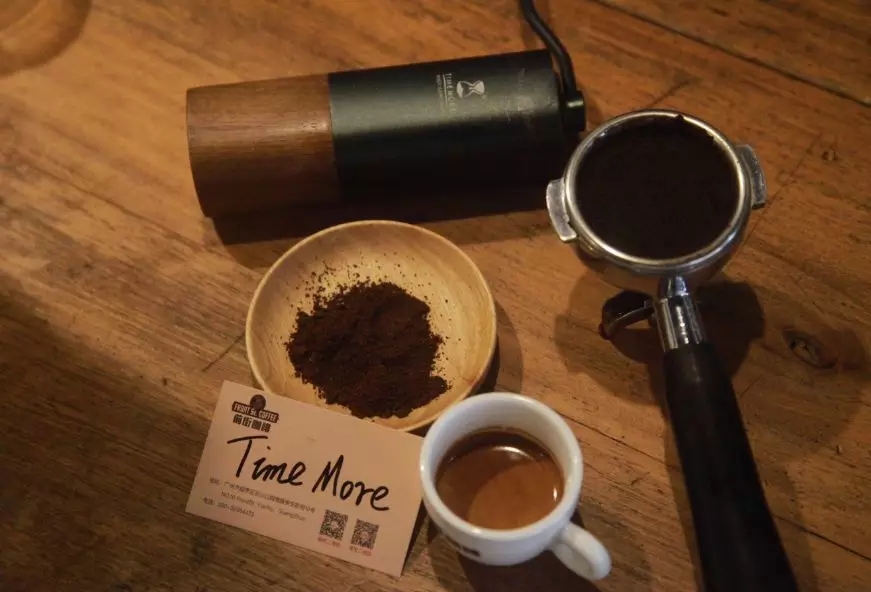
Introduction to Today's Grinder: Timemore Chestnut G1S
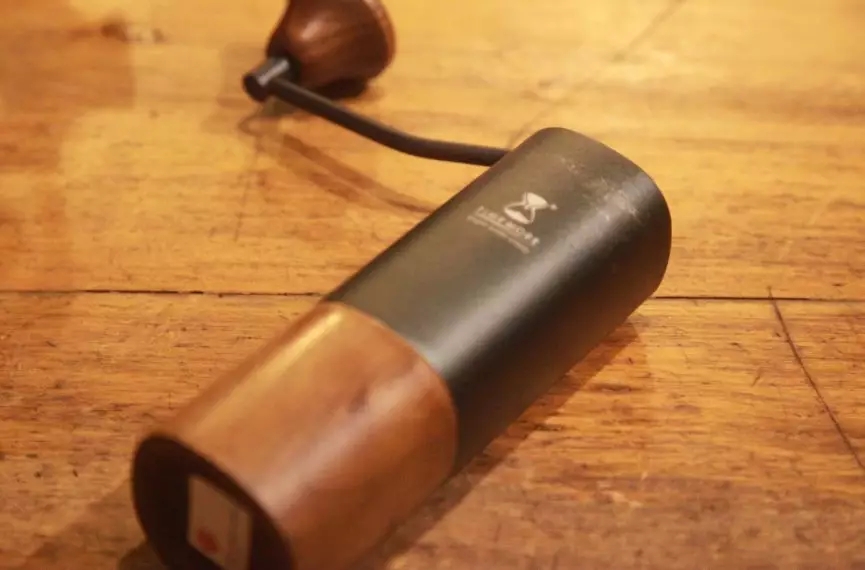
This is a conical burr grinder. The particles from conical grinding tend to be more granular, which extends the water absorption path of coffee particles. The interior takes longer to contact water, so conical particles release fewer soluble substances in the initial stages, resulting in concentration that won't be too high in a short time. Additionally, because of their granular shape, even with longer extraction times, the xylem absorbs less water, making it less likely to produce off-flavors and astringency.
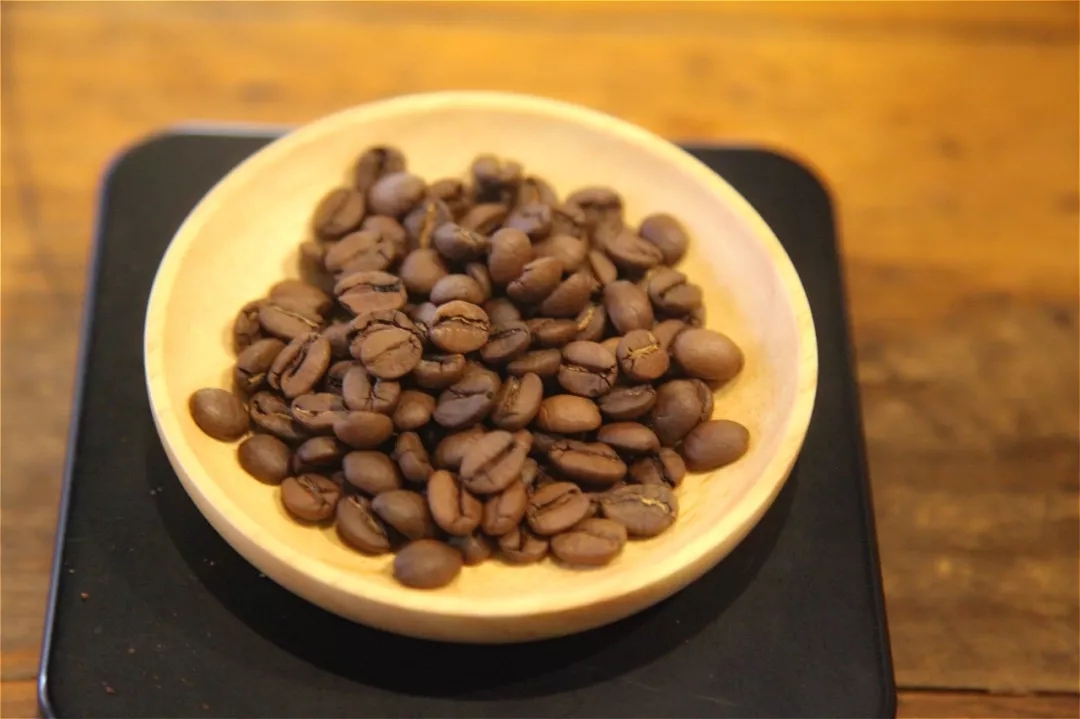
Coffee Beans Used
Today, we're using FrontStreet Coffee's premium espresso blend! It's a blend of Colombian and Brazilian beans in a 3:7 ratio, an espresso blend that can meet the daily demands of a coffee shop.
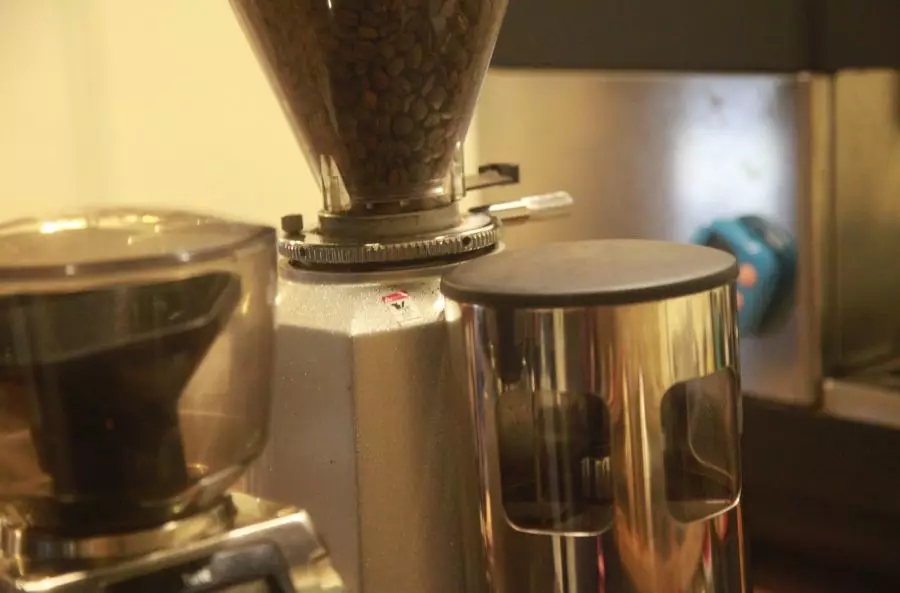
Basic Parameters and Grinder Comparison
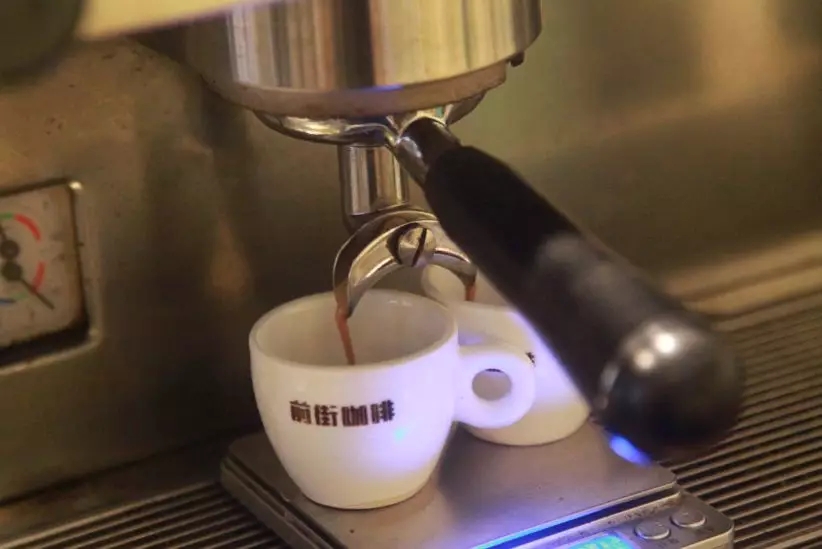
I used a double portafilter with 20 grams of coffee, a 1:2 coffee-to-water ratio, extracting 40 grams of coffee liquid, with extraction time controlled within 25-30 seconds. With these basic parameters set, the most important thing now is choosing an appropriate grind size!
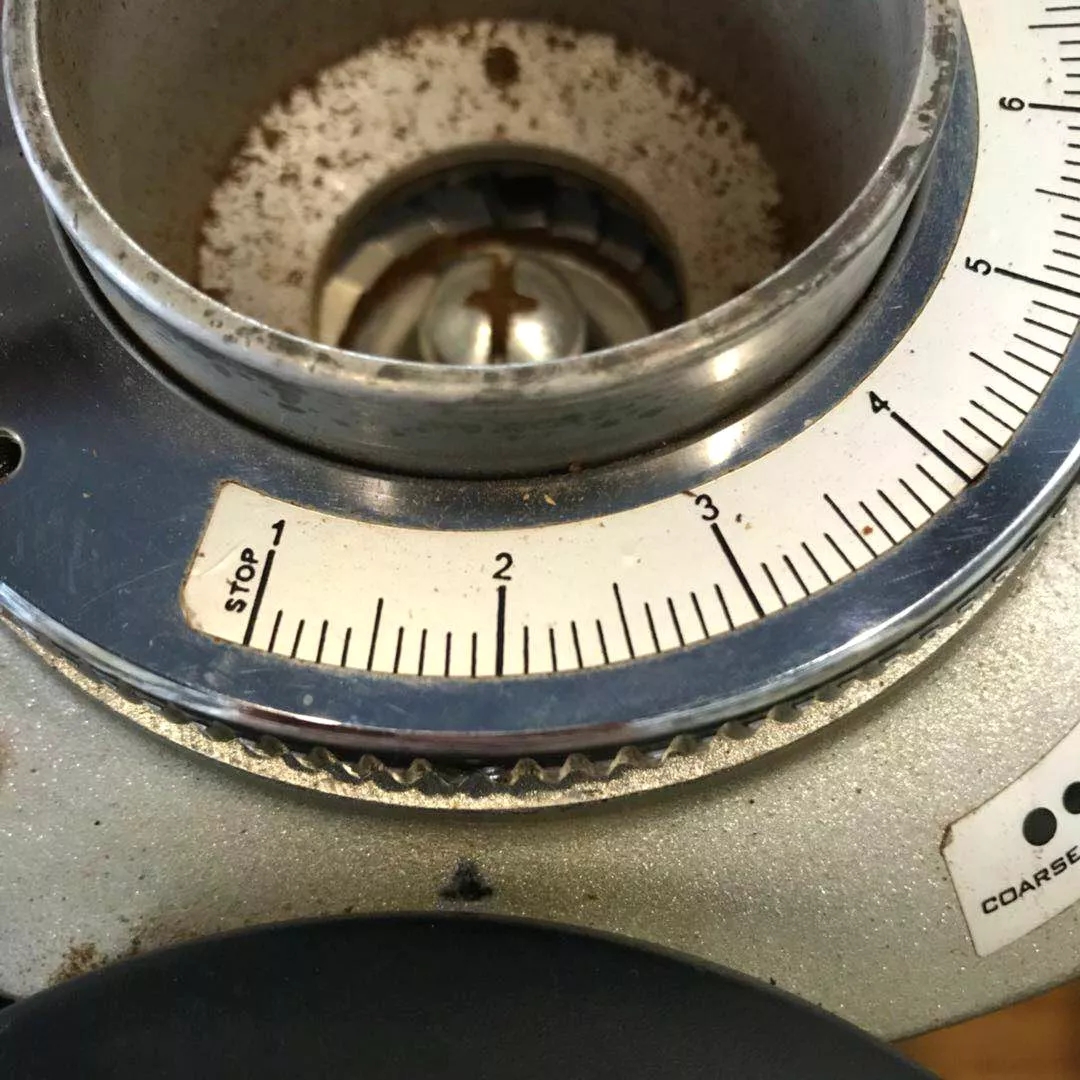
Since there's no sieve available for espresso grounds, I used a Yangjia 900N espresso grinder for comparison. The Yangjia 900N's grind setting is at level 2.
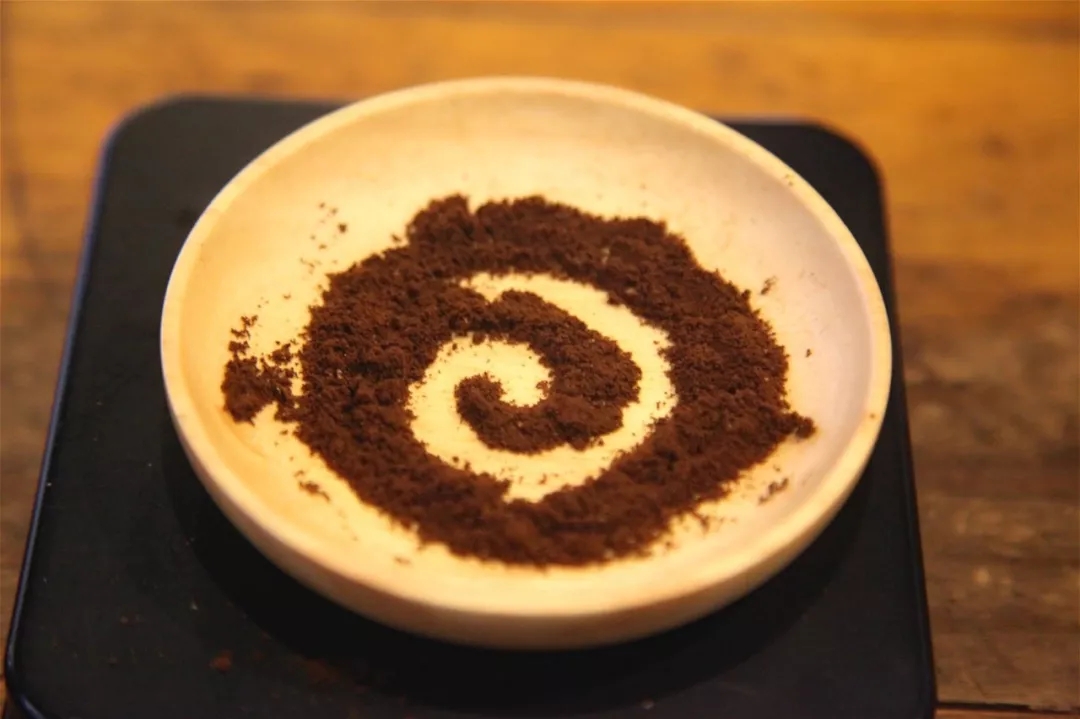
Adjusting the Grind
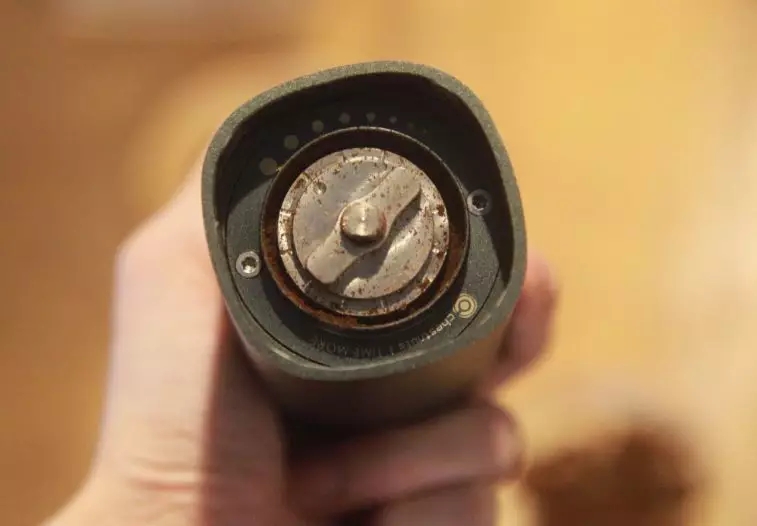
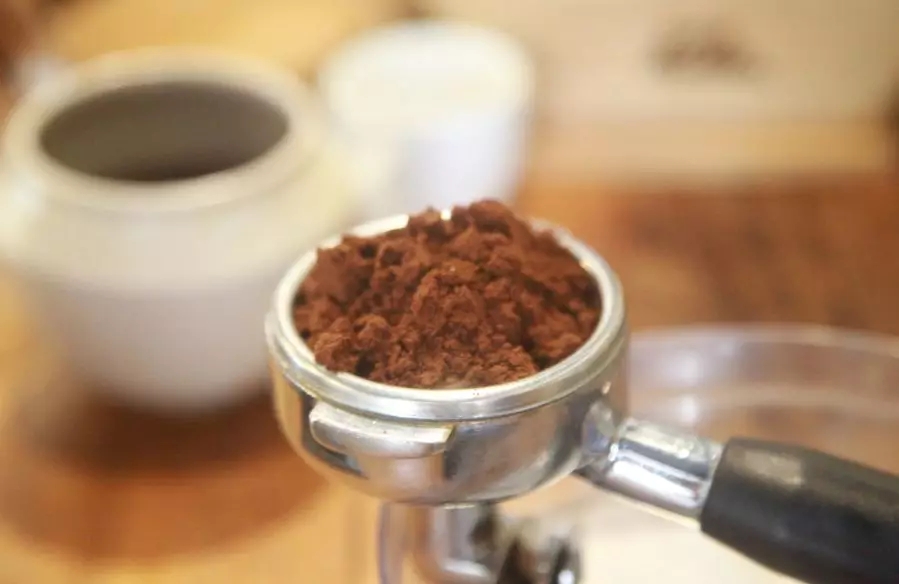
First, I tightened the grinder's burrs completely, using this as the zero mark, then backed off one notch at a time. When backing off 1-2 notches, I could hear friction between the burrs, so I went directly to 3 notches back. I ground some beans and found it was finer than the Yangjia 900N grind, feeling like flour to the touch.
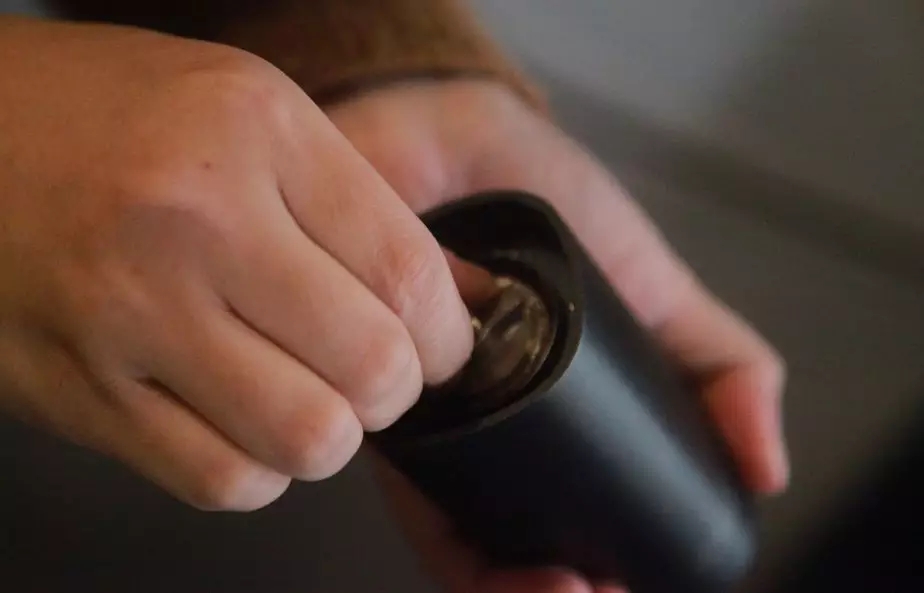
I adjusted the grind two notches coarser, backing off to five notches. Although it felt slightly granular, it was still very much like flour. This time I went all the way to nine notches back, which felt somewhat similar to the Yangjia 900N, but still had the sensation of coarse particles mixed in with flour! I tried grinding 20 grams of beans to make an espresso, only to find that coffee liquid was very difficult to drip through.
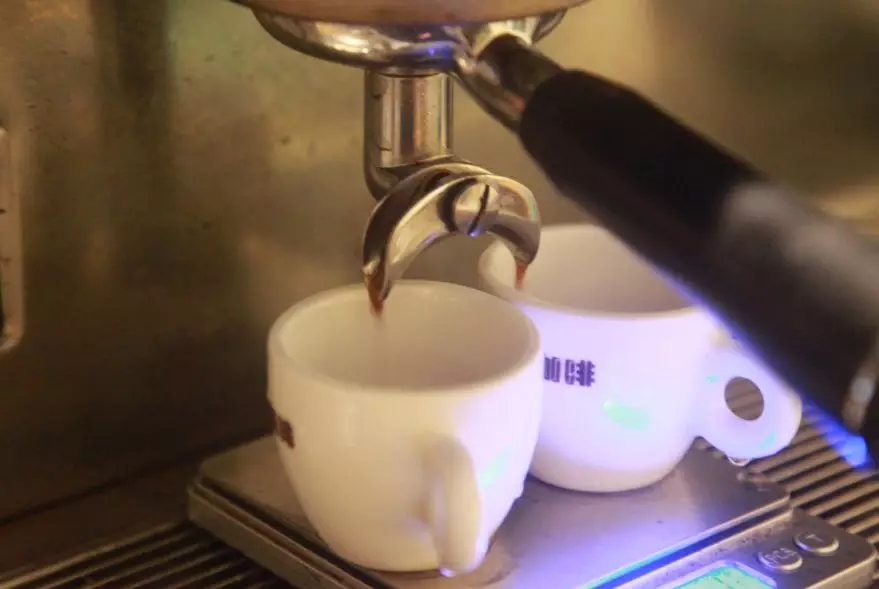
Extraction Tests and Results
Backing off 13 notches, I made an espresso with this grind setting: 20 grams of coffee, extracting 40 grams of coffee liquid, with an extraction time of 12 seconds. The espresso color looked quite pale with relatively thin crema. On tasting, it had rich fruit acidity, weak nutty flavors, and a brief aftertaste. The extraction time was too short, indicating under-extraction, so the grind was too coarse.
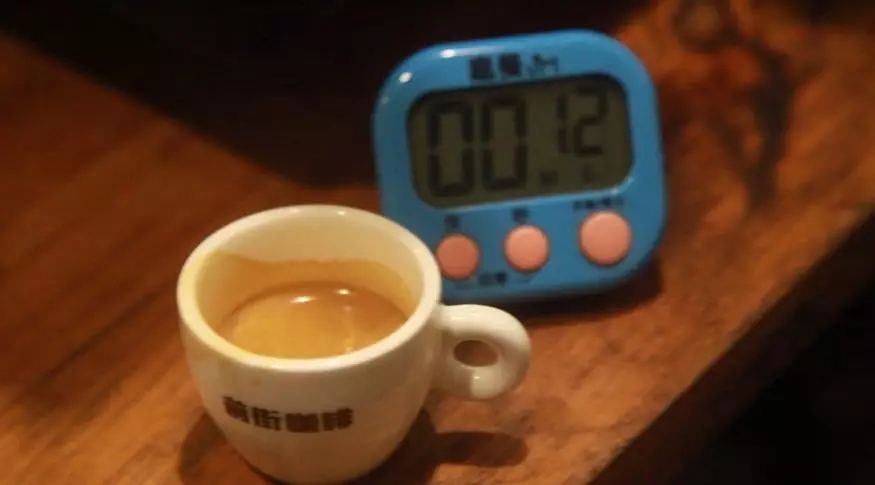
This time I backed off 11 notches. 20 grams of coffee, extracting 40 grams of coffee liquid, with an extraction time of 38 seconds. The espresso color looked somewhat dark with thick crema. The taste was bitter and over-extracted, with a slight smoky aroma, though the aftertaste was quite noticeable. This extraction time was too long - clearly over-extracted, meaning the grind was too fine.
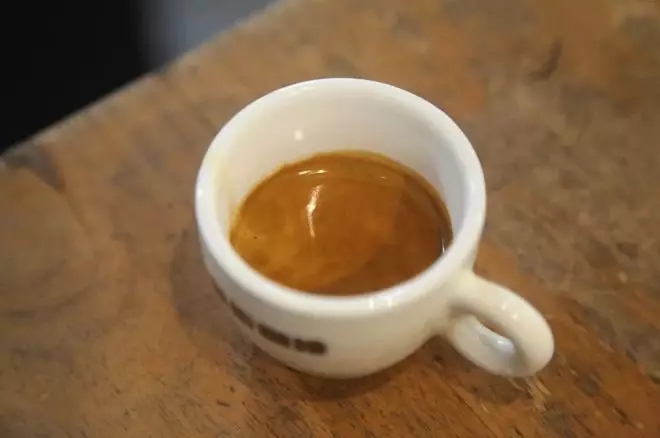
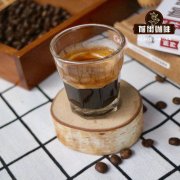
Eleven notches was too fine, thirteen notches too coarse, so let's try twelve notches! 20 grams, extracting 40 grams of coffee liquid, with an extraction time of 27 seconds. The crema had a beautiful yellow color and looked quite full-bodied. The taste had slight bitterness but lively acidity, with a sweet-tart aftertaste, featuring grapefruit, citrus, and berry flavors. The profile was very direct.
Conclusion
Testing revealed that hand grinders can indeed make espresso, though it requires more effort. The flavors are quite direct, with rich layers but not clearly defined - there's a sensation of moving directly from slight bitterness to acidity, then immediately to sweetness, and it's prone to developing burnt bitter flavors.
I believe this is mainly because the Chestnut hand grinder uses conical burrs, while espresso grinders typically use flat burrs. Conical burrs primarily grind by crushing, while flat burrs mainly grind by cutting, which is why conical-burr grinding produces more super-fine particles. Additionally, hand grinders aren't as stable as electric grinders, showing more obvious inconsistency in particle size. When grinding espresso with a hand grinder, I therefore recommend grinding slightly coarser to reduce channeling caused by excessive super-fine particles blocking water flow.
FrontStreet Coffee Recommendation
As this espresso test shows, dialing in a grinder is only half the equation - the bean matters too, and FrontStreet Coffee's Brazilian coffees are famously forgiving in that regard. The FrontStreet Brazil Cerrado Red Bourbon is a pulped natural single origin, medium roasted for creamy peanut, toast, caramel, and hazelnut aromas with a round, low-acid body that works in espresso, moka pot, and pour-over. The FrontStreet Brazil Queen Estate Yellow Bourbon adds a rare sugarcane sweetness and clean fruit-and-chocolate notes that make it a steady, balanced base for any home setup.
Important Notice :
FrontStreet Coffee is a long-established specialty coffee roaster in Guangzhou China, selling freshly roasted beans from its own farm in Yunnan as well as dozens of carefully selected single-origin beans from around the world for both pour-over and espresso. The products deliver consistently excellent quality and great value, with shipping within 24 hours. Guangzhou's FrontStreet Coffee shop is recommended by many coffee lovers, and the beans are now available online at the Tmall 。
FrontStreet Coffee has moved to a new address:
FrontStreet Coffee Address: 315,Donghua East Road,GuangZhou
Tel:020 38364473
 Scan and follow the En Gafei WeChat official account. Please indicate that the reprint comes from "En Gafei".