What is the water-to-coffee ratio for Nicaragua Finca Mamamina Natural Pacamara pour-over coffee?
1. What Is Flannel?
Flannel (also spelled flano) is a loanword for a soft, napped fabric woven from carded wool yarn. It originated in Wales in 18th-century England. In China the term generally refers to a coarse-spun wool fabric with a mottled pattern, woven from mixed-color carded wool yarn. Its surface carries a full, fine layer of fluff that hides the weave, giving it a soft, smooth hand that is a little lighter than melton wool.
2. Why Use Flannel?
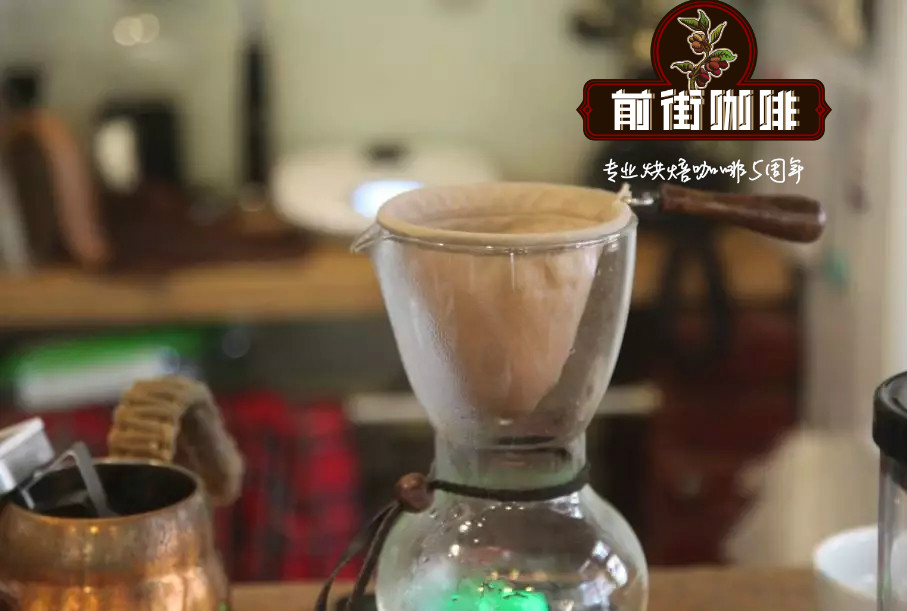
There is a saying that flannel can draw out every characteristic of a coffee and bring its finest qualities into perfect harmony.
Broadly speaking, flannel and filter paper share a great deal, so the two are used in much the same way.
Compared with filter paper, flannel has a wider mesh, a softer texture, and no papery taste. Because it is more permeable, it lets more oils and other solids remain in the cup. All told, coffee brewed through flannel tastes more "mellow," with better body.
3. Making Pour-Over Coffee with Flannel
When using flannel for the first time, rinse it with hot water, or scrub it with a brush. Then simmer it for 10 minutes in boiling water along with coffee grounds or tea leaves to lift the fabric's odor, and rinse it clean afterward. Do not use soap or soap powder at this stage, as their flavor cannot be removed. After each use, rinse the cloth thoroughly with water. Do not use soap, and do not dry it in direct sunlight, or it will pick up odors. When storing it in the refrigerator, keep it in a sealed container so it does not absorb the smell of other foods. Before brewing, soak it in warm water and wring it out thoroughly.
4. Important Considerations
On the Flannel Filter Mesh (Keep the Fluffy Side Facing Outward)
If you place the fuzzy side on the inside, coffee oils and fine particles will cling to it and the mesh will clog quickly. To keep the brew flowing, place the fuzzy side on the outside.
This is also why a brewing stand is needed.
5. Flavor and Texture of Flannel Drip Coffee
Coffee brewed through a flannel filter is aromatic, delicious, and thoroughly satisfying. The advantage of a flannel filter is that you need not stir the coffee in the bag to ensure every ground contacts the hot water. The bed will expand, foam, and filter gradually downward. The key is to determine the amount of coffee grounds, which in turn sets how much boiling water you need. During brewing, keep the hot water in the filter for roughly five minutes, adding water slowly and carefully. Through the cloth, every component of the coffee is fully extracted. Pay close attention to the care and storage of the cloth filter, or the coffee's flavor will decline.
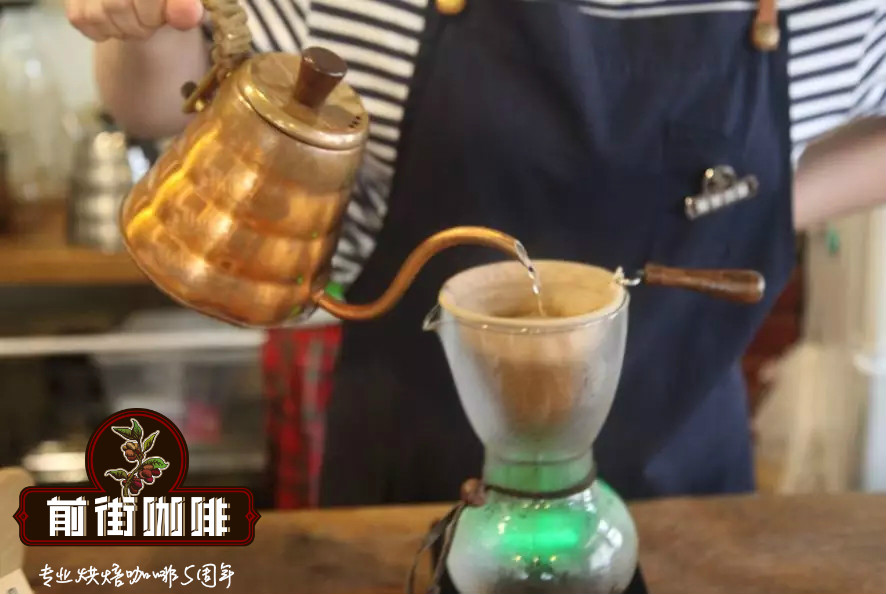
FrontStreet Coffee suggests that flannel is exceptionally well suited to dark roast beans. The slow flow of the flannel cloth better expresses the round, smooth texture of a dark roast. As for grind size, FrontStreet Coffee recommends choosing a medium grind, between what you would use for a V60 and for a KONO dripper, when attempting a single-pour method. A medium-fine V60 grind tends to over-extract the beans, while a KONO-style medium grind may fail to draw out the rich, full-bodied character that defines a dark roast.
FrontStreet Coffee Recommendation
For pour-over brewing, FrontStreet Coffee's Yirgacheffe Gedingding Cooperative is a fine place to start. Yirgacheffe is a small town in southern Ethiopia where mist, cool humidity, and countless coffee trees give rise to a signature interplay of white floral aroma and bright citrus acidity. Because the coffee is washed, its own aromatics come through clearly, showing jasmine and a bright citrus acidity; a light to medium roast then adds green tea and honey notes. It is a versatile bean that suits hand-drip, cold brew, and espresso alike.
For the equipment itself, the Hario V60 is the classic choice. Hario was founded in Tokyo in 1921, and in 2004 the company redesigned the early V60 into the familiar form it takes today, naming it for its distinctive 60-degree cone and V-shaped profile. The conical 60-degree angle forces water toward the center before it drips into the server, extending contact between water and grounds for fuller extraction of aroma and flavor, while the single large opening lets the flow run freely and puts the brew very much in the hands of the person pouring. FrontStreet Coffee favors the resin version in particular: resin resists heat loss, and as a mass-produced industrial material it holds its shape with the smallest variance.
Important Notice :
FrontStreet Coffee is a long-established specialty coffee roaster in Guangzhou China, selling freshly roasted beans from its own farm in Yunnan as well as dozens of carefully selected single-origin beans from around the world for both pour-over and espresso. The products deliver consistently excellent quality and great value, with shipping within 24 hours. Guangzhou's FrontStreet Coffee shop is recommended by many coffee lovers, and the beans are now available online at the Tmall 。
FrontStreet Coffee has moved to a new address:
FrontStreet Coffee Address: 315,Donghua East Road,GuangZhou
Tel:020 38364473
 Scan and follow the En Gafei WeChat official account. Please indicate that the reprint comes from "En Gafei".