Mozart Coffee Recommended Brewing Methods - What Flavors Does the Canet Estate Musician Series Mozart Coffee Offer?
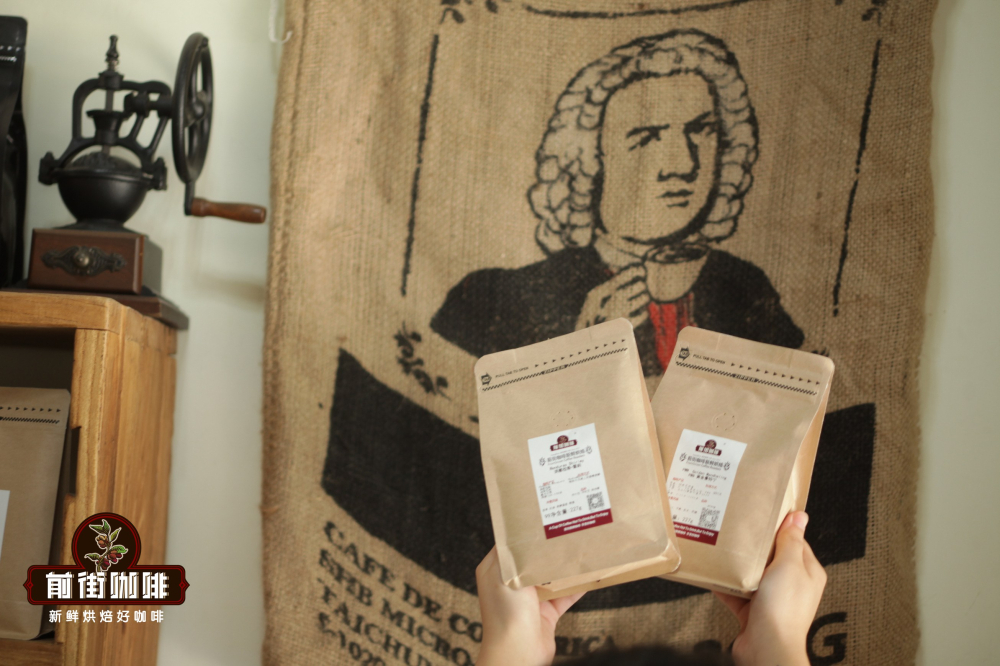
There's a series of coffee beans that always prompts the same playful question: after drinking Mozart coffee, can I become the next Mozart? A barista at FrontStreet Coffee once answered a customer this way: it's hard to promise you'll become the next Mozart, but the sweetness of Mozart might just get you hooked.
Costa Rican coffee is famously "sweet as honey," and FrontStreet Coffee's Mozart beans come from the Tarrazú region of Costa Rica, where raisin honey processing pushes that sweetness to another level. Below, FrontStreet Coffee introduces this musician series bean in detail — a coffee as sweet as preserved fruit.

Costa Rican Coffee Heritage
Coffee cultivation in Costa Rica dates back to the late 18th century, when Arabica seedlings were first planted in the Central Valley and quickly spread across the country, making Costa Rica the first Central American nation with established coffee growing regions. By 1829, coffee had become one of Costa Rica's most important cash crops and a major source of foreign exchange. Coffee mattered so much to the country that the government revised its laws to permit only the cultivation of Arabica varieties, effectively banning Robusta.
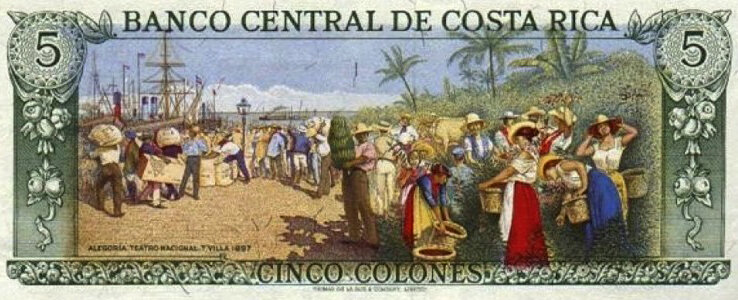
The coffee industry even gave rise to an elite class that penetrated every corner of government in the late 19th century. Coffee growers held a privileged position in Costa Rican society and brought the country stable development. In 1897, residents of the capital, San José, witnessed the opening of a national theater funded by coffee growers.
Costa Rican coffee is mild and smooth, with fruity acidity and chocolate bitterness coexisting in harmony for an overall balanced cup. Each of the country's seven major growing regions has its own character built on that foundation, and Tarrazú in particular appears constantly on green bean competition award lists, drawing attention from coffee connoisseurs.

The Tarrazú Region
Tarrazú sits at some of the highest coffee growing altitudes in Costa Rica and ranks among the country's most legendary — and the world's most famous — coffee regions. That extreme elevation creates ideal conditions for producing the top SHB (Strictly Hard Bean) grade. Combined with the pronounced day-night temperature difference, the coffee cherries ripen slowly and absorb more nutrients along the way. The resulting green beans are dense and hard, producing Tarrazú coffees with vivid sweet-tart flavors, distinctive juiciness, and superb balance — the qualities that made Costa Rican coffee famous.
The Canet Estate and Mozart Coffee
Mozart is one of the beans in the Musician Series launched by Canet Estate in Costa Rica's Tarrazú region. As the Musician Series has grown popular among coffee drinkers, many people now recognize the Canet name — but what fewer know is that Canet is actually the coffee processing facility of the Black Gold coffee brand.
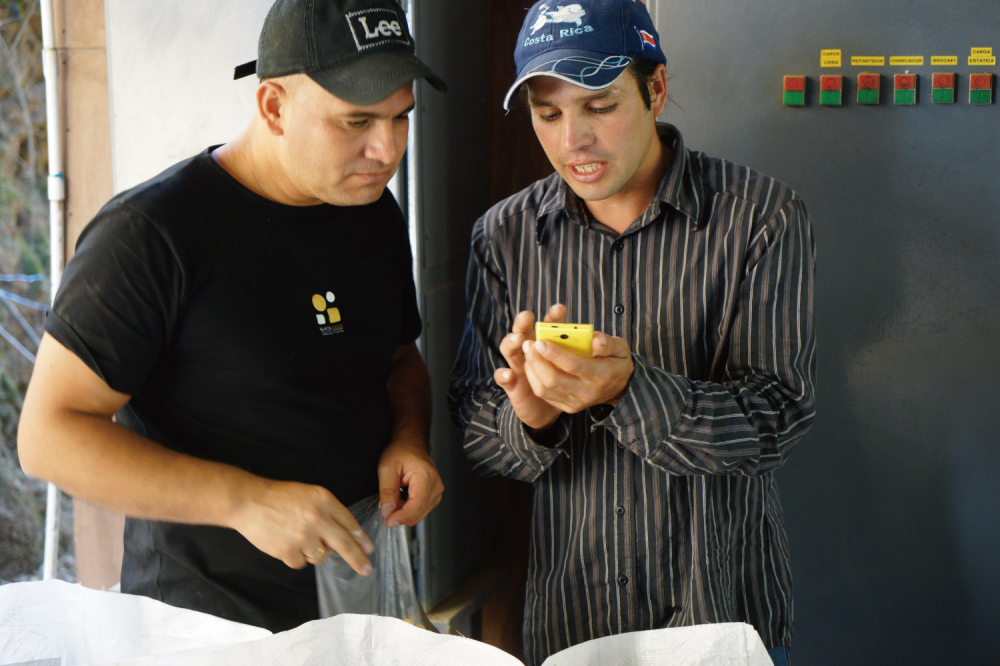
Black Gold, a Taiwanese green coffee merchant, operates its own processing facility in Costa Rica, where it processes beans in small batches using different methods tailored to the terroir of each growing region.
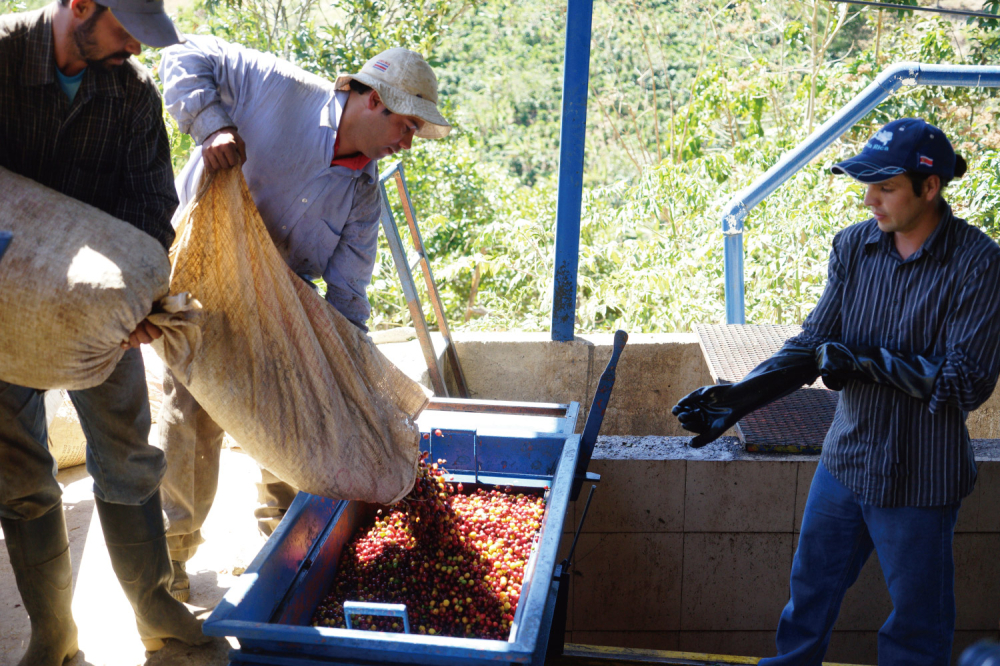
Canet sits in the highest-altitude coffee zone within Tarrazú. This is one of Costa Rica's most intensive fruit-growing areas — passion fruit in particular — and coffee plantings here are quite scarce. Coffee is cultivated only in a specific zone and receives meticulous care; at harvest, only fully ripe red cherries are picked.
Canet began as a collection station for the surrounding area. When harvest season arrives, coffee farmers gather from all over, selling their picked red cherries bucket by bucket at the station before parting with the fruits of their labor. Once the season ends, they disperse to other work to supplement their modest income.
Why It's Called Mozart
Anyone curious about coffee bean names might wonder: why is Mozart coffee called Mozart coffee?
The naming of the Musician Series comes from Canet's director himself, a devoted classical music lover. When he tastes a coffee, he associates it with a musician based on its flavor profile. This particular lot shows bold yet elegant white floral notes, prominent berry tones, and a honeyed sweetness that lingers in the aftertaste — a richness closely matched to the character of Mozart's music, hence the name.
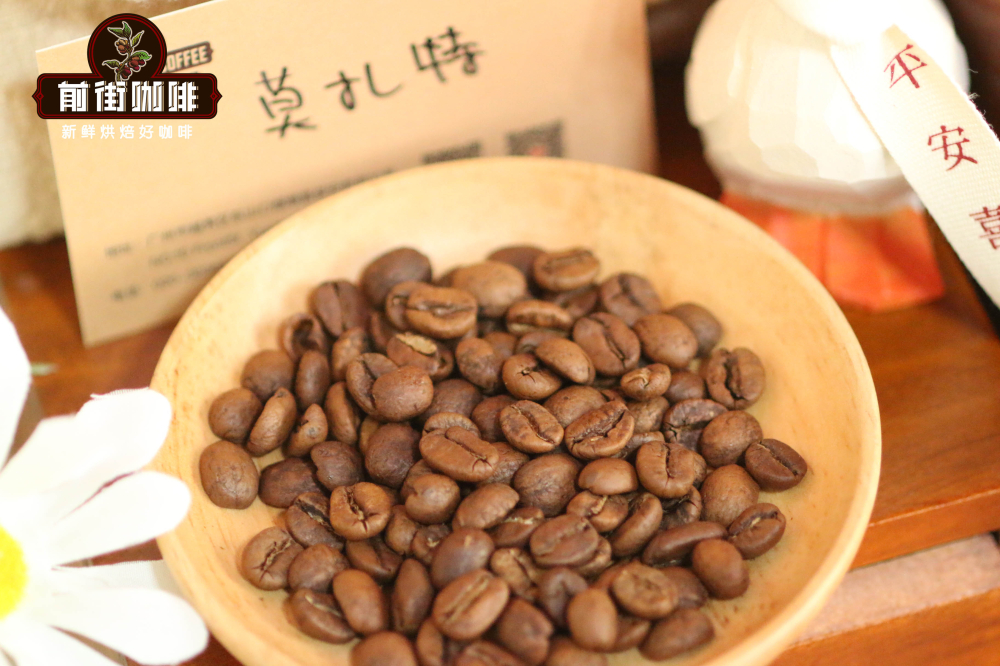
FrontStreet Coffee Costa Rica Musician Series Mozart Coffee Beans
Region: Tarrazú, Costa Rica
Estate: Canet
Altitude: 1980 meters
Varieties: Caturra, Catuai
Grade: SHB
Processing Method: Raisin Honey Process
The Unique Sweetness of Raisin Honey Processing
Those who have tasted Mozart often ask: if it's honey processed like so many other coffees, why is its sweetness so striking?
The answer lies in raisin honey processing. Unlike ordinary honey processing, raisin honey processing is essentially honey processing with a double fermentation. Fully ripe coffee cherries are laid out whole on raised beds to dry in the sun. Once the cherries reach a shriveled, raisin-like state, the skin and pulp are removed — preserving as much of the mucilage as possible — and drying continues.

Because raisin honey processing retains more mucilage than ordinary honey processing, it dramatically boosts sweetness. After this treatment, Mozart develops an almost white-wine-like mouthfeel, a balanced sweet-tart character, and remarkably rich fermentation notes.
Brewing Recommendations
To showcase this bean's rich aroma, FrontStreet Coffee roasts it to a medium level. For brewing, FrontStreet Coffee recommends a Hario V60 dripper with high water temperature and a finer grind.
Dripper: Hario V60
Water Temperature: 90°C
Coffee Amount: 15 grams
Coffee-to-Water Ratio: 1:15
Grind Size: 80% pass-through on a #20 standard sieve
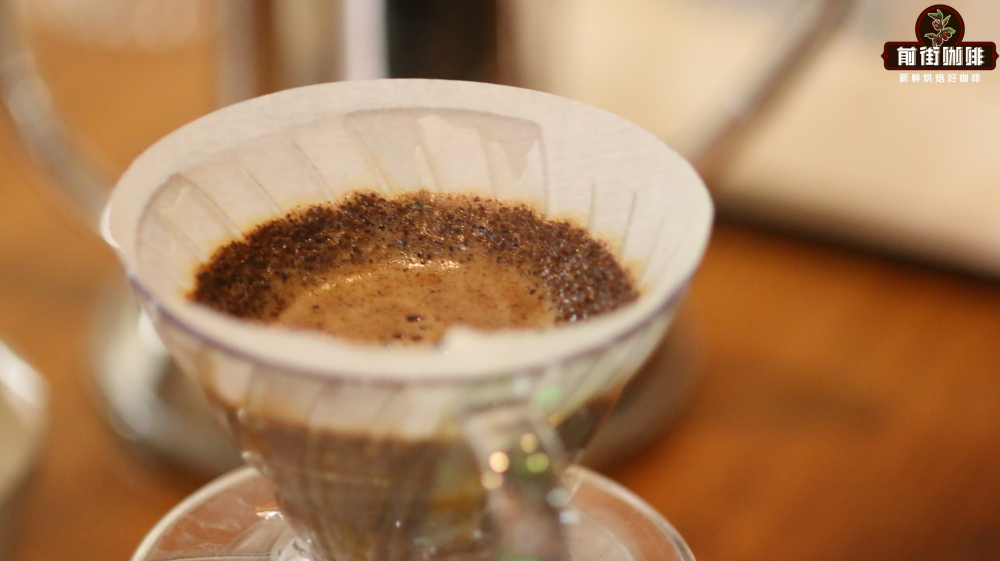
Start by pouring 30 grams of hot water for a 30-second bloom, then pour from the center in a fine stream, slowly spiraling out to 125 grams. When the water level drops until the coffee bed is just about to be exposed, continue pouring in circles up to 225 grams. Total extraction time is about 2 minutes.
Regular readers of FrontStreet Coffee will notice that a 30-second bloom is used for every hand-poured coffee. Although FrontStreet Coffee ships beans roasted within the previous 5 days — which have already rested 4 to 7 days by the time they arrive — the bloom lets carbon dioxide escape from the coffee grounds, stabilizing flavor extraction in the later stages.

FrontStreet Coffee also offers grinding service for those without a grinder at home. But keep in mind: once beans are ground, the surface area exposed to air increases dramatically, degassing accelerates, and aromatics dissipate accordingly. If you own a grinder, whole beans ground fresh right before brewing will always taste best.
FrontStreet Coffee Recommendation
Beyond ordinary honey processing, some estates have developed the innovative raisin honey process — a refined version that breaks away from the traditional yellow, red, and black honey categories. With raisin honey processing, the whole coffee cherries are pre-dried on raised beds for at least three days before the skin and pulp are removed and the honey-processing steps continue. Because it retains 100% of the mucilage, this method is even harder to execute than black honey processing, demanding strict control of timing throughout. The payoff is a deeper, richer sweet aroma of dried fruit in the cup.
FrontStreet Coffee's Mozart is a showcase of this process. Whether brewed as a pour-over, a cold brew, or in a moka pot, you can pick out the distinctive fragrance of osmanthus, pineapple, and raisins. FrontStreet Coffee's Strawberry Sugar Geisha blend pairs Panama Geisha with Costa Rican coffee processed the same way — the Geisha contributing its classic orange-blossom and honeyed notes, with dried blueberry and grape aromatics, gentle fruit acidity, an almond finish, and a pronounced sweetness.
Important Notice :
FrontStreet Coffee is a long-established specialty coffee roaster in Guangzhou China, selling freshly roasted beans from its own farm in Yunnan as well as dozens of carefully selected single-origin beans from around the world for both pour-over and espresso. The products deliver consistently excellent quality and great value, with shipping within 24 hours. Guangzhou's FrontStreet Coffee shop is recommended by many coffee lovers, and the beans are now available online at the Tmall 。
FrontStreet Coffee has moved to a new address:
FrontStreet Coffee Address: 315,Donghua East Road,GuangZhou
Tel:020 38364473
 Scan and follow the En Gafei WeChat official account. Please indicate that the reprint comes from "En Gafei".