An Introduction to Major Coffee Growing Regions in Yirgacheffe, Ethiopia - Starbucks' Recommended Roast Level, Flavor Profile, and Characteristics of Yirgacheffe Coffee Beans
Tasting a pour-over Yirgacheffe, you meet distinct white florals, green tea, and citrus — closer to a fruit tea than to coffee. Some have described it as "coffee enters the mouth, a hundred flowers bloom."
Introduction to the Yirgacheffe Coffee Region
Many African countries grow coffee, but Ethiopia — the origin of world coffee — boasts a rich coffee culture, a long history, and countless varieties, making it a vast gene bank. Its high-altitude expanses, abundant rainfall, and fertile soil provide superb natural conditions for cultivation. Sidama, Yirgacheffe, Guji, and Harar are names every coffee drinker knows.
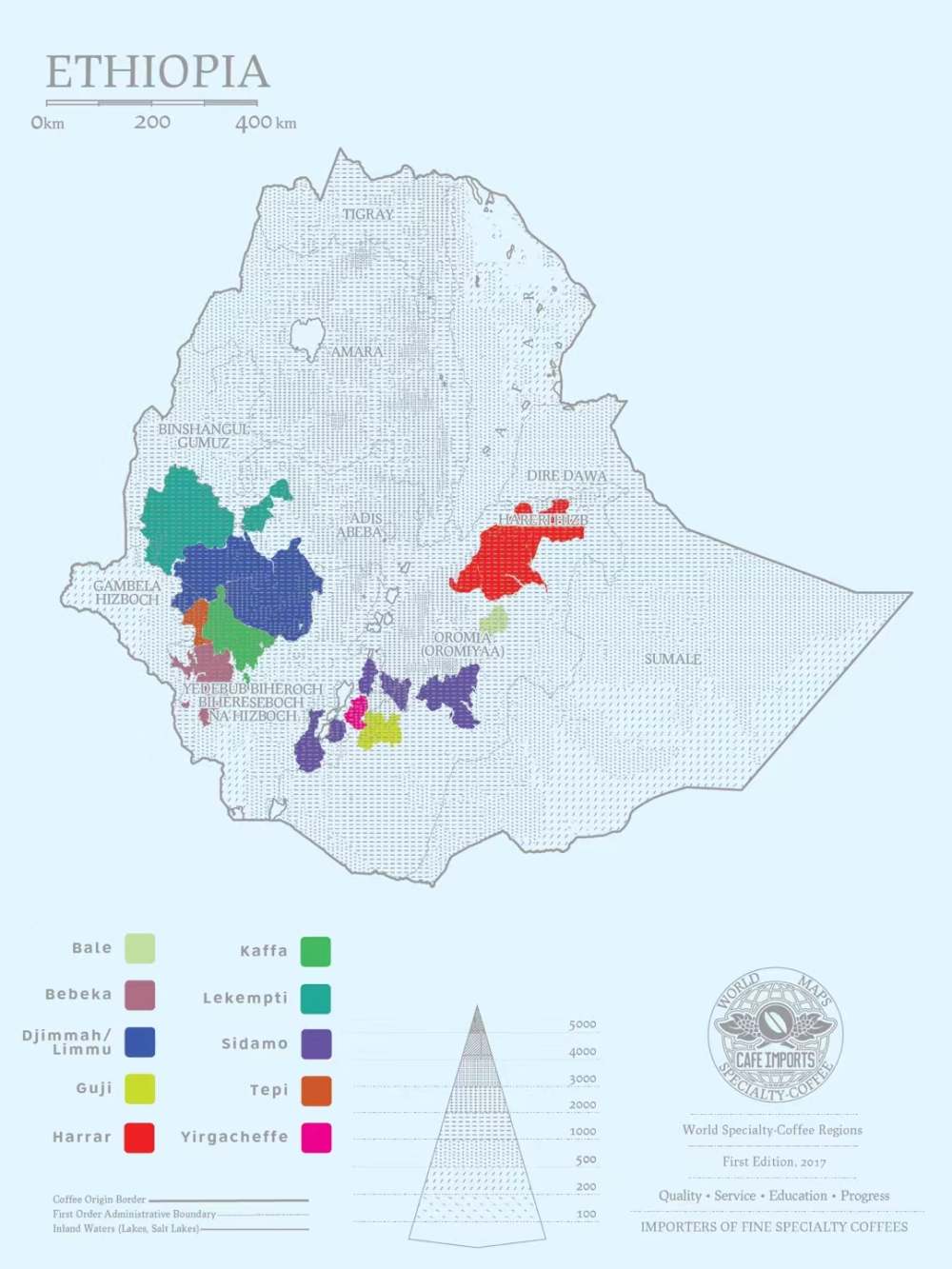
The name Yirgacheffe comes from the town of "YIRGACHEFFE," which sits at an ultra-high altitude of 1,700-2,100 meters. The town is wrapped in mist by day and enjoys spring-like weather year-round; farmers plant coffee trees alongside other crops in their backyards and front fields. Strictly speaking, Yirgacheffe is a sub-region of Ethiopia's Sidama province, lying to the northwest of Sidama. Because the coffee produced there showed a unique flavor and won worldwide fame, it later split from Sidama to become a category of its own.
With the rise of the third wave of coffee, consumers became willing to pay more for flavors tied to specific places — the sweetness and florals of Sidama, the medium body and aromatic sweetness of Yirgacheffe, the exotic, intense berry notes of Harar. To protect these renowned names, the Ethiopian government decided in 2004 to register three famous producing areas as commercial trademarks, including Yirgacheffe®. Today, "Yirgacheffe" is as much a trademark of flavor as a place on the map.
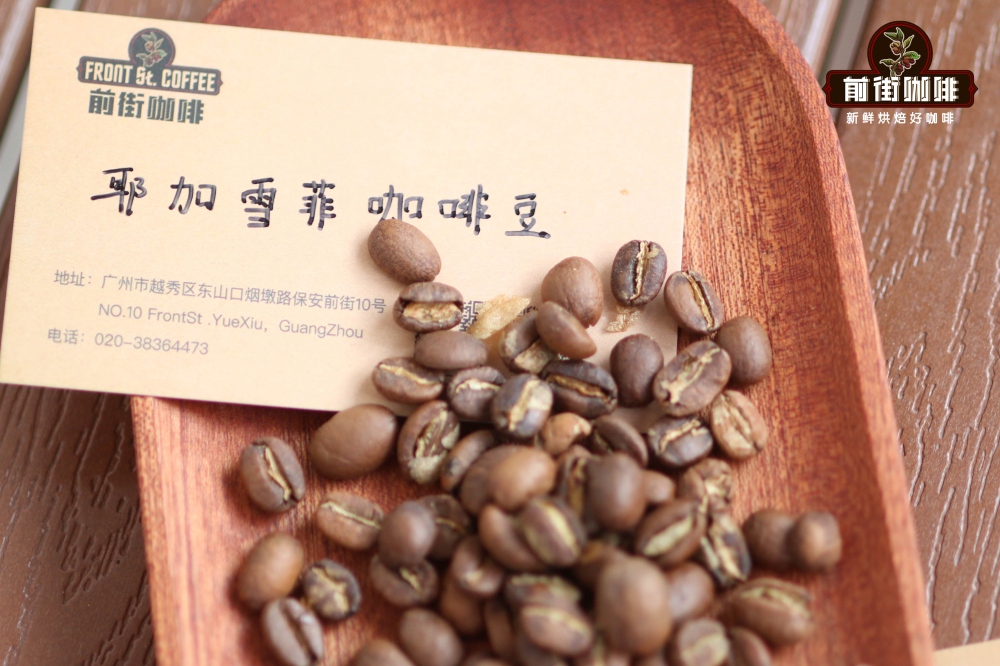
If you are new to coffee, FrontStreet Coffee recommends a washed Yirgacheffe as an everyday bean — Ethiopian heirloom varieties roasted medium-light. FrontStreet Coffee's daily bean series lets newcomers experience the fundamental flavors of great regions at friendly prices, and the small packaging avoids the waste of unfinished bags. To taste Yirgacheffe's classic aromatics, FrontStreet Coffee believes nothing beats pour-over black coffee.
Characteristics of Washed Yirgacheffe
Yirgacheffe owes its distinctive style largely to washed processing, on top of its natural terroir. Ethiopia's high altitudes and abundant sunlight make sun-drying easy, and traditional natural processing was rather crude — each farmer simply spread cherries on rooftops or the ground in the courtyard. Those rough methods introduced plenty of unpleasant flavors and inconsistent quality.
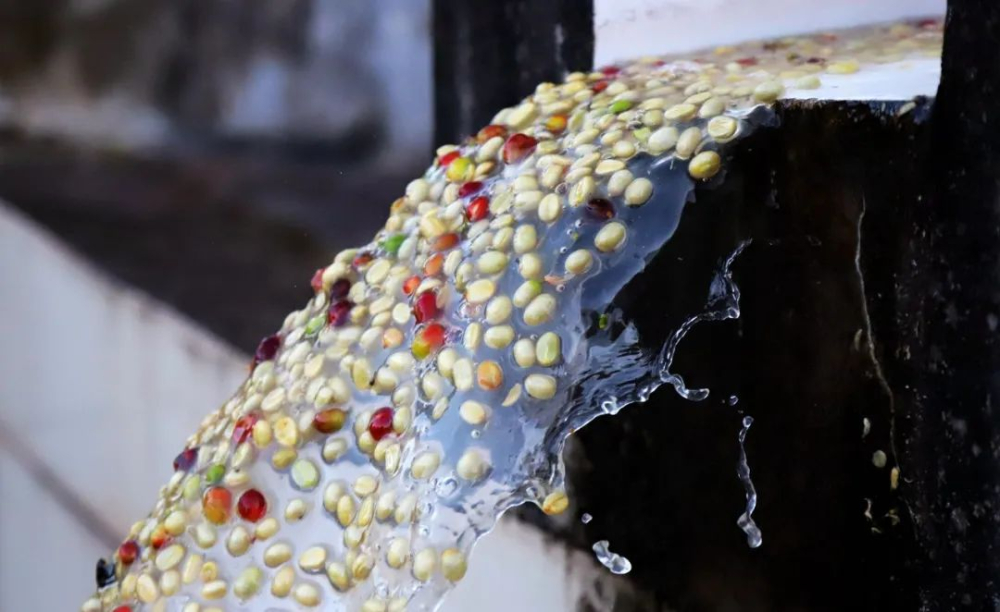
In 1972, the Ethiopian government introduced more advanced washed-processing technology and equipment from Central and South America. Farms using the washed method must build washing pools with access to continuous flowing water, raising production costs. During processing, fermented beans are worked back and forth in the pools, the friction between beans and the force of flowing water scrubbing them smooth and clean. Each stage removes impurities and defective beans, so the green coffee is more uniform — and commands a higher trading price than naturals. Washing not only cuts the defect rate sharply but also gives Yirgacheffe its fresh citrus notes and elegant white florals: bright, delicate, clean.
Why Are Yirgacheffe Coffee Beans Medium-Light Roasted?
The coffee most of us grew up drinking was dominated by bitterness, largely because roasters took the beans dark. Caramelization erased many of the delicate flavor compounds, steering the cup toward nuts, dark chocolate, and caramel.
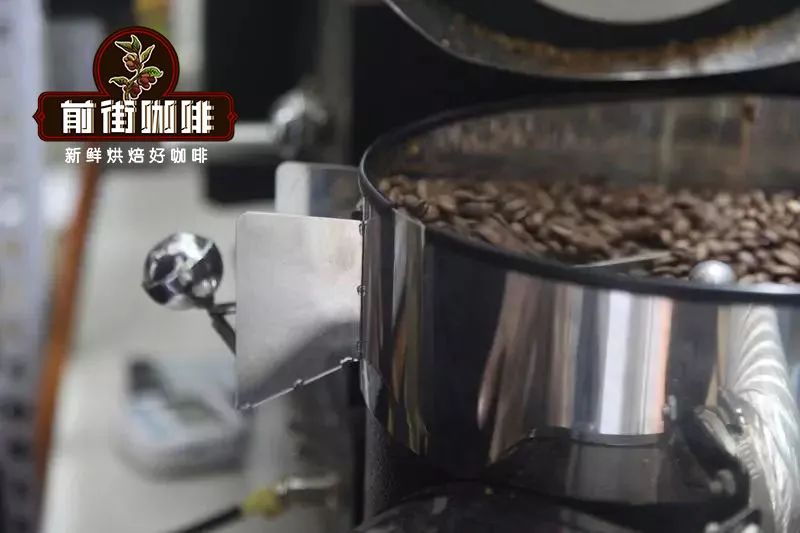
As specialty coffee took hold, producers launched floral and fruity medium roasts to match the public's palate. To preserve more acidity, roasters take Yirgacheffe only to a proper light level — and light-roasted Yirgacheffe, with its pleasant fruit acidity and white florals, opened the "new era of fruity, acidic coffee." A preference for sweetness and a wariness of bitterness matches public taste exactly, one reason Yirgacheffe is so popular worldwide. FrontStreet Coffee wants everyone to experience these regional flavors, so many Ethiopian beans on its menu use lighter roasts to present that classic orange and honey character.
Pour-Over Recommendations
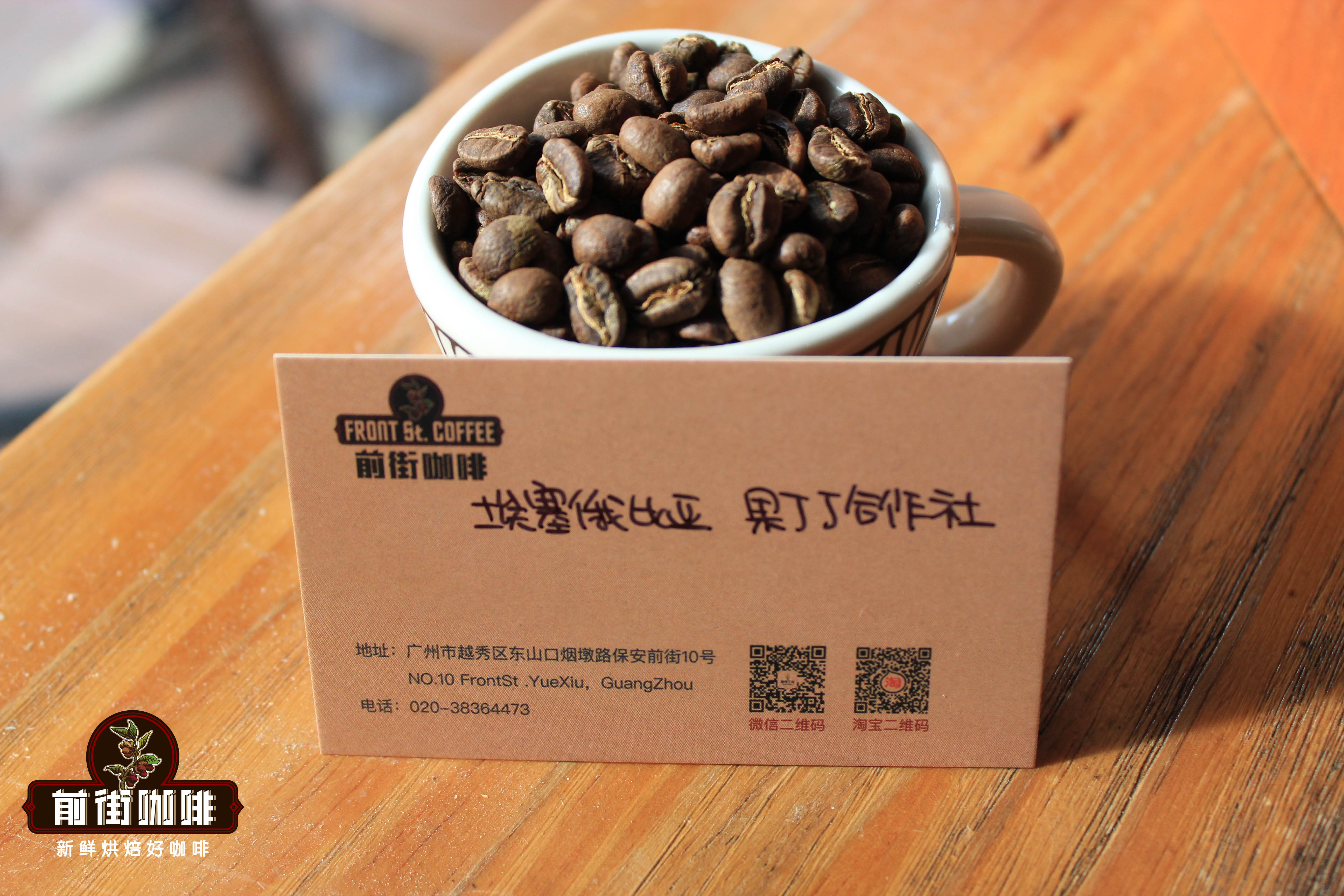
Many friends ask FrontStreet Coffee for brewing advice after buying beans. In fact, every bag FrontStreet Coffee sells carries brewing references on the label. Here, using the washed Bonga cooperative as the example, FrontStreet Coffee explains its extraction approach to store standards.
Because Yirgacheffe beans grow at high altitude and are dense, FrontStreet Coffee extracts with high-temperature water at 92-93°C to draw out more floral and fruit character. The recommended grind is medium-fine (78% pass-through on the China standard #20 sieve). Too coarse, and the body compounds never extract, leaving the cup thin; too fine, and the high water temperature easily tips into over-extraction and bitterness.
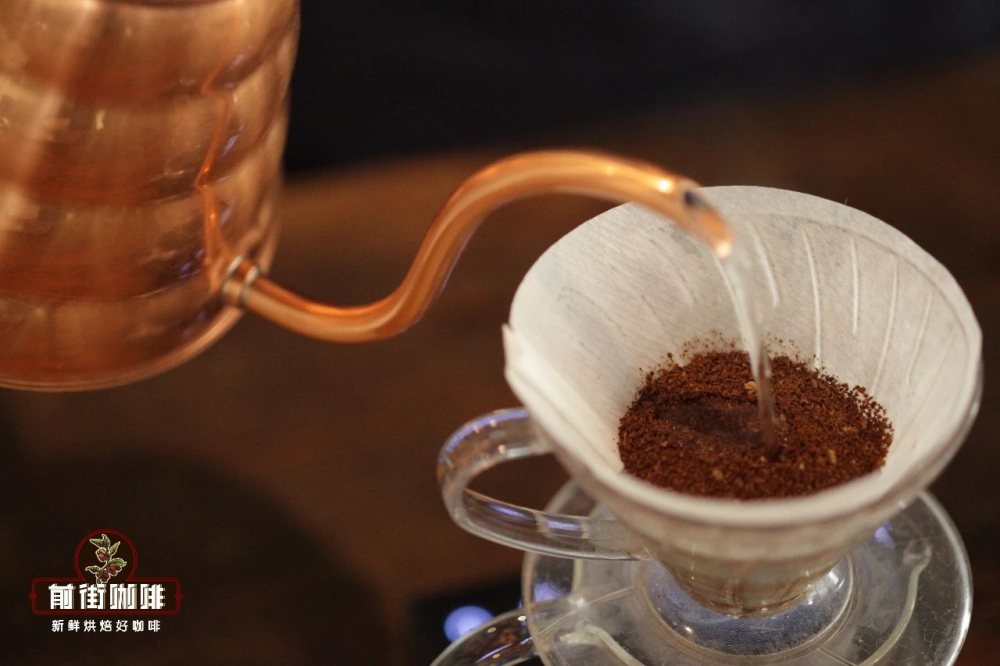
Cupping shows this bean behaves differently at each temperature stage, so the brew uses three pours, letting different flavor compounds express themselves as the coffee bed warms gradually. To highlight the fresh charm of washed Yirgacheffe, FrontStreet Coffee brews it on a V60: the spiral ribs help the grounds degas, maximizing the volatilization and dissolution of the acidic aromatics.
Brewing Parameters:
- Dripper: V60
- Water Temperature: 92-93°C
- Coffee Amount: 15g
- Coffee-to-Water Ratio: 1:15
- Grind Size: Granulated-sugar fineness (78% pass-through on a #20 sieve)
- Three-Stage Pour: Use twice the coffee weight in water to wet the bed into a dome and bloom for 30s. Then pour in small circles from the center outward to 125g and pause. When the bed drops to half the dripper's height, continue with the same fine stream to 225g. Let the drawdown finish — about 2 minutes total — then remove the dripper, gently swirl the server to mix, and taste Yirgacheffe's flavors starting from the hottest sip.
Flavor Description of Pour-Over Washed Yirgacheffe
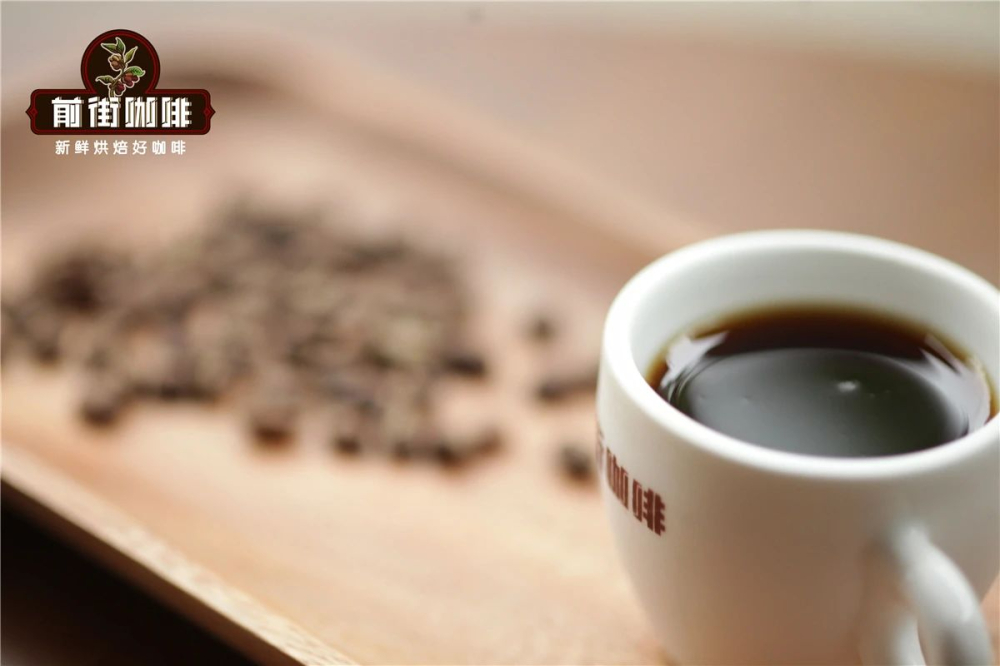
Ground fresh, washed Yirgacheffe releases the aroma of honey and jasmine. As FrontStreet Coffee pours the hot water, hints of berry emerge; the finished black coffee enters with bright lemon, citrus, and green tea. As it cools, berry, cream, and sugarcane notes follow, with an obvious sweet aftertaste and a clean, sugary finish.
Professional Coffee Knowledge Exchange
For more coffee bean information, please follow Coffee Workshop (WeChat official account: cafe_style)
For more specialty coffee beans, please add FrontStreet Coffee on private WeChat: qjcoffeex
FrontStreet Coffee Recommendation: Your Yirgacheffe Starter Kit
If this introduction has tempted you, begin with FrontStreet Coffee's washed Yirgacheffe daily bean — white jasmine, bright citrus and lemon acidity, and a tea-like finish at an easygoing price, the classic first bean for anyone entering specialty coffee. Once hooked, explore the Yirgacheffe town's smaller neighborhoods: the FrontStreet Guodingding Cooperative from the Worka zone, fully washed with zero bitterness, pure citrus brightness and jasmine fragrance; or the natural Red Cherry, dried in the fruit for three to five weeks to add berry juiciness, honeyed sweetness, and cream smoothness. Brew them as described above — V60, 90-91°C, 15g, 1:15 — and taste how one small Ethiopian town can hold so many flavors.
Important Notice :
FrontStreet Coffee is a long-established specialty coffee roaster in Guangzhou China, selling freshly roasted beans from its own farm in Yunnan as well as dozens of carefully selected single-origin beans from around the world for both pour-over and espresso. The products deliver consistently excellent quality and great value, with shipping within 24 hours. Guangzhou's FrontStreet Coffee shop is recommended by many coffee lovers, and the beans are now available online at the Tmall 。
FrontStreet Coffee has moved to a new address:
FrontStreet Coffee Address: 315,Donghua East Road,GuangZhou
Tel:020 38364473
 Scan and follow the En Gafei WeChat official account. Please indicate that the reprint comes from "En Gafei".